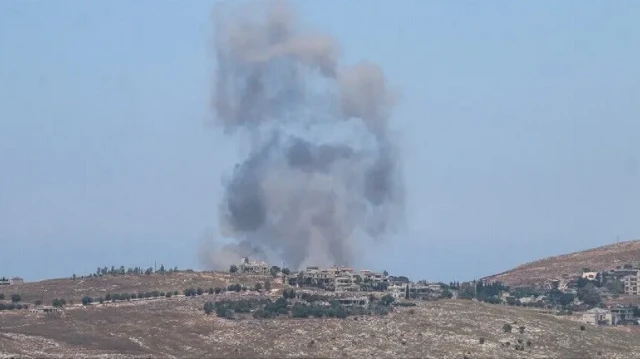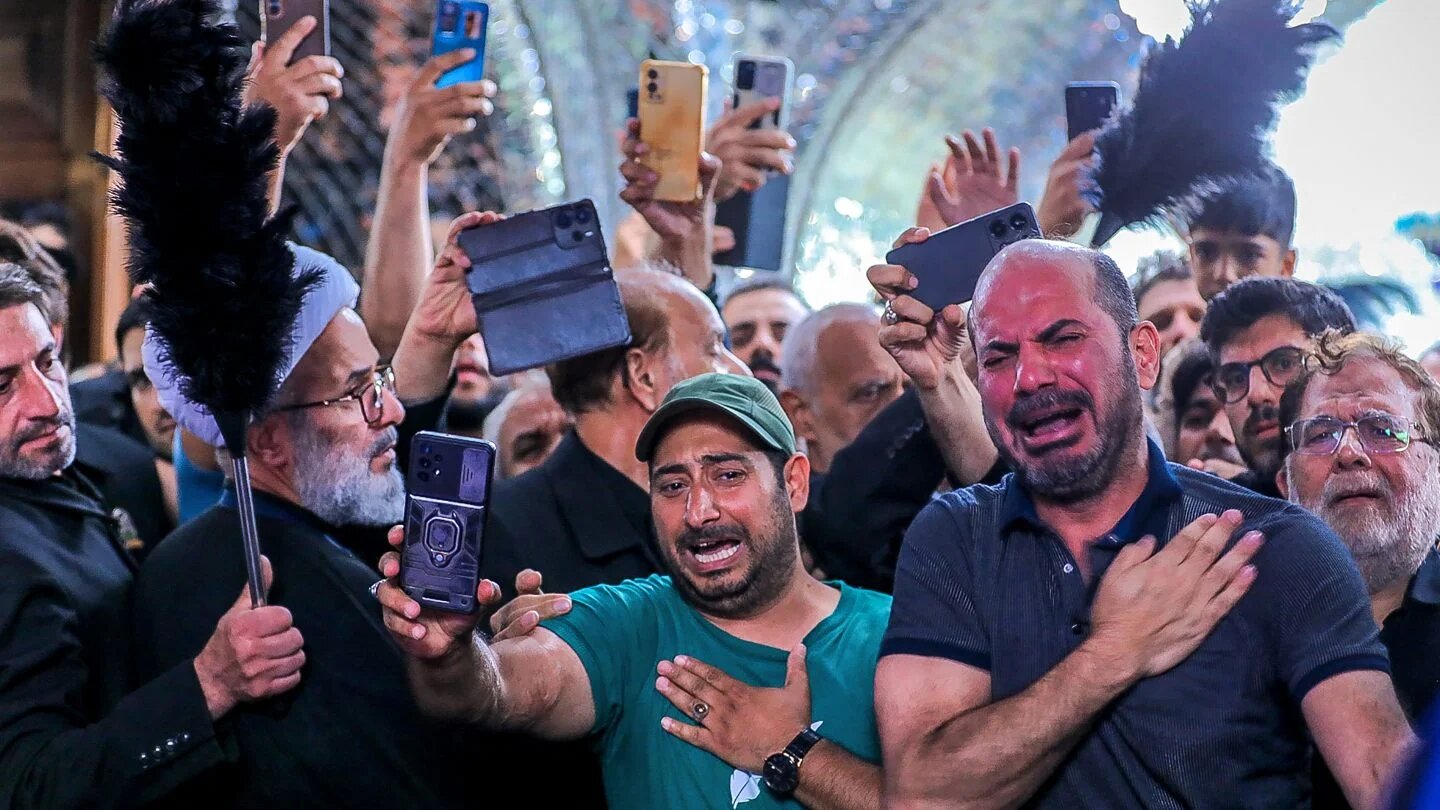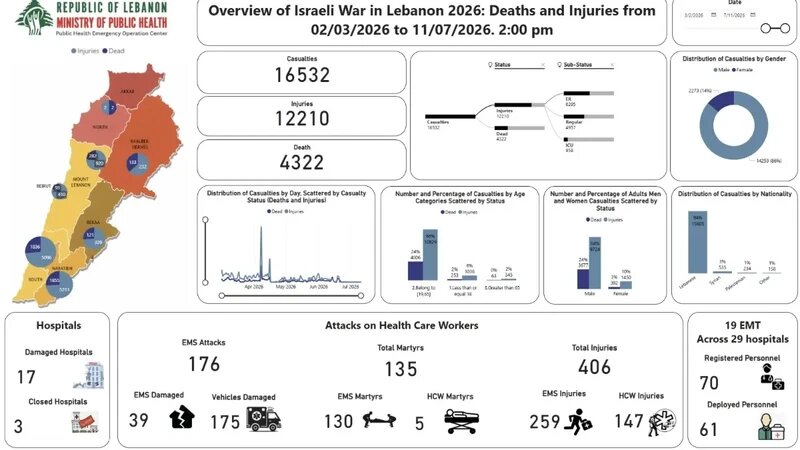
The cumulative death toll from the Israeli aggression on Lebanon reached 16,532 on Saturday, according to figures released by the Lebanese Ministry of Health. The ministry reported that the casualties, recorded since the start of the aggression on March 2, include 4,322 martyrs and 12,210 wounded individuals. This updated count reflects the ongoing impact of the military actions in the region, noting the severe human cost borne by the Lebanese population. The full data provided by the Ministry of Health offers a stark picture of the widespread devastation and loss of life that has occurred over the past several months.
Daily Toll and Healthcare Impact
The death toll increased by one martyr and three wounded in the past 24 hours, according to a daily statistical report from the Lebanese Ministry of Health, published by the National News Agency. This incremental rise shows the continuous nature of the conflict and its daily impact on civilian lives. Healthcare workers have also been significantly impacted by the conflict, facing immense challenges and direct threats to their safety. The number of martyrs among medical personnel and ambulance teams reached 135, with 406 wounded. These casualties resulted from 176 reported attacks on ambulance teams and medical personnel, illustrating the perilous conditions under which medical professionals are operating. The targeting of healthcare infrastructure and personnel exacerbates the humanitarian crisis, hindering efforts to provide essential medical care to those affected by the aggression.
Widespread Displacement and Infrastructure Damage
Since March 2, the occupation has escalated its aggression against Lebanese towns, villages, cities, and civilian infrastructure. This intensified campaign has led to widespread displacement and significant casualties across the country. The escalation has resulted in the deaths of hundreds and the wounding of thousands, according to reports, painting a grim picture of the conflict's destructive reach. Approximately 1.5 million Lebanese citizens have been displaced from their homes, forced to seek refuge elsewhere. The vast majority of these displaced individuals are not registered in official shelters, indicating a broader and more diffuse impact on the population and posing significant challenges for humanitarian aid efforts. The destruction of civilian infrastructure, including homes, roads, and essential services, further compounds the crisis, making return and recovery difficult for those affected. The scale of displacement shows the profound disruption to daily life and the extensive humanitarian needs arising from the ongoing aggression.
International Ceasefire Efforts
Pakistani Prime Minister Shehbaz Sharif announced on June 18 the signing of an electronic memorandum of understanding between the United States and Iran. Sharif stated the agreement included a ceasefire on all fronts, encompassing Lebanon. This development suggests potential diplomatic movement regarding the ongoing conflict in the region, offering a glimmer of hope for de-escalation. Such an agreement, if fully implemented, could significantly reduce the violence and alleviate the suffering of civilians. The involvement of international actors like the United States and Iran in brokering such a deal notes the regional and global implications of the Lebanese conflict. The international community continues to monitor these diplomatic efforts closely, hoping for a lasting resolution that brings an end to the hostilities.
Continued Violations Alleged
Despite diplomatic efforts aimed at de-escalation in the region, the occupying army continues to commit daily violations of the agreement, according to reports. These alleged violations persist, undermining the fragile attempts at establishing peace and stability. The ongoing actions contribute to the broader context of heightened tensions and conflict affecting Lebanese towns and villages, preventing a return to normalcy for residents. The nature of these daily violations has not been further specified in the reports, but their continued occurrence raises serious concerns about the commitment to any ceasefire arrangements. The persistence of these alleged breaches complicates the path to a durable peace and shows the challenges in implementing and maintaining any negotiated agreements in the volatile region.