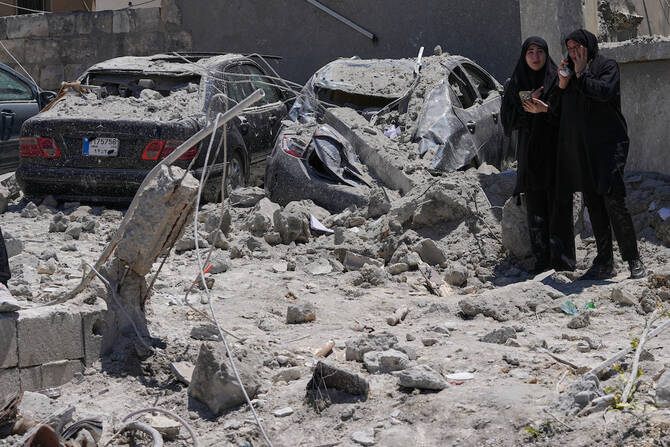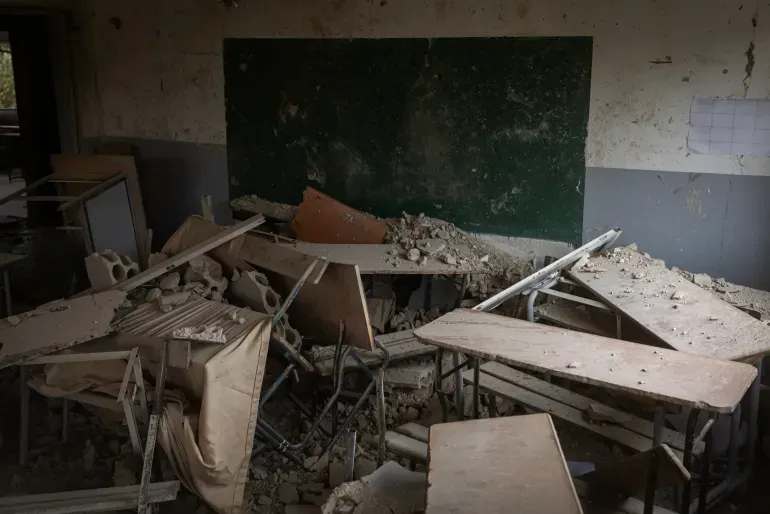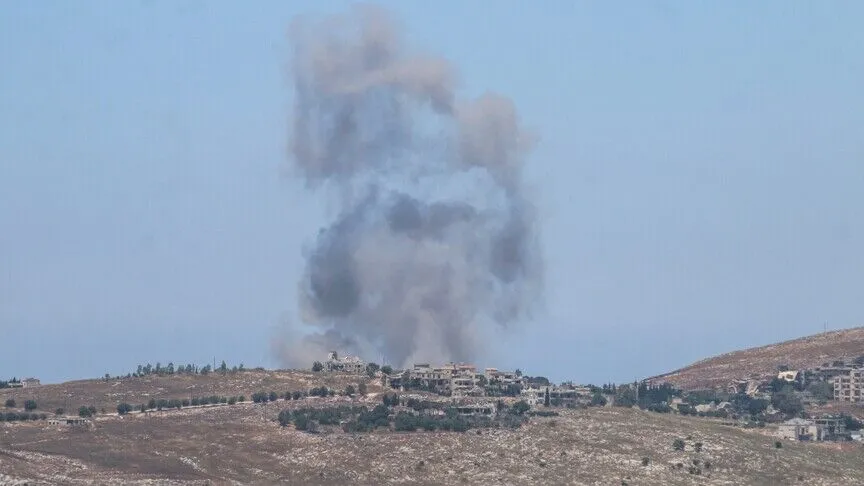
The Israeli military launched a fresh wave of airstrikes in southern Lebanon on Saturday, marking a significant escalation in cross-border hostilities. Israeli forces blew up homes in the town of Houla, located in the southern Nabatieh district. This act of destruction contributed to the widespread damage observed in the area. Separately, Israeli forces set fires in the southern border town of Khiam, with blazes subsequently spreading to homes and causing further destruction. These actions occurred as the region continues to experience significant military activity, raising concerns about the safety and stability of civilian populations. The intensity of these operations shows the volatile situation along the border, impacting numerous communities.
Escalation Despite Agreement
Despite ongoing diplomatic efforts, military actions have continued unabated. Three Israeli airstrikes specifically targeted the al-Mashaa neighborhood in the town of al-Mansouri, situated in the southern Tyre district. These strikes inflicted further damage on civilian infrastructure within the area. Separately, an Israeli drone strike was reported in the town of Kfar Tebnit, adding to the list of targeted locations. In the latest offensive, Israeli troops advanced more than 10 kilometers (6.2 miles) into Lebanese territory, marking a deeper incursion than previous operations. These significant actions contribute to the ongoing military engagements in southern Lebanon, demonstrating persistent operational activity by Israeli forces. The expansion of ground operations further complicates the already tense security landscape.
Broader Context of Conflict
Israeli forces continue to occupy parts of southern Lebanon, contributing to persistent tensions in the border region. This ongoing presence is a key element in the broader context of the conflict between Israel and Lebanese factions, acting as a constant source of friction. The sustained occupation has been a flashpoint, frequently cited by groups operating within Lebanon as a justification for their actions and a reason for continued resistance. It also significantly complicates international efforts aimed at de-escalation and the establishment of a lasting peace along the border. The presence of Israeli troops beyond internationally recognized lines remains a significant point of contention, impacting regional stability and the prospect of a full resolution. This protracted situation poses substantial challenges to any long-term peace initiatives.
US-Brokered Withdrawal Framework
Lebanon and Israel last month signed a framework agreement, sponsored by the United States, which outlines a phased Israeli withdrawal from Lebanese territory. This diplomatic breakthrough was intended to address the long-standing issue of Israeli military presence in parts of southern Lebanon, offering a potential pathway to resolution. This diplomatic development occurred amidst heightened military activity in the region, with both sides engaging in cross-border actions even as negotiations proceeded. The US-brokered framework represents an effort to de-escalate tensions and establish a clearer pathway for the resolution of territorial disputes between the two nations, aiming to provide a structured approach to disengagement. The terms of the withdrawal and its implementation are expected to be a subject of ongoing discussions and complex negotiations between the involved parties, noting the delicate nature of the peace process.
Humanitarian Impact and Occupation
Israeli attacks on Lebanon have resulted in significant casualties, with the Lebanese Health Ministry reporting more than 4,300 people killed since March 2. Additionally, over 12,000 individuals have been injured during the same period, according to the ministry's data. These alarming figures highlight the severe humanitarian impact of the ongoing military actions in the region, showing the profound human cost of the conflict. The Lebanese Health Ministry's data shows the scale of the crisis, reflecting the profound human cost borne by the civilian population amidst the persistent conflict and military operations. The sustained operations have led to a critical situation for residents in affected areas of Lebanon, with many facing displacement, loss of livelihood, and severe health challenges. The continuous violence has created an urgent need for humanitarian aid and protection for those caught in the crossfire.