A team of UN human rights investigators is on the ground in Lebanon, collecting evidence on conflict violations committed by all parties since March 2. The mission's deployment was announced on June 10 by UN High Commissioner for Human Rights Volker Turk. Turk stated, "It’s the first time that we are sending this assessment mission, and the idea is, indeed, to look at violations by all parties — violations of international law, violations of international human rights law, and to document this, and eventually to report back to you on our findings." This critical mission marks a significant step in the United Nations' ongoing efforts to monitor and report on human rights situations in conflict zones. The deployment was established upon agreement between the UN Human Rights Office and the government of Lebanon, ensuring a collaborative approach to the investigation.
The UN Human Rights Office mission will seek access to areas impacted by hostilities on both sides of the Lebanese-Israeli border. This full scope is designed to ensure a balanced and thorough investigation of all alleged violations. Turk emphasized that accountability "cannot be overstated," calling for "prompt and independent investigations into alleged violations." He showed the necessity of holding perpetrators responsible for breaches of international law, noting the long-term implications for justice and peace in the region. The team's presence in Lebanon signifies a direct commitment to documenting the human cost of the conflict and laying the groundwork for future accountability mechanisms.
Mission Scope and Mandate
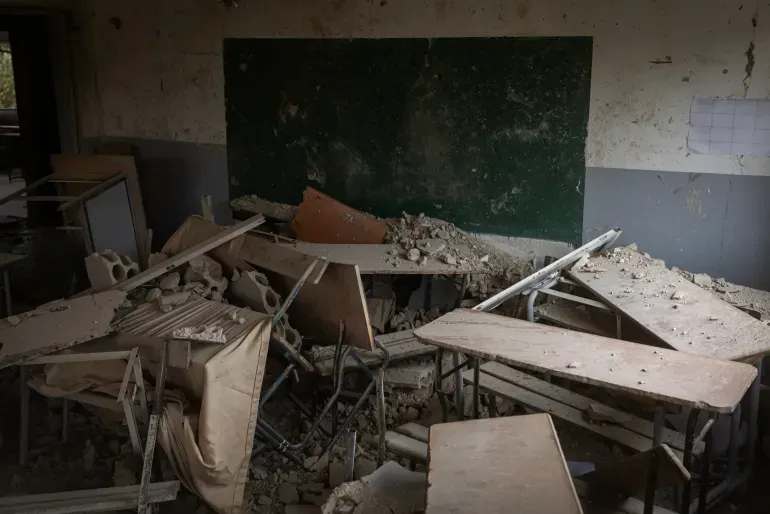
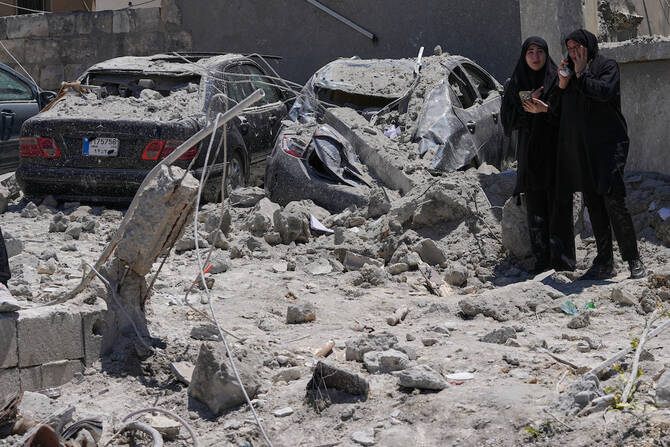
An OHCHR report published in April documented violations that occurred during the first three weeks of the escalation. That report detailed incidents where strikes hit and, in some cases, levelled multi-story residential buildings, resulting in the deaths of entire families. The OHCHR report also documented Hezbollah firing unguided rockets into Israeli residential areas, causing damage to buildings and civilian infrastructure. These initial findings show the severe impact of the conflict on civilian populations and infrastructure on both sides of the border. The April report also found that Israeli operations involved cases of direct attacks on civilians, including medical personnel, which may constitute serious violations of international humanitarian law. This early documentation sets a precedent for the detailed evidence collection now being undertaken by the on-the-ground team.
The UN human rights investigators arriving in Lebanon will not pursue prosecutions directly. Their office conducts human rights investigations, not criminal investigations. This distinction means the team's mandate focuses on documenting alleged violations of international human rights law and international humanitarian law to inform future accountability efforts, rather than initiating legal proceedings themselves. Their work is key for establishing a factual record that can be utilized by other bodies or future legal processes. The objective is to provide an impartial and full account of events, ensuring that abuses do not go unrecorded.
Attacks on healthcare facilities and personnel in Lebanon since March 2 have been severe. These incidents have resulted in 135 deaths and 394 injuries among on-duty medical workers. The investigation team will likely incorporate these findings into their broader documentation of the conflict's impact on civilian infrastructure and non-combatants. The scope of their mission includes gathering evidence on violations by all parties involved in the conflict along the Lebanese-Israeli border. Their work aims to provide a full record of the human rights situation, laying groundwork for future reporting and potential accountability mechanisms. This includes meticulously recording individual incidents, their impact, and the broader patterns of violations observed.
Background and Previous Findings
The UN Human Rights Office (OHCHR) previously reported that Israeli operations included instances of direct attacks on civilians, among them medical personnel. The OHCHR report indicated that these strikes could constitute serious violations of international humanitarian law. These findings from the April report are critical context for the current mission, as they highlight specific areas of concern that the new team will further investigate and document. The consistency in reporting on these types of violations emphasizes the ongoing nature of these concerns within the conflict.
The Lebanese Ministry of Public Health has documented at least 3,798 people killed and 11,781 injured since March 2 in Lebanon. Concurrently, the World Health Organization’s surveillance system has recorded at least 203 attacks impacting healthcare infrastructure and services across Lebanon during the same period. These figures paint a stark picture of the devastating human cost of the conflict, demonstrating the urgent need for a thorough investigation into all alleged violations. The significant number of casualties and attacks on vital services shows the widespread suffering endured by the civilian population.
In one notable incident, Lebanese journalist Amal Khalil was killed and photographer Zeinab Faraj was wounded in an Israeli strike in south Lebanon. This event shows the risks faced by civilians and media professionals in the conflict zone. Such incidents highlight the importance of documenting specific cases to illustrate the broader patterns of harm. The mission will aim to gather evidence on these and other similar events, ensuring that individual stories of loss and injury are included in the overall report.
The escalation also led to significant displacement, with more than a million people displaced nationwide at its peak. This mass displacement notes the widespread humanitarian impact of the conflict on the civilian population. The disruption to lives, livelihoods, and access to essential services for such a large number of people represents a major human rights concern that the investigation will undoubtedly address. Understanding the scale and nature of displacement is key for assessing the full impact of the conflict.
Investigative Process and Limitations
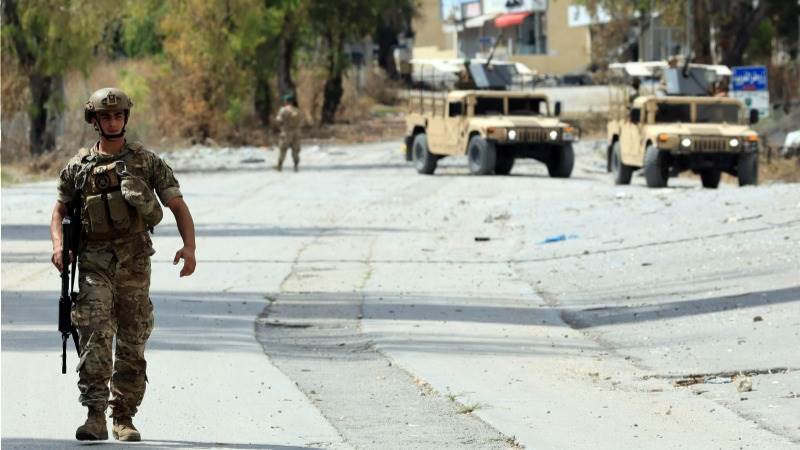
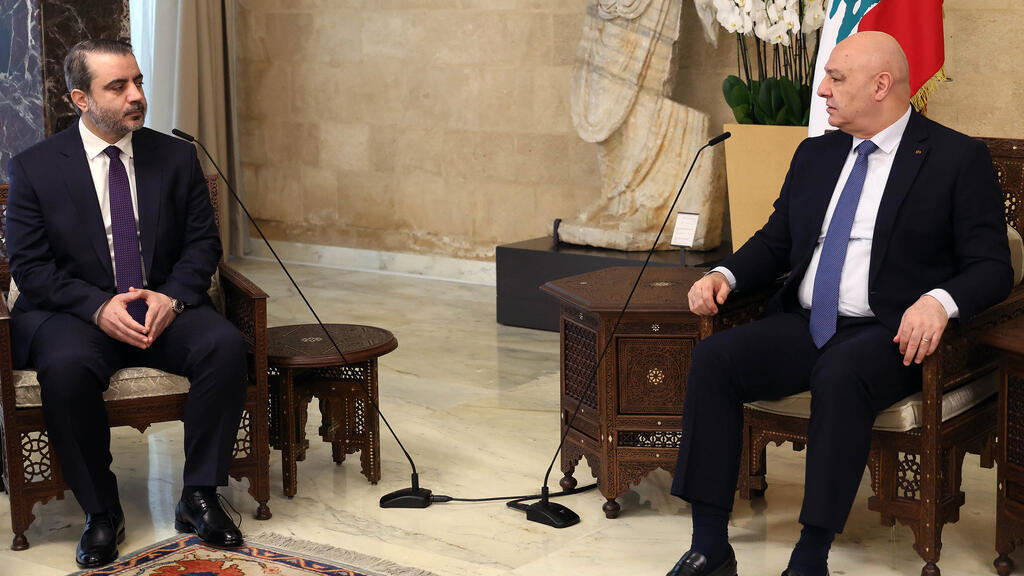
Beirut granted guarantees for the deployment of the UN Human Rights Office mission. The mission's presence in Lebanon was established through an agreement between the UN Human Rights Office and the Lebanese government. This collaboration facilitates the team's ability to operate within the country and conduct its documentation efforts, ensuring necessary access and security for the investigators. The guarantees provided by the government are essential for the mission's operational effectiveness and its ability to reach affected areas and interview witnesses without undue obstruction. This level of cooperation is vital for any human rights investigation seeking to gather full and reliable evidence.
The UN team is expected to remain in Lebanon for several months, during which they will focus on collecting information related to alleged violations of international law and international human rights law. The extended duration of their stay shows the full nature of the inquiry, allowing for in-depth evidence gathering across affected areas. This period will enable the investigators to systematically document incidents and gather testimonies from various sources, including victims, witnesses, and local authorities. The multi-month timeline is indicative of the complexity and scale of the violations requiring investigation, ensuring that the team has ample time to conduct its work thoroughly and diligently.
Information collected by the mission will be preserved for future accountability processes. This preservation ensures that documented violations can be used in subsequent legal or investigative actions, even if the current mission does not directly pursue prosecutions. The primary objective is to build a strong evidentiary base that can support efforts to hold perpetrators accountable in the long term, aligning with the UN Human Rights Office's broader mandate of promoting human rights and justice. The careful collection and safeguarding of evidence are critical steps in this process, providing a foundation for future justice initiatives. This commitment to preserving evidence is a cornerstone of the mission's long-term impact, ensuring that the findings can contribute to lasting accountability.