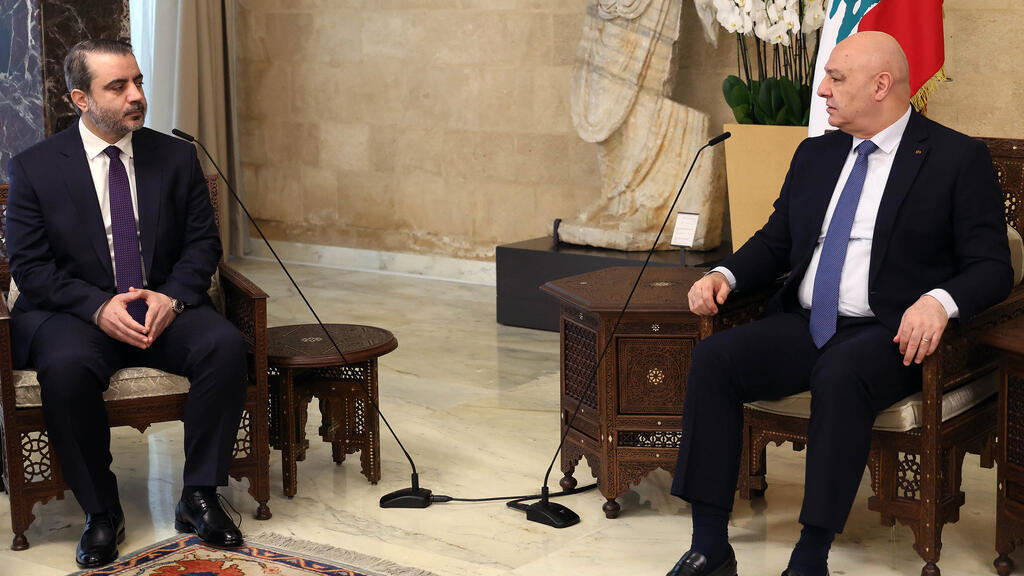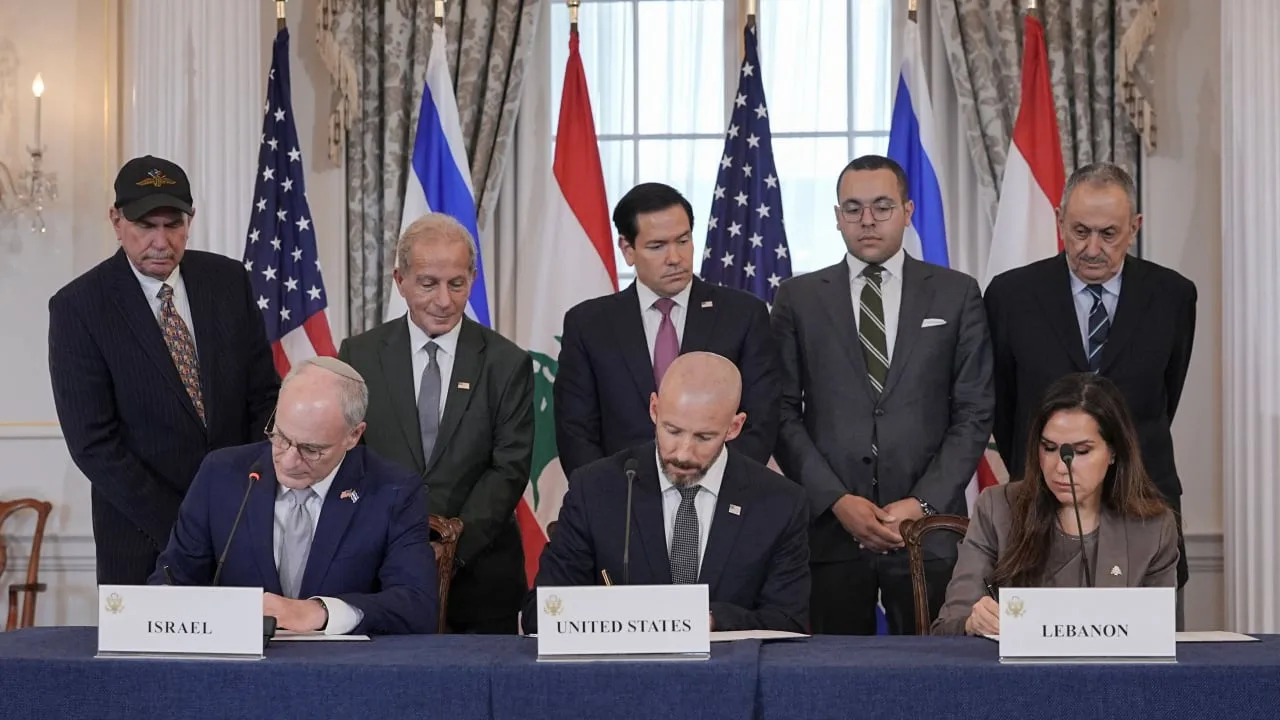
An agreement known as the "Trilateral Framework" was signed last Friday, July 3, 2026, between Israel, Lebanon, and the US, aiming to establish a peace framework between the two nations. The Trilateral Framework agreement was specifically signed between Israel, Lebanon, and the US. US President Donald Trump signed the Trilateral Framework, which contains 14 distinct points, along with a separate Iran MoU. The framework calls for mutual recognition between Israel and Lebanon, a key tenet of the proposed peace. Prime Minister Benjamin Netanyahu and Lebanese President Joseph Aoun have both publicly endorsed the framework, signaling a commitment from both national leaders. This endorsement notes the political will behind the initiative, despite the complex historical backdrop. The agreement seeks to redefine the relationship between the two states, moving towards a more stable future.
Historical Context of Conflict
The "Good Fence" was established in June 1976 during the Lebanese Civil War, creating a crossing near Metula that became a symbol of the border interaction. The "Good Fence" between Israel and Lebanon was erected in June 1976, during the tumultuous period of the Lebanese Civil War, marking a significant, albeit informal, point of contact between the two nations. The crossing near Metula specifically symbolized the Good Fence, representing a unique period of interaction. In June 1982, the First Lebanon War began, further altering the regional landscape. This conflict had profound and lasting effects on both countries. Israeli forces later withdrew from Lebanon in May 2000 under Prime Minister Ehud Barak’s administration, a move that concluded a prolonged military presence in southern Lebanon.
The Second Lebanon War started 20 years ago this month, in July 2006, following Hezbollah’s cross-border attack on Israeli soldiers, which killed eight and abducted two. This Hezbollah attack on Israeli soldiers served as the immediate catalyst for the outbreak of hostilities. The conflict erupted in July 2006, marking a violent escalation in the ongoing tensions. Hezbollah’s assault that triggered the Second Lebanon War came a month after Gilad Schalit was abducted to Gaza by Hamas, illustrating interconnected regional security challenges and the broader pattern of militant actions. That conflict concluded with UN Resolution 1701, a landmark resolution aimed at establishing a lasting ceasefire. The resolution mandated the Lebanese government to deploy the Lebanese Armed Forces (LAF) south of the Litani River, a critical provision intended to create a buffer zone and assert state control. The implementation of UN Resolution 1701 was seen as key for restoring stability to the region. More recently, Yair Lapid’s deal with Lebanon was signed in October 2022 during the final days of his term, concurrently with the outgoing Lebanese president Michel Aoun. That agreement, signed in October 2022, focused on maritime border demarcation, showcasing previous attempts at diplomatic resolution.
Framework Details and Goals
Clause 8 of the Israel-Lebanon Trilateral Framework agreement states: "The two countries affirm that they share the objective of a secure, rebuilt Lebanon, under full Lebanese state sovereignty, in which no non-state armed group poses a threat to Israel, Lebanon, or citizens of either country. The two countries recognize that the restoration of security in South Lebanon through the deployment of the LAF [Lebanese Armed Forces], the safe return of its civilian population, and the security of Israel’s northern communities, are essential to long-term stability and peace." This clause specifically outlines a shared vision for a stable and sovereign Lebanon, free from the destabilizing influence of non-state actors. The emphasis on the full Lebanese state sovereignty is a core component of the agreement's long-term objectives. The framework's provisions show the importance of the LAF's role in securing southern Lebanon and ensuring the safety of both Lebanese civilians and Israeli communities along the border. The safe return of its civilian population to South Lebanon is explicitly mentioned as a critical element for regional peace. The security of Israel’s northern communities is also noted as an essential prerequisite for lasting stability.
Additional clauses within the framework aim to prevent Hezbollah from receiving reconstruction funds, a measure designed to curb the group's financial capabilities and influence. Other clauses explicitly aim to prevent Hezbollah from receiving reconstruction funds, thereby limiting a potential source of its power. The agreement also stipulates that parties refrain from international legal and diplomatic action against each other, fostering an environment of mutual respect and reducing avenues for conflict escalation. This commitment to avoiding international legal and diplomatic action is intended to create a more cooperative bilateral relationship. An agreement calls for a pledge to work towards the search for and return of remains and the release of detainees, possibly referring to IAF navigator Ron Arad, who was shot down over Lebanon in 1986. This humanitarian aspect reflects a desire to resolve long-standing issues and provide closure for families affected by past conflicts. The reference to IAF navigator Ron Arad shows the specific and deeply personal nature of these unresolved cases, which have remained a point of contention for decades. The framework addresses these sensitive issues as part of a broader push for reconciliation.
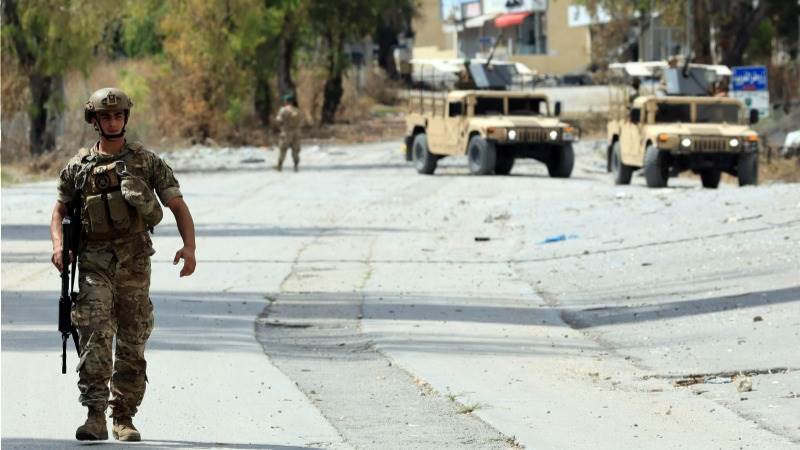
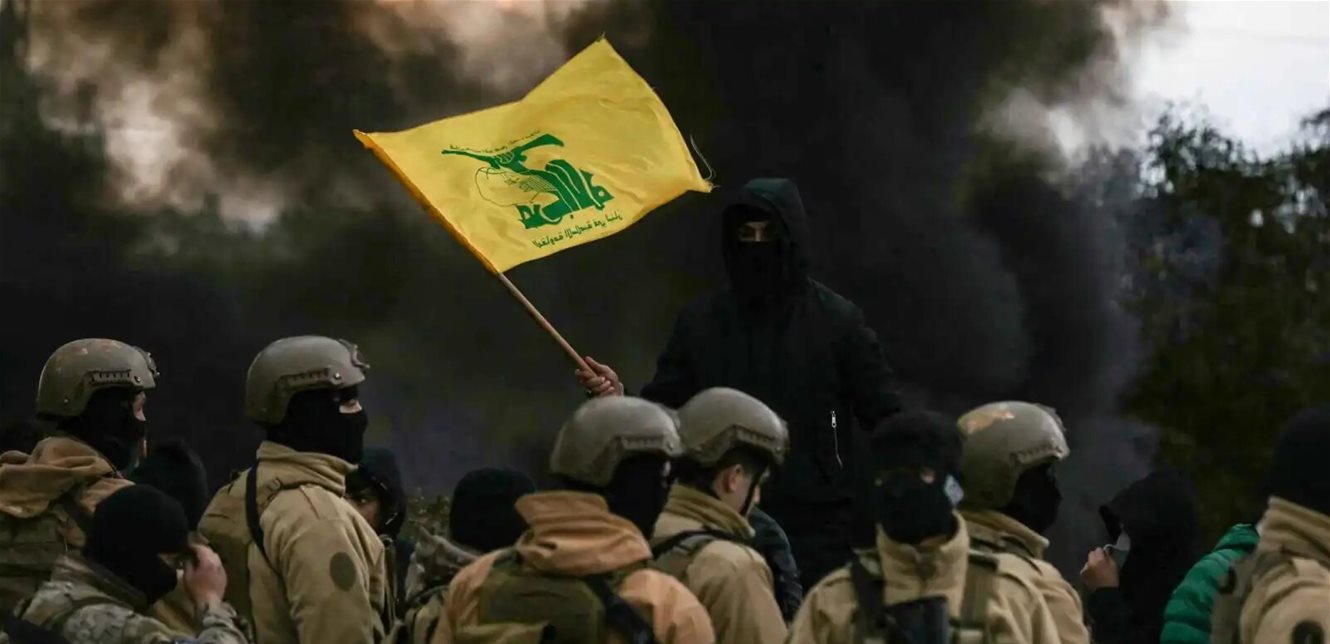
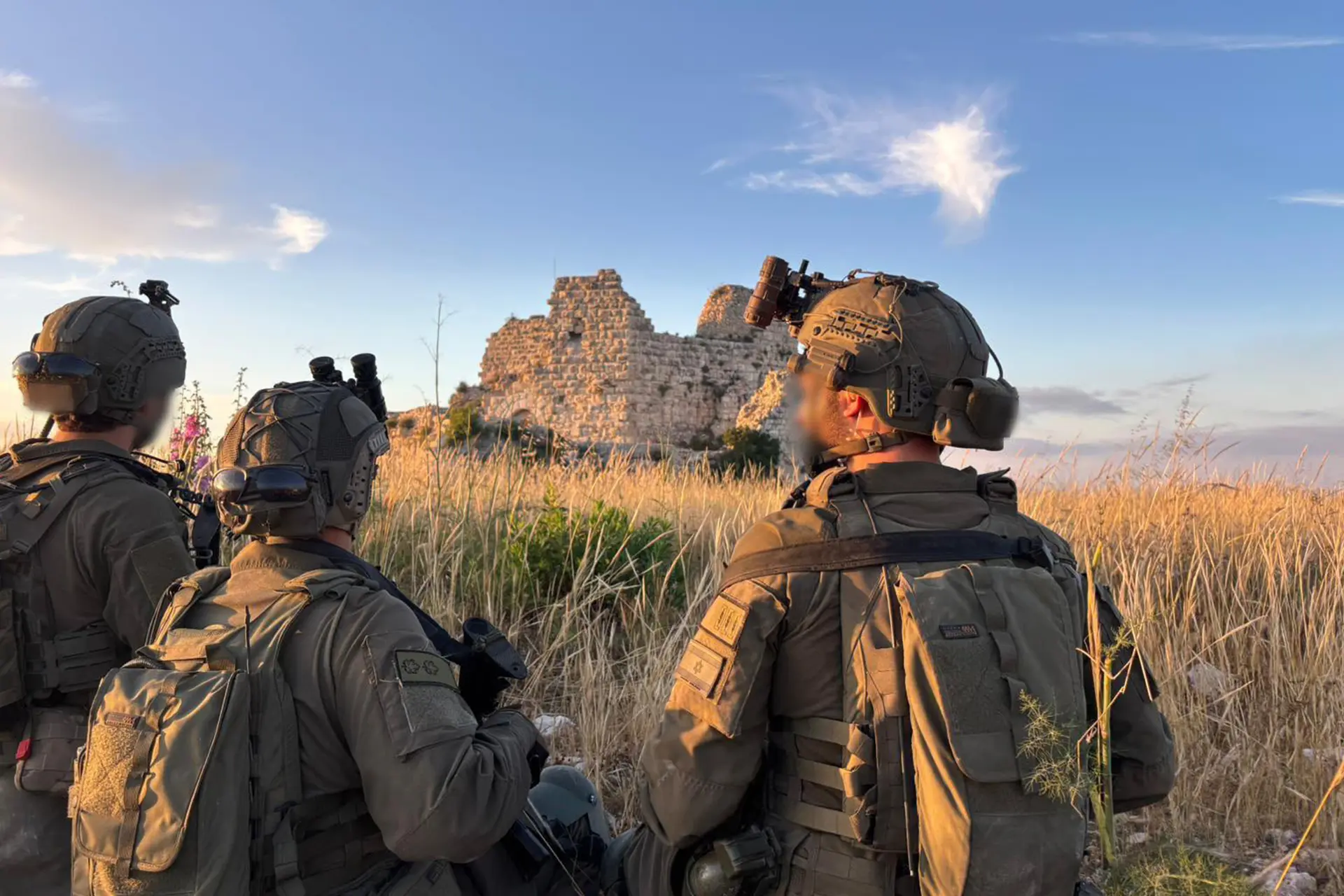
The agreement calls for an Israeli withdrawal from two "pilot" areas along the border. However, it permits the continued presence of the Israel Defense Forces (IDF) within the current security buffer zone, indicating a careful balance between disengagement and maintaining security interests. This provision allows for a phased approach to border adjustments while ensuring Israel's defensive posture. A key component of the framework involves the Lebanese Armed Forces (LAF), which is meant to disarm Hezbollah and prevent its border stranglehold. This process would be subject to US-supervised verification, adding an international layer of oversight to ensure compliance. The LAF's role in disarming Hezbollah is central to the framework's security objectives, aiming to diminish the influence of non-state armed groups. Hezbollah constructed terror tunnels in Lebanon, which were intended to be used for attacks on Israeli communities, similar to the reasons Hamas built tunnels in Gaza. These terror tunnels were a significant threat, designed to facilitate cross-border incursions. Hezbollah built terror tunnels in Lebanon for the same reason Hamas built them in Gaza: to attack Israeli communities, demonstrating a shared strategy among certain militant groups. The US-supervised verification process is critical to ensuring the LAF's effective implementation of its mandate.
Regional Power Dynamics
A Memorandum of Understanding was signed last month between the United States and Iran, with Pakistan and Qatar serving as mediators. That Iran MoU also contains 14 points, similar to the Israel-Lebanon framework, indicating a parallel diplomatic effort in the region. US President Donald Trump signed both the Trilateral Framework and the Iran MoU, personally endorsing these significant diplomatic initiatives. The fact that US President Donald Trump signed the Iran MoU notes the direct involvement of the United States at the highest level in these regional negotiations. Some observers suggest the new Israel-Lebanon agreement may have sidelined Iran, potentially limiting its influence in the region, particularly in Lebanon. The Israel-Lebanon agreement might have sidelined Iran by addressing issues directly between the involved parties, bypassing traditional Iranian channels of influence.
French President Emmanuel Macron was reportedly kept out of the room during the negotiations for the Israel-Lebanon agreement, indicating a shift in diplomatic engagement for this particular framework. The exclusion of French President Emmanuel Macron from the negotiations for the Israel-Lebanon agreement suggests a deliberate choice in the diplomatic architecture of this specific deal. This move could signify a re-evaluation of traditional diplomatic roles in the region. Historically, Hezbollah’s assault that triggered the Second Lebanon War came a month after Gilad Schalit was abducted to Gaza by Hamas, illustrating interconnected regional security challenges and the complex web of militant actions. This historical context provides insight into the enduring and often intertwined nature of conflicts in the Middle East.
More recently, the ongoing 2024 conflict saw a "pager campaign" which significantly impacted Hezbollah's top cadre. This campaign involved a series of strategic actions that severely degraded Hezbollah's operational capabilities. The "pager campaign" eliminated much of Hezbollah’s top cadre, dealing a substantial blow to the organization's leadership structure. This was followed by the targeted elimination of Hezbollah leader Hassan Nasrallah and his successor, further disrupting the group's command and control. The targeted elimination of Hezbollah leader Hassan Nasrallah and his successor represented a major turning point in the conflict. These events have altered the power balance within the region, potentially influencing the viability and implementation of the Israel-Lebanon peace framework by weakening a key spoiler. The significant changes in Hezbollah's leadership and operational capacity could create new opportunities or challenges for the framework's success.