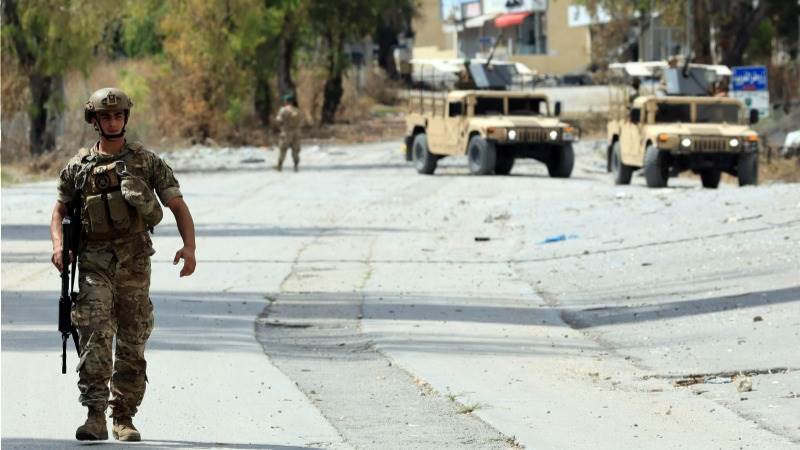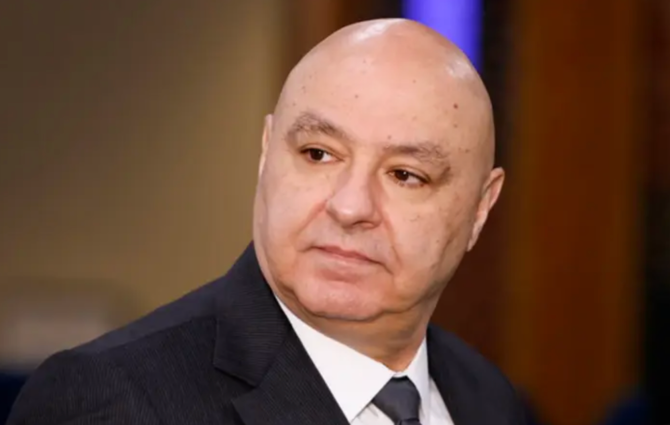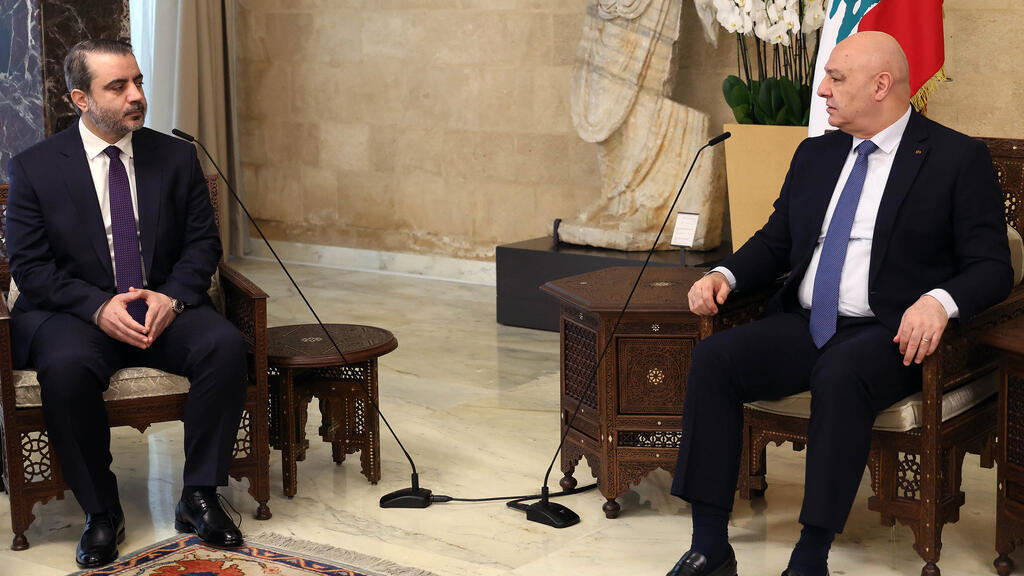
Syrian Foreign Minister Asaad al-Shaibani informed Lebanese President Joseph Aoun on Thursday that Damascus has no intention of military intervention in Lebanon. The explicit declaration from the Syrian foreign minister aimed to clarify Syria's current foreign policy stance towards its western neighbor. The statement came as a high-level committee was announced, tasked with developing economic partnerships and security agreements between Syria and Lebanon. This commitment marks a significant diplomatic development, particularly in light of historical precedents, recalling the Syrian army's extensive intervention in Lebanon during its civil war in 1976. That earlier intervention saw Syrian forces establish a substantial presence in Lebanon for nearly three decades, deeply influencing Lebanese political and security affairs.
Mr. Al-Shaibani emphasized the forward-looking nature of the discussions, stating, "This visit lays the foundation for a new phase in relations with Lebanon and the different Lebanese political factions based on partnership and cooperation." The establishment of the joint committee aims to foster closer ties and address shared concerns between the two neighboring nations, signifying a renewed effort to build a more stable and cooperative relationship. The committee's mandate extends to exploring new avenues for economic collaboration, which could include trade agreements, infrastructure projects, and shared resource management, alongside strengthening security coordination on their extensive border.
Diplomatic Outreach and Reassurance
Syrian President Ahmed al-Sharaa affirmed that he has no intention of intervening in Lebanon or reopening past conflicts. His remarks show a strategic pivot in Syria's regional posture, seeking to reassure its neighbors of a non-interventionist approach. This position from the highest office in Syria is intended to signal a clear break from previous policies that often involved direct engagement in Lebanese internal affairs. President al-Sharaa's commitment to avoiding past disputes aims to foster an environment of trust and stability in the bilateral relationship.
His statements came as Syrian Foreign Minister Asaad al-Shaibani extended a formal invitation to Lebanese President Joseph Aoun to visit Syria, signaling a desire for normalized relations and high-level diplomatic exchanges. This invitation is seen as a key step towards rebuilding official state-to-state ties, moving beyond the often strained and complex relationship of the past. A potential visit by President Aoun would represent a significant milestone in the diplomatic rapprochement between Beirut and Damascus.
Mr. Al-Shaibani also held discussions with Lebanese parliament speaker Nabih Berri, a key ally of Hezbollah, during his visit. This engagement with various political figures across the Lebanese political spectrum shows Syria's full diplomatic efforts in Lebanon, aiming to establish dialogue with all significant parties. The meeting with Mr. Berri is particularly noteworthy given his influential position and his close ties to a group that has historically been a strong ally of the previous Syrian government. Mr. Al-Shaibani had previously traveled to Lebanon in October as part of ongoing bilateral exchanges, demonstrating a sustained commitment to diplomatic engagement. These earlier discussions laid groundwork for the current high-level visit and the significant announcements made. Further reinforcing diplomatic ties, Lebanese Prime Minister Nawaf Salam visited Syria in May, engaging in high-level talks between the two nations, which included discussions on various aspects of bilateral cooperation and regional stability.
Context and Shifting Alliances
US President Donald Trump has repeatedly stated that Syria possesses the capacity to "take care of Hezbollah." This claim from the US administration has emerged amidst evolving regional dynamics, suggesting Washington's perspective on Syria's potential role in managing the influence of the powerful Lebanese political party and militant group. The US stance notes international attention on the relationship between Damascus and Hezbollah, particularly in the context of broader regional security concerns.
Damascus authorities have reported thwarting multiple attempts to smuggle weapons into Lebanon since late 2024. These interceptions show ongoing security concerns at the border between the two nations, noting efforts by Syrian forces to control illicit movements of materiel. The specifics of the foiled attempts, including the types of weapons involved, have not been fully disclosed by Syrian officials, but their occurrence points to persistent challenges in border security and the flow of contraband. These security operations along the shared frontier are part of a broader effort by the new Syrian administration to assert control and regulate cross-border activities.
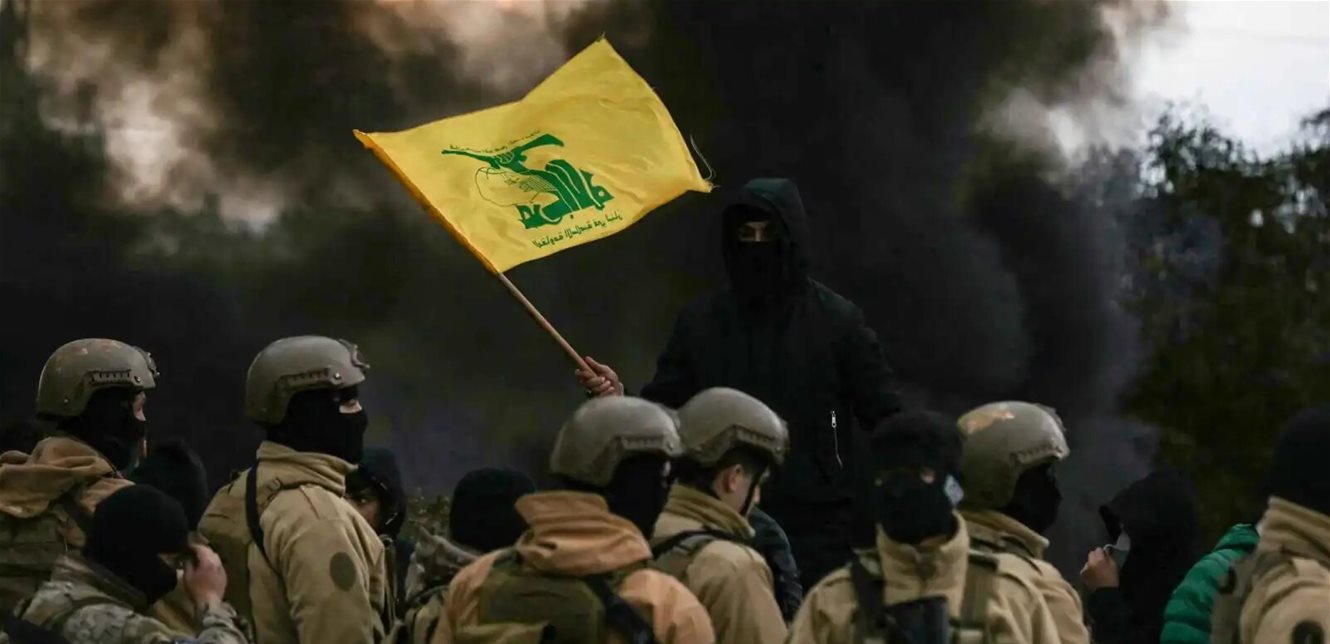
The new Syrian authorities have expressed a stance hostile to Hezbollah. This position marks a significant shift in the relationship between Damascus and the powerful Lebanese group, which has historically been allied with the Syrian government under previous leadership. For decades, Hezbollah maintained a strong strategic partnership with the Syrian regime, particularly during the Syrian civil war, where Hezbollah fighters played a key role in supporting government forces. The changing dynamics reflect a re-evaluation of alliances and strategic priorities within the region, indicating a potential realignment of forces and interests that could have broad implications for regional stability. This declared hostility represents a departure from the previous era of close military and political cooperation.
Local Reactions and Historical Echoes
Syrian Foreign Minister Asaad al-Shaibani informed reporters that he did not rule out the possibility of a future meeting with Hezbollah, indicating potential avenues for dialogue despite the new Syrian authorities' stated stance hostile to the group. This nuanced position suggests that while the new Syrian leadership has adopted a critical posture towards Hezbollah, it is not entirely closing the door to future engagement, perhaps recognizing the group's significant influence in Lebanon. Such a meeting, if it were to occur, would likely be a highly scrutinized diplomatic event.
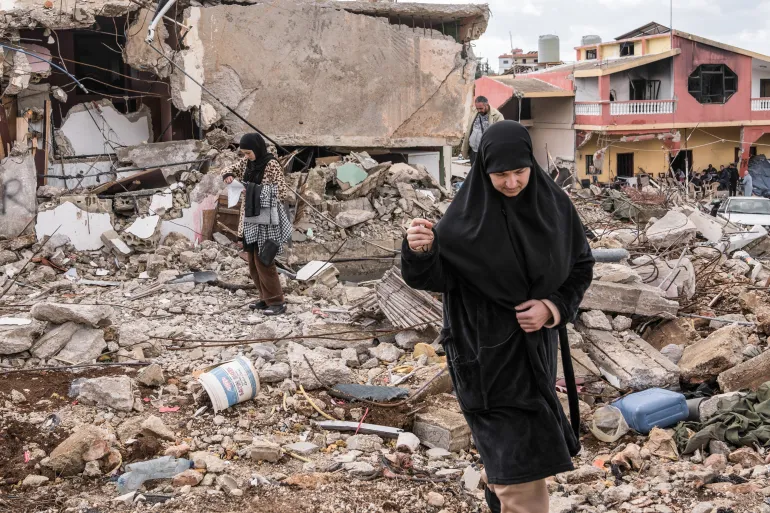
The diplomatic overtures generated varied reactions within Lebanon, reflecting the country's complex political landscape and historical memory. Samy Gemayel, who leads one of the prominent Christian parties, acknowledged the shift in Syrian leadership while reflecting on past conflicts. Gemayel stated that his party had "sacrificed thousands of martyrs in the fight against the Assad regime," a powerful reminder of the deep-seated grievances and historical animosities that many Lebanese factions hold towards the previous Syrian government. His remarks show the profound human cost of past interventions and the long-lasting impact on Lebanese society. However, despite this painful history, he also expressed a pragmatic view regarding the current diplomatic engagement, adding that his party was "welcoming today the representative of the new Syria." This response notes a complex interplay of historical grievances and the recognition of evolving regional dynamics among Lebanese political factions, demonstrating a willingness to engage with the new Syrian administration despite past conflicts, in hopes of fostering a more peaceful and cooperative future.