Israel intensified its war on Lebanon on March 2 for a second time in less than two years, displacing more than 1.2 million people at the conflict's peak. The escalation has left visible scars on southern Lebanese communities, fundamentally altering the landscape and the lives of its residents. The recent military actions have not only resulted in widespread physical destruction but have also inflicted deep psychological wounds on a population already grappling with multiple crises.
Ali, a resident of Naqoura, southern Lebanon, stood outside his house in February 2025, pointing to a crack in its foundation. His observations extended to fruit trees that had been pulled up by the Israeli military in the area, a stark symbol of the disruption to agricultural life and livelihoods. The widespread displacement and damage show the severe impact on civilian life and infrastructure in the region, affecting countless families and communities. The scenes witnessed by Ali in early 2025 were a precursor to even more extensive devastation that would follow.
Scale of Destruction
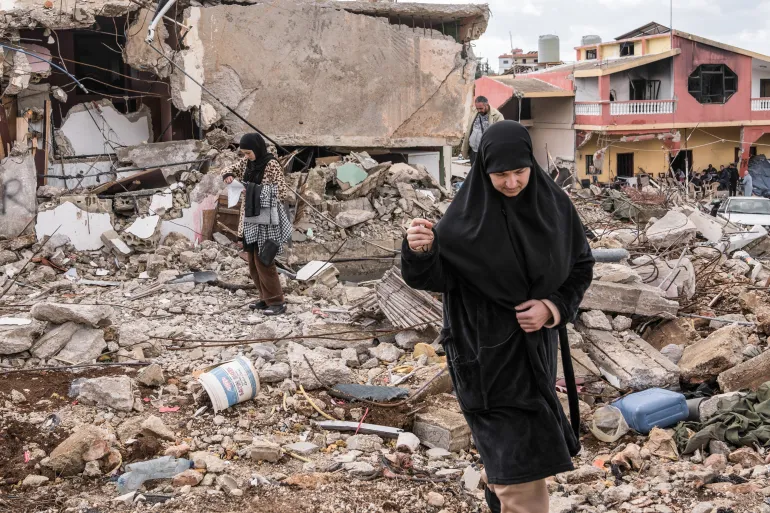
The Israeli military recently withdrew from Naqoura as part of a ceasefire agreement, revealing significant damage across the town. The aftermath included detonated homes, a school covered in graffiti, and power lines pulled from the ground, indicating a systematic campaign of destruction. These observations paint a grim picture of the conditions left behind by the retreating forces. The scale of the damage was not confined to Naqoura alone; towns including Bint Jbeil, Kfar Kila, Meiss el-Jabal, Taybeh, Deir Siryan, and Naqoura have been affected by the conflict, each bearing the marks of intense hostilities. The widespread nature of the destruction notes the extensive reach of the military operations across southern Lebanon.
A United Nations Development Programme (UNDP) assessment documented that 11,095 buildings were completely destroyed following the 2026 offensive, a staggering figure that points to the immense rebuilding challenge ahead. This assessment provides a concrete measure of the physical toll on infrastructure. Further analysis by French newspaper Le Monde, based on satellite imagery, indicated that 45 percent of urban areas in southern Lebanon have been damaged or destroyed since March 2026. This data from satellite imagery corroborates the ground-level observations and UNDP findings, illustrating the catastrophic impact on the region's urban fabric. The destruction has been so extensive that many of the tactics used by Israel to destroy towns in Lebanon were also employed in Gaza, suggesting a similar operational approach in different conflict zones. The similarities in destructive patterns raise concerns about the long-term recovery prospects for these affected areas. The systematic nature of the damage suggests a deliberate effort to render areas uninhabitable or severely impede their functionality.
Psychological Impact of Lost Identity
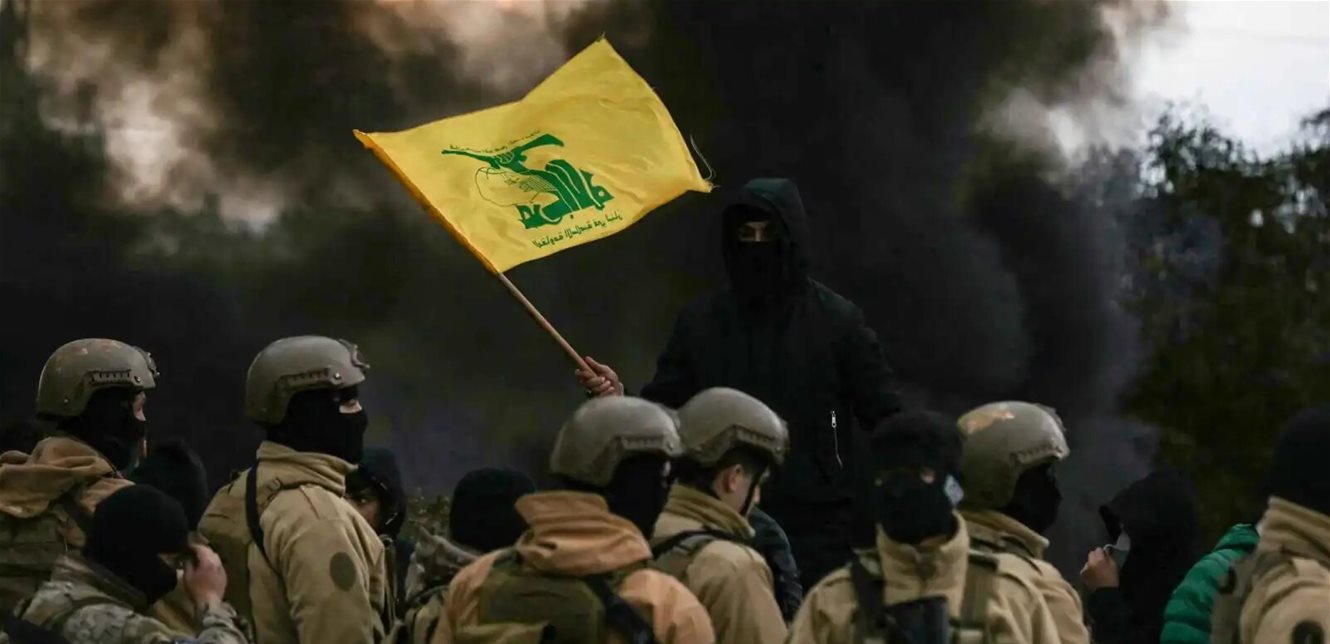
A little more than a year after Ali stood outside his house in Naqoura, Israel has completely razed the area. This complete razing signifies an escalation beyond mere damage, erasing entire communities from the map. The destruction in Naqoura follows renewed military activity in the region, demonstrating the volatile and unpredictable nature of the conflict. Israel responded to Hezbollah firing rockets by re-invading southern Lebanon and striking targets across the country. The rocket attack marked the first such action by Hezbollah against Israel in more than a year, triggering a swift and forceful Israeli reaction that led to widespread devastation. This cycle of action and reaction has perpetuated the conflict and deepened the humanitarian crisis.
The re-invasion and subsequent strikes have further exacerbated the humanitarian situation in southern Lebanon, displacing more people and destroying what little remained for many. The continuous cycle of displacement and destruction creates an environment of perpetual insecurity and trauma for the inhabitants. While the most intense fighting appears to have ceased, Israeli officials have indicated that displaced residents, including individuals like Ali, will not be permitted to return to their homes in the coming weeks. This directive prolongs the displacement for many and compounds the challenges faced by communities attempting to recover from previous damage, effectively turning temporary displacement into a long-term predicament. The inability to return home means that individuals cannot reclaim their properties, rebuild their lives, or reconnect with their communities, severing vital ties and exacerbating feelings of loss and helplessness.
The ongoing inability to return home creates further uncertainty for those whose lives have been uprooted by the conflict, adding to the psychological burden on affected populations. This prolonged displacement not only disrupts daily life but also erodes the sense of belonging and identity tied to one's homeland. For many, their homes represent more than just shelter; they are repositories of family history, cultural heritage, and community bonds. The loss of these physical spaces, coupled with the inability to return, can lead to profound feelings of grief, alienation, and despair. Children, in particular, are vulnerable to the long-term psychological effects of displacement, experiencing disruptions to their education, social networks, and overall development. The psychological scars left by such experiences often run deeper than the physical destruction, impacting generations.
Pre-existing Crises and Future Outlook
Ali was forced to flee his home when Israeli forces reinvaded in March, joining the ranks of hundreds of thousands who have been uprooted. Since March 2, Israeli actions have resulted in the deaths of 4,257 people in Lebanon and wounded more than 12,000 others, a tragic toll that notes the human cost of the conflict. The sheer number of casualties shows the intensity and lethality of the military operations. The recent conflict adds to a series of crises that have deeply affected the Lebanese population in recent years, making recovery an increasingly daunting task.
Lebanon has endured significant hardship, including a 2019 uprising and crackdown followed by a banking and economic crisis, the devastating 2020 port explosion, and now almost three years of war. These events have compounded the challenges faced by its residents, creating a complex web of interconnected crises that undermine stability and well-being. The economic crisis, in particular, has crippled the country's infrastructure and public services, making it even harder for communities to cope with the added burden of conflict. The cumulative impact of these successive shocks has left the population vulnerable and exhausted, with limited resources to address new challenges.
Currently, Israel occupies approximately 6 percent of Lebanese territory, a persistent point of contention and a source of ongoing instability. This occupation further complicates efforts towards peace and recovery, as it represents a tangible loss of sovereignty and control for Lebanon. The cumulative impact of these crises has taken a toll on the mental well-being of the population, leading to widespread psychological distress. A 2022 study conducted by Lebanese researchers identified high rates of mental health disorders among the populace, including depression, anxiety, and post-traumatic stress. This research provides empirical evidence of the profound psychological toll these crises have exacted. The combination of conflict, economic hardship, and displacement creates a fertile ground for mental health issues, requiring urgent and sustained support for the affected communities. The future outlook for these communities remains uncertain, with the immediate priority being the provision of humanitarian aid and mental health services, alongside long-term reconstruction efforts.