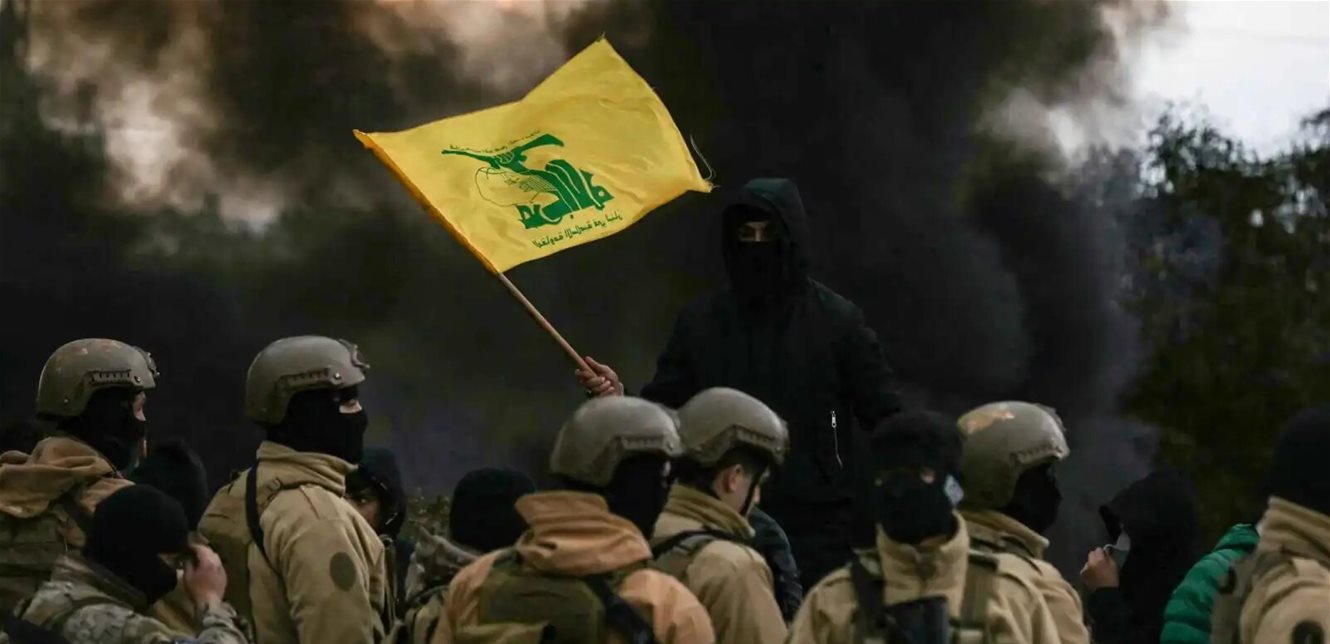
US President Donald Trump reportedly agreed to a critical demand from Tehran to curb the Israeli military campaign against Hezbollah in Lebanon, according to The Washington Post. This agreement was reportedly a key component of Trump's broader effort to end the war with Iran. The commitment to immediately cease fighting in Lebanon was a central element in Trump's agreement with Iran, as reported by The Washington Post. The deal aimed to facilitate the reopening of the Strait of Hormuz for global trade, a vital waterway for international commerce. Following this development, Israeli attacks against Hezbollah have reportedly lessened, signaling a potential de-escalation in the ongoing conflict.
In Lebanon, concerns are mounting over the potential for a new conflict between Hezbollah and the Lebanese government, or a resurgence of the civil war that devastated the country from 1975 to 1990. The delicate internal balance of power within Lebanon is now under intense scrutiny, with many fearing that the recent agreement could destabilize the nation further. The specter of past conflicts, particularly the brutal civil war that tore the country apart for 15 years, looms large over current political discussions and public sentiment. This historical context amplifies the anxieties surrounding any shifts in the regional security landscape.
Deal's Genesis and Terms
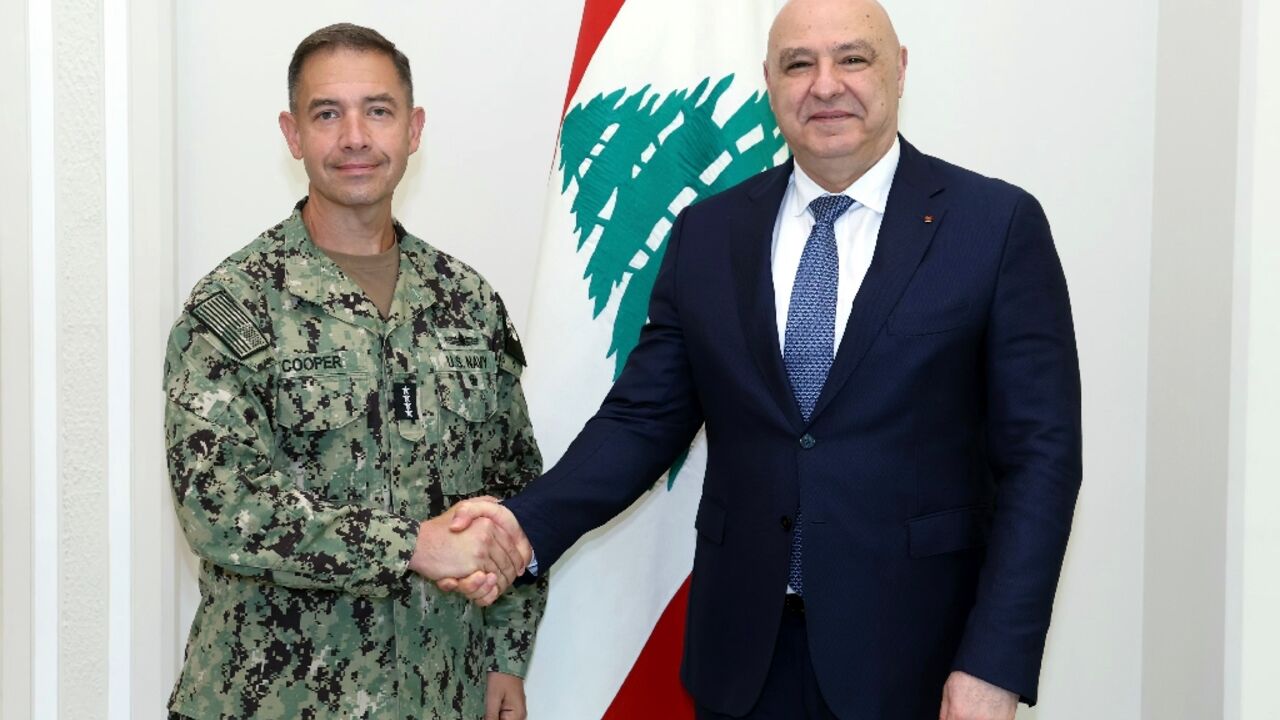
The Lebanese government and Israel reached an agreement mediated by the White House on Friday, according to reports. The agreement stipulated that Israeli forces could remain in southern Lebanon until Hezbollah was disarmed and the Lebanese army regained control of the area. This provision notes a complex and contentious issue, as Hezbollah remains a powerful, heavily armed non-state actor within Lebanon. The presence of Israeli forces, even under these conditions, is a point of significant friction. Hezbollah, a significant player in the region with considerable military and political influence, was notably not a party to these negotiations. Its exclusion from the direct talks raises questions about the long-term viability and enforceability of any agreement impacting its operational territory and political standing.
Separately, Iran had insisted on Israel's complete withdrawal from Lebanon, as outlined in a memorandum of understanding. This demand shows Iran's strategic interest in the region and its support for Hezbollah. However, Israel maintained that its conflict with Hezbollah should be resolved through a distinct diplomatic process, separate from any broader agreements concerning Iran. This difference in approach created a diplomatic challenge, as both sides held firm to their respective positions.
An agreement signed with Iran on June 17 had initially called for Israel to withdraw from Lebanon, reflecting Iran's primary demand. However, a week later, President Donald Trump agreed to a new deal, which altered the terms significantly. This subsequent agreement gave Israel leeway to maintain its forces in the region, a key concession for Israeli security interests. By allowing Israeli forces to remain, the new deal placed the primary responsibility for resolving the crisis on the Lebanese government and Hezbollah. This shift in responsibility effectively transferred the burden of disarming Hezbollah from an external force to internal Lebanese actors, a task fraught with immense political and military difficulties. The implications of this revised agreement are profound, as it directly impacts the sovereignty of Lebanon and the internal dynamics of its political and military landscape. The conditional nature of Israel's withdrawal, tied to the disarmament of Hezbollah and the Lebanese army's control, sets a high bar for any resolution.
Lebanon's Internal Dilemma
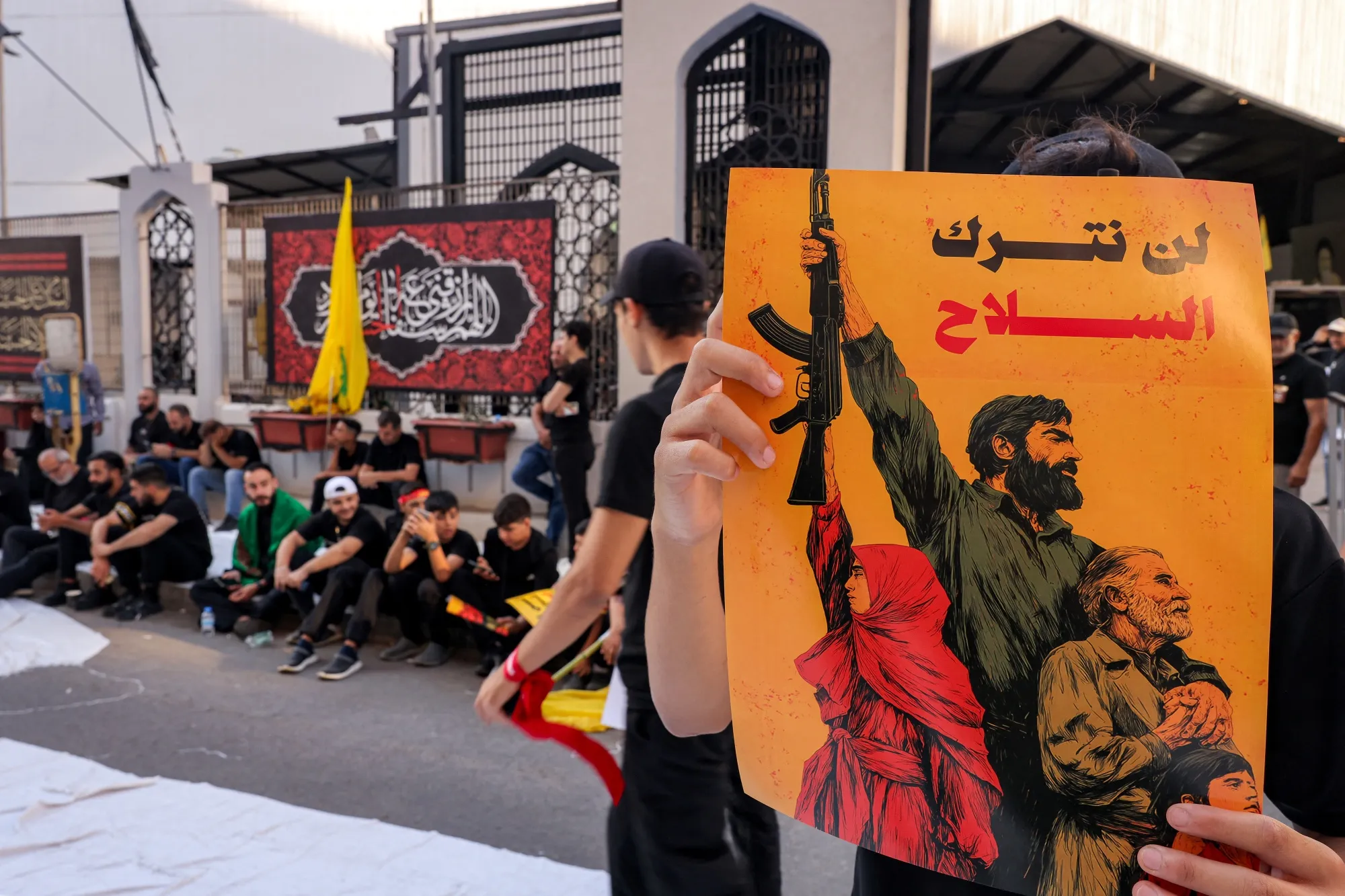
Hezbollah warned Lebanese authorities that the agreement could ignite a civil war within the country. This warning notes the deep divisions and potential for internal conflict that exist within Lebanon, particularly concerning the role and disarmament of Hezbollah. The group's strong stance suggests a clear unwillingness to comply with demands for disarmament, setting the stage for potential confrontation. Dennis After, a former Israeli intelligence official specializing in Iranian affairs, observed that Israel is fully aware that the Lebanese armed forces are unlikely to disarm Hezbollah in the foreseeable future. This assessment speaks to the practical realities on the ground, where Hezbollah's military capabilities and political entrenchment far surpass those of the official Lebanese army in many respects.
Hilal Khashan, a political science professor at the American University in Beirut, stated that the agreement contained unequal terms because "Lebanon had no other choice and no winning cards." Khashan's analysis shows Lebanon's vulnerable position in regional geopolitics, caught between powerful external actors and internal divisions. He added that Lebanon possesses no means to regain its territory by force, nor does Hezbollah, acknowledging the military limitations faced by both the state and the non-state actor. Khashan further said that failure to reach an agreement would result in Israel expanding the "Blue Line," the demarcation line between Lebanon and Israel, which would further infringe upon Lebanese sovereignty and potentially lead to new territorial disputes.
Khashan believes the agreement "does not have a great chance of success" and its implementation will be "a test for the Lebanese army, because Hezbollah will resist disarmament." This prediction points to the significant challenges awaiting the Lebanese military, which is already stretched thin and faces internal political pressures. He further stated that the issue is not about Hezbollah's strength, but rather that the Lebanese army would split if it confronted Hezbollah. This internal division within the military, if it were to occur, would severely cripple the state's ability to enforce the agreement and maintain stability. Such a split could plunge the country into deeper chaos, reminiscent of its civil war past. Analysts indicate there are risks of direct clashes between the fragile Lebanese state and the heavily armed Hezbollah. These clashes could quickly escalate, leading to widespread violence and further destabilizing an already precarious nation. Supporters of the Lebanese agreement, however, believe it will enable the state to take action against Hezbollah, which has long interfered in Lebanese politics by exploiting the interests of Iran, its main supporter. They hope that the international backing provided by the agreement will empower the Lebanese government to assert its authority and curb Hezbollah's influence, thereby strengthening state institutions and reducing foreign interference.
Regional Ramifications and Outlook
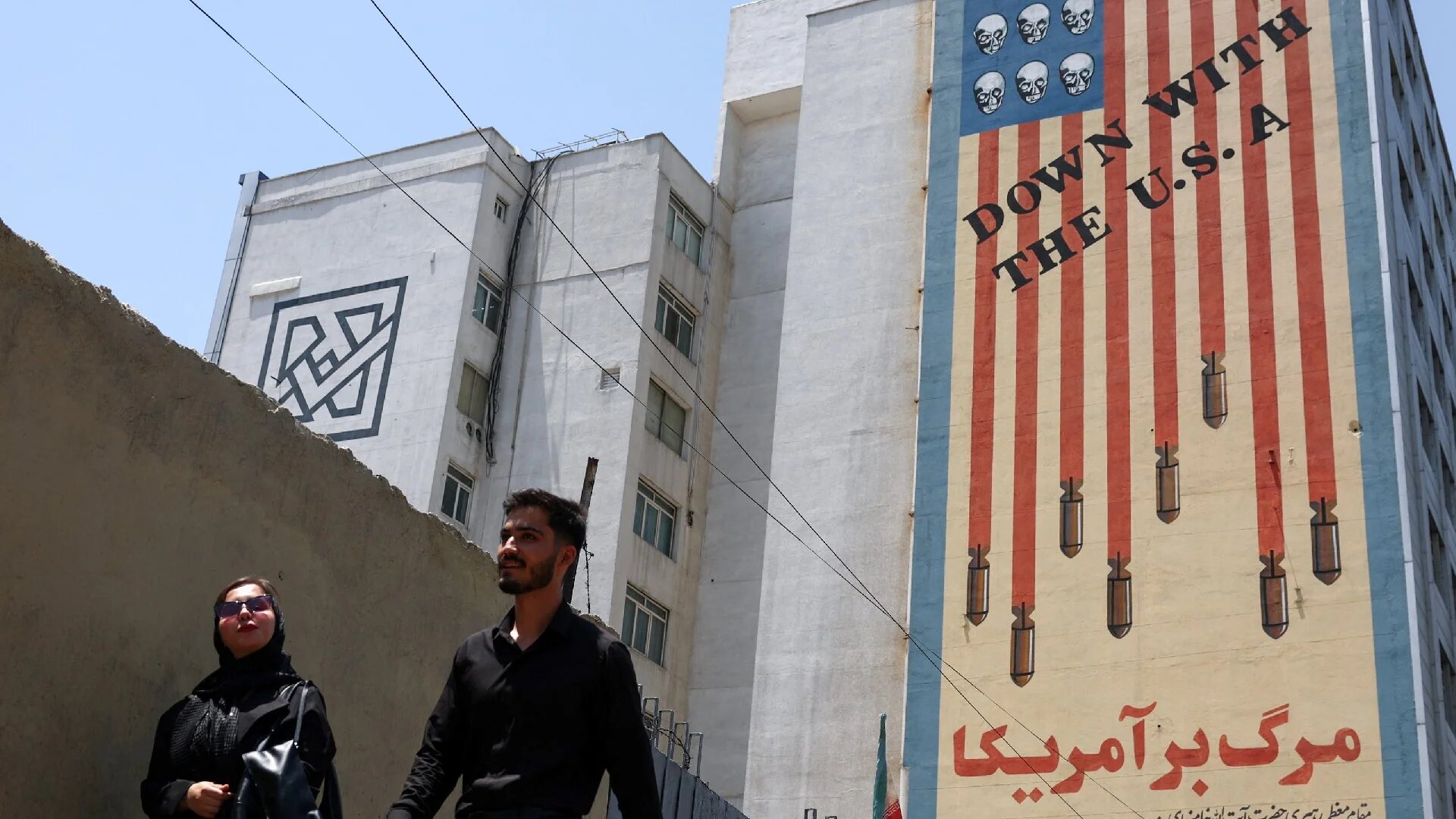
The fate of President Donald Trump's efforts to transform an initial understanding with Iran into a lasting peace deal remains uncertain. The diplomatic landscape is fraught with difficulties, and the path to a full resolution is anything but clear. The United States and Iran have engaged in intermittent airstrikes, showing the ongoing tensions despite diplomatic efforts and the agreement concerning Lebanon. These military actions serve as a stark reminder of the deep-seated animosity and distrust that persist between the two nations, complicating any moves towards de-escalation or lasting peace.
Negotiations held in Qatar this week concluded without significant progress, as both sides reportedly declined to make concessions. This lack of movement in direct talks further notes the entrenched positions of the US and Iran and the difficulty of finding common ground on critical regional issues. The failure of these negotiations to yield tangible results suggests that the broader conflict between the two powers continues to simmer, despite the specific agreement regarding Israeli actions in Lebanon.
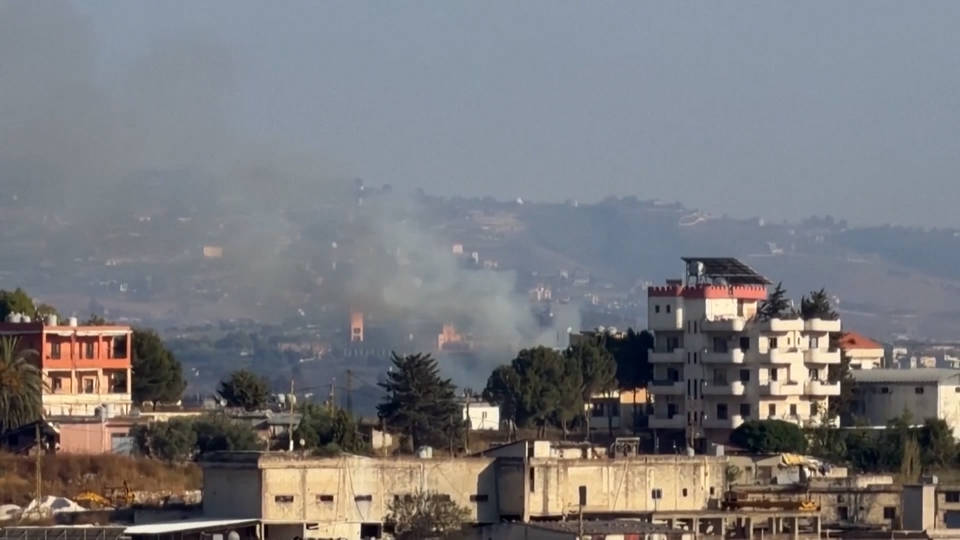
Dennis After, a former Israeli intelligence official specializing in Iranian affairs, stated that Lebanon represents the primary obstacle to achieving a broader regional agreement. After's assessment notes the complex interplay of local and regional dynamics impacting the potential for a full peace. The situation in Lebanon is further complicated by the risks of renewed fighting between Israel and Hezbollah. Such a conflict could lead to a prolonged stalemate, resulting in Israeli forces remaining in Lebanon and the displacement of tens of thousands of Lebanese civilians. The humanitarian consequences of such a scenario would be severe, adding to the already immense challenges faced by the Lebanese population. The potential for a regional conflagration, triggered by events in Lebanon, remains a significant concern for international observers and policymakers alike. The delicate balance of power, the intricate web of alliances, and the deep-seated grievances in the Middle East mean that any localized conflict has the potential to quickly expand, drawing in multiple state and non-state actors. The international community continues to watch the situation closely, hoping that diplomatic efforts can prevent a further escalation of hostilities and pave the way for a more stable future for Lebanon and the wider region.