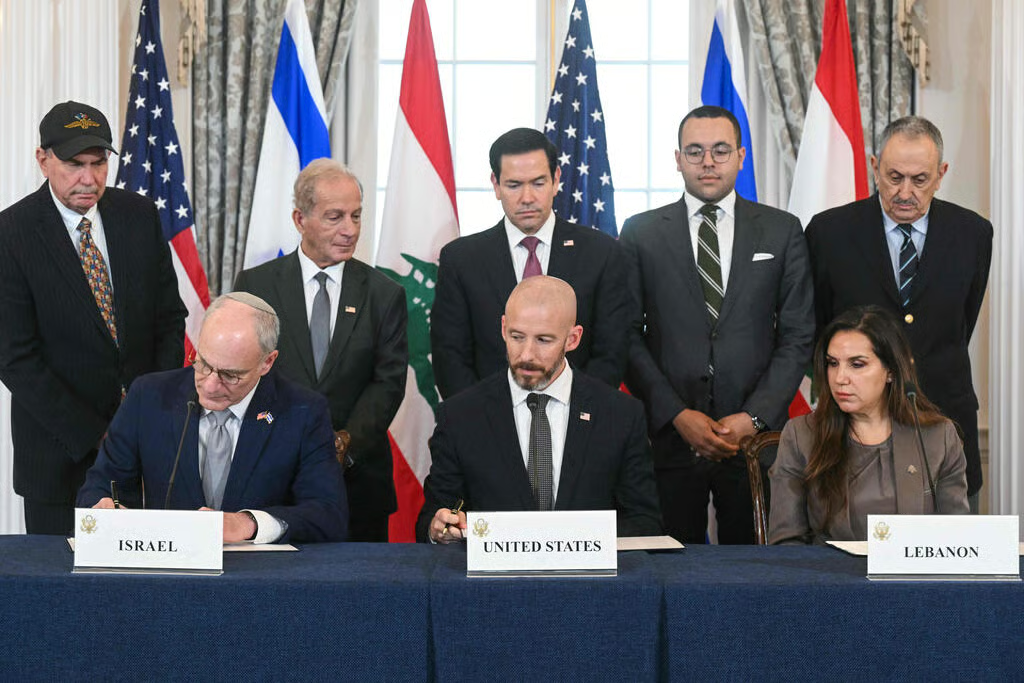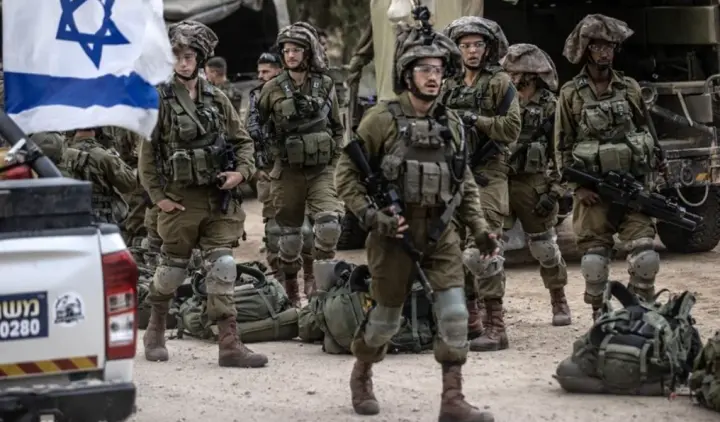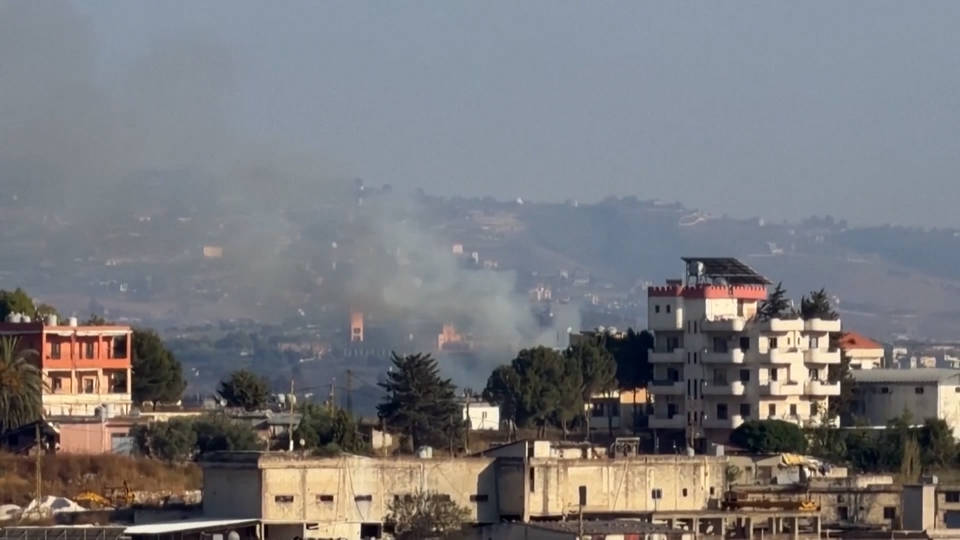
Israeli and Lebanese diplomats signed a U.S.-brokered framework agreement on a peace deal in Washington, D.C. On Friday, aiming to de-escalate tensions between the two nations. This diplomatic breakthrough followed extensive negotiations, with both sides expressing cautious optimism about the potential for long-term stability. Despite this diplomatic effort, Israeli forces continued to strike southern Lebanon over the weekend, defying terms of a U.S.-Iran ceasefire agreement. These ongoing military actions highlight persistent challenges in the region, even as diplomatic progress is made on other fronts. The continuation of hostilities shows the complex and often contradictory dynamics at play in the Middle East.
Separately, a deadly heat wave has shattered temperature records across several countries in Europe. Germany, Hungary, Czechia, Poland, Denmark, and France are among the nations experiencing extreme heat. The record temperatures have prompted widespread concerns about public health and the environment during this period, with authorities issuing numerous advisories and warnings. The unprecedented nature of the heat wave has also reignited discussions about climate change and its impact on global weather patterns.
Escalating Middle East Tensions
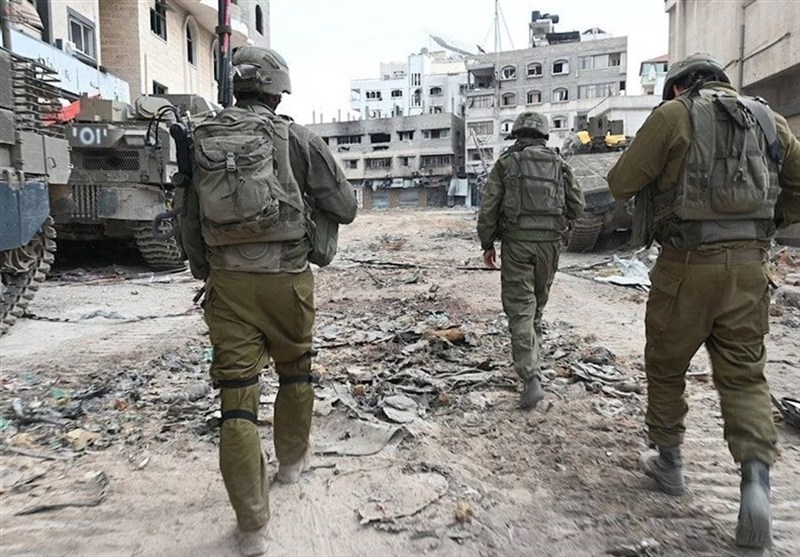
At least one person was killed on Saturday in southern Lebanon, according to Lebanon’s Health Ministry. This fatality occurred amidst continued military operations in the region. Israeli airstrikes and artillery fire in Gaza have killed at least four Palestinians over the past 24 hours, adding to the grim toll of the ongoing conflict. The Board of Peace governing Gaza is planning a grant of legal immunity for itself and to obtain public property in Gaza free of charge, a move that has drawn both support and criticism regarding its implications for governance and accountability in the territory.
Hezbollah was not a party to the peace talks between Israel and Lebanon, a significant omission given its influence in southern Lebanon. The U.S.-brokered peace deal does not require Israel to withdraw from southern Lebanon, which remains a point of contention and a source of potential future instability. The absence of Hezbollah from the negotiations and the lack of a withdrawal clause suggest that the agreement addresses only a portion of the broader security challenges in the border region.
A 13-year-old girl, Eileen al-Farra, was killed by shrapnel from an Israeli tank shell in Khan Younis. Her death is one of many civilian casualties reported in the area. Deadly strikes on Saturday on makeshift tents in al-Mawasi, Gaza, left several wounded, further exacerbating the humanitarian crisis. Two siblings, 15-year-old Islam Moussa and her 30-year-old brother Abdullah, were killed in these strikes, illustrating the devastating impact of the conflict on families. The Palestinian Health Ministry reports Israel has killed at least 1,045 people in Gaza since agreeing to a U.S.-brokered ceasefire last October, a statistic that shows the severe human cost of the protracted violence. These numbers highlight the urgent need for a more full and lasting resolution to the conflict.
US-Iran Standoff and Gulf Violence
The U.S. And Iran traded fire throughout the weekend, marking renewed violence in the Persian Gulf. This escalation followed a period of heightened tensions. The renewed violence in the Persian Gulf began on Thursday when Iran fired on a Singapore-flagged container ship near the Strait of Hormuz, an act that immediately raised alarm bells internationally. This incident prompted a swift response from the United States. Despite the recent clashes, the Trump administration stated that the U.S. And Iran have agreed to end attacks in the Persian Gulf, a claim that appears to be at odds with the recent military actions.
On Friday, the Pentagon countered Iranian actions with attacks on Iranian missile and drone storage locations and radar sites, aiming to degrade Iran's military capabilities. These targeted strikes were a direct response to the earlier aggression. In response, Iran launched drone and missile attacks targeting a U.S. Naval base in Bahrain and a Kuwaiti air base, further escalating the cycle of retaliation. The exchange of fire intensified concerns about regional stability and the potential for a wider conflict.
Axios reported that the U.S. And Iran plan to meet on Tuesday in Qatar to address their dispute over the Strait of Hormuz, suggesting a diplomatic channel remains open despite the military confrontations. However, Iran’s deputy foreign minister stated there were currently no scheduled meetings with U.S. Diplomats, casting doubt on the reported negotiations and noting the significant communication gaps between the two nations. This discrepancy in reporting adds to the uncertainty surrounding potential de-escalation efforts.
California Congressmember Ro Khanna stated that the strikes constitute a "blatant violation of the War Powers Resolution." Khanna added, "Trump must stop this war now — or we will take him to court to compel him to do so," indicating a growing domestic political challenge to the administration's military actions. The ongoing military actions and diplomatic discrepancies highlight the persistent tensions between the two nations, with no clear path to resolution immediately apparent. The situation remains volatile, with both military and political pressures continuing to mount.
Natural Disasters and Climate Extremes
Nearly 50,000 people remain missing in Venezuela five days after a pair of massive earthquakes struck near Caracas. The search and rescue operations are ongoing, but hopes of finding survivors are diminishing rapidly. The confirmed death toll from the Venezuela earthquakes is fast approaching 1,500, a devastating figure that continues to rise as more bodies are recovered. The scale of the disaster has overwhelmed local resources, prompting calls for international aid.
Wildfires continue to pose significant threats across the United States, particularly in western states. Three firefighters were killed along the Colorado-Utah border battling blazes that have scorched nearly 30,000 acres, showing the extreme dangers faced by emergency responders. There are three dozen major wildfires burning across the U.S. Stretching firefighting resources thin and impacting air quality across vast regions. These fires are often exacerbated by prolonged drought conditions and high winds.
Europe is experiencing an unprecedented heatwave, with over 150 million people under extreme heat advisories, affecting a significant portion of the continent's population. Several countries across Europe have shattered temperature records due to this deadly heat wave, indicating a profound shift in regional climate patterns. Germany, Hungary, Czechia, Poland, and Denmark have all set records for their highest-ever recorded temperatures, with thermometers consistently reaching unprecedented highs. French authorities report more than 1,000 excess deaths due to the heat, illustrating the severe public health impact of the extreme weather event. The heat wave has led to widespread disruptions, including infrastructure strain, agricultural losses, and increased health emergencies.
Political and Social Developments
Kenya’s Human Rights Commission reported that at least six activists were tortured by police in Nairobi following their arrest at an anti-government protest. This report has sparked outrage and calls for accountability, raising concerns about police brutality and the suppression of dissent. More than 350 people were arrested across Kenya last Thursday during demonstrations, reflecting a broader wave of public discontent and protest against government policies. The arrests and alleged torture highlight a concerning trend regarding civil liberties in the country.
President Trump nominated former Oklahoma state trooper Lance Schroyer to serve as the next director of Immigration and Customs Enforcement (ICE). Schroyer currently serves as an adviser to Homeland Security Secretary Markwayne Mullin, bringing a background in law enforcement and policy to the role. Former ICE Director Todd Lyons resigned in May, creating the vacancy that Schroyer is slated to fill. The nomination is expected to undergo scrutiny during the confirmation process.
Authorities in eastern Libya released 10 Palestine solidarity activists who were arrested in May. The activists were part of the Global Sumud Convoy, which was attempting to bring ambulances, mobile homes, and humanitarian aid to Gaza, noting international efforts to provide assistance to the besieged territory. Their release was met with relief by their supporters. A federal appeals court struck down the Trump administration’s rollback of Biden-era limits to soot pollution from coal-fired power plants, a significant legal victory for environmental advocates. This ruling could have broad implications for environmental regulations and public health.
Felix Alcorta-Rodriguez, a 63-year-old immigrant from Mexico, died in ICE custody. Alcorta-Rodriguez was found unconscious on June 19 at the Webb County Detention Center in Laredo, Texas, and subsequently passed away. This marks at least the 20th reported ICE death in 2026, a statistic that raises serious questions about the conditions and medical care within immigration detention facilities. The Webb County Detention Center is operated by the for-profit prison company CoreCivic, bringing renewed attention to the role of private entities in immigration detention.
Human Rights and Justice
U.N. Human rights chief Volker Türk called for prompt and independent investigations into deaths in Immigration and Customs Enforcement (ICE) custody. Türk stated, "Those responsible for violations of the law must be held to account, and the rights of the victims’ families to truth, justice and reparation and guarantees of non-recurrence must be upheld," emphasizing the importance of transparency and accountability in such cases. This call from a high-ranking international official shows the global concern over human rights in detention.
In Hungary, tens of thousands of people marched through Budapest in the city’s first Pride event since Viktor Orbán lost re-election. The large turnout signaled a renewed sense of freedom and expression for the LGBTQ+ community. Orbán’s previous government had passed a constitutional amendment outlawing Pride events, a measure that was widely criticized by human rights organizations. The successful holding of the event represents a significant shift in the country's political and social landscape.
Elsewhere, three agents of former Chilean dictator Augusto Pinochet’s secret police received 15-year prison sentences. The sentences were for their role in the 1976 murder of Ronni Moffitt in Washington, D.C. Marking a significant step towards justice decades after the crime. On September 21, 1976, Pinochet’s agents planted a car bomb that killed former Chilean Ambassador Orlando Letelier and his assistant, Ronni Moffitt, in a brazen act of international terrorism. The long-awaited convictions bring a measure of closure to the victims' families and reaffirm the principle that perpetrators of such crimes will eventually face justice, regardless of the passage of time.