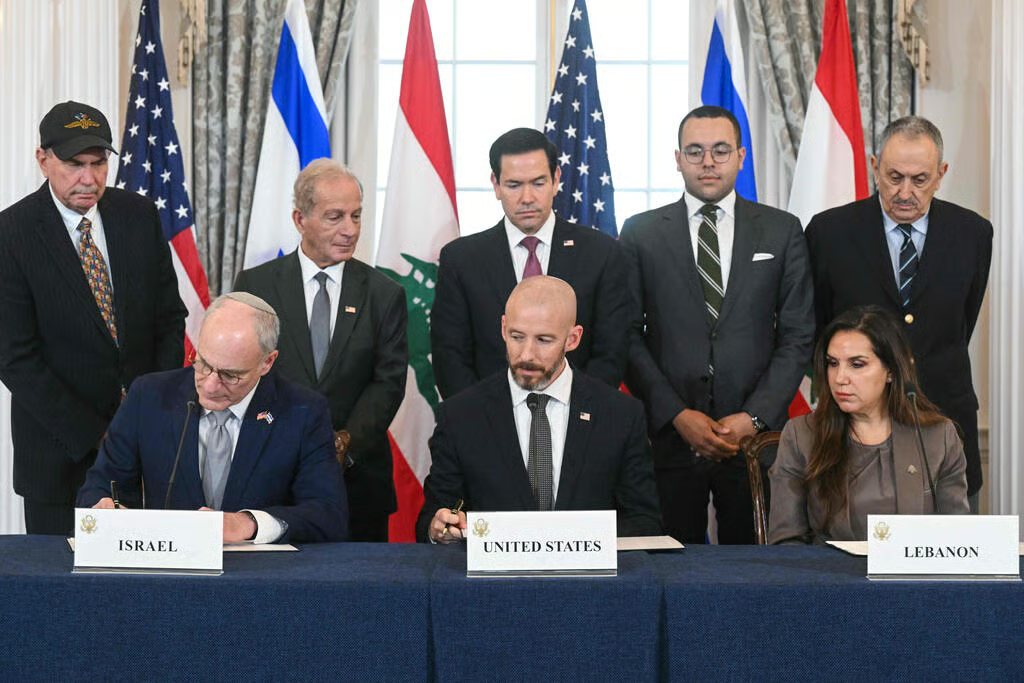
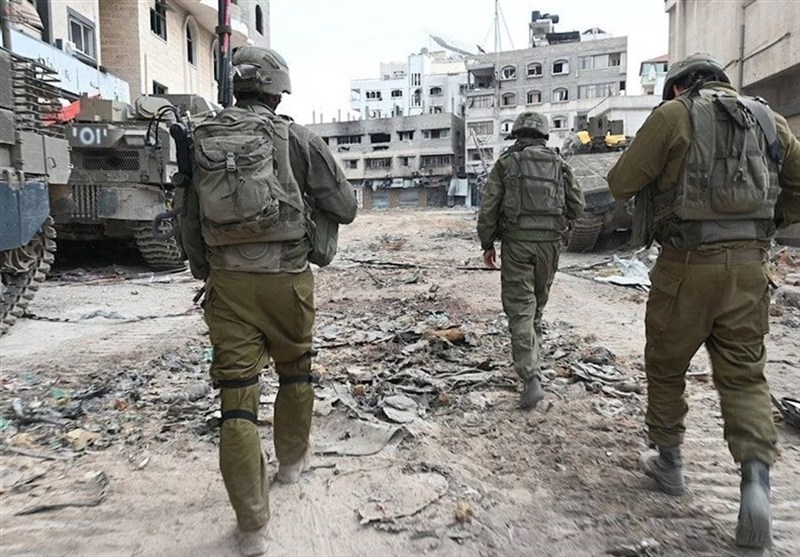
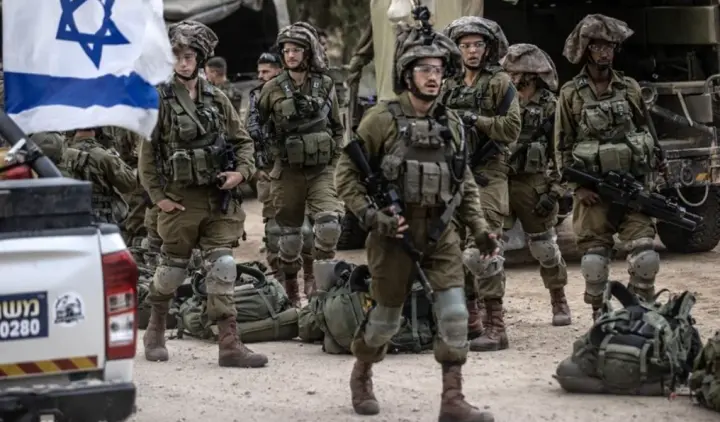
The United States, Israel, and Lebanon signed a new Trilateral Framework last week, establishing conditions for future regional stability. This landmark agreement, signed by all three parties, marks a significant diplomatic development in the region. The agreement stipulates that an Israeli withdrawal from southern Lebanon is contingent upon verifiable Lebanese actions to dismantle Hezbollah, which the framework explicitly identifies as an Iranian proxy. Under its terms, Lebanon faces the stark choice of either disarming Hezbollah or conceding its depopulated southern border region to Israeli control. This binary choice shows the gravity of the framework's provisions and the immediate implications for Lebanese sovereignty and territorial integrity. The framework aims to address long-standing security concerns and establish a new paradigm for stability along the border.
Past Disarmament Failures
The issue of Hezbollah's disarmament is not new to regional diplomacy. In 2006, Speaker Nabih Berri negotiated and approved UN Security Council Resolution 1701, acting on behalf of Hezbollah. This resolution, a direct response to the conflict that year, stipulated the disarmament of Hezbollah, among other key provisions designed to restore peace and security. Despite this internationally mandated requirement, the militia maintained its arsenal and operational capabilities in the subsequent years, demonstrating a persistent challenge to disarmament efforts.
More recently, in 2024, Prime Minister Najib Mikati’s government voted to endorse the cessation of hostilities. This endorsement also included a requirement for the militia’s disarmament, echoing earlier international demands for Hezbollah to relinquish its weapons. However, past efforts to enforce such disarmaments have not led to the full demilitarization of the group, leaving a legacy of unfulfilled promises and continued security risks. These repeated failures highlight the difficulty of achieving disarmament without strong enforcement mechanisms, a gap the new framework seeks to address.
Enforcement Mechanisms Detailed
The 2026 agreement introduces specific enforcement mechanisms for disarmament demands, a significant departure from previous accords which often lacked such actionable provisions. An Israeli military withdrawal is explicitly benchmarked to concrete actions from Lebanon, ensuring that withdrawal is not a unilateral gesture but a response to verifiable steps. These actions include Lebanon's collection of heavy weapons, the dismantling of military sites used by Hezbollah, and the prevention of Hezbollah's rearmament efforts. The framework details these requirements to ensure clarity and accountability in the disarmament process.
Article 13 of the framework stipulates that Beirut will cease pursuing legal action against Israel in international courts and forums. This provision is reciprocal, applying equally to Israel, which also agrees to halt similar legal proceedings against Lebanon. This mutual agreement to suspend legal challenges aims to foster a more constructive relationship between the two nations, shifting focus from past grievances to future cooperation and stability. The full nature of these enforcement mechanisms aims to prevent a recurrence of past failures and ensure the framework's objectives are met.
Lebanon's Binary Choice
The Lebanese government's decision to engage in direct talks with Israel, issue a joint statement, and sign a binding agreement demonstrates that a significant segment of the Lebanese political class and public has chosen sovereignty over perpetual militia rule. This engagement signals a willingness to confront the long-standing issue of armed non-state actors within its borders. The 2026 Trilateral Framework offers Lebanon its clearest path out of the debilitating cycle of war and rearmament that has plagued the nation for decades. This is because the framework explicitly refuses to repeat the pattern of cost-free promises previously seen in regional agreements, instead demanding concrete actions and offering tangible benefits in return. By presenting a clear choice, the framework compels Lebanon to address internal security challenges directly.
Hezbollah's Hostile Reaction
Hezbollah has responded to the Trilateral Framework with open hostility toward the Lebanese state, viewing the agreement as a direct challenge to its influence and operational freedom. Its media outlets and allies have vehemently denounced the agreement as a betrayal of national interests and resistance principles. In reaction to the framework, Hezbollah's street forces have engaged in clashes with security personnel across Lebanon, indicating their strong opposition and readiness to disrupt the implementation of the accord. These confrontations show the deep divisions within Lebanon regarding the framework and the future role of Hezbollah in the country's political and security landscape. The militia's reaction notes the internal challenges Lebanon faces in adhering to the framework's terms.