The United States and Iran recently signed a 14-point peace framework, aiming to address regional stability. This significant diplomatic achievement outlines a full approach to de-escalation and cooperation across the Middle East, reflecting a shared commitment to reducing tensions. Concurrently, Gulf countries convened in Bahrain for a ministerial-level meeting with American counterparts, signaling a renewed diplomatic push in the region. The Gulf Cooperation Council (GCC) participants engaged in extensive discussions focused on shared security concerns and potential pathways for de-escalation, exploring avenues for enhanced regional stability. These diplomatic efforts show a concentrated push by international actors to foster stability in a volatile Middle East, recognizing the interconnectedness of regional challenges. The signing of the 14-point peace framework between the US and Iran represents a foundational step in these broader efforts, providing a blueprint for future engagement and conflict resolution.
Regional Diplomacy and Lebanon
US Secretary of State Marco Rubio recently visited the United Arab Emirates and other Gulf countries for a series of high-level talks. These diplomatic engagements show ongoing efforts to address regional dynamics and stability, with discussions focusing on critical security issues and economic cooperation. Secretary Rubio's tour aimed to strengthen alliances and explore collaborative solutions to persistent regional challenges. Concurrently, unconfirmed reports have emerged suggesting Riyadh could serve as the venue for a reconciliation meeting between Gulf countries and Iran. These developments indicate a potential shift towards increased dialogue and de-escalation across the Middle East, moving away from past confrontational postures. The reported willingness to host such a meeting in Riyadh signifies a notable step in regional diplomacy, aiming to bridge divides between key players and foster a more cooperative environment. Such a gathering, if it materializes, would mark a significant milestone in efforts to normalize relations between long-standing adversaries. These discussions are closely watched for their potential implications on Lebanon’s internal stability, as regional shifts often have direct effects on the country's delicate political balance.
Lebanese Agency in Action
Weeks of direct talks have been taking place between Lebanese and Israeli officials. These direct engagements represent a significant development in bilateral relations, offering a rare channel for communication on critical security and border issues. The continuation of these discussions, despite ongoing regional complexities, notes a pragmatic approach by both sides. Separately, analysts suggest Tehran's approach treats Beirut as a lever in its dealings with Washington and Israel. This perspective indicates that Lebanon's internal dynamics are often viewed within a broader regional context by external actors, rather than solely through the lens of its sovereign needs. The ongoing discussions between Lebanese and Israeli officials highlight a direct engagement channel, yet the perceived external influences on Beirut's position remain a point of consideration for regional observers. These internal and external pressures continue to shape Lebanon's political landscape and its interactions with neighboring states, demanding careful navigation from its leadership. The direct talks show a key, albeit challenging, assertion of Lebanese agency in managing its own affairs.
External Support, Not Imposition
Lebanon faces a deepening displacement crisis, an economy in freefall, and the presence of aggressive foreign forces on its soil. These multifaceted challenges create an urgent need for concerted national and international efforts. Additionally, the Iran-backed Hezbollah operates as a state-within-a-state, further complicating the country's internal dynamics and governance structures. This dual power structure presents significant obstacles to unified national policy and security. France and other regional stakeholders are positioned to contribute constructively to Lebanon’s search for stability. Their involvement could offer key support for local initiatives without imposing external solutions, respecting Lebanese sovereignty. This approach emphasizes bolstering Lebanese agency in addressing its multifaceted challenges, empowering local institutions and civil society. Such support could include humanitarian aid, economic assistance, and diplomatic backing for internal reforms. A collaborative strategy, focused on empowering Lebanese actors, is seen as essential for achieving sustainable peace and recovery.
A Painful Restraint
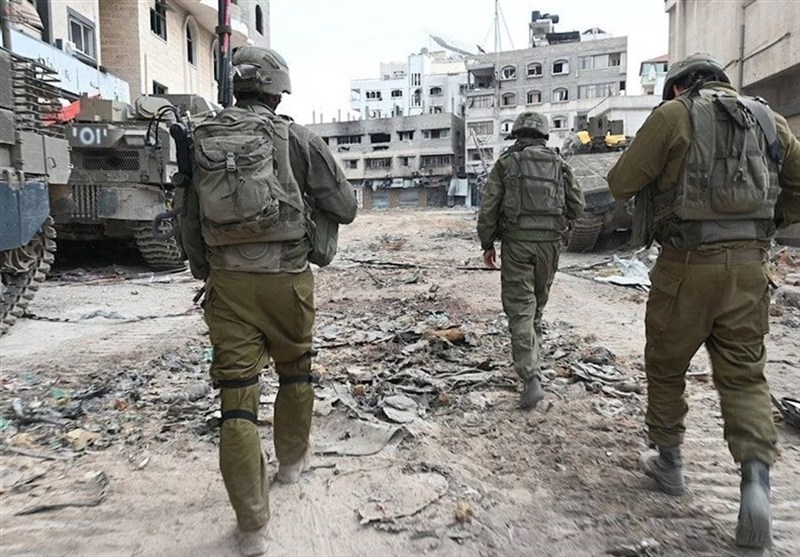
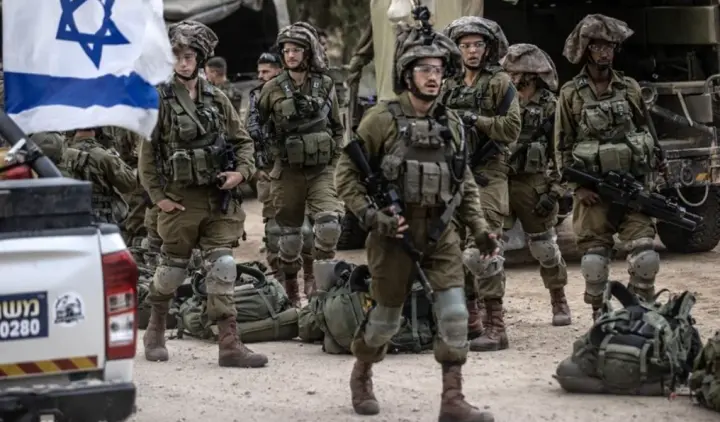
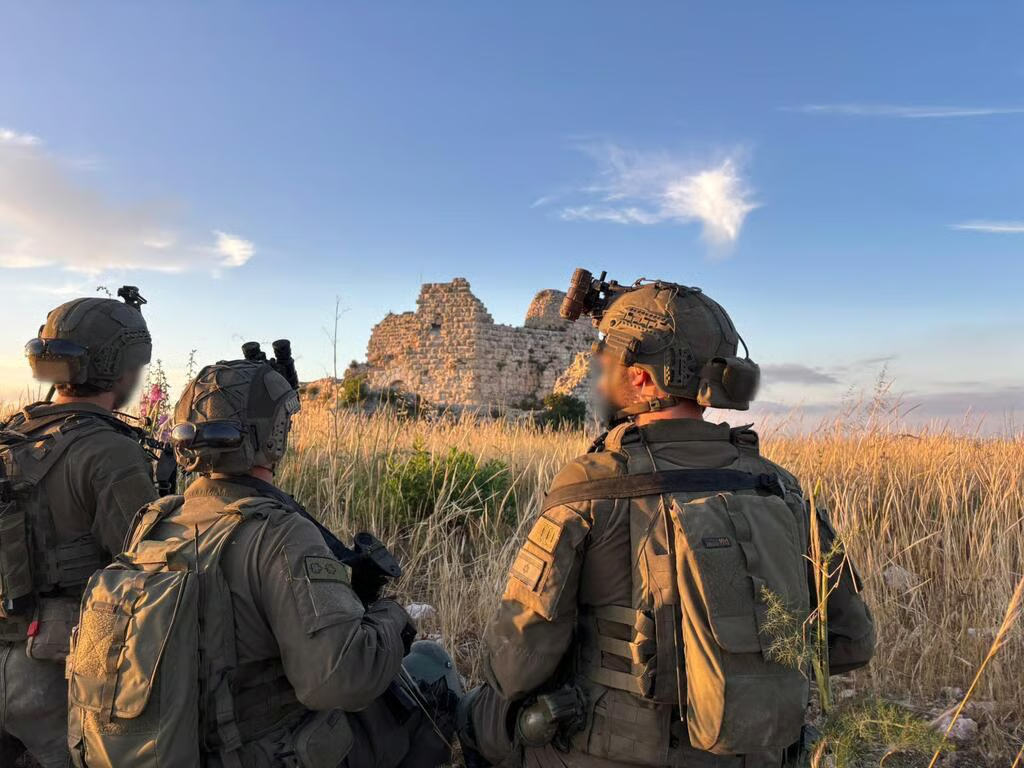
A potential pilot withdrawal of Israeli forces from occupied Lebanon, intended to be replaced by Lebanese troops, may currently be developing. This proposed troop movement suggests a calibrated effort to manage the security dynamics in the region, aiming to reduce flashpoints along the border. The concept of a pilot withdrawal indicates a cautious, phased approach to de-escalation, allowing for assessment and adjustment. Such a development would be a significant step towards restoring full Lebanese sovereignty over its territory and reducing the potential for cross-border conflict. The replacement of Israeli forces by Lebanese troops would represent a tangible commitment to international agreements and a strengthening of Lebanon's national defense capabilities. This initiative, if successfully implemented, could pave the way for broader security arrangements and contribute significantly to regional stability, demonstrating a practical outcome of ongoing diplomatic efforts.