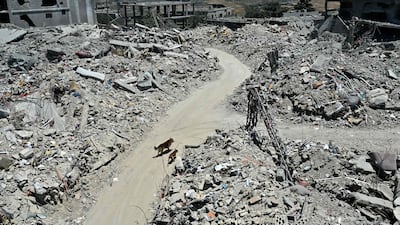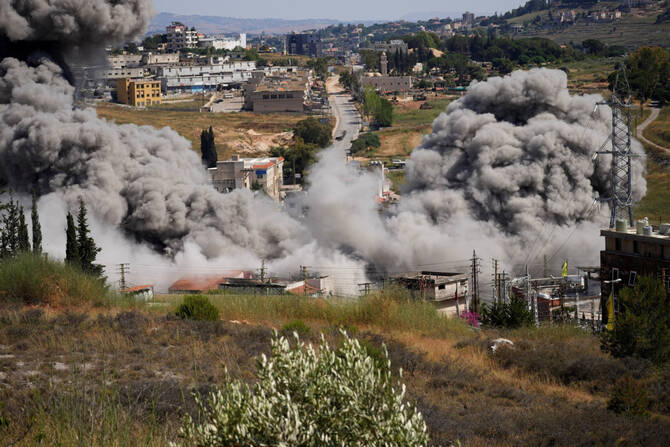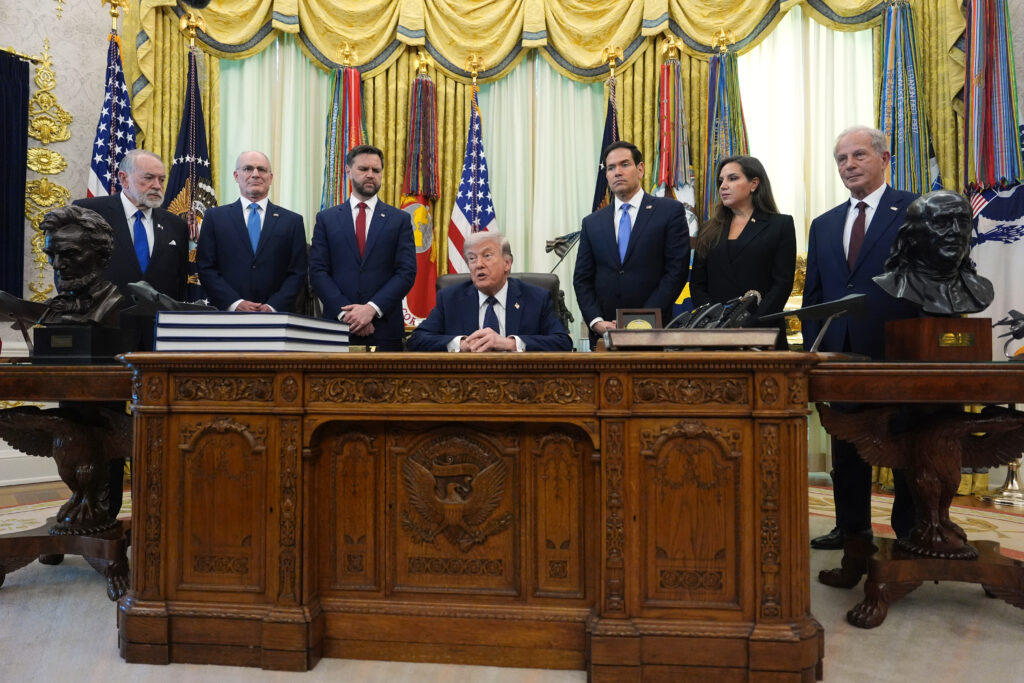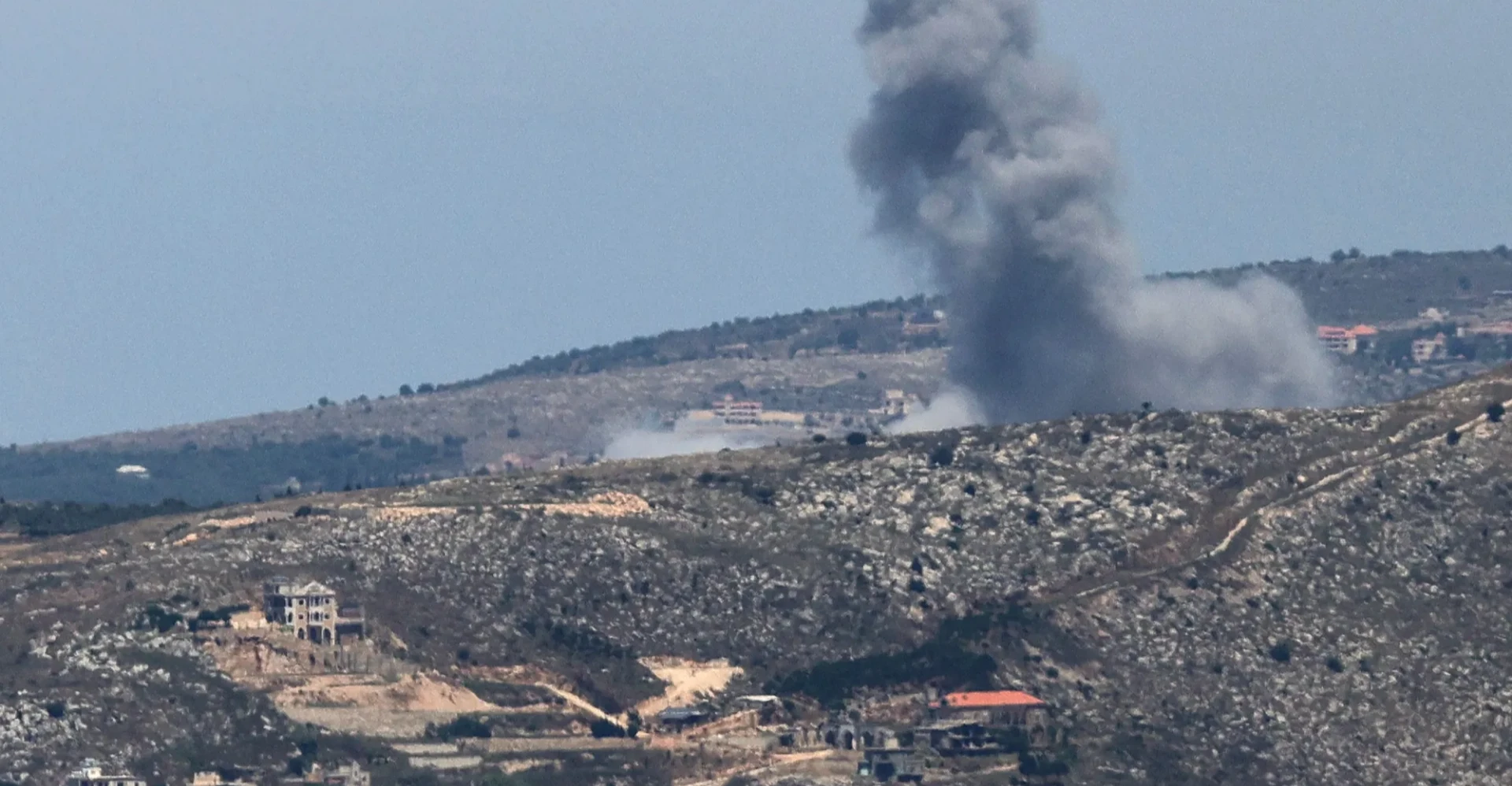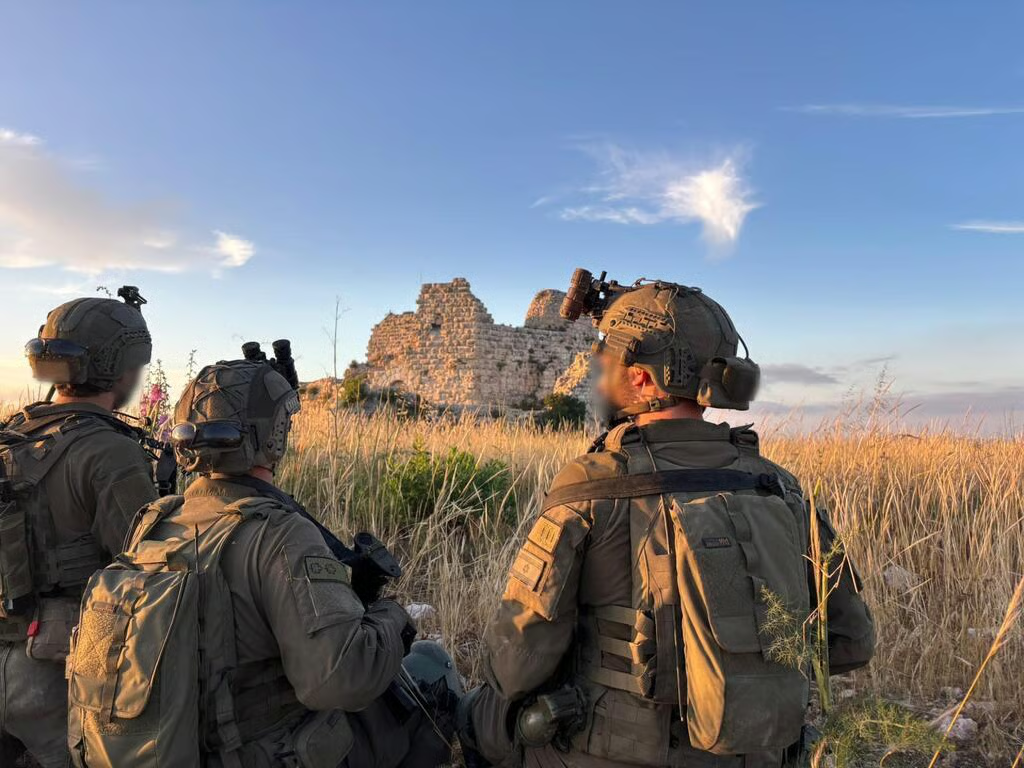
The United States claimed Israel has withdrawn from portions of southern Lebanese territory it occupied during its conflict with Hezbollah. On Thursday, a U.S. State Department official in Washington stated the reported withdrawal, though the official did not specify the exact amount of territory involved. Details regarding the precise locations of the alleged Israeli pullout were also not provided by the official. This assertion from the U.S. Comes amid ongoing discussions about the status of Israeli forces in South Lebanon, a key point of contention in the volatile border region. The U.S. State Department official emphasized that this claimed withdrawal represents a concrete step in efforts to de-escalate tensions.
Official Statement Details
A U.S. State Department official made the statement regarding Israel's withdrawal on Thursday. The official asserted that "Israel has already taken a concrete step by pulling back from a part of its buffer zone." This action was described by the official as "a significant demonstration of good faith toward Lebanon’s legitimate government." Furthermore, the official urged the Lebanese Armed Forces to "now move in and verifiably clear out terrorist weapons and infrastructure." The U.S. Official indicated that "this model will be repeated across South Lebanon, enabling the safe return of displaced families, reconstruction of the south, and the restoration of full Lebanese sovereignty." The statement from the U.S. State Department official came from Washington. The official noted that the withdrawal is contingent upon Lebanese forces stepping in to secure the area, a key element of the proposed arrangement.
Denials and Discrepancies
Both Israel and Lebanon denied the claims made by the United States regarding an Israeli withdrawal from southern Lebanese territory. The denials from both sides emerged shortly after the U.S. State Department official's announcement. Despite the U.S. Official's assertion of a concrete step taken by Israel, neither of the involved parties confirmed such a move. The U.S. State Department official did not specify the amount of territory involved or the exact locations of the reported withdrawal, contributing to the uncertainty surrounding the claim. These conflicting accounts show the complexities of the situation and the challenges in achieving a verifiable resolution. The lack of specific details from the U.S. Official has made it difficult for independent verification of the alleged pullout.
Broader Diplomatic Context
Israel and Lebanon have been engaged in U.S.-brokered discussions in Washington, D.C. With the stated aim of reducing hostilities between Israel and Hezbollah. These diplomatic efforts show ongoing attempts to de-escalate tensions in the region. The discussions represent a significant channel for communication between the two nations, despite their public denials regarding any Israeli withdrawal from southern Lebanese territory. The sustained engagement in Washington notes the complexities of achieving a lasting peace and security arrangement along the border area. Both parties continue to navigate these sensitive negotiations as international pressure mounts for a resolution to the long-standing conflict. The U.S. Has consistently pushed for measures that could lead to greater stability and sovereignty for Lebanon in its southern territories.
Implications for Stability
The claimed Israeli withdrawal, according to the U.S. State Department official, is predicated on the expectation that Lebanese forces would move into the vacated areas. This arrangement would require the Lebanese Armed Forces to secure the territory and clear any "terrorist weapons and infrastructure." The U.S. Official indicated this model could be replicated across South Lebanon, potentially allowing for the return of displaced families and the reconstruction of the region. Such an approach aims to restore full Lebanese sovereignty over the area. The U.S. Views the proposed withdrawal as a "significant demonstration of good faith toward Lebanon’s legitimate government," provided Lebanese forces fulfill their role. This framework suggests that the withdrawal is part of a broader effort that would require Lebanese forces to step in and secure the area, thereby establishing a new security paradigm along the border. The success of this model hinges on the ability of the Lebanese Armed Forces to effectively control and demilitarize the areas from which Israel is said to have withdrawn.