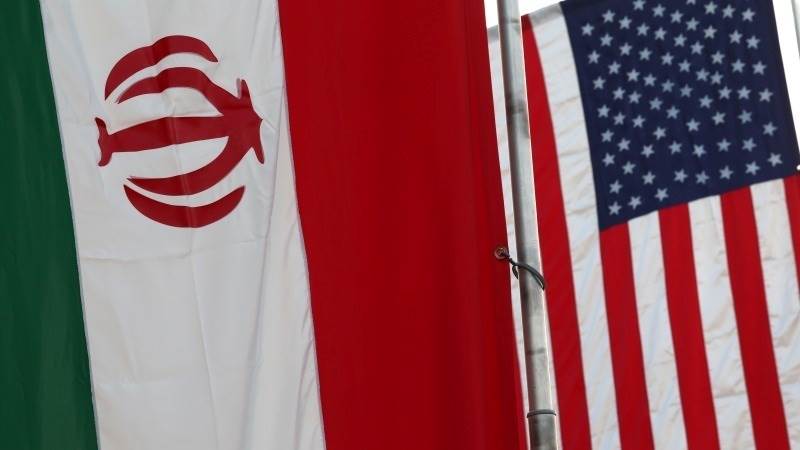
US and Iranian negotiators concluded talks in Switzerland on Monday, reporting "encouraging progress" and agreeing to a 60-day roadmap designed to lead to a broader deal to end the regional war. The discussions also resulted in the creation of a "de-confliction cell" involving Iran, the US, and Lebanese authorities. This cell aims to prevent renewed clashes between Israel and Hezbollah. Mediators confirmed this mechanism as a key outcome of the Swiss meeting, showing its immediate importance in managing regional tensions. The "encouraging progress" reported from the Swiss talks has been widely interpreted as a significant step forward in a diplomatic process fraught with historical challenges and complex geopolitical dynamics. Both sides committed to the 60-day roadmap, which is intended to provide a structured pathway for continued discussions and the eventual formulation of a full agreement to de-escalate and ultimately resolve the broader regional conflict.
The success or failure of this Lebanon-focused mechanism is widely viewed as the first concrete indicator of whether the broader US-Iran diplomatic track can endure. Analysts suggest the negotiations for a US-Iran Memorandum of Understanding (MoU) represent a key moment that could reshape the situation in Lebanon, potentially leading to a more stable and secure environment for the nation. The roadmap sets a timeframe for continued diplomatic efforts to address regional tensions, emphasizing a structured approach to what has historically been an intractable set of issues. The establishment of the de-confliction cell, specifically tasked with preventing renewed clashes between Israel and Hezbollah, notes the immediate focus on stabilizing the volatile Lebanese-Israeli border. This mechanism is seen as a practical, on-the-ground test of the willingness and ability of all parties involved to adhere to the principles of de-escalation agreed upon in Switzerland.
Diplomatic Roadmap and Lebanon Mechanism
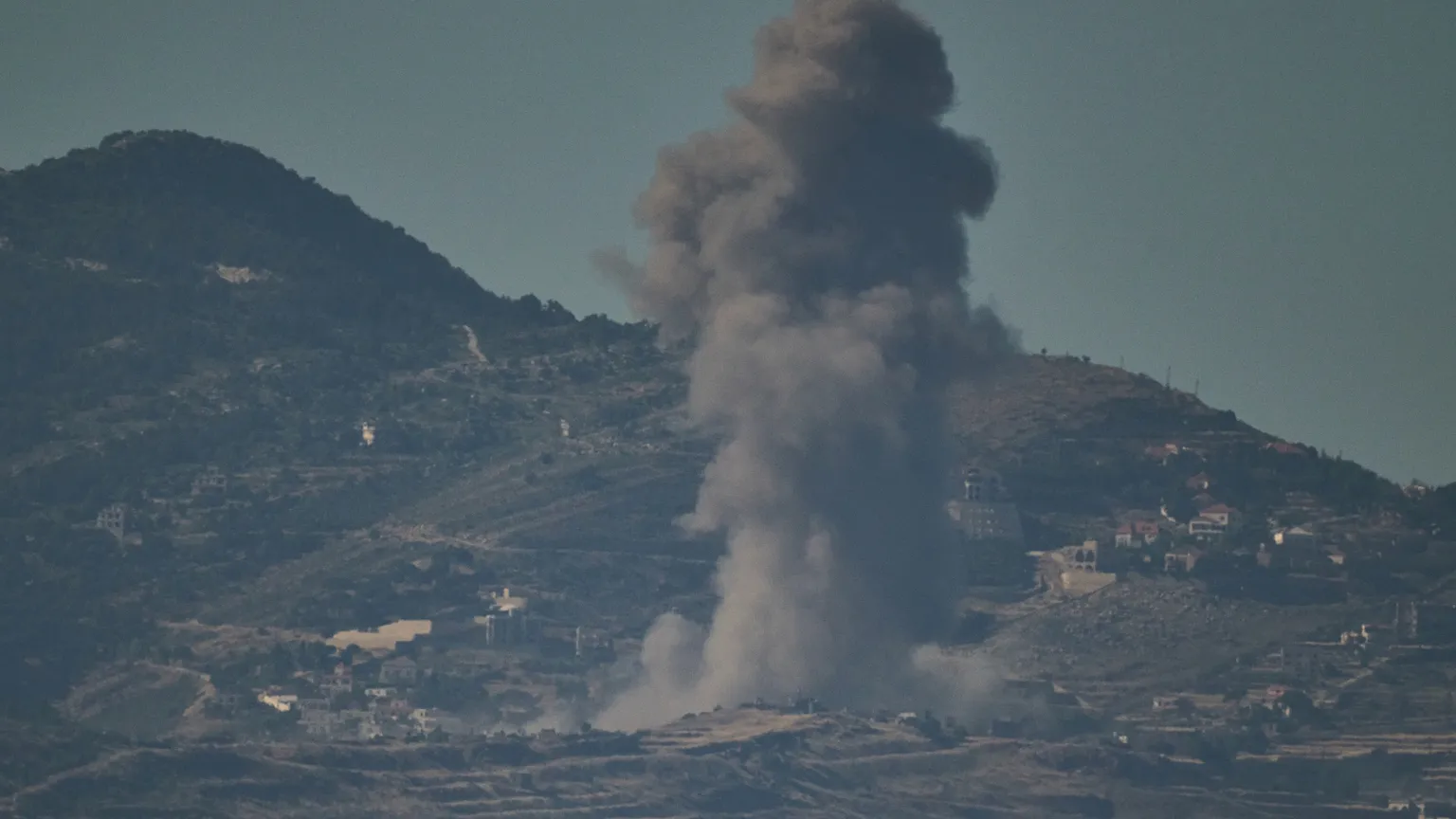
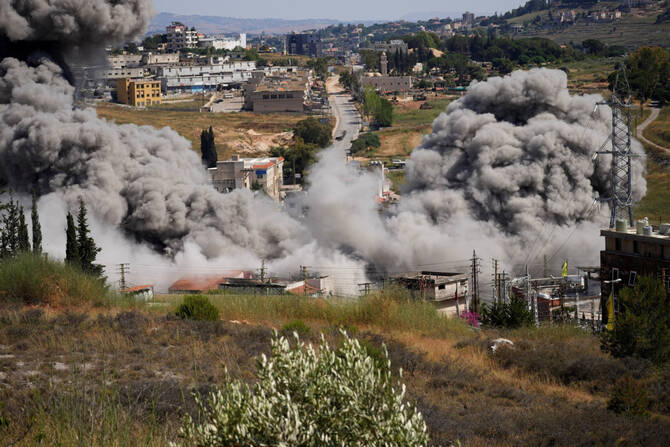
No strikes were reported by Sunday evening, with some displaced residents beginning to return home, a tangible sign of the immediate impact of the ongoing diplomatic efforts. This cessation of hostilities provides a key window for the diplomatic process to continue without the pressure of active conflict. The first clause of the Memorandum of Understanding (MoU) between the US and Iran stipulates that both nations and their allies "declare the immediate and permanent termination of military operations on all fronts, including Lebanon," and guarantee "the territorial integrity and sovereignty of Lebanon." This commitment forms a foundational element of the broader diplomatic efforts, aiming to establish a clear and lasting end to military engagements. The inclusion of Lebanon specifically in this clause shows the country's central role in the regional conflict and its importance to any full peace agreement. The guarantee of Lebanon's territorial integrity and sovereignty is a critical assurance, addressing long-standing concerns within the country about external interference and border violations.
The final deal is expected to confirm the permanent termination of the war across all fronts, including specifically in Lebanon, aiming to establish a lasting cessation of hostilities. This overarching goal is seen as essential for allowing regional stability to take root and for affected populations to begin the process of recovery and rebuilding. The cessation of strikes by Sunday evening, and the subsequent return of displaced residents, offered a preliminary but encouraging glimpse into the potential benefits of such an agreement. This immediate pause in conflict provides a critical foundation for the more extensive diplomatic work that lies ahead. The broader implications of the MoU extend beyond immediate military cessation, aiming to foster an environment where long-term peace can be negotiated and sustained.
The ongoing diplomatic roadmap sets the stage for future engagements concerning regional stability, outlining a phased approach to addressing complex issues. A key component of this process involves direct negotiations between Lebanon and Israel, recognizing that a lasting peace requires bilateral agreements between the primary parties to the conflict. The fifth round of these direct Lebanese-Israeli negotiations is scheduled to take place from June 23-25. These talks are anticipated to address specific border and security issues that contribute to regional tensions, aiming to resolve long-standing disputes that have fueled instability. The US-Iran understanding seeks to create an environment conducive to such bilateral discussions, ensuring that broader regional dynamics do not derail local peace efforts. This framework provides the necessary political space and security assurances for Lebanon and Israel to engage in direct dialogue, a key step towards normalizing their relationship and securing their shared border. The establishment of the de-confliction cell is intended to provide a safety net for these delicate negotiations, minimizing the risk of unintended escalation that could jeopardize the peace process.
Lebanese Position and Regional Dynamics
President Joseph Aoun outlined Lebanon's official stance regarding the ongoing regional developments, emphasizing the nation's core principles for a resolution. He stated that the Lebanese position is centered on securing a permanent ceasefire and the complete withdrawal of Israeli forces from all occupied Lebanese territories. This demand reflects Lebanon's consistent position on its territorial integrity and sovereignty, which has been a cornerstone of its foreign policy. Another key element of this position involves the deployment of the Lebanese army to the internationally recognized borders, asserting the country's sovereignty over its full territory and ensuring state control over its frontiers. This deployment is seen as key for maintaining security and preventing unauthorized activities along the border. Additionally, President Aoun noted the importance of the return of prisoners and initiating a full reconstruction process for affected areas, addressing the humanitarian and developmental consequences of past conflicts. The return of prisoners is a deeply sensitive issue for Lebanon, and its inclusion in the official position shows its significance for national reconciliation and justice. The commitment to reconstruction signals a forward-looking approach, aiming to rebuild communities and infrastructure devastated by years of conflict.
President Aoun showed the country's sovereign right to determine its own future amidst diplomatic efforts, stressing that any resolution must align with Lebanon's national interests and priorities. He affirmed that "the Lebanese position is based on a set of fundamental principles, particularly a permanent ceasefire, the withdrawal of Israeli forces from occupied Lebanese territories, the deployment of the Lebanese army to the internationally recognized borders, the return of prisoners, and the launch of the reconstruction process." This statement provides a clear framework for Lebanon's expectations in any negotiated settlement, ensuring its core demands are addressed. The emphasis on a permanent ceasefire reflects the urgent need to end hostilities and allow for lasting peace. The demand for the withdrawal of Israeli forces from occupied Lebanese territories is consistent with international law and UN resolutions, asserting Lebanon's claim to its full internationally recognized borders. The deployment of the Lebanese army to these borders is a practical measure to enforce sovereignty and security, replacing non-state actors with official state presence. The call for the return of prisoners addresses a significant humanitarian concern and is often a prerequisite for genuine reconciliation. Finally, the focus on reconstruction notes the long-term vision for recovery and development in areas impacted by conflict.
The President further clarified Lebanon's role in the peace process, asserting its autonomy in decision-making and rejecting any imposition of terms from external parties. He stressed that "the Lebanese state is sovereign in its decisions, and no one can replace it. Any settlement will be reached through us, not at our expense." This declaration signals Lebanon's intent to actively participate in and shape any agreements that impact its borders and security, rather than being a passive recipient of external decisions. Such a position indicates that while regional diplomatic breakthroughs may set the stage, specific agreements concerning Lebanon's future will require direct engagement and approval from Beirut. This emphasis on national sovereignty positions Lebanon as an essential party to any enduring resolution in the region, ensuring that its voice and interests are central to the outcome. The statement serves as a powerful reminder that while the US and Iran are negotiating a broader framework, the specifics on the ground in Lebanon must be agreed upon by Lebanese authorities.
Analyst Perspectives on US-Iran Deal
Key early steps in the broader diplomatic process include the establishment of direct communication channels designed to prevent escalation in the Strait of Hormuz. These channels are intended to facilitate dialogue and de-escalation in a critical maritime area, recognizing the potential for miscalculation in this vital waterway. The Strait of Hormuz is a strategically important chokepoint for global oil shipments, and any instability there has broad economic and security implications. The creation of these direct communication lines between the US and Iran is a practical measure aimed at reducing the risk of accidental confrontation and ensuring that any incidents can be quickly addressed through diplomatic means. This initiative reflects a broader strategy to de-risk key flashpoints across the region, complementing the efforts to stabilize the Lebanese-Israeli border.
Concurrently, technical negotiations are ongoing, aiming to address specific issues related to the proposed diplomatic roadmap. These parallel efforts suggest a multi-faceted approach to regional stability, extending beyond the immediate Lebanese context to encompass a wider array of geopolitical concerns. These technical discussions delve into the practicalities of implementing the broader agreement, including verification mechanisms, timelines, and specific commitments from all parties. They are key for translating the general principles agreed upon into actionable steps. The full nature of these negotiations, touching upon both maritime security and technical details of the roadmap, indicates a serious commitment to a sustained diplomatic engagement.
Israel has maintained its position on future security arrangements concerning Lebanon. The country insists that any such arrangement must be founded on two primary conditions: the ending of Hezbollah’s military presence and the prevention of its redeployment near the border. This stance shows Israel's security concerns regarding the militant group's activities along its northern frontier, which have historically posed a significant threat. Israel views Hezbollah's military capabilities and proximity to its border as an unacceptable risk, and any long-term peace agreement must address these fundamental security imperatives from its perspective. The insistence on these conditions notes the complexity of achieving a full peace, as they directly impact the internal political and military dynamics within Lebanon. For Israel, the cessation of hostilities must be accompanied by concrete steps to ensure that the threat from Hezbollah is neutralized, particularly along its northern border. This Israeli position will undoubtedly be a central point of discussion in the direct Lebanese-Israeli negotiations scheduled for June 23-25, where specific security arrangements are expected to be a key agenda item. The ability of the US-Iran diplomatic track to facilitate an outcome that addresses both Lebanese sovereignty and Israeli security concerns will be a critical test of its long-term viability.