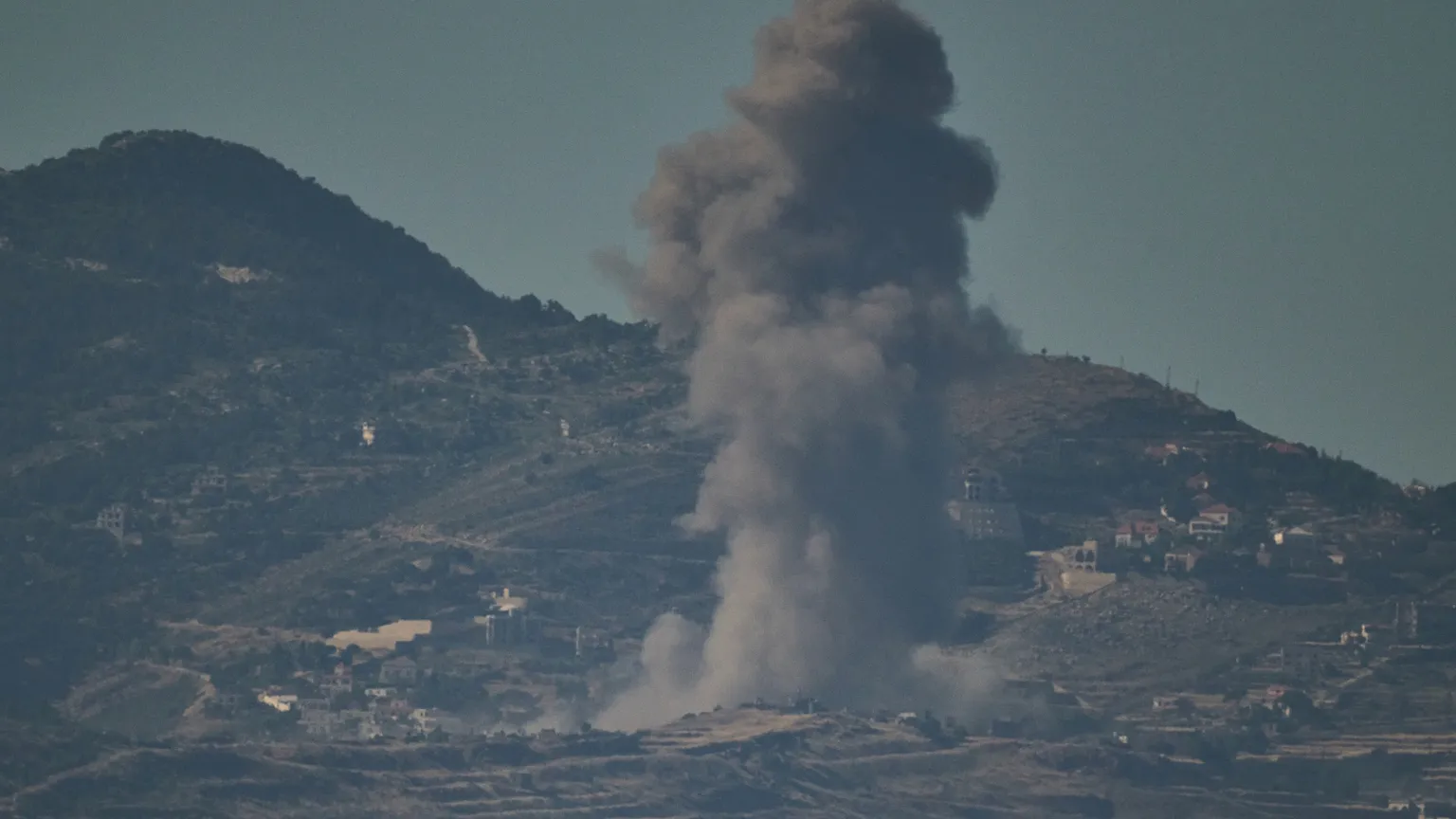
Lebanon reported Friday that Israel conducted a series of new strikes, resulting in the deaths of at least five people. The Lebanese government stated that these operations occurred amid broader regional tensions, emphasizing that Lebanon says Israel has carried out a wave of fresh strikes, killing at least five people. These fresh strikes were concentrated in southern Lebanon, a region frequently impacted by cross-border military activities. The fatalities and damage show the ongoing security concerns in the area, noting the volatile nature of the situation despite diplomatic efforts.
Saturday Morning Strikes
Israel carried out a wave of new strikes on southern Lebanon on Saturday morning, further escalating tensions. The Israeli military confirmed these operations, stating they targeted infrastructure belonging to Hezbollah. These targeted actions by the Israeli forces are part of a declared strategy to counter perceived threats from the militant group. Residents in several southern Lebanese villages reported hearing explosions and witnessing Israeli aircraft overhead throughout the morning. These latest strikes followed similar operations reported by Lebanon on Friday, indicating a continuous pattern of military engagement. The Lebanese government has not yet released an official statement regarding the Saturday morning incidents, but local media outlets are covering the developments extensively, providing real-time updates to the public. The operations have heightened concerns among local populations regarding continued military activity in the region, prompting fears of further escalation and humanitarian consequences.
Ceasefire Agreement Context
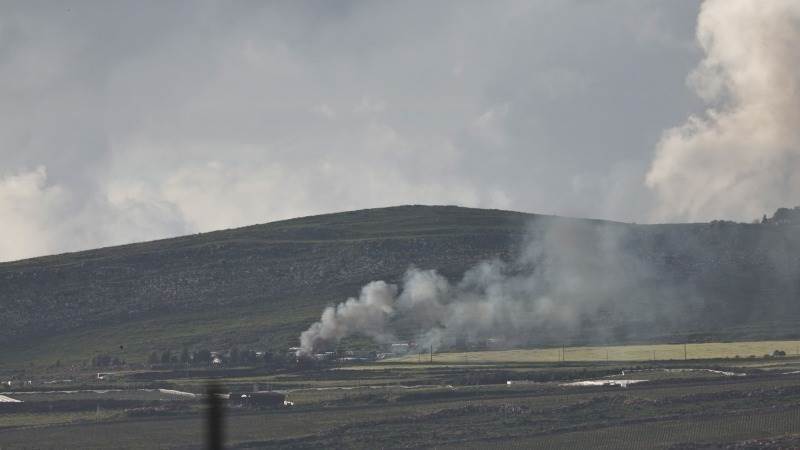
Israel and Hezbollah had agreed to a renewed ceasefire on Friday, aiming to de-escalate the recent surge in hostilities. Despite the agreement, an Israeli military strike occurred in southern Lebanon on Friday, June 19, 2026. Smoke was observed rising to the sky following this incident, as seen from northern Israel, clearly indicating the impact of the strike. This visible evidence of military action raised immediate questions about the adherence to the recently established ceasefire arrangement between the two parties. The timing of the strike, coming just hours after the truce was meant to take effect, created significant diplomatic friction and fueled accusations of violations.
Lebanon's Accusation
Lebanon's government has formally accused Israel of violating the recently established ceasefire. These accusations follow reports of continued Israeli military operations in southern Lebanon, directly contradicting the terms of the truce. Lebanese authorities emphasized that such actions undermine efforts to de-escalate regional tensions and jeopardize the fragile peace agreement, which was painstakingly negotiated. Reports from southern Lebanon describe a sustained presence of Israeli aircraft and audible explosions, which local residents attribute to these alleged violations. The persistent sound of explosions and the sight of military aircraft have become a grim reality for communities near the border. The Lebanese government has called for international intervention to ensure adherence to the ceasefire terms and prevent further escalation, seeking diplomatic pressure to enforce the agreement. These statements highlight Beirut's concern over ongoing military activity in its southern territories, despite the agreed-upon cessation of hostilities, and its appeal for global support to maintain peace.
Ongoing Tensions
Despite a recently agreed-upon ceasefire, tensions persist between Lebanon and Israel, marked by continued military activity in the region. Lebanon has accused Israel of violating the truce with fresh strikes in southern Lebanon, which reportedly caused fatalities and damage. These incidents, including an Israeli military strike on Friday, June 19, 2026, from which smoke was seen rising from northern Israel, show the fragility of the peace agreement and the difficulties in maintaining stability. Israel confirmed operations targeting Hezbollah infrastructure in southern Lebanon on Saturday morning, following similar reports from Friday, indicating a pattern of retaliatory or pre-emptive strikes. Residents in southern Lebanese villages have reported hearing explosions and witnessing Israeli aircraft, living under constant threat of renewed conflict. The ongoing exchanges of fire and accusations of ceasefire breaches suggest a deeply entrenched conflict that remains highly susceptible to renewed violence, despite international efforts for de-escalation.