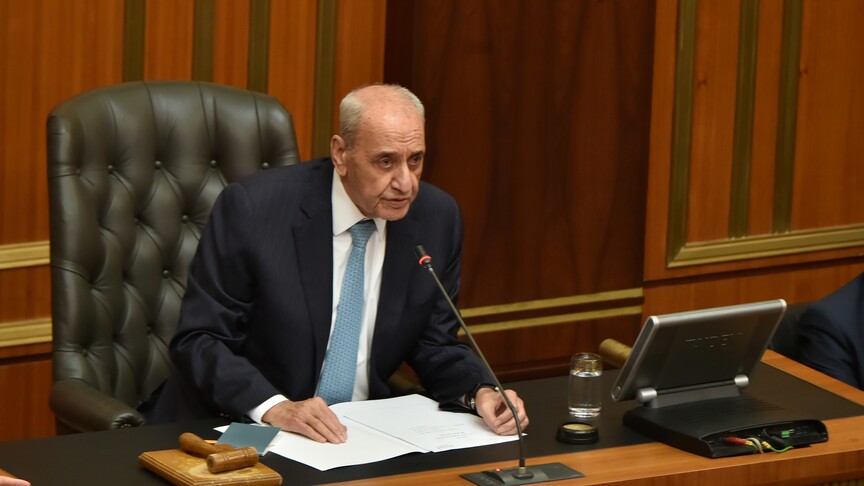
Lebanese Parliament Speaker Nabih Berri stated Hezbollah would commit to a ceasefire with Israel, provided Tel Aviv "fully and comprehensively" adheres to the agreement. Mr. Berri affirmed, "I reaffirm Lebanon's position and Hezbollah's commitment to the ceasefire as long as Israel fully and comprehensively adheres to it." He further clarified that Hezbollah will remain committed to a ceasefire agreement with Israel as long as Tel Aviv “fully and comprehensively" adheres to the deal. This declaration followed the electronic signing of the “Islamabad Memorandum of Understanding” by US President Donald Trump and Iranian President Masoud Pezeshkian on Wednesday evening. The recently signed US-Iran agreement calls for the “immediate and permanent cessation of military operations on all fronts, including Lebanon.” The memorandum aims to end the war launched by the US and Israel against Iran on February 28. This significant diplomatic development signals a potential shift in the regional conflict landscape, particularly concerning the long-standing tensions involving Lebanon and Israel.
Terms of the Accord
The Islamabad Memorandum of Understanding commits to "guaranteeing Lebanon’s territorial integrity and sovereignty," according to its terms. A final agreement stemming from the memorandum will affirm "a permanent end to the war on all fronts." This full cessation of hostilities is a primary objective of the ongoing diplomatic efforts. Washington and Tehran are scheduled to hold negotiations for 60 days, with the possibility of an extension. Those discussions aim to reach a final agreement that covers Iran’s nuclear program and international sanctions. These negotiations are key for establishing a lasting peace and addressing broader geopolitical concerns. The initial memorandum outlines key principles intended to guide these subsequent talks between the United States and Iran, as both parties work towards a full resolution that could reshape regional stability. The scope of these negotiations extends beyond immediate military cessation to encompass critical long-term issues.
Ongoing Conflict in Lebanon
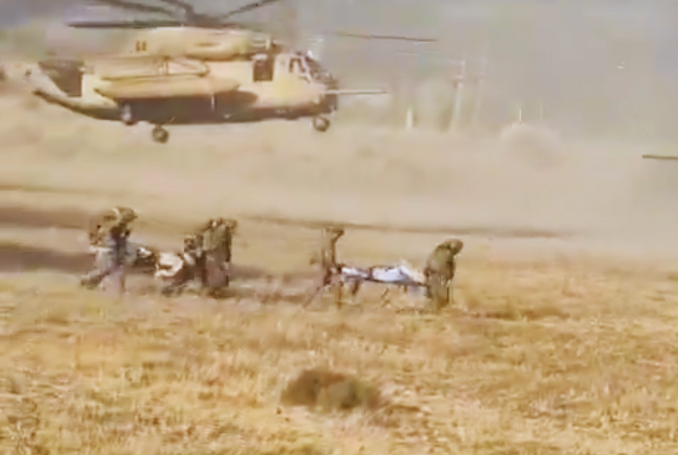
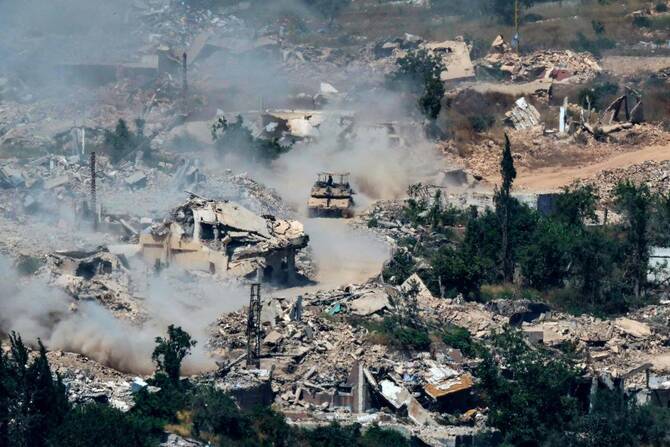
Israel has waged a large-scale offensive on Lebanon since March 2, resulting in significant casualties and displacement. According to the latest official figures, the offensive has killed 3,912 people, injured 11,873 others, and displaced more than 1 million individuals. During this recent military campaign, Israeli forces advanced more than 10 kilometers (6 miles) into Lebanese territory. This advancement has led to the occupation of strategic areas. Israel continues to occupy areas in southern Lebanon, some of which have been under occupation for decades, while others were seized during the latest conflict. Israel continues its daily strikes in Lebanon and maintains that it will not withdraw from areas it occupies in southern Lebanon. The persistent military actions and the refusal to withdraw from occupied territories show the complexity of achieving a full and lasting ceasefire in the region. The humanitarian impact of these ongoing operations remains a grave concern for international observers.
Diplomatic Maneuvers
Lebanese Parliament Speaker Nabih Berri indicated that this stance aims to facilitate the success of the ongoing Iranian-US negotiations in Switzerland. Mr. Berri previously affirmed, "I reaffirm Lebanon's position and Hezbollah's commitment to the ceasefire as long as Israel fully and comprehensively adheres to it." This declaration follows the electronic signing of the “Islamabad Memorandum of Understanding” by US President Donald Trump and Iranian President Masoud Pezeshkian, an agreement calling for the immediate and permanent cessation of military operations on all fronts, including Lebanon. The memorandum commits to guaranteeing Lebanon’s territorial integrity and sovereignty. Washington and Tehran are scheduled to hold 60 days of negotiations to reach a final agreement covering Iran’s nuclear program and international sanctions. These negotiations, with the possibility of an extension, are seen as a critical pathway to de-escalation and a more stable regional environment, provided all parties uphold their commitments.