Iran's Foreign Ministry spokesman Esmail Baghaei declared on Tuesday that the country's defense capabilities and missile program are not open for negotiation, amidst reported security incidents in southern Lebanon. Baghaei stated there has been no change to Iran’s plans regarding the Geneva meeting, despite recent developments. "Iran’s defense capabilities and missile program are not open for negotiation," Baghaei asserted, according to Iranian state media. This firm declaration by the Iranian official shows the nation's unwavering stance on its military programs.
Baghaei also addressed the situation in Lebanon, warning that "the continued Israeli occupation of Lebanese territory would be considered a violation of the memorandum of understanding." He added that "the necessary measures would be taken if such a violation occurs." His comments followed Israeli media reports of another security incident in southern Lebanon, in addition to two earlier incidents described as exceptional. The spokesman's remarks highlight Iran's close monitoring of regional developments and its commitment to the terms of the memorandum.
Iran's Firm Stance on Defense
Esmail Baghaei, spokesperson for Iran's Foreign Ministry, confirmed that the memorandum of understanding between Iran and the United States was signed digitally, stating that no formal signing ceremony would take place in Switzerland. This digital signing process indicates a pragmatic approach to diplomatic agreements. Baghaei reiterated Iran’s firm position on its defense capabilities, asserting that they would not be discussed with any party or in any forum. He further clarified that Iran’s missile program is completely outside the scope of any negotiations. "Iran’s defense capabilities and missile program are not open for negotiation," Baghaei stated, emphasizing a principle that Tehran has consistently upheld. These statements reinforce Iran's sovereign control over its military development, particularly its ballistic missile capabilities.
Tasnim News Agency reported that both Tehran and Washington officially signed the Persian-language version of the memorandum, in addition to the digital agreement. This dual signing process, involving both a digital and a Persian-language version, suggests a full and formal approach to the agreement. Former U.S. President Donald Trump has previously commented on the issue of ballistic missiles, stating, "if other countries possess ballistic missiles, it would be unfair for Iran not to possess ballistic missiles as well." This perspective from President Trump offers a different dimension to the ongoing international discourse regarding Iran's missile program, acknowledging a potential disparity in military capabilities among nations.
Baghaei also addressed regional concerns, specifically regarding Lebanon. He warned that "the continued Israeli occupation of Lebanese territory would be considered a violation of the memorandum of understanding." He further indicated that "the necessary measures would be taken if such a violation occurs." These warnings signal Iran's readiness to respond to perceived infringements of the agreement. Despite these developments, Baghaei maintained that Iran's plans for the Geneva meeting remained unchanged. "There has been no change to Iran’s plans regarding the Geneva meeting," he affirmed, indicating continuity in Iran's diplomatic schedule despite regional tensions.
Lebanon Conflict Escalates
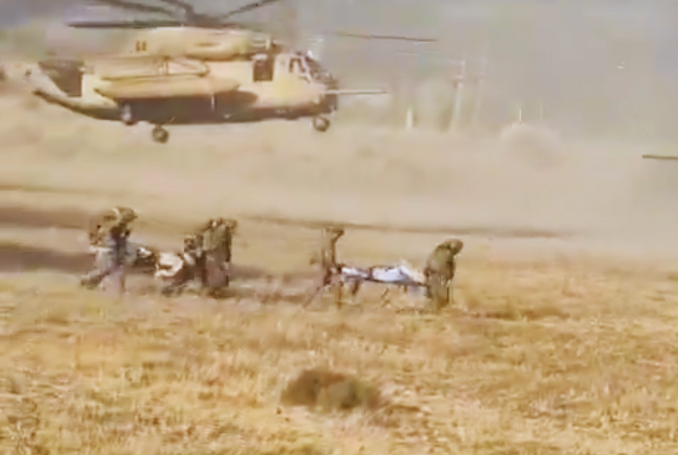
Israeli media reported a new security incident in southern Lebanon, with casualties reportedly evacuated by helicopter. Five Israeli soldiers were wounded in the incident, including one seriously, after Hezbollah carried out a double drone ambush targeting an Israeli force and a rescue team, according to those reports. Casualties were being evacuated from the area by helicopter, showing the severity of the confrontation. The detailed reports from Israeli media provide a clear picture of the tactical nature of the recent engagements in the volatile border region. This incident marks a significant escalation, following two earlier incidents described as exceptional, further heightening the security concerns in southern Lebanon.
Amidst these developments, Channel 13 reported that Prime Minister Benjamin Netanyahu offered US President Donald Trump a significant reduction of Israeli forces in Lebanon rather than a complete withdrawal. This proposal suggests a strategic recalculation by Israel regarding its military presence and engagement in Lebanon, potentially aiming to de-escalate without fully disengaging. Trump commented on the broader regional situation, stating, "US military forces will remain in the Gulf region for a period of time." This declaration by President Trump reaffirms a continued American military presence in a strategically vital area. He also addressed the ongoing conflict involving Hezbollah, asserting, "the conflict between Hezbollah and Israel is expected to end soon." This optimistic projection from the US President suggests an anticipation of a resolution to the hostilities.
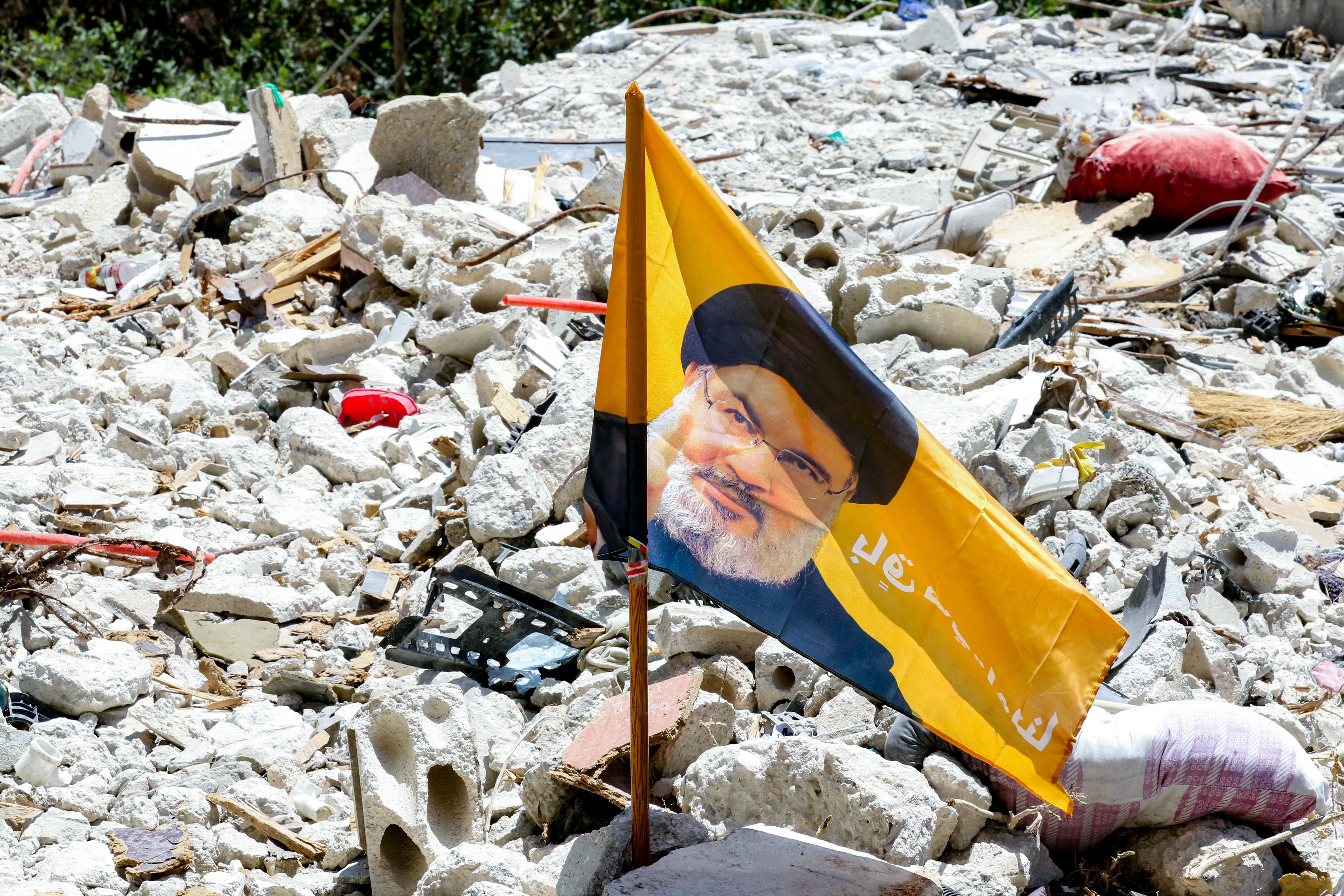
Trump also showed humanitarian concerns related to the conflict. He stressed "the need to remember that residential buildings had been destroyed and civilians harmed in Lebanon." These remarks bring attention to the human cost of the conflict, emphasizing the impact on the civilian population and infrastructure. His comments emerged as a security incident unfolded in southern Lebanon, with reports indicating casualties were being evacuated from the area by helicopter. The incident involved a double drone ambush conducted by Hezbollah, which targeted an Israeli force and a subsequent rescue team, according to Israeli media. Five Israeli soldiers were wounded in the attack, with one sustaining serious injuries, noting the immediate and severe consequences of the military actions.
Previously, Trump had also commented on ballistic missiles, stating, "if other countries possess ballistic missiles, it would be unfair for Iran not to possess ballistic missiles as well." This statement provides context to a broader set of discussions involving regional security and military capabilities, and reflects a nuanced view on the proliferation of such armaments. The reported offer from Prime Minister Netanyahu to reduce Israeli forces in Lebanon, rather than a full withdrawal, came amidst these escalating tensions and follows a series of security incidents in the region, indicating a complex and evolving strategic landscape.
Regional Security Dynamics
Iran's Foreign Ministry spokesman Esmail Baghaei stated that the continued Israeli occupation of Lebanese territory would be considered a violation of the memorandum of understanding. Baghaei added that the necessary measures would be taken if such a violation occurs, signaling a potential for Iranian response. Meanwhile, Parliament Speaker Mohammad Bagher Ghalibaf declared that Iran’s “hands are on the trigger,” showing a firm stance on regional security. This powerful metaphor from Ghalibaf conveys a strong message of readiness and resolve from Tehran.
Ghalibaf stated that the most important guarantee for Iran is the country’s strength and national unity rather than any future UN Security Council resolution. This statement emphasizes Iran's reliance on its internal capabilities and cohesion as primary deterrents and sources of security, rather than external diplomatic frameworks. He also asserted that Iran prevented the United States and Israel from achieving what he described as the nine objectives they announced at the beginning of the war. This claim by Ghalibaf positions Iran as a successful counter-force against the stated goals of its adversaries, noting its perceived effectiveness in regional conflicts. Hezbollah Secretary-General Sheikh Naim Qassem echoed these sentiments, stating that "the resistance had defeated Israel’s objectives in Lebanon and rejected any future disarmament initiative." Sheikh Qassem emphasized, "We Broke Israel’s Project," referring to the resistance's actions against Israeli objectives in Lebanon. These remarks from the Hezbollah leader reinforce the narrative of successful resistance against Israeli military and political aims in the region, and firmly reject any proposals for disarmament. The Iranian officials' remarks come amid heightened tensions in the region, particularly concerning the situation in Lebanon and the broader security landscape, reflecting a unified front against perceived external threats.
US Presence and Future Outlook
Former U.S. President Donald Trump has stated that American military personnel would maintain a presence in the region. "US military forces will remain in the Gulf region for a period of time," Trump affirmed, indicating a sustained commitment to regional stability and security. He also projected an imminent resolution to ongoing hostilities, commenting that "the conflict between Hezbollah and Israel is expected to end soon." This assessment from the US President suggests a belief in the possibility of a rapid de-escalation or conclusion to the current clashes. Trump further noted humanitarian concerns, emphasizing "the need to remember that residential buildings had been destroyed and civilians harmed in Lebanon." This focus on civilian suffering shows the broader impact of military conflicts and the importance of humanitarian considerations. Additionally, he addressed the broader issue of military capabilities, remarking that "if other countries possess ballistic missiles, it would be unfair for Iran not to possess ballistic missiles as well." This statement from President Trump reflects a perspective on military parity and the perceived fairness of missile capabilities among nations, adding another layer to the complex discussions surrounding Iran's defense program. The continued US military presence and these statements from President Trump reflect the multifaceted international involvement and perspectives on the evolving security dynamics in the Middle East.