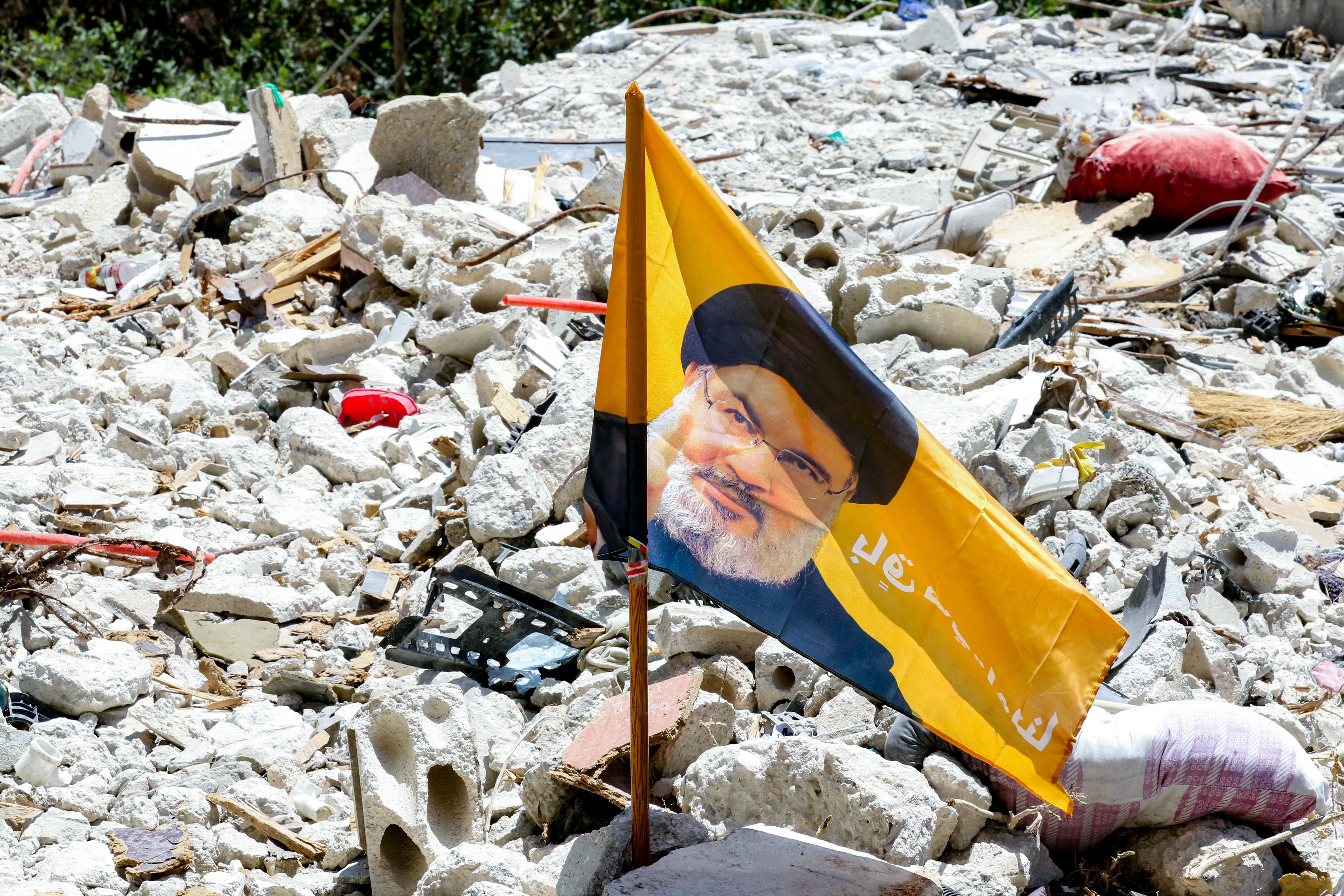
Israel's Prime Minister Benjamin Netanyahu has threatened continued occupation of southern Lebanon, defying an impending ceasefire deal between the United States and Iran. The agreement, expected to be formally signed on Friday, June 19, 2026, aims to end military hostilities and reopen the Strait of Hormuz. The United States and Iran are also slated to begin negotiations on a long-term peace accord following the signing. Prime Minister Netanyahu stated Israeli forces would maintain their presence in Lebanon regardless of the diplomatic outcome. This declaration comes as the article is dated June 17, 2026, just two days before the scheduled signing of the agreement.
Deal Details and Iran's Position
A memorandum of understanding, obtained by CNN and other media outlets, outlines an immediate and permanent end to the war on all fronts, including Lebanon. According to the terms of this memorandum, there is to be "an immediate and permanent end to the war on all fronts, including Lebanon." The leaked text of the agreement also promises sanctions relief for Iran, along with access to the country's frozen assets held abroad. Additionally, the deal includes a $300 billion fund designated for reconstruction and development efforts. The memo reaffirms Iran's long-held position that it will never produce nuclear weapons, with the future of its nuclear program deferred to subsequent negotiations. This reiteration of Iran’s long-held stance on nuclear weapons aims to address international concerns while deferring the specifics of its nuclear program for later discussions.
In the days following Tehran's tentative deal to end the U.S. War, Iran has accused Israel of violating the ceasefire in Lebanon at least 84 times. Iranian officials have warned of a harsh response should Israel continue to escalate its operations. These warnings came after Israeli forces killed another four people in Lebanon. The Iranian government's strong statements show the fragility of the regional situation even as a major diplomatic agreement approaches.
Israeli Defiance and Domestic Reaction
Israel has publicly vowed to disregard the impending U.S.-Iran agreement and maintain its military presence in southern Lebanon. This stance directly challenges the international efforts to de-escalate tensions in the region. Many Israeli leaders and commentators have expressed outrage over the deal's perceived conciliatory terms towards Iran. This widespread sentiment reflects deep-seated concerns within Israel regarding Iran's regional influence and nuclear ambitions.
Ori Goldberg, a commentator, noted that Israel was excluded from the U.S.-Iran discussions and its request for an advanced draft of the Memorandum of Understanding (MOU) was denied. "First of all, I think the most important aspect of the deal is what it’s not about. And it’s not about Israel," Goldberg stated. He added, "Israel was not included in the discussions. Israel asked to see an advanced draft of the MOU and was denied. This is an agreement between the United States and Iran, and it’s based on Trump’s interests and the Islamic Republic’s interests. Israel is not a part of it." Goldberg's analysis shows Israel's feeling of marginalization in a deal that significantly impacts its security landscape.
Goldberg further suggested that U.S. President Donald Trump has grown tired of Prime Minister Benjamin Netanyahu's actions. "Trump’s had enough," Goldberg said, clarifying, "He hasn’t had enough because he cares about the Palestinians or about Lebanon. He’s had enough of Netanyahu’s disrespect. He’s had enough of the notion that it’s actually Netanyahu who’s calling the shots." This perspective points to a personal dimension in the strained relationship between the two leaders, influencing the broader diplomatic environment. Goldberg questioned whether Israel was bound by the agreement, noting the populist stance of figures like National Security Minister Itamar Ben-Gvir. He emphasized that Netanyahu, as a national leader, cannot entirely detach Israel from the United States, acknowledging that "Israel cannot operate in Lebanon alone, if it has — if it has invoked the ire of the world, and specifically Washington, towards it."
Goldberg also observed that Israel's actions have alienated international allies. "I don’t think Israel really has one significant ally left, which is, of course, Israel’s doing, because it has consistently and emphatically burned all of its bridges over the past year or so," he asserted. He concluded that Israel is "just not in the game" regarding this agreement. Meanwhile, residents interviewed in Israel's north expressed a profound sense of unease. According to Goldberg, referring to a _Haaretz_ report, "all of the residents that they interviewed said, 'The quiet scares us more than when the action is on.'" This sentiment notes the psychological toll of the ongoing conflict and the apprehension about an uncertain future, even in periods of relative calm. Goldberg also stated that the majority of Jewish Israelis believe that complete freedom of action for Israel, where it can do whatever it wants and suffer no consequences, is the way to go. This widely held belief within the Israeli public could influence political decisions and further complicate international relations.
U.S. Criticism and Analyst Views
U.S. President Donald Trump has publicly criticized Israeli Prime Minister Benjamin Netanyahu, stating that the Israeli leader "has to be more responsible" in Lebanon. This criticism comes amidst ongoing tensions and Israel's defiance of an impending U.S.-Iran ceasefire deal. President Trump's remarks signify a rare public rebuke of a key ally and reflect the growing frustration within the U.S. Administration over Israel's independent actions.
Israeli National Security Minister Itamar Ben-Gvir rejected the notion that Israel is bound by the agreement, asserting the nation's sovereignty. "Trump’s agreement does not bind us. Israel is not subject to the United States, and we are an independent and sovereign nation!" Ben-Gvir stated on social media. He further clarified, "My position is clear: We are not partners to this agreement [with Iran] that does not ensure our security, and it does not bind us in any way." Ben-Gvir's strong words encapsulate the hardline stance taken by some Israeli officials, emphasizing national self-determination over international diplomatic frameworks they perceive as detrimental to Israel's security.
Political analyst Ori Goldberg suggested that President Trump's stance reflects a growing impatience with Netanyahu. Goldberg stated, "Trump’s had enough," elaborating that this was not "because he cares about the Palestinians or about Lebanon." Instead, Goldberg explained, Trump "He’s had enough of Netanyahu’s disrespect. He’s had enough of the notion that it’s actually Netanyahu who’s calling the shots." This analysis points to a significant shift in the dynamics between the two leaders, potentially impacting future U.S.-Israel relations.
Goldberg also observed a prevalent sentiment among Jewish Israelis, indicating that "complete freedom of action for Israel, where it can do whatever it wants and suffer no consequences," is widely perceived as the correct approach. This perspective, if broadly adopted, could lead to continued unilateral actions by Israel, further straining its relationships with international partners and potentially undermining regional stability.