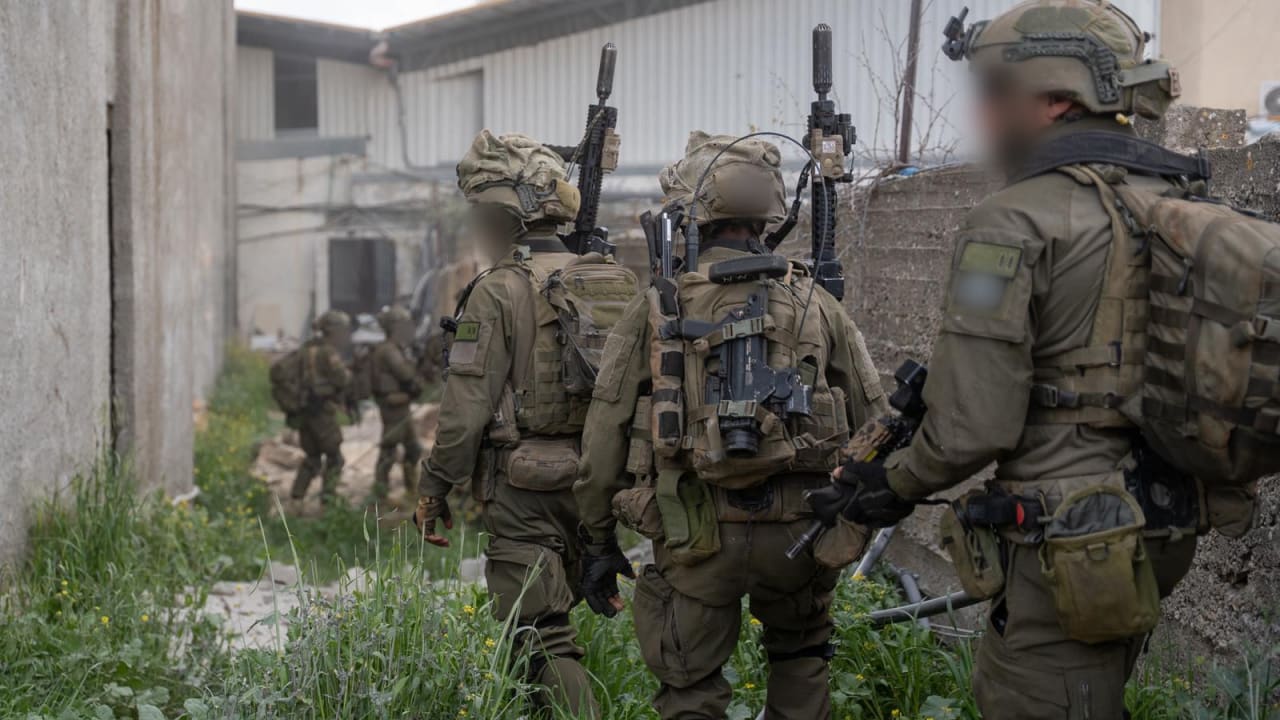
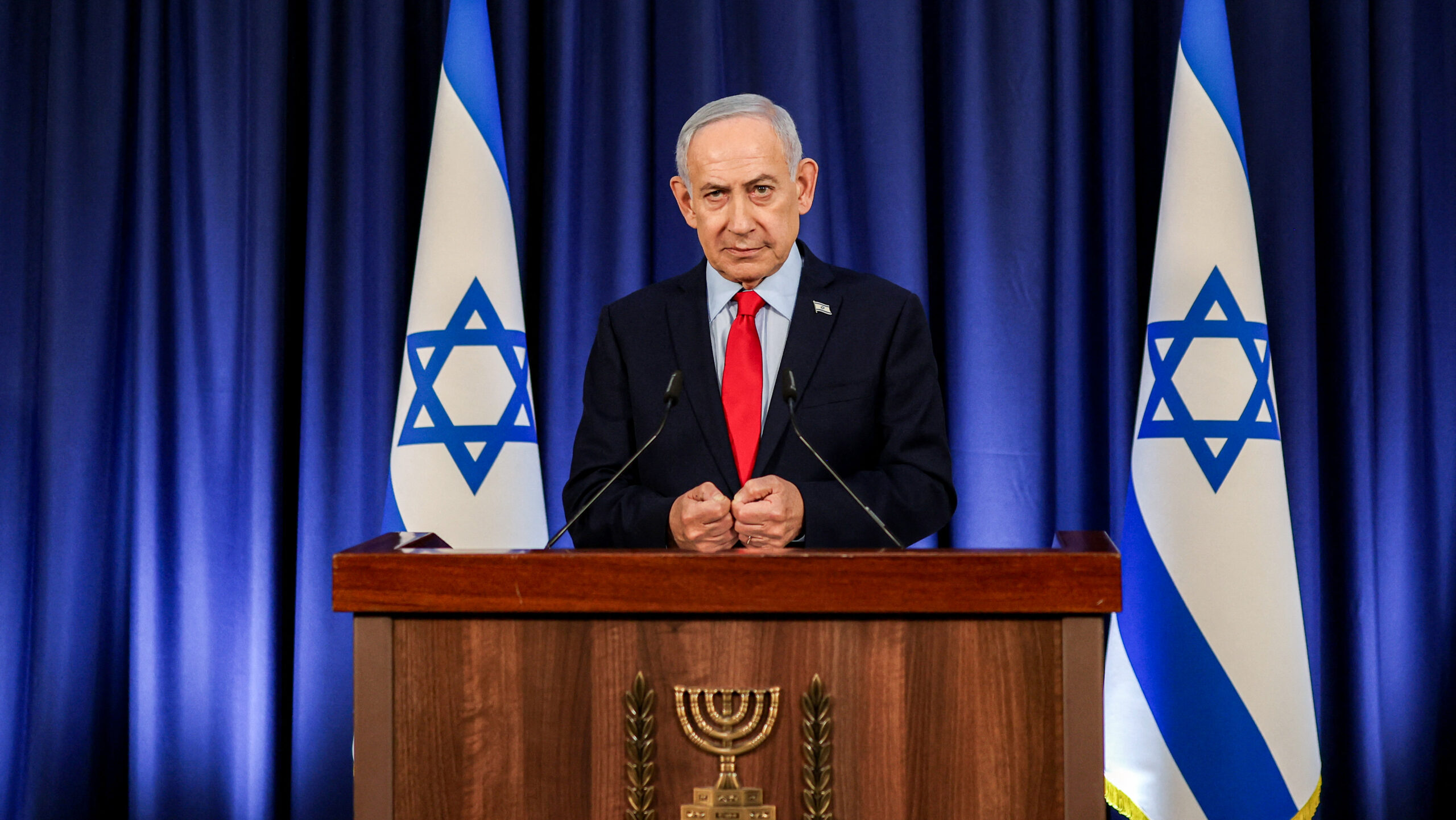
Israeli Prime Minister Benjamin Netanyahu reaffirmed Israel’s intention to maintain its military presence in southern Lebanon. The declaration comes amid ongoing regional tensions and reports of potential de-escalation efforts. Prime Minister Netanyahu stated, "What we did in Gaza, we will also do on the northern front," signaling a forceful approach to the border region. His comments show Israel's strategic focus on its northern border, emphasizing a continued military posture in the area. This stance indicates a consistent operational approach in these regions, echoing actions taken in other conflict zones.
Netanyahu's Unwavering Stance
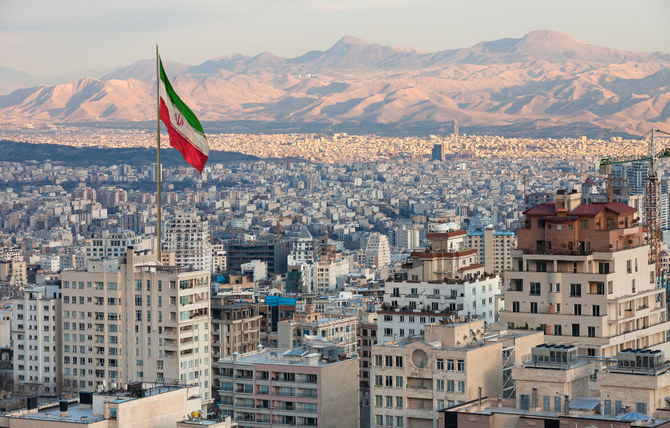
Israeli Prime Minister Benjamin Netanyahu affirmed Israel's intent to maintain its military presence in buffer zones across Lebanon, Gaza, and Syria. He stated, "What we did in Gaza, we will also do on the northern front," indicating a consistent operational approach in these regions. Netanyahu also claimed Israeli strikes on Iran had prevented a "nuclear annihilation threat" against Israel. This assertion notes a perceived critical role for Israeli military action in safeguarding national security. The Prime Minister's remarks show a firm stance on Israel's security operations beyond its borders, particularly concerning perceived threats from neighboring territories. His statement regarding Iran notes a perceived need for preemptive action to safeguard national security interests, linking past military actions to current strategic objectives. These declarations reinforce Israel's commitment to proactive defense measures in the face of regional challenges.
Reported Iran-US Understanding
Media reports have identified regional de-escalation, particularly in Lebanon, as a key component of a recent understanding between Iran and the United States. This reported understanding suggests a diplomatic effort aimed at reducing tensions in the region. The potential for such an agreement has drawn significant attention from regional observers and political analysts, given its implications for the broader security landscape.
Israeli media reported that Iran linked progress in these talks to a halt in Israeli military operations in Lebanon and other regional conflict zones. According to these reports, an cessation of Israeli military actions was presented as a condition for further advancements in discussions. This linkage suggests Iran's desire to leverage diplomatic channels to influence military activities in areas it deems strategically important.
Israel's Channel 13 alleged that conditions discussed as part of the Iran-US understanding could restrict Israel’s military freedom of action in Lebanon. The report suggests that any such agreement might impose limitations on Israeli military operations within Lebanese territory, potentially altering the dynamics of border security. This alleged restriction has raised concerns within Israeli security circles regarding the nation's operational autonomy. Channel 13 further alleged that through this framework, Iran had effectively gained a 'veto' over certain Israeli military operations in Lebanon, a claim that has intensified the debate over the potential impact of the reported understanding.
Hezbollah Operations on Northern Front
Hezbollah announced it conducted an operation targeting Israeli armored units in southern Lebanon, stating the action was a response to alleged Israeli ceasefire violations. The group reported its fighters utilized guided missiles and loitering drones during the operation. These munitions were directed at two Merkava tanks and a military bulldozer. The targets were located along the Hami Arnoun–al-Qamasha axis, in the direction of Kfar Tebnit. This operation illustrates the ongoing military engagements along the border, noting the volatile nature of the region despite de-escalation efforts. Hezbollah's detailed report of the attack, including the specific weaponry used and targets hit, emphasizes its operational capabilities and its stated commitment to responding to perceived Israeli provocations.
Israeli Security Concerns
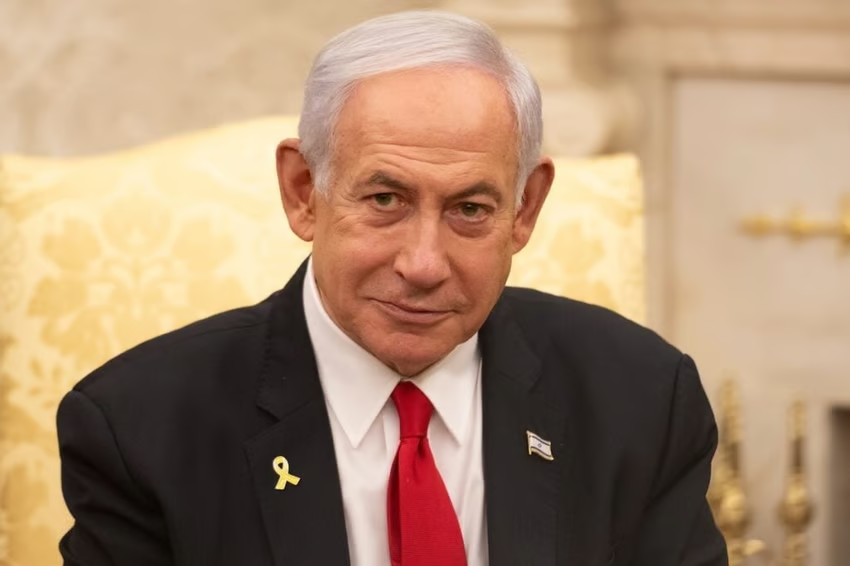
The Israeli newspaper Maariv reported that Prime Prime Minister Benjamin Netanyahu conveyed to then-U.S. President Donald Trump that Israel did not consider itself obligated to withdraw from southern Lebanon. This stance notes Israel's long-term security interests in the border region and its consistent position on maintaining a strategic presence. This historical communication shows a foundational aspect of Israel's defense policy concerning its northern frontier.
Separately, Israeli media outlets reported growing concern within Israel's political and security circles regarding the potential implications of a reported Iran-US agreement. These concerns center on how such an understanding might impact Israel's operational freedom, particularly if it introduces new constraints on military actions. The prospect of external agreements influencing Israel's security decisions has become a significant point of discussion among policymakers and military strategists.
Channel 13, an Israeli broadcaster, alleged that through this framework, Iran had effectively gained a 'veto' over certain Israeli military operations in Lebanon. This claim suggests that the reported understanding could impose significant constraints on Israel's actions in its northern neighbor, potentially limiting its ability to respond to perceived threats. The alleged 'veto' power granted to Iran has fueled anxieties within Israel about its strategic independence and capacity to ensure its own security.