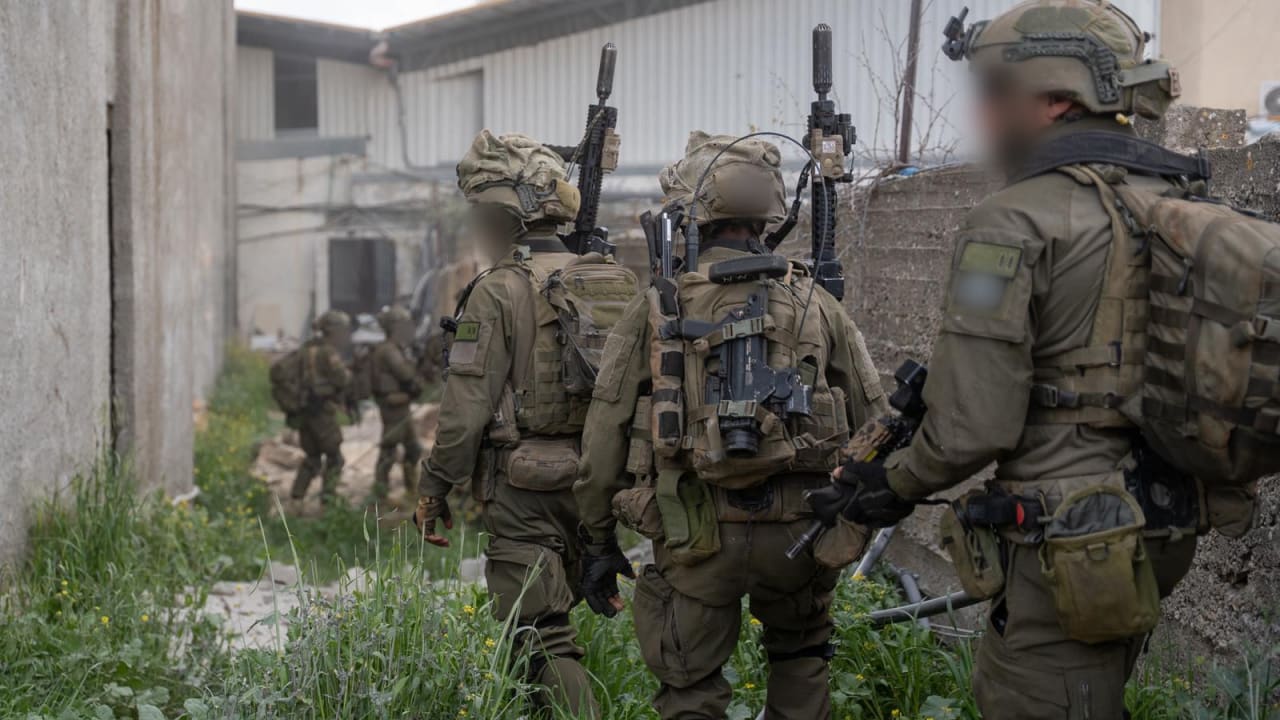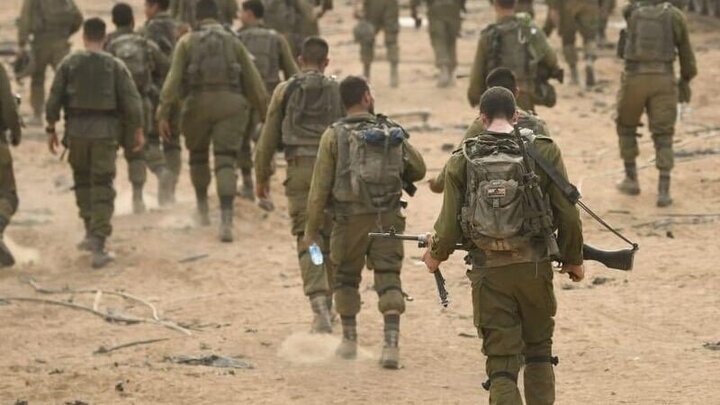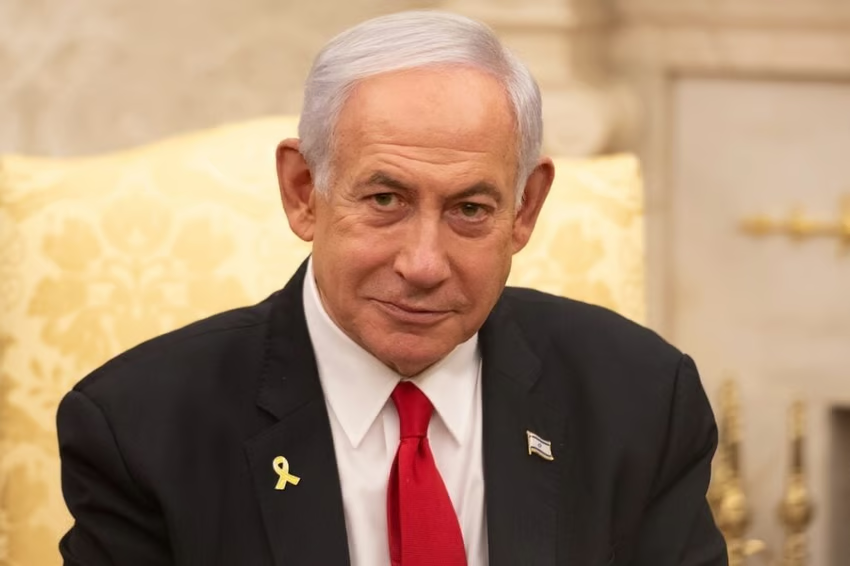
Israel has announced its decision to maintain a military presence in southern Lebanon, a move that directly defies a recently brokered US-Iran peace agreement. This declaration shows a significant divergence in strategic priorities between Israel and the United States, particularly concerning regional security and the future of military operations in the Levant. Israel Katz, a prominent Israeli official, stated unequivocally that Israel would continue to operate in what it terms "security zones" extending across Lebanon, Syria, and Gaza. Katz asserted that this military presence, deemed key for Israel's defense, would persist "without any time limit," signaling Israel's firm intent to sustain its operations in these strategically vital regions indefinitely, irrespective of external diplomatic arrangements.
Israel's Unwavering Security Stance Amidst Regional Tensions
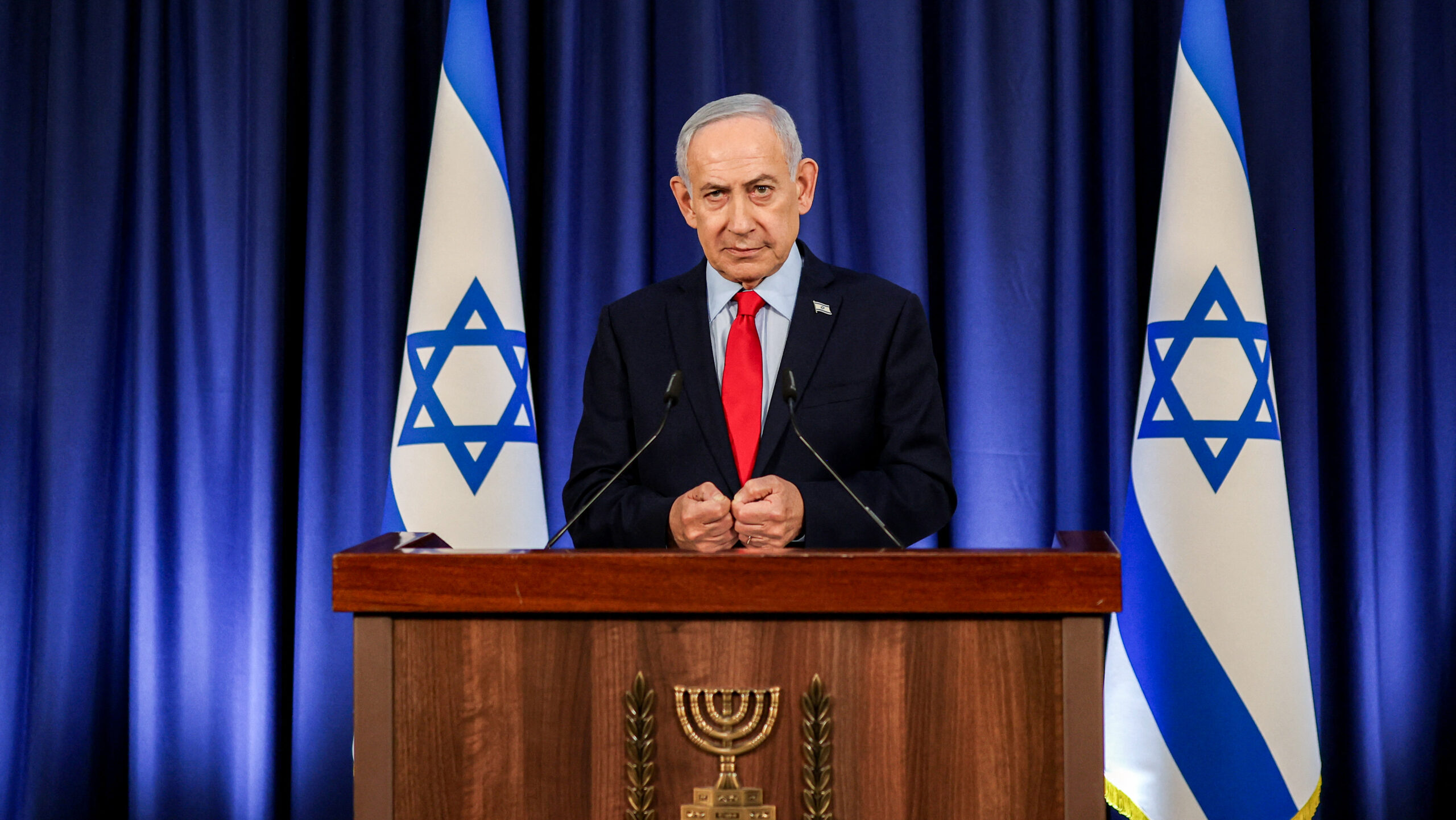
Israel is currently engaged in an active conflict with the Iran-backed Hezbollah militant group in southern Lebanon. This ongoing confrontation, characterized by frequent exchanges of fire and incursions, has significantly contributed to Israel's firm stance on its security operations and its determination to maintain a forward military posture. The protracted nature of this conflict further solidifies Israel's resolve to control areas it deems essential for its national security. Members of Prime Minister Benjamin Netanyahu's coalition have explicitly stated that Israel will "not be bound" by the terms of the recent U.S.-Iran agreement, emphasizing the government's commitment to prioritizing its own security considerations above international diplomatic pressures.
This position was further emphasized by Itamar Ben-Gvir, Israel's National Security Minister, who insisted that Israel would retain complete autonomy in making its own security decisions, particularly regarding its military presence and operations in neighboring territories. Ben-Gvir's statement shows a potential divergence in strategic priorities between the two nations, noting Israel's independent approach to its defense doctrine. The minister's remarks reflect a broader sentiment within the Israeli government that the nation's security cannot be compromised or dictated by agreements to which it is not a direct party.
The differing perspectives on regional strategy and security arrangements were also noted by Vice President JD Vance, who noted that the United States and Israel do not always share perfectly aligned interests. Vance's remark suggests an acknowledgment of independent national security concerns that may influence policy decisions for both nations, recognizing that while allies, their specific geopolitical situations can lead to distinct strategic imperatives. Israel's continued military presence in southern Lebanon, despite the newly formed U.S.-Iran deal, reflects its unwavering commitment to what it perceives as essential security operations in the region, aimed at deterring threats and protecting its borders.
International Reactions and Demands Following the Peace Deal
A peace agreement between the United States and Iran was recently announced by President Donald Trump, a development that was immediately met with complex international reactions and specific demands regarding Israel's military activities in the region. The deal, intended to de-escalate tensions between Washington and Tehran, inadvertently placed a spotlight on Israel's operations. Iranian Foreign Minister Abbas Araghchi stated emphatically that Israel must cease its military operations in Lebanon for the U.S.-backed peace deal to take effect. Araghchi’s demand showed the interconnectedness of regional conflicts and the potential for one agreement to influence others, emphasizing, "Israel must halt its military operations in Lebanon for the U.S.-backed peace deal to take effect." This condition set by Iran presents a significant challenge to the implementation and stability of the newly forged diplomatic arrangement.
President Trump had previously warned Israel against conducting further strikes in Lebanon shortly before making the peace deal announcement, indicating an awareness of the potential for Israeli actions to undermine delicate diplomatic efforts. The U.S. President later revealed to Axios that he was significantly angered by an Israeli strike in Beirut, reacting strongly towards Israeli Prime Minister Benjamin Netanyahu. "I was so pissed off," Trump told Axios, recounting his reaction to the strike, adding, "I let him know. He has no f**** judgment. I let him know that." This candid exchange notes the profound tensions surrounding Israel's military actions and their potential impact on broader diplomatic efforts in the Middle East, particularly as the U.S. Sought to finalize its agreement with Iran. The incident showed the delicate balance between allied interests and the pursuit of regional stability.
Coalition and Ministerial Views on Sovereignty and Security
Defense Minister Israel Katz stated on Monday that Israel would retaliate "with full force" if Iran were to attack the country due to events in Lebanon. This stark warning from Katz shows Israel's readiness to defend itself against any perceived aggression linked to the ongoing conflict with Hezbollah and the broader regional dynamics. Katz had previously asserted that Israel's military presence in its self-declared "security zones" across Lebanon, Syria, and Gaza would persist "without any time limit," reinforcing the government's long-term commitment to these strategic areas. He further clarified that Israel would not withdraw from these zones, viewing them as critical buffers against hostile forces. This position reflects a deeply ingrained security doctrine that prioritizes preemptive and sustained military engagement to protect Israeli borders and citizens.
Israel's National Security Minister, Itamar Ben-Gvir, unequivocally rejected the recent US-Iran agreement, emphasizing the country's unyielding independence in security matters. Ben-Gvir declared, "Israel is not subordinate to the United States….We are not partners to this agreement, which does not safeguard our security." His statement notes a fundamental disagreement with the premise of the deal, arguing that it fails to adequately address Israel's security concerns. Ben-Gvir further argued that Israel should not withdraw from territory captured during its operations, stating, "We must not withdraw from any territory [in Lebanon] that our fighters have captured." This stance reflects a hardline approach to territorial control and military gains, asserting that any captured land is vital for maintaining Israel's defensive posture and deterring future attacks. The minister's remarks show the Israeli government's determination to act unilaterally when it deems its national security to be at stake, even in the face of pressure from its closest allies.