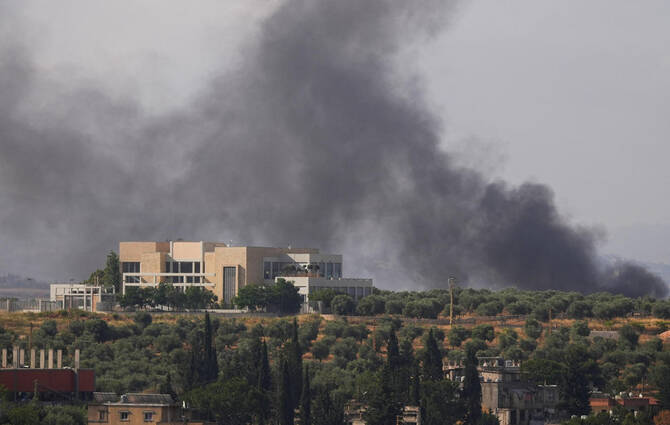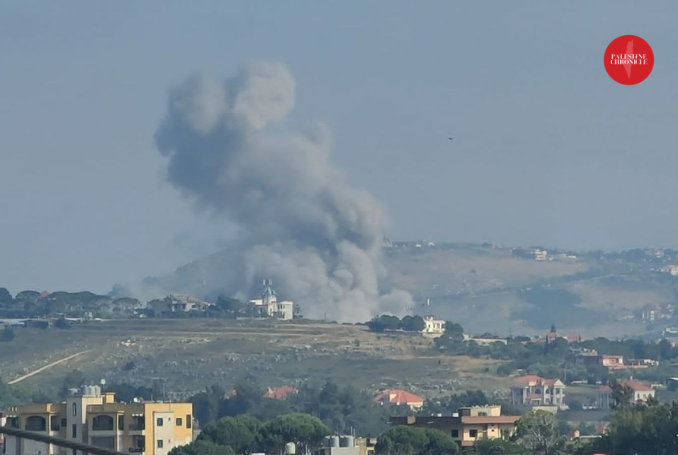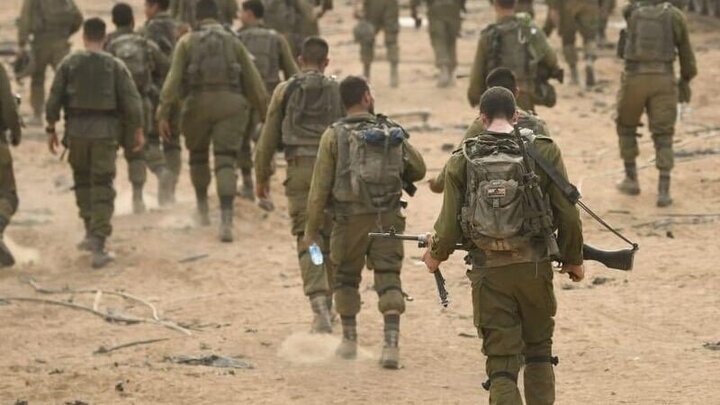
An Israeli media outlet reported that the regime's army is preparing to halt ground operations in south Lebanon. This reported preparation comes as part of a potential agreement currently being formed between Washington and Tehran. This move, which is being taken within the framework of an agreement being formed between Washington and Tehran, suggests a significant shift in the regional dynamic, linking military actions in Lebanon to broader diplomatic efforts involving Iran and the US. Israel's decision to potentially pause ground operations is framed within this evolving international understanding, indicating a complex interplay of military strategy and diplomatic negotiation. The preparation signals a potential de-escalation of direct military engagement in the southern Lebanese theater, reflecting a broader effort to manage regional tensions through diplomatic channels.
Deal Framework and Caveats
The regime's military will not withdraw from the 'safe zone' in southern Lebanon as part of the potential deal currently under consideration. This stipulation indicates that while ground operations may halt, a full withdrawal from the border area is not immediately foreseen. The presence of Zionist forces in the 'safe zone' is an issue that will be addressed in future negotiations and consultations. This suggests that the proposed agreement is an initial step, leaving critical territorial questions for subsequent diplomatic engagement. The specifics of these future negotiations remain to be detailed, but their necessity notes the preliminary nature of the current understanding. The continued presence in the 'safe zone' shows the complexities involved in achieving a full and lasting resolution to the border situation.
Driving Factors for Halt
Hezbollah's responses to the Zionist regime's breaches of ceasefire and Iran's warnings are considered significant factors compelling the regime to cease fighting, according to a report by a news outlet in Tel Aviv. The report suggests that the intensity of Hezbollah's actions, coupled with diplomatic interventions from Iran, has played a key role in influencing Israel's strategic considerations regarding its operations in south Lebanon. These elements collectively contribute to the pressure on Israel to reassess its military posture and potentially halt ground incursions. The combined impact of these actions and warnings has reportedly showed the need for a de-escalation of the conflict in the region. The assessment indicates that the regime's military leadership is responding to both direct military pressure and broader geopolitical signals, leading to a re-evaluation of its operational tactics in the area. This strategic adjustment aims to mitigate further escalation and potentially pave the way for more stable regional dynamics.
Regional Implications
According to Al Jazeera, several Zionist security sources informed the regime's radio and television organization about the preparation to stop ground operations in Lebanon. This development suggests a shift in military strategy, potentially aiming to de-escalate tensions along the border. The reported preparation indicates that internal discussions within the regime's security apparatus are actively considering a cessation of ground incursions into Lebanese territory. The sources' statements to the regime's public broadcasters show the seriousness of these internal deliberations. This information, relayed by Al Jazeera, points to a potential recalibration of military engagement in the region, aligning with broader diplomatic efforts. The implications of halting ground operations could include a reduction in direct confrontations and a shift towards other forms of security measures. This move is seen as a significant step towards reducing the immediate risk of wider conflict, potentially fostering an environment conducive to further dialogue and negotiation between the involved parties. The decision reflects a strategic pivot in how the regime intends to manage its security challenges on its northern border.