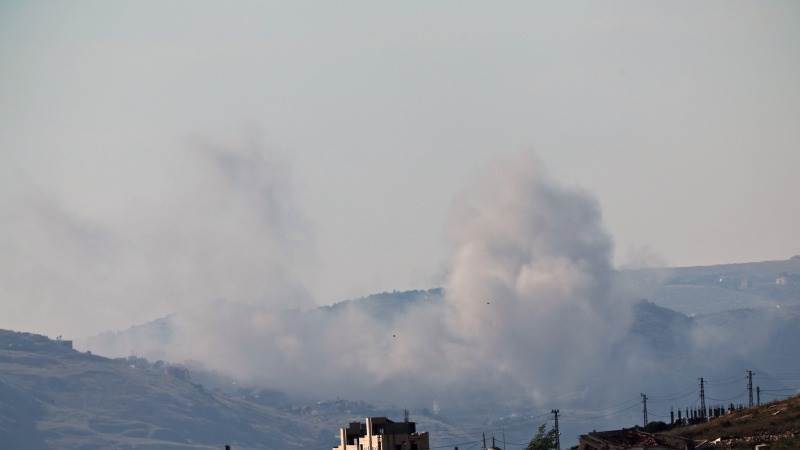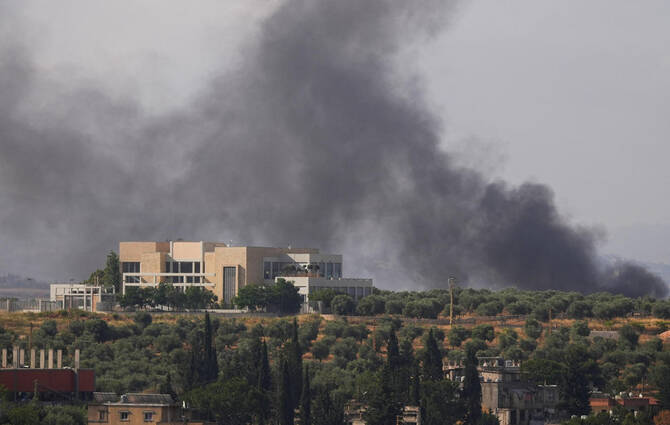
Lebanese state media reported Israeli strikes in the country's south on Saturday. The reports detailed ongoing military activity across the southern border region of Lebanon, marking a significant escalation in the area. These strikes occurred as warnings for potential evacuations were issued in certain areas, signaling a heightened state of alert for residents. The situation developed rapidly throughout the day, with various reports confirming the extent of the military actions. The initial reports from Lebanese state media noted the immediate impact of these strikes on the affected communities within southern Lebanon.
Evacuation Orders Issued
The Israeli army issued an evacuation warning for 20 locations, including the prominent city of Nabatieh, ahead of anticipated raids in those areas. This warning was disseminated to residents, urging them to take immediate action. The warning specified that residents should evacuate immediately, showing the urgency of the situation as perceived by the Israeli military. The Israeli army accused the movement of violating the truce currently in effect, providing a justification for their actions and the subsequent evacuation orders. This accusation set the stage for the military operations that followed, indicating a breakdown in the existing ceasefire arrangements. The issuance of such a broad warning for 20 distinct locations suggests a wide-ranging operation was being planned or was already underway.
Strikes Hit Southern Areas
Lebanon’s National News Agency (NNA) reported Israeli airstrikes in several areas covered by the evacuation warning issued earlier. These reports from the NNA provided key details regarding the locations affected by the military activity. The NNA specified that these strikes occurred in the villages of Rihan and Sujud, both of which are situated within the broader southern region. Both Rihan and Sujud are located not far from the city of Nabatieh, which was among the 20 locations for which the Israeli army issued an evacuation warning, indicating a concentrated focus on this particular zone. The strikes followed the Israeli army's instruction for residents in these areas to evacuate immediately, suggesting a direct correlation between the warnings and the subsequent military actions. The NNA's reports detailed that the aerial activity was concentrated in southern Lebanon, indicating a focused and intense period of operations. These developments unfolded amidst heightened tensions in the border region, which has been a flashpoint for military engagements. The Israeli army had accused Hezbollah of violating the truce currently in effect, an accusation that preceded the reported strikes and served as a significant point of contention. The NNA continued to monitor and report on the unfolding situation across the southern Lebanese border, providing real-time updates on the ground. The reports from the Lebanese state media, including the NNA, consistently described the ongoing nature of the Israeli strikes and their geographical scope within the country's south.
Official Statements and Warnings
The military’s Arabic-language spokesman Avichay Adraee posted on X, stating that the Israeli army had broadened the area of its operations in southern Lebanon. This public statement from a key military official showed the strategic intent behind the expanded operations. Adraee indicated that the military issued a warning to residents in villages south of the Zahrani River, advising them to evacuate their homes immediately. This specific geographical demarcation noted the new boundaries of the declared "combat zones." The spokesman emphasized that the Israeli army would not tolerate any "Hezbollah presence or activity" in the region, clearly articulating the primary target of their military efforts. He further added that the army considers the areas south of the Zahrani River to be "combat zones," a designation that implies a heightened risk for anyone remaining in these areas. Adraee's statement on X showed the Israeli military's position regarding the ongoing situation in southern Lebanon and its intent to target alleged Hezbollah activity, providing an official perspective on the unfolding events.