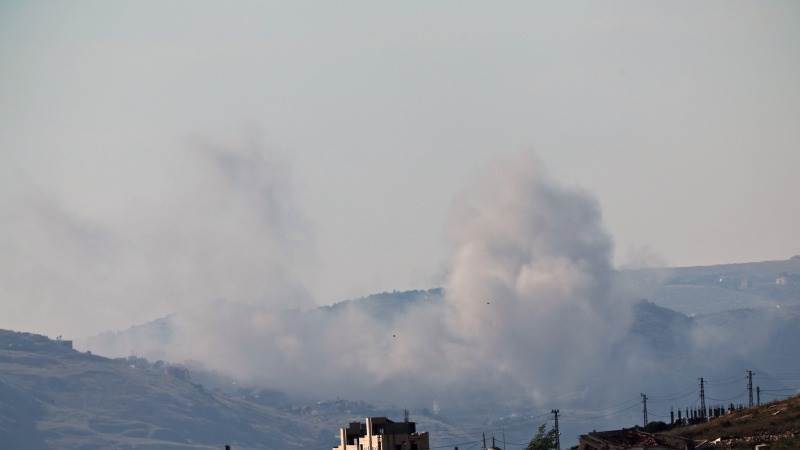
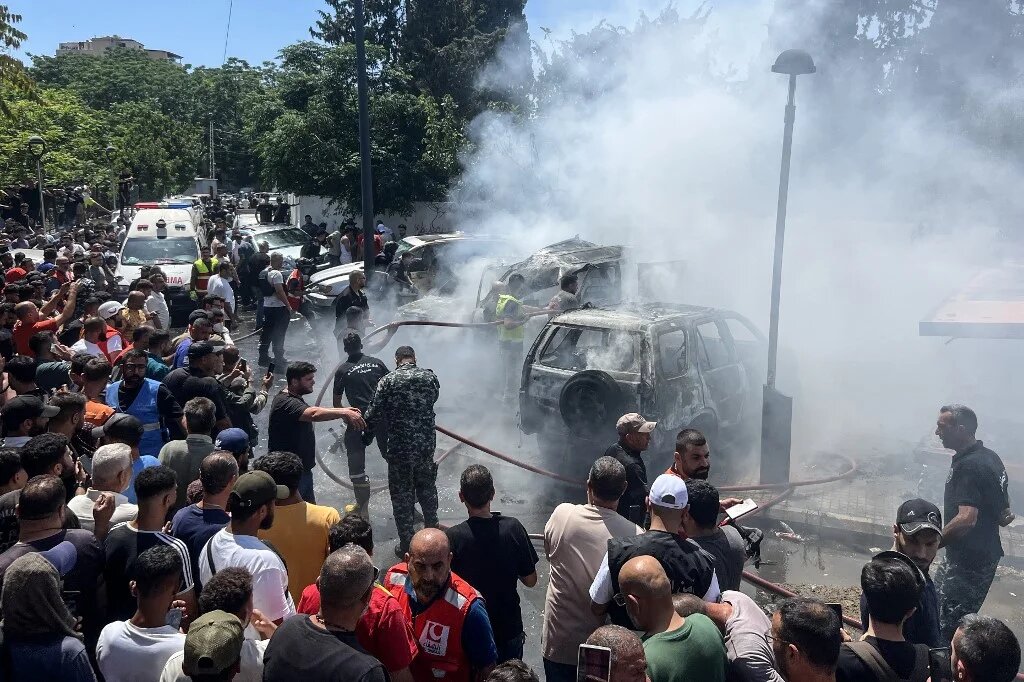
Israeli air and drone strikes targeted multiple areas in southern Lebanon on Tuesday, killing at least five people, including a local official. These attacks represent a significant escalation in the ongoing conflict plaguing the region. Ali Badie, the mayor of Ar-Rihan municipality in the Jezzine district, was among those killed in an Israeli strike. The attacks occurred after the Israeli military had issued warnings to residents in over 20 locations, urging them to “evacuate your homes immediately and move to the north of the Zahrani River.” Israel and Hezbollah have been engaged in conflict since early March, contributing to the escalating tensions in the region. The latest strikes mark a significant development in the ongoing hostilities across southern Lebanon, showing the persistent violence despite international attempts at de-escalation. At least five people have been killed in separate Israeli attacks across southern Lebanon, according to local authorities.
Deadly Strikes Across South
Israeli forces targeted the municipalities of Ar-Rihan and Kfar Hounah in the Jezzine district with drone strikes. In Kfar Hounah, a van was reportedly hit, though specific details regarding casualties from that incident have not been confirmed. The precise circumstances surrounding the targeting of the vehicle remain under investigation. Additional strikes were reported in the southern town of Khiam, as well as in Qasiba in Nabatiyeh, al-Sarirah in Jezzine, and Majdal Zoun in the Tyre district. These widespread aerial attacks indicate a broad operational scope for the Israeli military. Beyond aerial attacks, artillery shelling was also reported across multiple areas in the region, adding another dimension to the intense military activity. The circumstances surrounding the death of Ali Badie, the mayor of Ar-Rihan, remain unclear, according to Lebanon’s National News Agency (NNA), which cited local reports. This ambiguity notes the chaotic nature of the conflict and the difficulty in obtaining immediate, verified information from the ground.
These targeted operations and widespread bombardments have intensified concerns among residents and international observers alike. The Israeli military's actions are part of a broader campaign that has seen frequent exchanges of fire across the border. The impact on civilian infrastructure and non-combatants continues to be a major point of contention and concern for humanitarian organizations operating in the area. The strategic rationale behind these specific strikes, while not explicitly stated by Israeli authorities in these reports, is often framed by Israel as responses to perceived threats or launches originating from Lebanese territory. However, Lebanese officials consistently condemn these actions as violations of their sovereignty and acts of aggression.
Evacuation Warnings Issued
The Zahrani River, referenced in the Israeli evacuation warnings, is located approximately 45 kilometers (28 miles) from the border. This significant distance from the immediate frontier zone indicates a potentially expanded area of operations. Israeli authorities had previously designated all areas south of the Zahrani River as "combat zones," according to reports, further solidifying the military's intent to operate extensively in this territory. The calls for civilians to move north of the river suggest an expansion of the operational area, potentially signaling a more intensive phase of military engagement in the southern parts of the country. These warnings have prompted widespread displacement among the civilian population, adding to the humanitarian crisis in the south. Residents in more than 20 locations received these urgent directives from the Israeli military, emphasizing the breadth of the areas deemed unsafe.
Hezbollah, a Lebanese armed group, reported that its fighters engaged advancing Israeli forces near Majdal Zoun, a town within the Tyre district. This engagement follows recent Israeli strikes in the area, suggesting a direct response to Israeli military movements. Such skirmishes highlight the close-quarters nature of some of the fighting, contrasting with the longer-range air and drone strikes. The ongoing exchanges contribute to heightened tensions in southern Lebanon, prompting the evacuation directives issued by Israel. The warnings serve as a clear indication of Israel's perceived intent to conduct further significant military operations in the region, compelling civilians to seek safety further north. The continuous cycle of warnings, strikes, and counter-engagements shows the volatile and unpredictable nature of the conflict for local populations.
Broader Conflict Context
Authorities in Lebanon report that Israel has launched a significant campaign of airstrikes and a ground invasion, resulting in the deaths of more than 3,700 people in the country. This extensive military action shows the ongoing intensity of the conflict and the severe human cost it has exacted. The sheer number of casualties reported by Lebanese authorities paints a grim picture of the widespread impact of the hostilities. Neither Israel nor Hezbollah has observed the terms of an April ceasefire agreement, leading to continued hostilities despite international efforts to broker peace. The failure to adhere to this initial agreement demonstrated the deep-seated mistrust and unwillingness of both parties to halt military operations.
Further complicating de-escalation, a conditional truce deal announced earlier this month has also failed to stop the fighting. This agreement emerged after the fourth round of direct negotiations between Lebanese and Israeli representatives in Washington, noting sustained diplomatic efforts to find a resolution. The inability of both parties to adhere to either the April ceasefire or the more recent conditional truce notes the persistent nature of the conflict in southern Lebanon and the significant challenges in achieving any lasting peace. The continued clashes, even after diplomatic attempts, suggest a deeply entrenched cycle of violence between the involved factions, with each side appearing determined to press its military objectives. These repeated failures of diplomatic initiatives to translate into tangible peace on the ground show the complexity of the geopolitical landscape and the profound divisions that fuel the ongoing conflict.
Diplomatic Standoff
Hezbollah has rejected the direct talks and the conditional agreement intended to de-escalate tensions. This rejection by a key non-state actor on the Lebanese side significantly complicates any path towards a full resolution, as Hezbollah wields considerable influence and military capability in southern Lebanon. Separately, Iran insists that Lebanon must be an integral part of any full agreement aimed at ending the broader Middle East war. This stance by Iran, a major regional power and an ally of Hezbollah, indicates that the conflict in Lebanon is viewed within a larger regional context and cannot be isolated. A senior US official, speaking on Friday, affirmed this stance by stating that a peace deal with Iran "includes Lebanon," acknowledging the interconnectedness of regional stability. This American recognition of Lebanon's key role in any wider peace settlement with Iran suggests that international stakeholders also see the Lebanese conflict as deeply intertwined with broader Middle Eastern security dynamics. The alignment of Iranian and US perspectives on this particular point, despite their broader disagreements, notes the strategic importance of Lebanon in any future regional peace architecture.