Lebanese Foreign Minister Youssef Raji engaged in key diplomatic discussions in Paris, focusing on the ongoing negotiations with Israel and the volatile security situation in southern Lebanon. During these high-level talks with international partners, Minister Raji firmly reiterated that Lebanon's sovereign decision to place all weapons under the exclusive authority of the state was final and non-negotiable. This definitive stance shows Beirut's internal policy priorities as it navigates complex regional security challenges and seeks to assert its control over its territory. The discussions in Paris served as a platform for Lebanon to articulate its position on both internal governance and external security matters to key international players.
French Support for Lebanon
In a significant bilateral meeting, Lebanese Foreign Minister Youssef Raji met with his French counterpart, Foreign Minister Jean-Noel Barrot, in the French capital. During their extensive discussions, Mr. Barrot reaffirmed France’s steadfast and unwavering support for Lebanon and its ongoing negotiation process aimed at de-escalating tensions and achieving stability. The French minister emphasized the depth of the historical ties between the two nations and France's commitment to Lebanon's sovereignty and territorial integrity. Mr. Barrot publicly stated that his country is prepared to organize an international conference, signaling a proactive role for France in supporting Lebanon. This proposed conference would specifically aim to provide strong support to the Lebanese army and enhance its operational capabilities, according to Mr. Barrot. The initiative shows France's commitment to bolstering Lebanon's institutional strength and resilience amid persistent regional challenges and internal pressures. The meeting noted the intensity of diplomatic efforts to secure lasting stability and peace in the country, with France positioning itself as a key facilitator and partner in these endeavors.
Negotiation Stance and Goals
Lebanese Foreign Minister Youssef Raji conveyed his earnest expectation that the current negotiations underway in Washington would ultimately result in a full ceasefire along the border. Raji also explicitly stated his hope that these critical discussions would lead to a full and unconditional withdrawal of Israeli forces from all Lebanese territory. His remarks clearly show Lebanon's primary diplomatic objective in the ongoing talks, focusing intensely on both an immediate cessation of hostilities and a long-term resolution involving the full respect for its territorial integrity and sovereignty. The foreign minister's emphasis on a complete Israeli withdrawal aligns unequivocally with Lebanon's consistent and historical position regarding its internationally recognized sovereign borders. The ongoing diplomatic efforts in Washington are seen by Beirut as absolutely key for effectively de-escalating regional tensions and achieving lasting stability in the particularly sensitive area of southern Lebanon. Raji's statement notes the direct and undeniable link Lebanon perceives between the international negotiations and the practical security outcomes on its border. The expressed hope for a complete withdrawal signifies a full and enduring goal beyond just a temporary halt to conflict, aiming for a permanent resolution.
Broader Regional Context
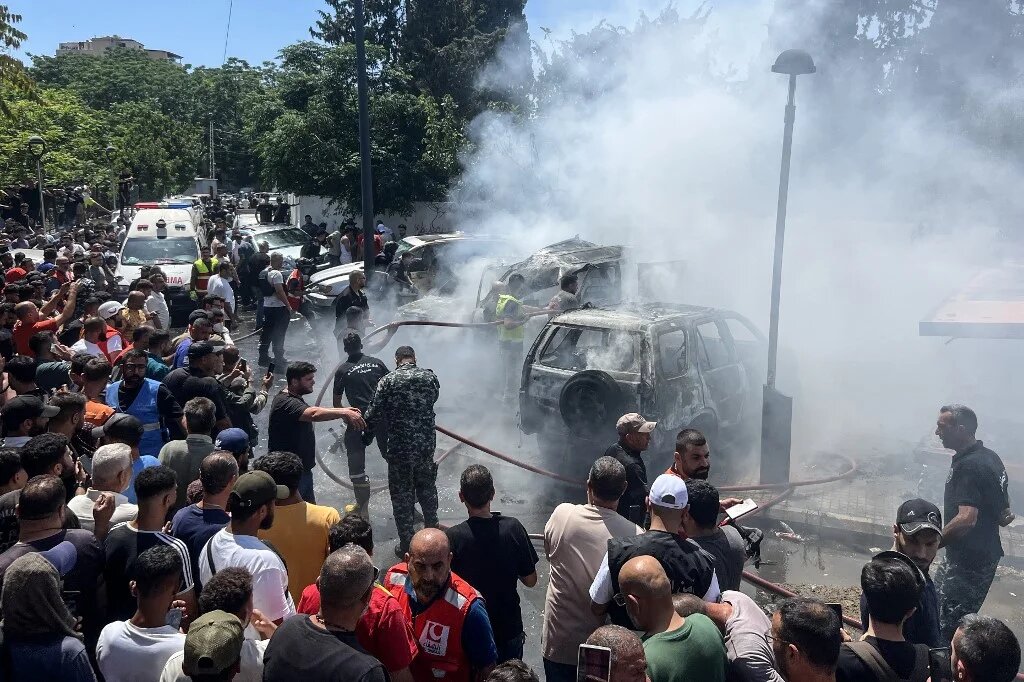
The diplomatic efforts surrounding Lebanon's security situation unfold against a complex and often volatile regional backdrop. Tensions persist along the southern Lebanon border with Israel, frequently influencing policy discussions in Beirut and reverberating through international capitals. Foreign Minister Youssef Raji's engagements in Paris and his pointed focus on the Washington negotiations reflect the intricate and interconnected nature of these regional dynamics. France, through Foreign Minister Jean-Noel Barrot, has offered significant support to bolster the Lebanese army, explicitly acknowledging the broader security challenges facing the country and the importance of a strong state presence. Lebanon's insistence on a full Israeli withdrawal from its territory and a lasting ceasefire shows the enduring nature of these regional concerns and the deep-seated desire for a definitive end to conflict. The ongoing discussions aim not only to de-escalate hostilities in the immediate term but also to establish a more stable and predictable environment in an area historically prone to conflict and instability, paving the way for long-term peace.