Global displacement figures reached a record 117.8 million people worldwide by the end of 2025. The United Nations High Commissioner for Refugees (UNHCR) published these updated statistics on June 11, 2026. This alarming figure represents a significant increase from previous years, showing the escalating nature of humanitarian crises across the globe. The new data reflects an ongoing global humanitarian challenge, with the total number of individuals forcibly displaced continuing its upward trend, demanding urgent international attention and concerted efforts to address the root causes of displacement and provide adequate support to those affected.
Global Displacement Surge
Displacement was primarily driven by ongoing conflicts, widespread violence, and persecution in various regions worldwide. These widespread issues have continued to destabilize communities and nations, leaving millions with no choice but to abandon their homes in search of safety. The United Nations High Commissioner for Refugees (UNHCR) reported that these factors continued to force individuals from their homes, contributing significantly to the record global displacement figures. The increasing complexity and protracted nature of crises have exacerbated the situation, leading to a sustained rise in the number of people seeking safety and new beginnings away from their places of origin. The UNHCR emphasized that the sheer scale of displacement strains resources and humanitarian response capacities globally. This pattern shows the persistent humanitarian challenges faced by international organizations and affected communities alike, noting the critical need for sustainable solutions and greater international cooperation.
Lebanon's Humanitarian Crisis
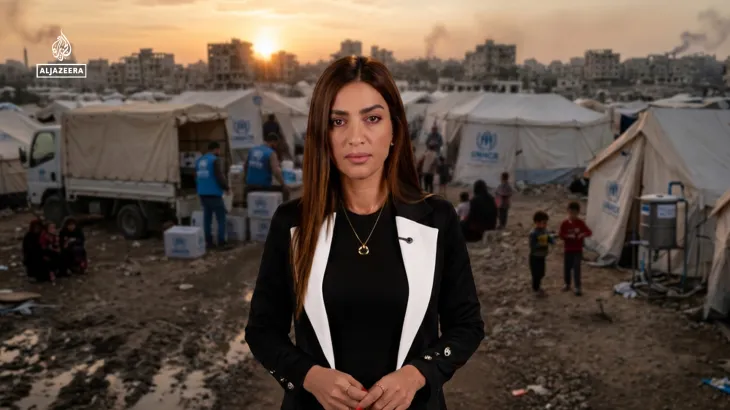
Lebanon faces a severe humanitarian crisis, with more than 1 million people internally displaced within its borders. This substantial internal displacement contributes significantly to the global displacement figures recently reported by the United Nations High Commissioner for Refugees (UNHCR). The situation in Lebanon reflects the broader challenges confronting nations grappling with various internal and regional pressures, often compounded by economic instability and political fragility. The country, already hosting a large refugee population, is now contending with a major internal displacement crisis that stretches its already limited resources to breaking point.
The large-scale internal displacement in Lebanon exacerbates existing socioeconomic strains on the country's infrastructure and public services. Reports indicate that the increased demand for resources, including housing, food, and healthcare, places immense pressure on already fragile systems. Public utilities such as water and electricity are frequently disrupted, further complicating the humanitarian response. The presence of such a high number of displaced individuals creates complex humanitarian needs, requiring sustained international attention and support. Organizations are working tirelessly to address the immediate necessities of those displaced, providing emergency shelter, food aid, and basic medical care. However, the long-term prospects for their safe and dignified return or resettlement remain a critical concern, with many individuals facing prolonged periods of uncertainty and vulnerability.
Drivers of Displacement
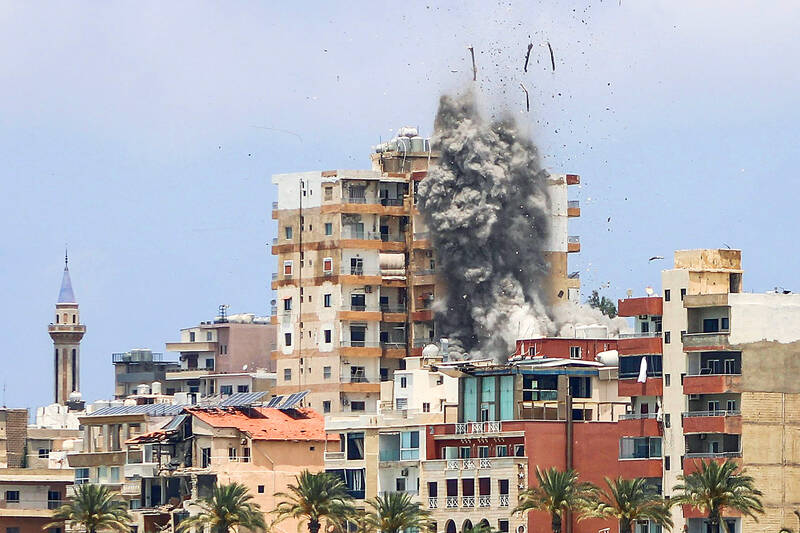
Israel’s war and continued attacks have triggered one of Lebanon’s worst humanitarian crises in recent history. The ongoing conflict has intensified the challenges faced by the nation, leading to widespread disruption and displacement across various regions. This situation has significantly contributed to the internal displacement figures within Lebanon, placing immense pressure on the country's resources and infrastructure. The humanitarian impact includes disruptions to essential services, such as education and healthcare, and increased needs for shelter, food, and medical aid among affected populations. The destruction of homes and livelihoods has left countless families without means of support, deepening the crisis. The prolonged nature of the conflict continues to exacerbate the crisis, making recovery and stability increasingly difficult for communities across the country and presenting significant obstacles to humanitarian efforts. The international community continues to monitor the situation closely, advocating for an end to hostilities and increased humanitarian access.