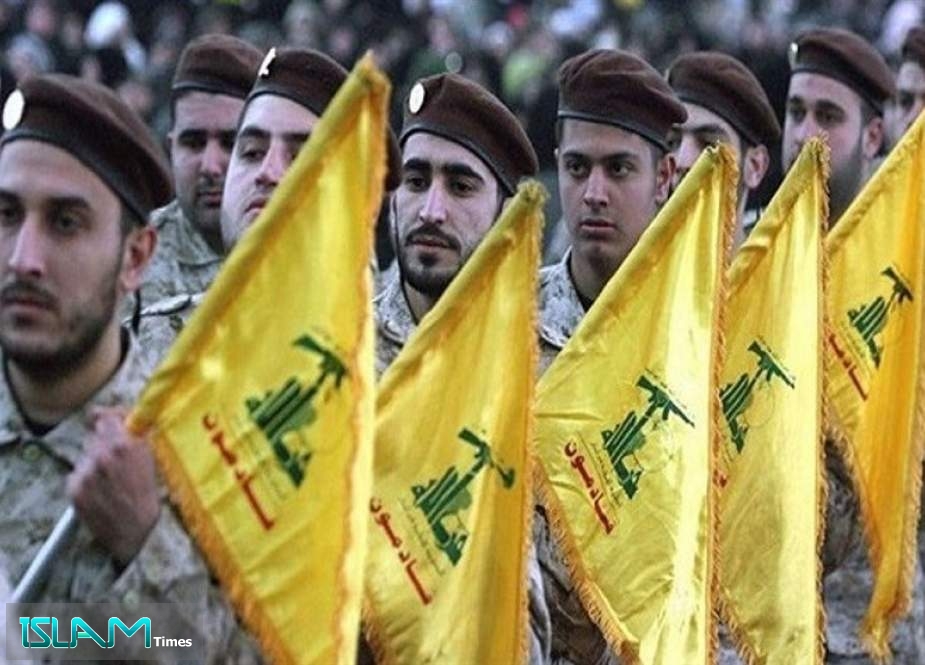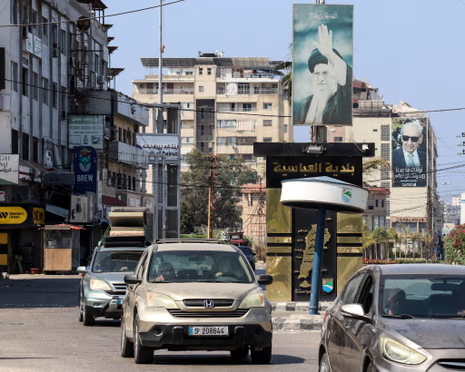
Ehud Barak, former Israeli Prime Minister, reflected on his 2000 decision to withdraw Israeli troops from Lebanon, asserting that the move was long overdue. This significant withdrawal, which saw Israeli forces depart from southern Lebanon, marked the end of an Israeli occupation that had spanned nearly two decades. Barak questioned why the withdrawal had not occurred 15 years earlier, describing the prolonged presence in Lebanon as "a stretched-out tragedy that had no explanation in a rational way as to why we were there." He emphasized the strategic and human costs of such an extended engagement. Barak noted that Hezbollah attacks began in early March as a show of support for Iran, which had just come under a joint attack from the United States and Israel, leading Israel to respond with airstrikes on Iran. These retaliatory airstrikes noted the interconnected and volatile nature of regional security dynamics.
Barak, who commanded many of the generals involved in the 2000 withdrawal, stated he knew he was "doing the right thing" by pulling out Israeli troops. His decision, made after years of Israeli military presence in the region, was a complex one with significant implications for Israel's security posture. He described the idea of completely defeating Hezbollah without conquering all of Lebanon as "a total delusion," calling such a conquest "totally impractical." This assessment shows his belief in the limitations of military force against deeply entrenched non-state actors operating within a sovereign nation. He recounted instances where Israeli forces initially had an advantage, stating, "We were killing them because we had infrared light and they couldn't understand this." However, Barak observed, "Within two years, they were producing [roadside bombs] that looked exactly like ours," adding, "If you fight against an effective force, you improve." This observation notes the adaptive nature of adversaries and the continuous evolution of asymmetric warfare.
Barak's Past and Present Warning
Former Israeli Prime Minister Ehud Barak, now 84 years old, has drawn parallels between his 2000 withdrawal from Lebanon and current Israeli military operations, particularly in Gaza, where Israeli troops hold more than 60% of the territory. Barak questioned the rationale behind protracted military engagements, reflecting on the nearly two-decade Israeli occupation of Lebanon. He stated, "I'm sometimes asked, 'Why did you pull out the soldiers from the (Lebanon) security zone in 2000?' I say the right question is not why I did it in 2000, why was it not done 15 years earlier." This rhetorical question emphasizes his view that the extended presence was strategically unsound. Barak described that extended presence as "a stretched-out tragedy that had no explanation in a rational way as to why we were there," reiterating his long-held perspective on the futility of an open-ended military occupation.
Barak's past decision to withdraw from southern Lebanon was made despite opposition from some military leaders. He recalled, "I was the commander of these generals just a few years earlier. I knew most of them for decades. But I knew that I was doing the right thing." His conviction in the necessity of the pullout was firm, even in the face of internal dissent. He warned against the belief that Hezbollah could be completely defeated without occupying all of Lebanon, calling such an idea "a total delusion" and "totally impractical." This strategic insight suggests that military objectives against such groups must be carefully defined and achievable. The former Prime Minister noted that initial Israeli technological advantages, such as infrared light for night operations, were quickly nullified by Hezbollah's adaptation. "We were killing them because we had infrared light and they couldn't understand this," Barak said, adding, "Within two years, they were producing [roadside bombs] that looked exactly like ours." He concluded, "If you fight against an effective force, you improve," showing the dynamic and challenging nature of modern warfare against resilient adversaries.
Current Prime Minister Benjamin Netanyahu has maintained a firm stance regarding the ongoing conflict with Hezbollah. Netanyahu affirmed, "We will not allow fire to be directed at our territory." This statement reflects a policy of zero tolerance for cross-border attacks. He also claimed that Israeli forces were inflicting significant damage on the group, stating, "We are striking them very forcefully, and we know that Hezbollah is in retreat." These remarks present a confident assessment of the Israeli military's effectiveness in the current engagement.
Current Escalation and Regional Dynamics
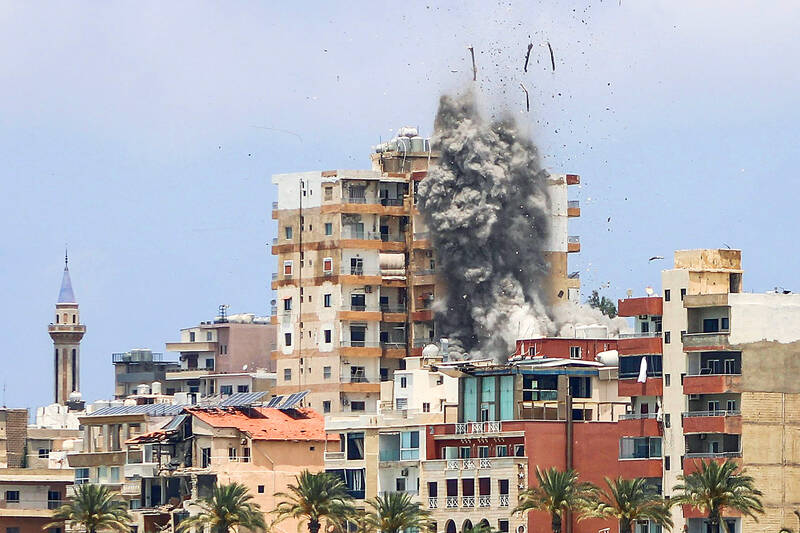
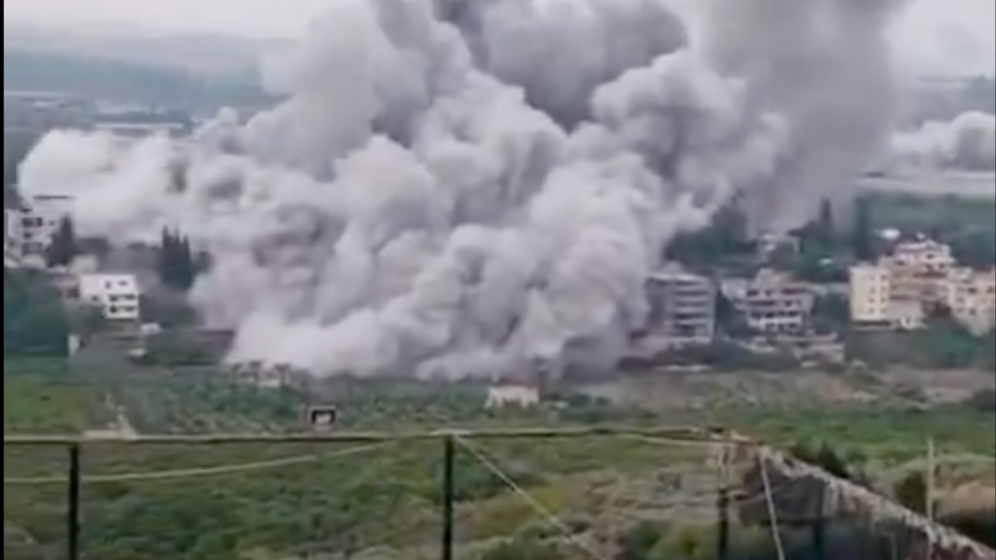
A large Israeli military force is currently engaged in combat operations against Hezbollah in southern Lebanon. These operations are part of an intensified period of conflict in the region. The ongoing clashes prompted Iran to state that Israeli attacks in Lebanon were the reason for its recent ballistic missile launches targeting Israel. This claim from Iran notes the interconnectedness of regional conflicts and the potential for rapid escalation. In response to the escalating situation, President Trump reportedly instructed Israeli Prime Minister Benjamin Netanyahu to cease, or at least reduce, the intensity of attacks in Lebanon. This intervention by the United States shows international concern over the widening conflict and efforts to de-escalate tensions.
Further diplomatic efforts took place last week when Israeli and Lebanese government delegations convened in Washington. During these meetings, both sides announced the renewal of a ceasefire agreement that had originally been established in April. The renewal of the ceasefire agreement indicates a diplomatic channel remains open, despite the ongoing military actions. The conflict unfolds in a country with a relatively small population, as Lebanon is home to fewer than 6 million people. The impact of the fighting on such a populace is significant, leading to widespread displacement and casualties.
Divergent Views on Engagement
Israeli Defense Minister Israel Katz stated that the military would remain in southern Lebanon. His remarks came amidst ongoing discussions about the future of the Israeli presence in the region, signaling a firm commitment to maintaining military operations. This position stands in contrast to the warnings issued by former Prime Minister Ehud Barak regarding protracted engagements.
The recent fighting has resulted in significant casualties and displacement within Lebanon. According to Lebanon's Health Ministry, more than 3,600 Lebanese have been killed. These fatalities represent a heavy toll on the civilian population. Additionally, the conflict has caused a large-scale displacement, with more than 1 million people in Lebanon having fled the fighting. This mass exodus shows the humanitarian crisis unfolding as a direct consequence of the hostilities. The scale of displacement is particularly stark given Lebanon's total population of fewer than 6 million people, meaning a substantial portion of the country's inhabitants have been forced from their homes.
Historically, public opinion in Israel has played a role in military decisions regarding Lebanon. The Four Mothers group, an organization led by mothers of Israeli soldiers, previously organized mass rallies advocating for a pullout from Lebanon. Their powerful grassroots movement was instrumental in shaping public discourse and pressure for the 2000 withdrawal. However, current sentiment appears to diverge from this earlier movement. Ongoing polls indicate a solid majority of the public supports the Israeli military presence in Lebanon. This shift in public opinion reflects the changed security landscape and the perceived necessity of current military operations.
Regarding a recent ceasefire agreement, Hezbollah leader Naim Qassem voiced strong disapproval. Qassem called the ceasefire deal "absurd, humiliating and insulting," reflecting the group's stance on the terms of the agreement and its rejection of any perceived concessions. His strong condemnation notes the deep divisions and intractable nature of the conflict from Hezbollah's perspective, suggesting that achieving a lasting peace will be a formidable challenge. The differing views among key political and military figures in both Israel and Lebanon, alongside the strong opposition from Hezbollah, show the complexity of reaching a resolution to the ongoing conflict.