Iran and Israel ceased direct strikes against each other on Monday after an intervention by United States President Donald Trump. The cessation of these direct military engagements followed a period of escalating tensions and retaliatory actions between the two regional powers. President Trump reportedly ordered both nations to halt their military actions, a directive that appears to have been heeded, at least temporarily. This halt in direct strikes on each other on Monday marks a significant, albeit potentially fragile, de-escalation in a volatile region.
President Trump conveyed a direct message to Israeli Prime Minister Benjamin Netanyahu, stating, "Bibi, you better be careful, or you will be on your own very soon." This communication from the U.S. President, delivered with a clear and firm tone, preceded the cessation of hostilities between the two countries. The warning showed the United States' concern over the escalating conflict and its potential broader implications for regional stability.
Escalation and Retaliation
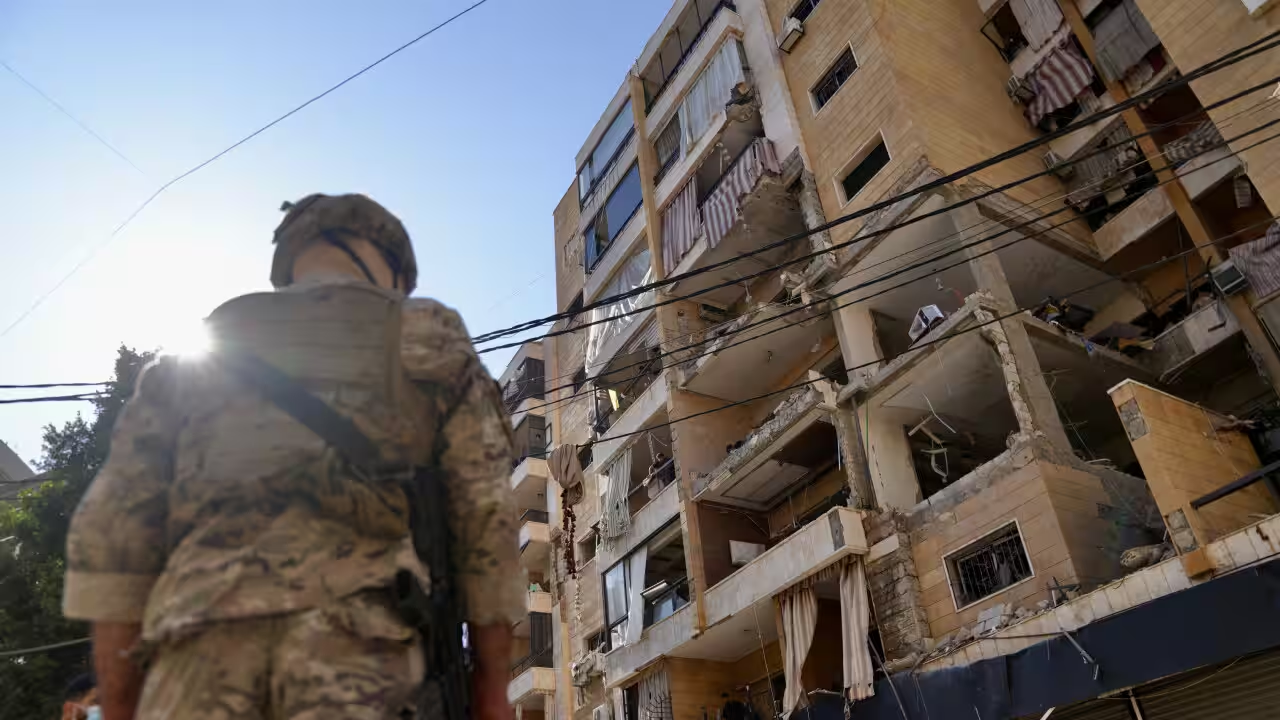
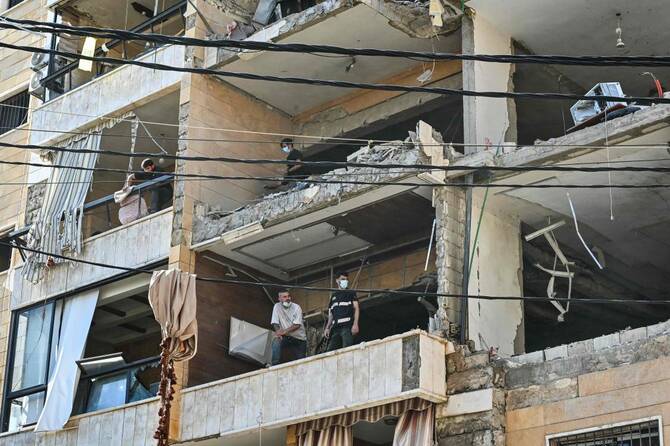
The recent exchange of hostilities between the two nations began with Israeli strikes on Hezbollah targets located in Beirut's Dahieh area. These initial strikes marked a new phase in the long-standing shadow conflict, bringing direct military action into the open. Following these initial actions, Iran launched missiles at Israeli territory, stating this was in response to preceding rocket and drone attacks that had targeted its assets or allies. This Iranian response further intensified the situation, leading to a rapid cycle of retaliation.
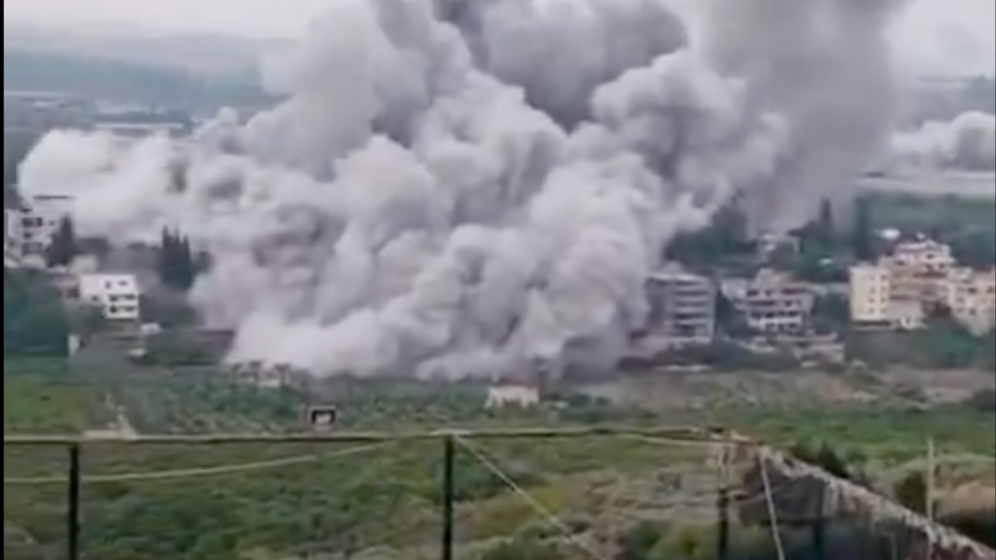
Israel subsequently retaliated by targeting Iranian air defense systems and a petrochemical plant situated in Mahshahr. The targeting of critical infrastructure like the petrochemical plant signaled a willingness to inflict economic and strategic damage, moving beyond purely military targets. This series of events saw Iran's Revolutionary Guards then strike a facility in Haifa, demonstrating Iran's capability and intent to hit targets deep within Israeli territory. Concurrently, Israel reportedly conducted airstrikes in the Tyre area of southern Lebanon, contributing to the broader pattern of military engagement that extended beyond the immediate borders of Israel and Iran. The sequence of these strikes noted the dangerous tit-for-tat nature of the conflict, raising fears of a wider regional conflagration.
Diplomatic Intervention and Conditions
United States President Donald Trump issued a warning to Israeli Prime Minister Benjamin Netanyahu during an interview with Axios. The stern message, "Bibi, you better be careful, or you will be on your own very soon," conveyed a clear boundary to Israel's actions and signaled a potential shift in U.S. Support if hostilities continued unchecked. This direct communication from the American President played a key role in pushing for a de-escalation.
Meanwhile, Iran has conditioned its halt to direct strikes on Israel ceasing operations against Hezbollah in Lebanon. This condition indicates Iran's strategic priorities and its commitment to its regional allies, suggesting that the current pause is contingent on Israel's future actions regarding Hezbollah. Conversely, an Israeli military official indicated that Israel was prepared to continue military actions "for as long as it takes," suggesting a readiness to resume operations if its security concerns are not met. This statement shows Israel's resolve to protect its interests and counter perceived threats. Iran also issued a warning, stating it could renew strikes against US interests at any time, a significant declaration that broadens the scope of potential conflict beyond Israel. Despite the intense exchange of hostilities and the gravity of the military actions, no deaths were reported on either side during the recent period of direct strikes, a fact that may have contributed to the willingness of both parties to accept a temporary halt. The diplomatic efforts, particularly President Trump's intervention, appear to have been instrumental in securing this pause in direct confrontations.
US Policy and Regional Stability
United States Vice President JD Vance stated the United States would continue pursuing a long-term nuclear settlement with Iran, irrespective of Israel's approval. This declaration outlines a clear divergence in strategic priorities between the United States and Israel regarding Iran's nuclear program. Vance articulated that this approach aligned with American interests, emphasizing that the U.S. Would prioritize its own strategic goals. "Fundamentally, we think this is in the best interest of the United States of America," Vance said, elaborating on the administration's rationale for this independent foreign policy stance. He further emphasized the mandate behind this policy, stating, "That's what President Trump was elected to do," linking the current administration's actions directly to its electoral platform and the will of the American people.
The Vice President's comments show a distinct US foreign policy stance regarding Iran's nuclear program, signaling a potential shift from previous administrations that often prioritized close coordination with Israeli security concerns on this issue. This independent approach notes the Trump administration's determination to forge its own path in Middle East diplomacy. Meanwhile, amidst these broader regional tensions, a US Apache helicopter crashed near the Strait of Hormuz, an incident that occurred independently but added to the general atmosphere of instability and heightened military presence in the critical waterway. The exact cause of the helicopter crash was not immediately detailed, but its timing served as a stark reminder of the inherent risks in a region fraught with geopolitical complexities. The U.S. Administration's commitment to a nuclear settlement with Iran, even without Israel's full endorsement, represents a significant diplomatic undertaking with broad implications for regional stability and alliances.