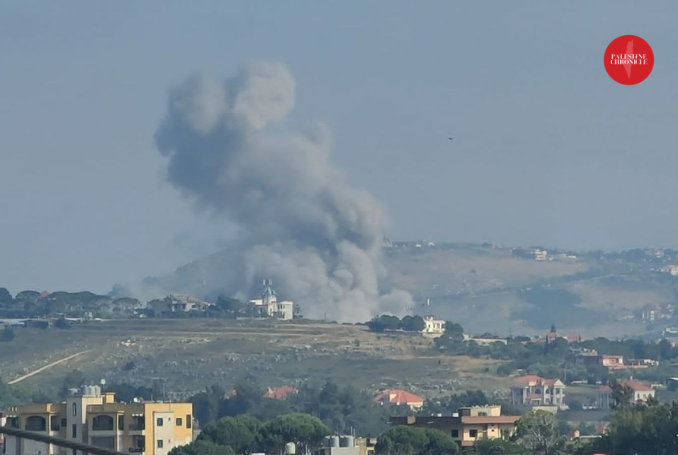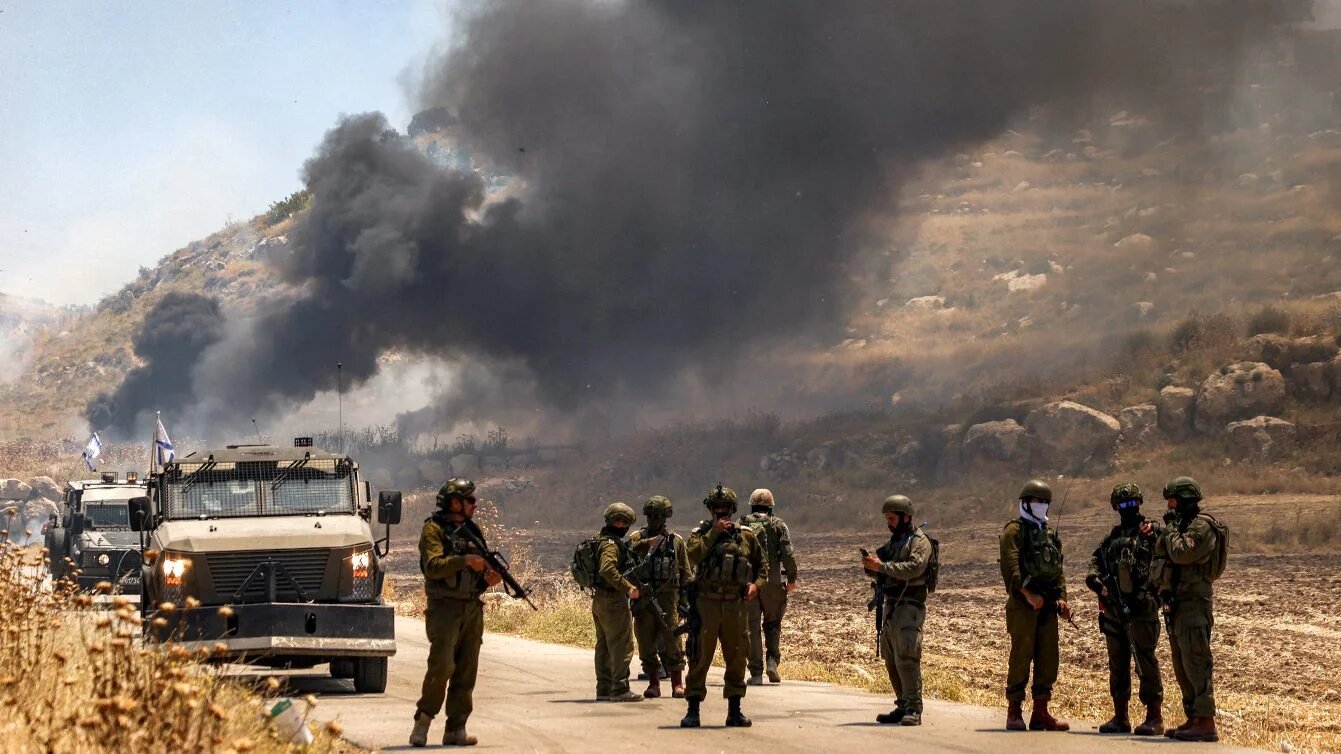
The Islamic Revolution Guards Corps (IRGC) announced late Sunday that its Aerospace Force struck the Ramat David airbase with ballistic missiles. This decisive action was confirmed by the IRGC, which specified that its Aerospace Force was responsible for the overnight strike. The IRGC identified the airbase as the origin of Israeli aggression against Lebanon and said the operation was a direct response to the Zionist regime’s widespread crimes, including the killing and mass displacement of civilians. An IRGC statement released late Sunday detailed the rationale behind the strike. The statement said, "In response to the extensive crime of the usurping Zionist regime in southern Lebanon, the killing and mass displacement of the oppressed people of Tyre, Nabatieh and other areas, including Dahiyeh Beirut, the Ramat David airbase, the origin of these aggressions, was targeted by ballistic missiles of the IRGC Aerospace Force." The IRGC described the overnight missile strike as a "warning," signaling a significant escalation in regional tensions. This operation marks a direct and unprecedented response to what Iran perceives as ongoing provocations.
Escalation Amidst Ceasefire
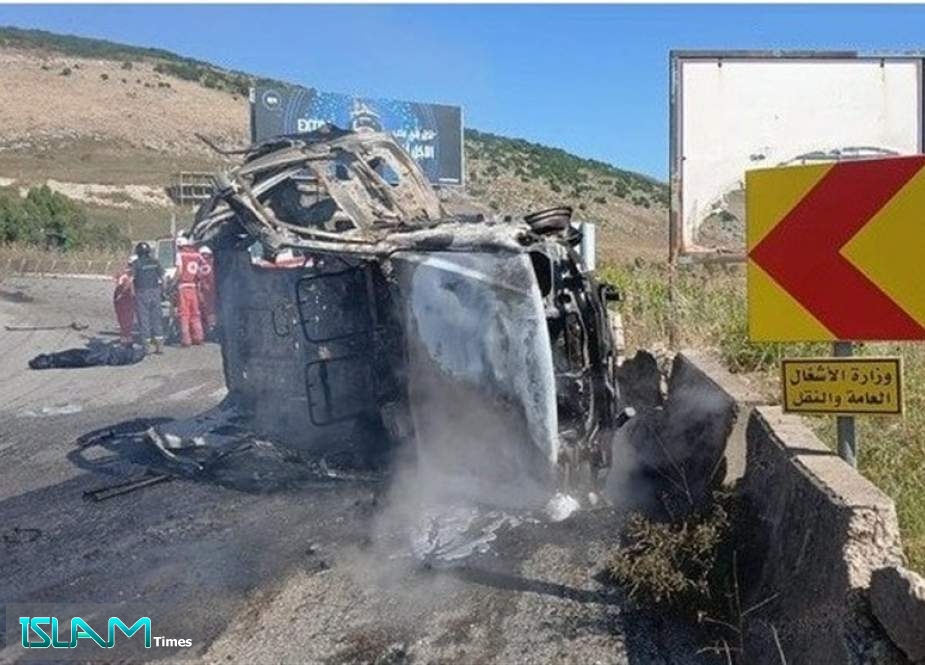
The IRGC's missile strike occurred despite a Pakistan-brokered ceasefire between Iran and the United States that had been in effect since early April. This ceasefire, which began at the start of April, aimed to de-escalate tensions in the region. Iran’s acceptance of the April 8 ceasefire was reportedly conditional on a halt to hostilities across all fronts, emphasizing a full cessation of aggressive actions. However, Iranian sources stated that the US and what they termed the "Zionist regime" failed to honor their commitments under the agreement. These sources claim that aggression and crimes continued unabated in Lebanon, directly violating the spirit and terms of the truce. They further alleged that the ceasefire was repeatedly violated through attacks on Iranian shores and vessels in critical maritime routes, specifically citing incidents in the Strait of Hormuz, the Sea of Oman, and the Indian Ocean. These alleged violations by both the US and the Zionist regime are presented by Iran as the primary justification for the IRGC's retaliatory measures.
Israeli Actions Detailed
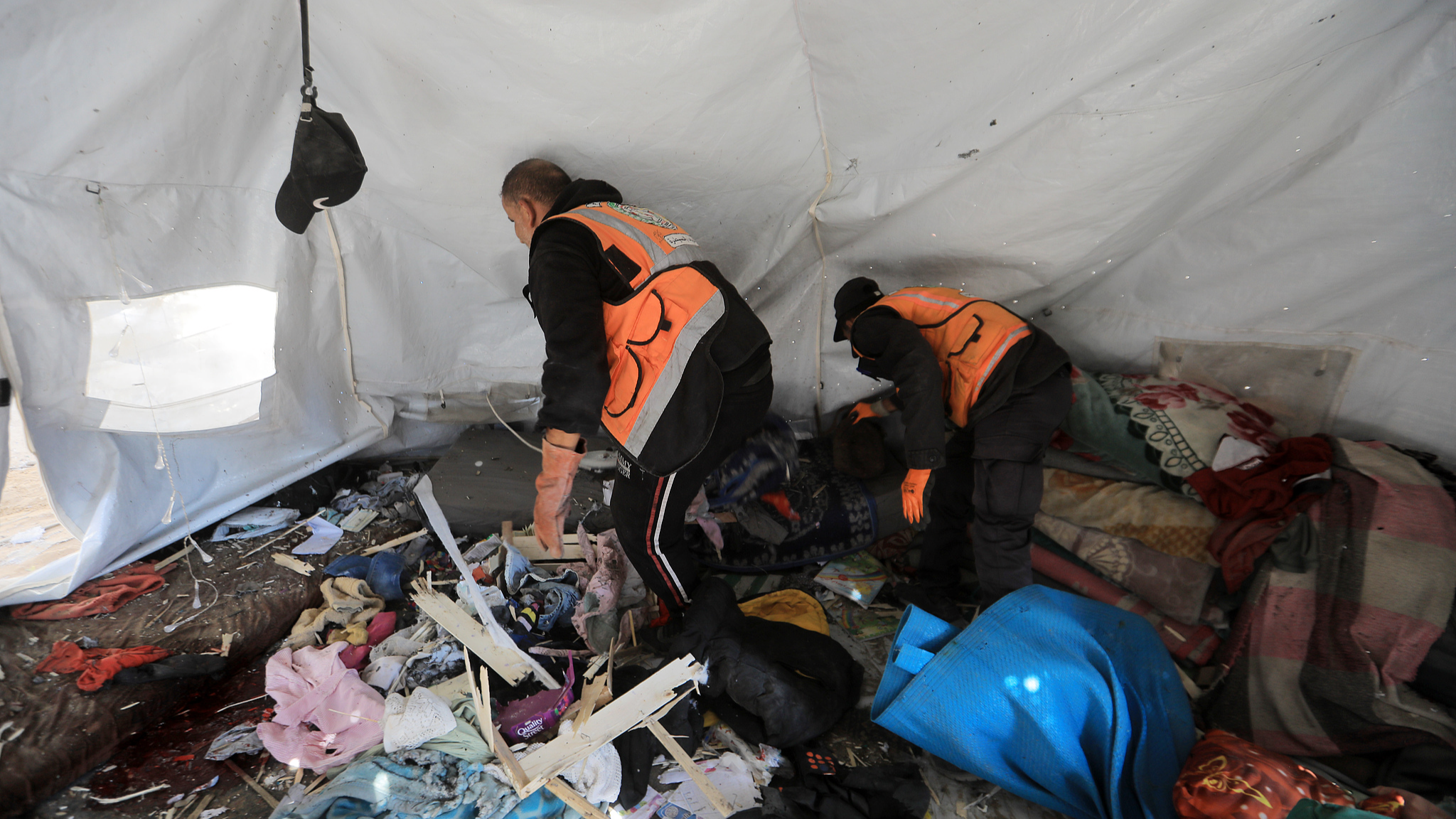
On Sunday, Israeli warplanes bombed residential areas in the southern suburbs of Beirut, resulting in the deaths of at least two people and injuries to 20 others. This attack on civilian areas further fueled the tensions. The regime has also reportedly used internationally banned phosphorus munitions in southern Lebanon, causing severe burns and widespread environmental damage. The deployment of such weapons has drawn international condemnation and notes the destructive nature of the conflict. Israel has continued its violations by attacking Lebanon, extending its military operations beyond recognized boundaries. These actions are described by Iranian sources as part of a pattern of aggression that necessitated the IRGC's response, portraying the missile strike as a defensive measure against persistent hostile acts. The constant infringement on Lebanese sovereignty and the targeting of its populace are cited as key factors leading to the IRGC's decision to act.
IRGC Warning and Future Threats
The Islamic Revolution Guards Corps (IRGC) issued a stern warning regarding potential future actions, indicating a readiness for broader engagement. The IRGC stated that if aggressions were to be repeated, the response would be significantly broader and would include all American-Zionist targets in the region. This declaration from the IRGC signals a potential escalation in the ongoing regional tensions, linking future retaliatory measures directly to perceived continued aggression. The statement shows the IRGC's position that its recent missile strike on the Ramat David airbase was a direct consequence of prior actions, and that any further such incidents would lead to a wider scope of targeting. The IRGC emphasized its readiness to expand its operational reach if its warnings are not heeded, making it clear that their recent strike was not an isolated event but a precursor to potentially larger confrontations should their demands for a cessation of aggression remain unaddressed.