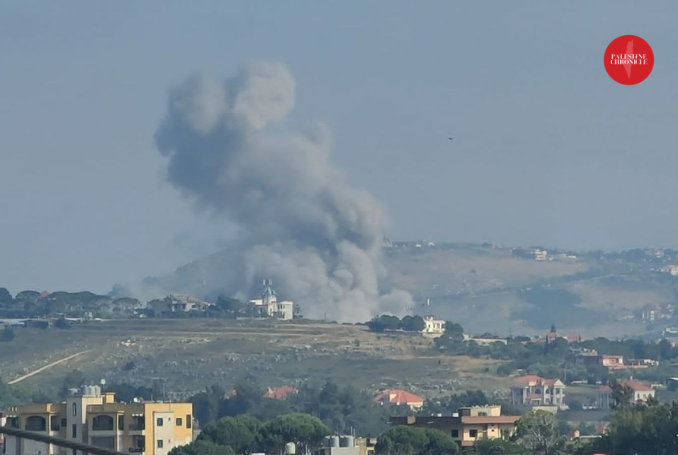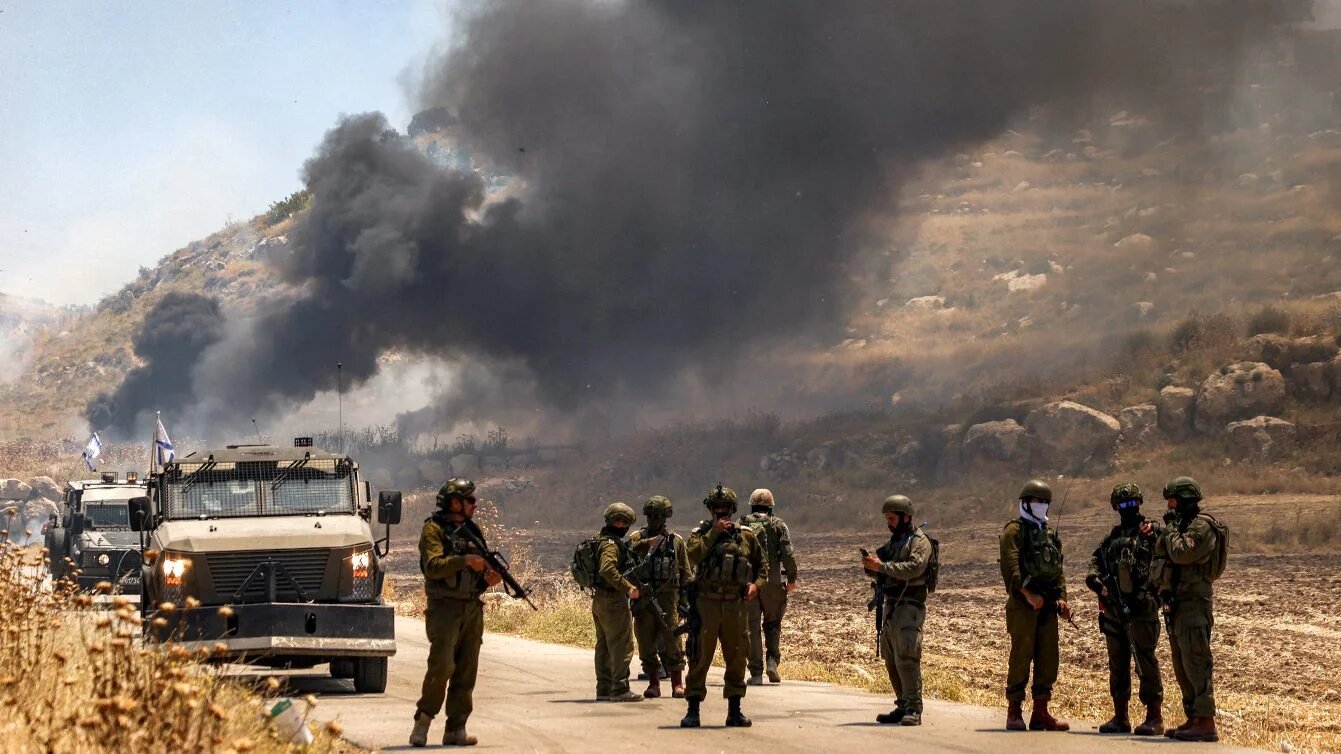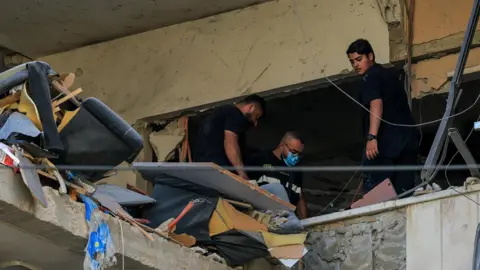
Israel conducted airstrikes on Sunday, June 7, 2026, targeting the southern suburbs of Beirut, a stronghold of Iran-backed Hezbollah, after intercepting two projectiles crossing into Israeli territory from Lebanon earlier that morning. These airstrikes struck two apartment buildings in the Dahieh district, a known Hezbollah stronghold. Two people were killed and 11 others wounded in the strikes, according to an initial toll provided by Lebanese authorities. Prime Minister Benjamin Netanyahu confirmed the Israeli military's actions, stating they targeted "terrorist headquarters in the Dahieh district of Beirut, in response to Hezbollah's firing at Israeli territory." The Israeli military also reported that it had intercepted two projectiles that crossed into Israeli territory from Lebanon on Sunday morning, preceding the retaliatory strikes.
Lebanon was drawn into the conflict on March 2, 2026, when Hezbollah launched rockets into Israel. That initial rocket fire was reportedly in retaliation for an Israeli strike that killed Iran's supreme leader. The latest Israeli airstrikes on Beirut mark a significant escalation in regional tensions following these exchanges, intensifying a conflict that has seen repeated violations of a standing ceasefire agreement.
Beirut Under Fire and Escalating Tensions
The strikes on Beirut occurred days after Hezbollah rejected a ceasefire proposal that had been agreed upon by the Lebanese government and Israel. A week prior to the June 3 truce, Israel had issued threats of a broad offensive targeting Dahieh, showing the rising tensions in the region. The recent airstrikes are described as the most serious escalation in the war in Lebanon since a ceasefire was established in mid-April 2026. Israel also carried out airstrikes across southern Lebanon in the hours following the Beirut attacks.
Hezbollah, an Iran-backed group, claimed responsibility for launching rocket and artillery barrages against Israeli troops in the Nabatieh area. However, Hezbollah did not claim responsibility for the rocket attacks that targeted northern Israel that prompted the Israeli response. The recent developments followed a rejection by Lebanon's Parliament Speaker Nabih Berri of a US-brokered deal, which had been announced after rare talks between the Israeli and Lebanese governments. Berri described the deal as "a trap," indicating deep-seated mistrust and obstacles to diplomatic solutions.
The broader conflict has seen a ceasefire in force since April 17, 2026, though both sides have repeatedly violated it. The current escalation notes the fragility of this agreement and the persistent threat of wider conflict.
US Concerns and Diplomacy Amidst Regional Strife
Israel had previously limited its attacks on Beirut due to pressure from the United States, according to claims from various sources. Washington was concerned that Israeli strikes in the Lebanese capital could jeopardize ongoing efforts to secure a broader peace agreement with Iran. Prior to the recent escalation, the United States had specifically asked Israel to refrain from striking Beirut, signaling its apprehension about the potential for wider regional destabilization.
Following a conversation with Israeli Prime Minister Benjamin Netanyahu, President Donald Trump announced there would be "no troops going to Beirut," a statement aimed at reassuring the international community about the extent of US involvement. Israeli media sources reported that the US had been informed by Israel before the Sunday strike, suggesting a degree of coordination or at least prior notification between the allies. On Sunday, Donald Trump stated to NBC News that he was not demanding Lebanon's inclusion in any peace deal with Iran, clarifying the scope of the ongoing diplomatic efforts. Trump also claimed that an agreement with Iran was nearing completion, offering a glimpse into the broader US strategy in the region despite the immediate escalation in Lebanon.
Iranian Retaliation Threats and Regional Fallout
A senior Iranian official promised a "decisive and painful" response following the recent Israeli airstrikes in Beirut. Mohammad Bagher Ghalibaf, the speaker of Iran’s parliament, stated that US bases and assets in the region had become "legitimate targets" in the aftermath of the Israeli strike. This declaration shows Iran's view of the US as complicit in Israeli actions and signals a potential widening of the conflict to include American interests.
Tehran had issued a threat last week, asserting that any Israeli attack on Beirut would be considered a violation of the existing US-Iran ceasefire agreement. Such an attack, Iran warned, would be met with an assault on Israel. This stance aligns with Iran's view of Israel as occupied Palestine, providing a foundational ideological basis for its opposition and threats of retaliation. The Iranian leadership's strong rhetoric indicates a low tolerance for perceived Israeli aggression in Lebanon and a readiness to respond.
On Sunday, Israeli media outlets reported an anticipation of a limited attack on Israel’s territory by Iran and Hezbollah following the Beirut strike. This anticipation reflects the high state of alert within Israel and the expectation of a direct or proxy response from Iran and its allies in the region.
Broader Conflict Context and Casualties
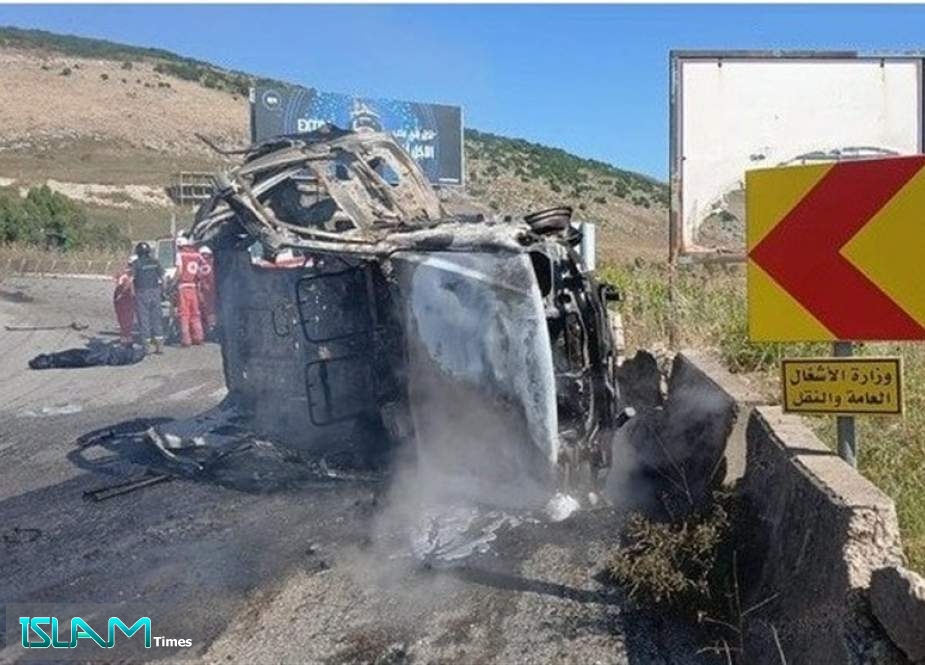
A ceasefire has been in force since April 17, 2026, though both sides have repeatedly violated it, leading to a continuous cycle of violence. Israeli strikes have killed more than 3,613 people in Lebanon since the conflict began. In return, Hezbollah has killed at least 30 Israeli soldiers in Lebanon and three Israeli civilians. On Saturday, the Israeli military killed two Lebanese army soldiers and an army captain in a strike on their vehicle, despite the Lebanese army not being a party to the Hezbollah-Israel conflict. This incident further complicates the regional dynamics, as the Lebanese army is a state institution separate from Hezbollah.
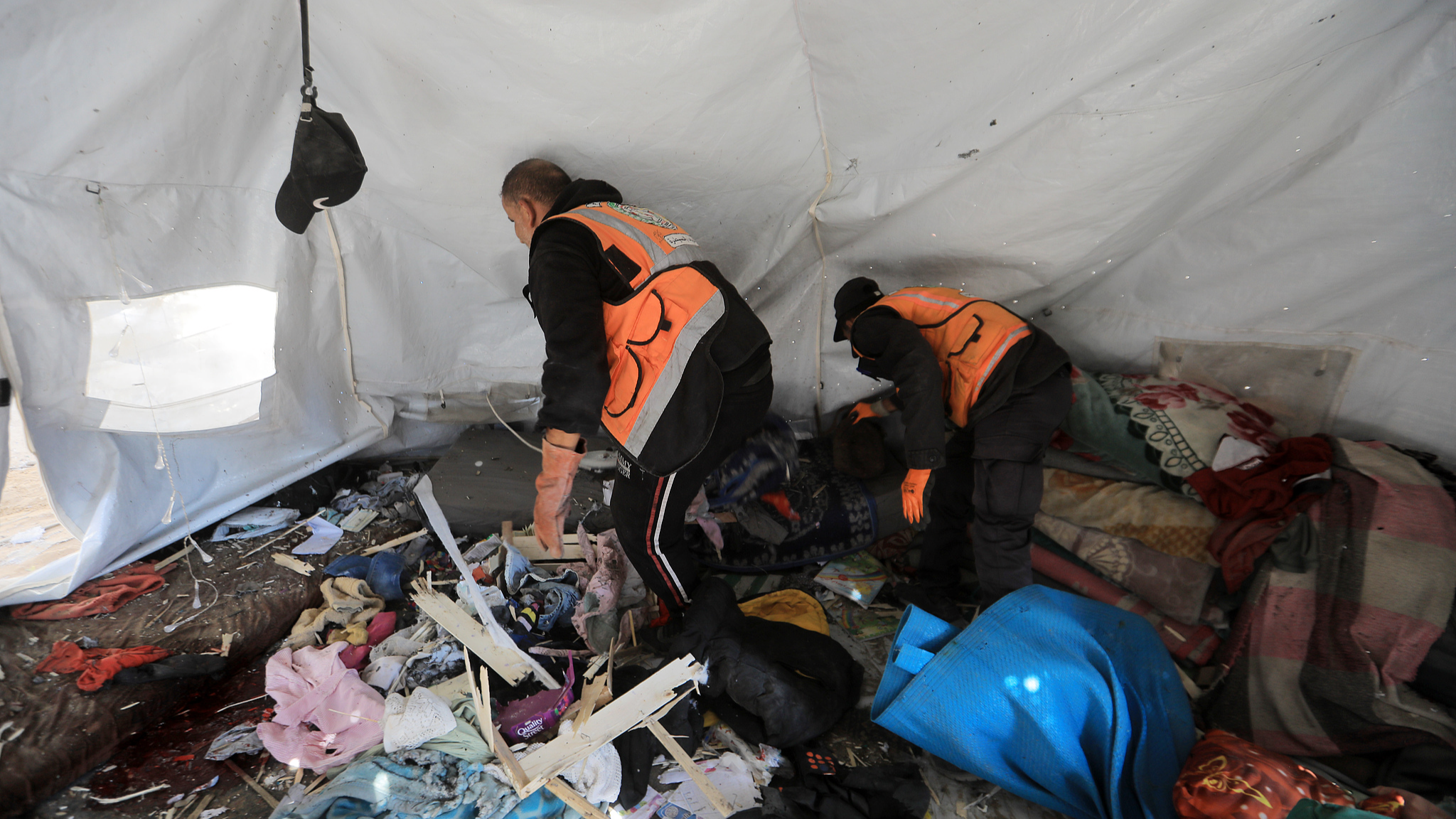
Separately, Israeli strikes in the Gaza Strip on Sunday killed at least nine people and wounded 20 others. One strike in Gaza hit a police post near a tent encampment of displaced families in Khan Younis, killing five people and wounding 16. These strikes in Gaza highlight the multi-front nature of the ongoing conflict involving Israel. On the same day, an Arab Israeli gunman opened fire at a petrol station near Kokhav Yair, killing one person and wounding five others. Police identified the gunman as a resident of Taybeh, central Israel, and shot him dead, neutralizing the immediate threat. A second suspect was arrested after allegedly attempting to stab police officers, indicating potential further coordination in the attack. These incidents show the widespread security challenges faced by Israel internally, in addition to the external threats from Lebanon and Gaza.