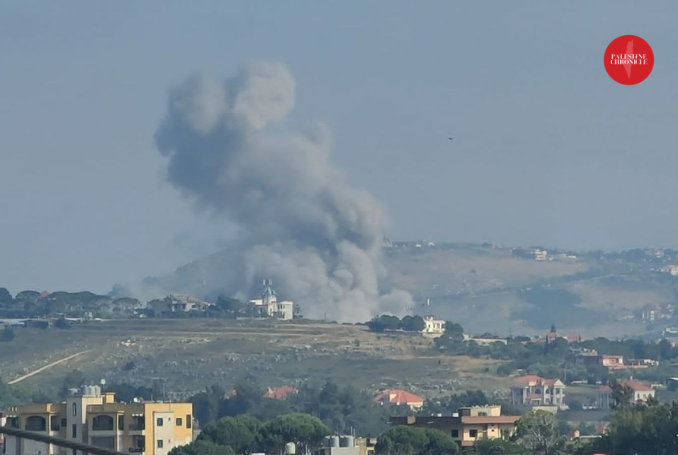
Hezbollah announced it conducted 25 operations against Israeli forces in a single day, attributing these actions as responses to Israeli ceasefire violations, while Israeli warplanes intensified airstrikes across southern Lebanon and the Bekaa Valley. These 25 operations, specifically against Israeli forces, show a significant escalation in the ongoing conflict, with Hezbollah asserting its actions are direct retributions for perceived breaches of the agreed-upon ceasefire. Reports indicated Israeli warplanes struck Deir Amas, Kfar Tebnit, Jouaya, Sahmar, and the town of Deir Kifa in the Tyre district. These airstrikes were part of a broader series of aerial bombardments that targeted various locations across the region. Israeli airstrikes on Friday killed at least five people in southern Lebanon, including four and wounding eight in the village of Toura near Tyre, according to Lebanon's Health Ministry. These airstrikes on southern Lebanon on Friday caused significant casualties and damage.
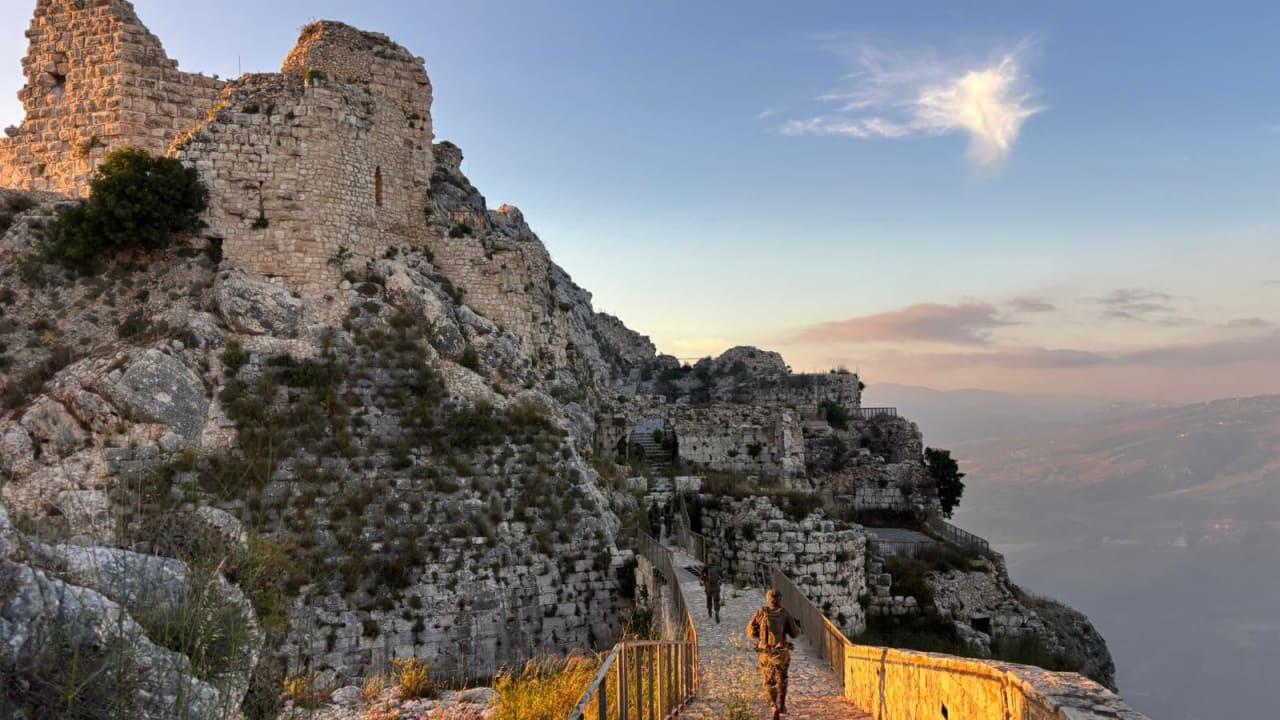
Another airstrike near Kfar Chouba killed a paramedic with the Lebanese Civil Defense, Lebanon's state-run National News Agency reported. This incident noted the dangers faced by emergency responders in the escalating conflict, as humanitarian workers continue to operate in highly volatile areas. Hezbollah stated it targeted an Israeli command headquarters near Beaufort Castle, indicating a focus on strategic military targets. This specific targeting of a command headquarters near the historically significant Beaufort Castle suggests an intent to degrade Israeli military infrastructure. The Israeli military claimed to have killed more than 85 Hezbollah militants and struck 180 sites used by the group in the past week, showing the intensity of its counter-operations. On Thursday, the Israeli military announced it had killed Ahmed Balout, identified as a commander in Hezbollah’s elite Radwan Force, along with two other militants. This targeted killing was part of a broader Israeli effort to dismantle Hezbollah's operational capabilities, specifically aiming to neutralize key figures within the militant group. Violence has persisted, including an Israeli airstrike on Beirut's southern suburbs on Wednesday, despite a 10-day ceasefire declared in Washington that began on April 17 and was later extended by three weeks. The latest war between Israel and Hezbollah began on March 2. The continued hostilities, despite the ceasefire, have raised concerns about the stability of the region.
Escalation on the Northern Front
Israeli airstrikes targeted Deir Amas, Kfar Tebnit, Jouaya, Sahmar, Deir Kifa, and areas near Shoukin and Mefdoun. The Israeli aircraft attacked the area between the towns of Shoukin and Mefdoun, adding to the widespread targeting of southern Lebanese communities. Another airstrike specifically targeted the town of Haris in the Bint Jbeil district, further extending the reach of Israeli aerial operations. Israeli aircraft also struck the city of Nabatieh, a significant urban center in southern Lebanon, and carried out two airstrikes on the town of Blat in the Marjeyoun district. Additionally, an Israeli drone strike targeted the town of Zifta. Israeli artillery shelling was reported in the towns of Jebchit and Abba in the Nabatieh district, indicating a combination of aerial and ground-based assaults. These artillery shellings, alongside the extensive aerial bombardments, demonstrate a multi-faceted approach by Israeli forces in their operations across southern Lebanon.
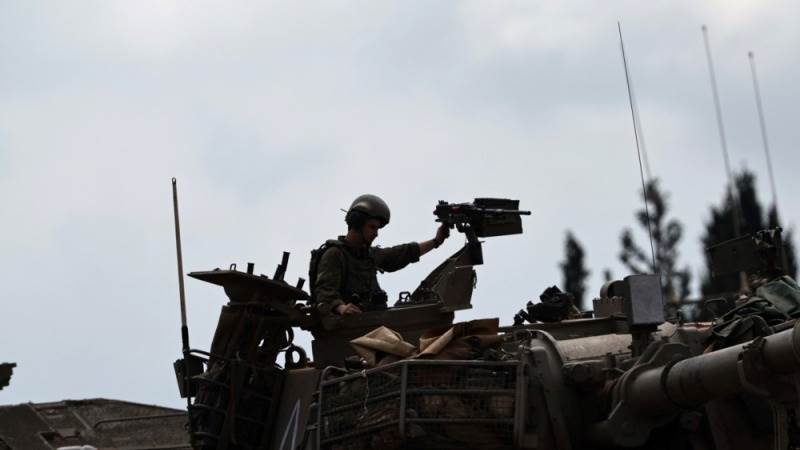
Amid these Israeli operations, Hezbollah directed gunfire at an Israeli military vehicle positioned in the vicinity of Beaufort Castle, a site of historical and strategic importance. This engagement near Beaufort Castle notes the direct confrontations occurring between the two forces on the ground. Hezbollah also reported targeting a gathering of Israeli vehicles and soldiers in the town of Rashaf with a rocket barrage, signaling coordinated attacks against Israeli ground forces. Hezbollah announced a surprise attack against Israeli soldiers near the Khiam detention center, claiming confirmed casualties from the engagement. Resistance fighters reportedly attacked Israeli soldiers and Merkava tanks near Zawtar al-Sharqiyah, demonstrating a multi-pronged approach to confronting Israeli forces. Concurrently, Hezbollah fired a salvo of rockets toward northern Israel in the early afternoon, with no casualties reported. The Israeli military stated that one rocket was shot down, while the remaining projectiles fell in open areas, minimizing damage or injury. This exchange of fire, involving rocket barrages and aerial interceptions, shows the continuous state of conflict despite declared ceasefires.
Civilian Impact and Regional Tensions
An Israeli strike on Siksikieh resulted in the deaths of two individuals and wounded 22 others, among whom were three children and one woman, noting the devastating impact on the civilian population. The presence of children and a woman among the wounded in Siksikieh specifically emphasizes the non-discriminatory nature of the conflict's toll on civilian lives. In Hebron, Israeli occupation forces killed a seven-month-old baby, an incident that drew widespread condemnation. Separately, an Israeli strike in Gaza killed six displaced Palestinians, adding to the already tragic toll of the conflict. Seven more Palestinians died in an Israeli strike targeting a tent sheltering displaced people in the Passport Office area west of Gaza City, showing the extreme vulnerability of displaced populations. These incidents in Gaza, particularly the strike on a tent sheltering displaced people, illustrate the severe risks faced by those seeking refuge from the ongoing hostilities.
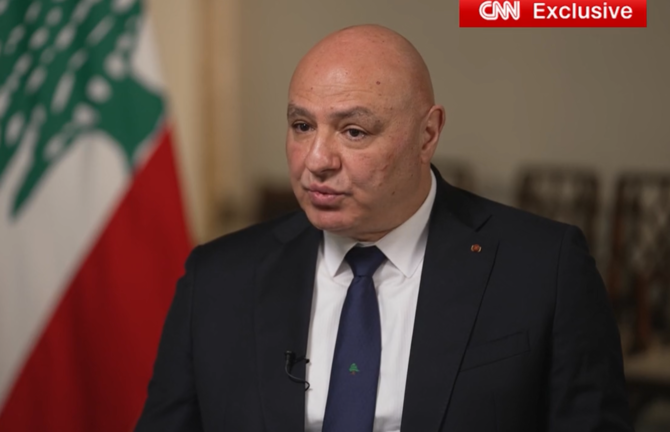
Hours before the strikes on Friday, the Israeli army’s Arabic-language spokesperson had issued an evacuation warning to residents of six villages in Tyre province, including Toura. This warning preceded the deadly airstrikes that claimed lives in the region. Lebanese President Joseph Aoun conveyed to a visiting European Union delegation on Friday that European countries should pressure Israel to commit to the ceasefire, which has been in place since April 17. President Aoun emphasized the importance of international intervention to uphold the ceasefire and prevent further escalation, noting the need for diplomatic efforts to de-escalate the situation. The ceasefire, which initially went into effect on April 17 and was later extended by three weeks, has seen continued violations from both sides, leading to calls for renewed international pressure to ensure its observance.
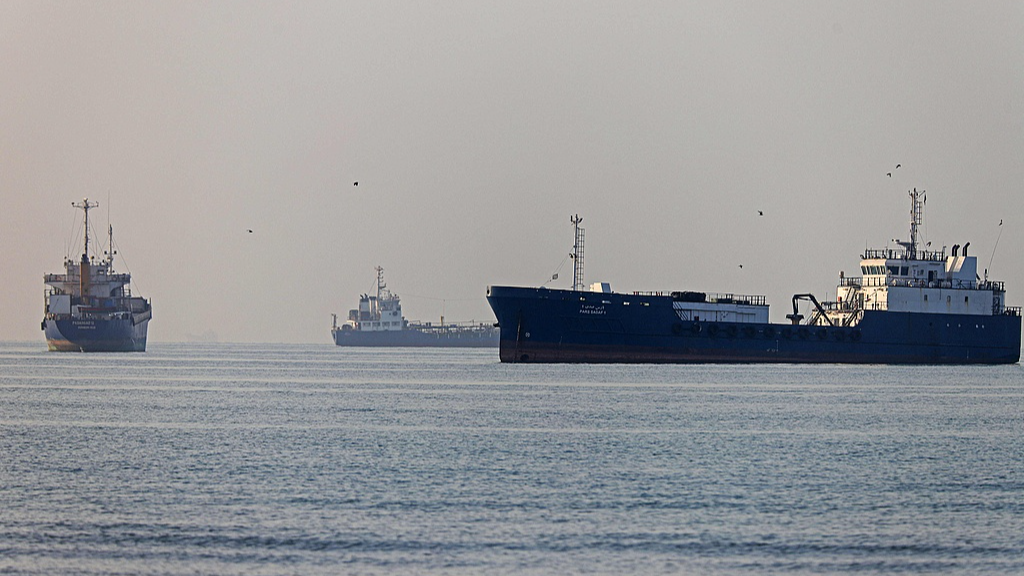
Regional developments outside Lebanon also continued, with sources in Quneitra reporting that three Israeli military vehicles and a tank advanced toward the Al-Ma’kar area near Saida Al-Hanout in the Syrian countryside of Quneitra. This movement of Israeli forces near the Syrian border indicates broader regional military activity, suggesting potential spillover effects or strategic positioning beyond the immediate Lebanese frontier. In Iran, large crowds gathered in Tehran’s Tajrish Square in support of the Iranian leadership, reflecting domestic solidarity amidst regional tensions. Pakistani Interior Minister Mohsin Naqvi arrived in Tehran amid these regional events, suggesting diplomatic engagements are underway in response to the volatile situation. Meanwhile, Axios reported that Steve Witkoff and Jared Kushner held a secret meeting with nuclear experts, details of which remain undisclosed, adding another layer of geopolitical intrigue. In a separate development, the Revolutionary Guard Navy said an explosion heard near Kharg Island was caused by the disposal of unexploded ordnance dating back to the Iran-Iraq War, with Tasnim News Agency reporting the sounds were the result of a controlled ammunition detonation, clarifying an event that might have otherwise contributed to regional anxieties.
Israeli Military Concerns and Gaza Context
Israeli media reported growing military concerns following a sophisticated booby-trapped drone incident. This incident raised alarms within the Israeli defense establishment regarding the evolving nature of threats, particularly the increasing sophistication of aerial attacks. The Israeli army announced the deaths of two soldiers over the weekend, contributing to a total of 2,077 Israeli deaths since October 7, 2023, according to Yedioth Ahronoth. This statistic reflects the significant human cost of the ongoing conflict for Israel, providing a grim tally of the casualties sustained over several months of hostilities. Channel 12 reported that sirens were activated in Margaliot after a suspected drone infiltration, indicating persistent aerial threats. Channel 11 further reported that a recent booby-trapped drone incident was exceptionally difficult and caught the Israeli army by surprise, noting a new level of challenge for Israeli defenses. Israeli officials stated they had not seen such a significant inability to find an effective response in the past two to three decades, showing the unprecedented nature of this particular threat and the strategic dilemmas it poses for the Israeli military.
Channel 12 also reported that the ceasefire on the northern front has effectively turned into a routine state of war, indicating a breakdown of any meaningful cessation of hostilities despite official declarations. This assessment from Channel 12 suggests that the declared ceasefire has failed to bring about a genuine halt to the fighting, with daily engagements becoming the norm. An Israeli soldier from the Egoz unit died from wounds sustained during fighting in Lebanon, and four other Israeli soldiers were injured in the same clashes, further illustrating the continuous engagements on the northern border. The injuries sustained by these four additional soldiers in Lebanon show the constant danger faced by ground troops operating in the border region.
In the Gaza Strip, Israeli forces bombed a house in the Mawasi area of Khan Younis, continuing military operations in the besieged territory. The Israeli military also issued an evacuation order for a residential block in Al-Maghazi in the central Gaza Strip, prompting further displacement of civilians. Separately, Hezbollah intercepted an Israeli Hermes 450 “Zik” drone over the Zahrani region with a surface-to-air missile, forcing it to retreat. This interception demonstrated Hezbollah's advanced air defense capabilities and its ability to challenge Israeli aerial reconnaissance, showcasing a notable technical achievement in its ongoing confrontations.