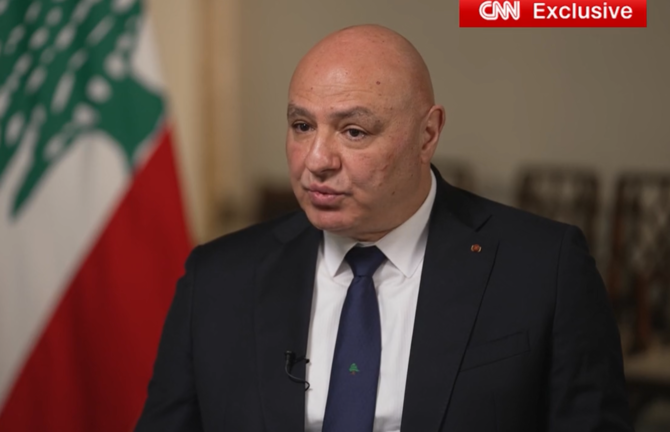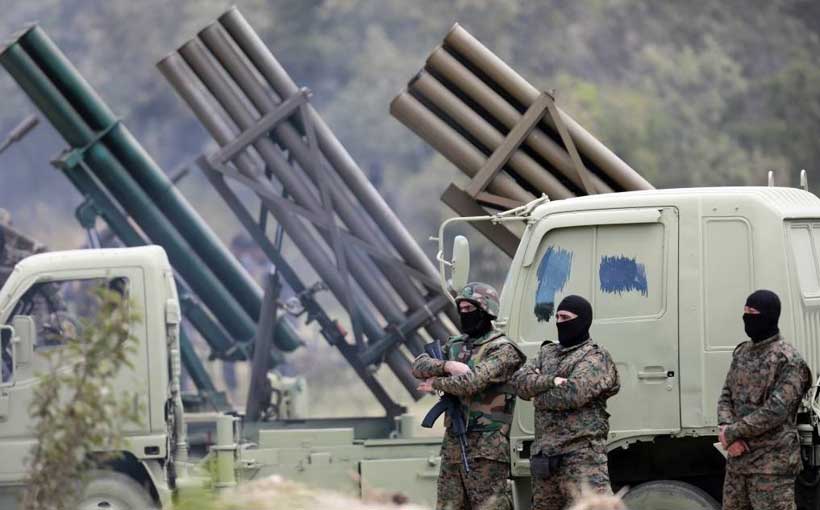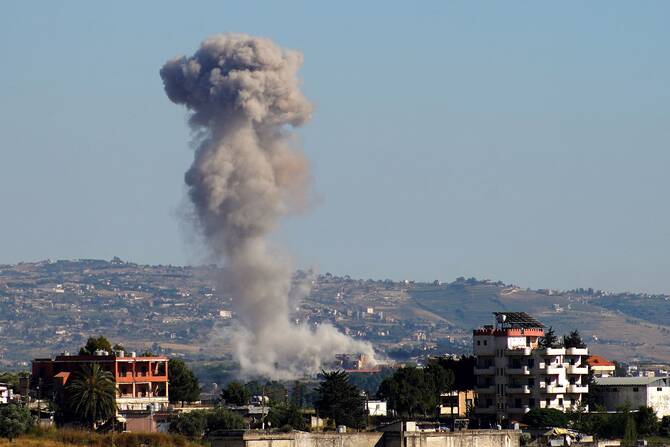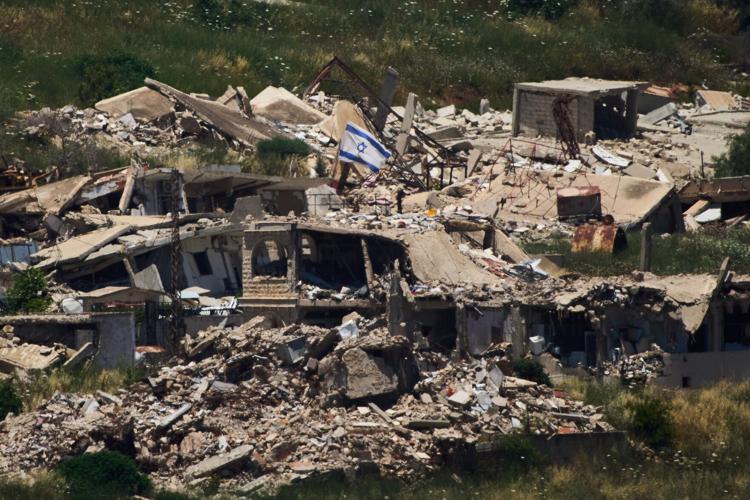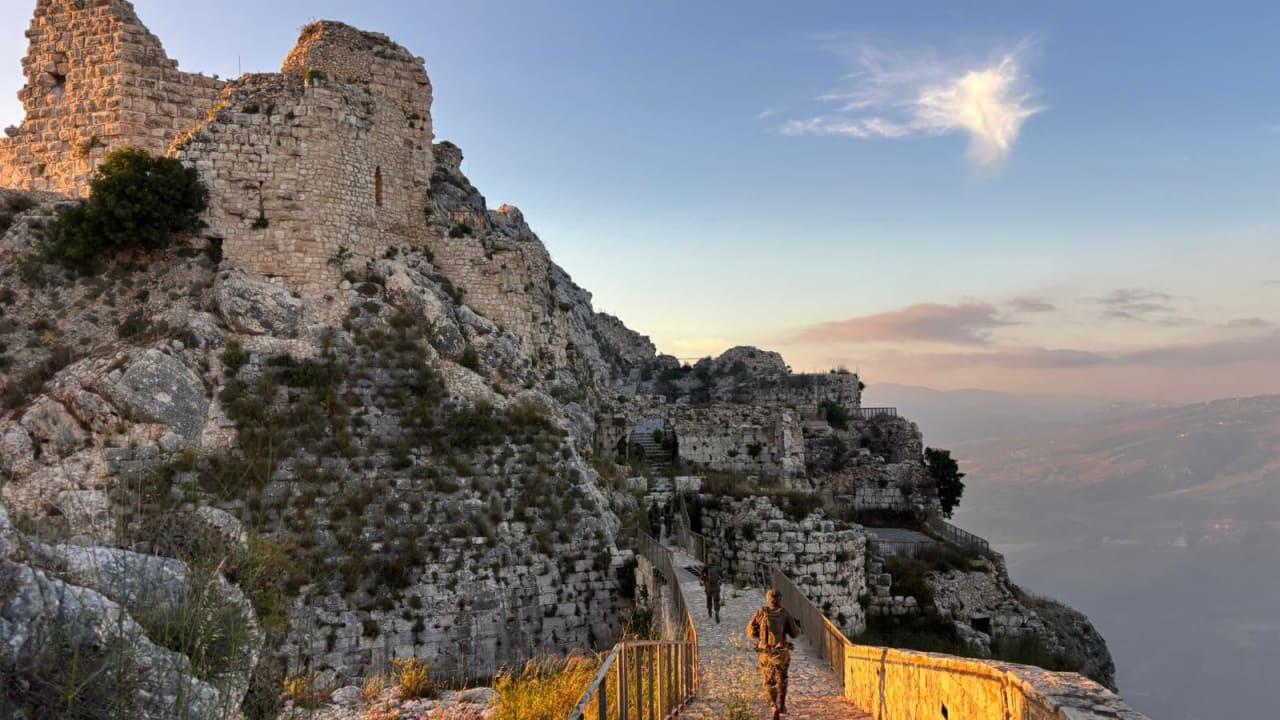
A resolution to withdraw U.S. Troops from Lebanon was decisively defeated in the House of Representatives on Tuesday, with a final vote of 324 to 92. The measure, a Democratic-led Lebanon War Powers Resolution, saw 91 Democrats vote in favor of its passage. Representative Thomas Massie cast the sole Republican vote in support of the resolution. Despite the vote, House Democratic leaders affirmed that there are no U.S. Servicemembers "involved in combat operations or hostilities in Lebanon." This statement from Democratic Party leaders sought to clarify the nature of the American military presence in the region, emphasizing a non-combat role for any deployed personnel. The resolution's defeat showed a significant divide within Congress regarding U.S. Foreign policy and military engagement, particularly concerning the Middle East.
Resolution Details and Votes
The Democratic-led Lebanon War Powers Resolution aimed to invoke the War Powers Act of 1973, a federal law intended to check the U.S. President's power to commit the United States to an armed conflict without the consent of Congress. Its proponents argued for a re-evaluation of American military presence in Lebanon, citing concerns over regional stability and the potential for escalation.
Representatives Jerrold Nadler and Dan Goldman of New York both voted against the resolution to withdraw U.S. Troops from Lebanon. The two legislators issued a joint statement clarifying their stance, emphasizing that their vote "should not be taken as an approval of Prime Minister Netanyahu’s prosecution of Israel’s military action in Lebanon." They further explained the rationale behind supporting the continued presence of American forces in the region. According to Representatives Nadler and Goldman, "To the extent that American armed forces are present in Lebanon, it is to support the current Lebanese government, which deserves our assistance." Their votes contributed to the overwhelming defeat of the measure, which failed with a final count of 324 votes against and 92 in favor. This strong opposition from a bipartisan majority of the House effectively blocked the resolution from advancing, signifying a broader congressional consensus against an immediate withdrawal of U.S. Forces from Lebanon. The vote distribution noted that while 91 Democrats supported the resolution, a substantial number of their party colleagues, alongside the vast majority of Republicans, voted against it.
Context of Lebanon Conflict
The debate surrounding the resolution took place against a backdrop of ongoing conflict and humanitarian concerns in Lebanon. Representative Rashida Tlaib, addressing ongoing Israeli strikes, cited a UNICEF report indicating that 77 children in Lebanon were killed within a week. Tlaib emphasized the urgency of congressional action, stating, "The people of Lebanon can’t wait another month for Congress to act. Every day that we do nothing, 11 more Lebanese children are killed or injured by the Israeli military in this US-supported invasion. Congress must pass today’s Lebanon War Powers Resolution." Her impassioned plea showed the severe human cost of the conflict and the perceived role of U.S. Support in its continuation.
Amid the conflict, Hezbollah rejected the latest ceasefire agreement that had been brokered between Israel and Lebanon, according to reports. This rejection further complicated efforts to de-escalate tensions and restore stability in the region. The failure of the ceasefire agreement to take hold signaled persistent obstacles to achieving a lasting peace.
Related Congressional Actions
The vote on the Lebanon War Powers Resolution occurred as other significant foreign policy debates were unfolding in Congress. Eighty-five members of Congress sent a letter to Secretary of State Marco Rubio, urging the Trump administration to halt settlement construction in the E-1 area of the West Bank. The letter, led by Democratic Representatives Mark Pocan and Jan Schakowsky, noted the critical need for U.S. Diplomatic intervention. It stated, "The window for meaningful diplomatic intervention is closing rapidly, and we believe it is not too late for the United States to act." This initiative demonstrated ongoing congressional efforts to influence the administration's policy in the broader Israeli-Palestinian conflict, reflecting concerns about actions that could undermine a two-state solution.
Concurrently, the House of Representatives narrowly passed a resolution on Wednesday aimed at limiting President Donald Trump’s authority to continue military action in Iran. The measure sought to restrict the President's power regarding the conflict, reflecting a broader push by some members of Congress to reclaim legislative authority over declarations of war and military engagements. The passage of this resolution, albeit by a narrow margin, indicated a growing desire within the legislative branch to assert its constitutional role in matters of war and peace, particularly concerning potential conflicts in the Middle East. These concurrent legislative actions illustrate a period of intense congressional scrutiny over U.S. Military involvement and foreign policy decisions across the region.