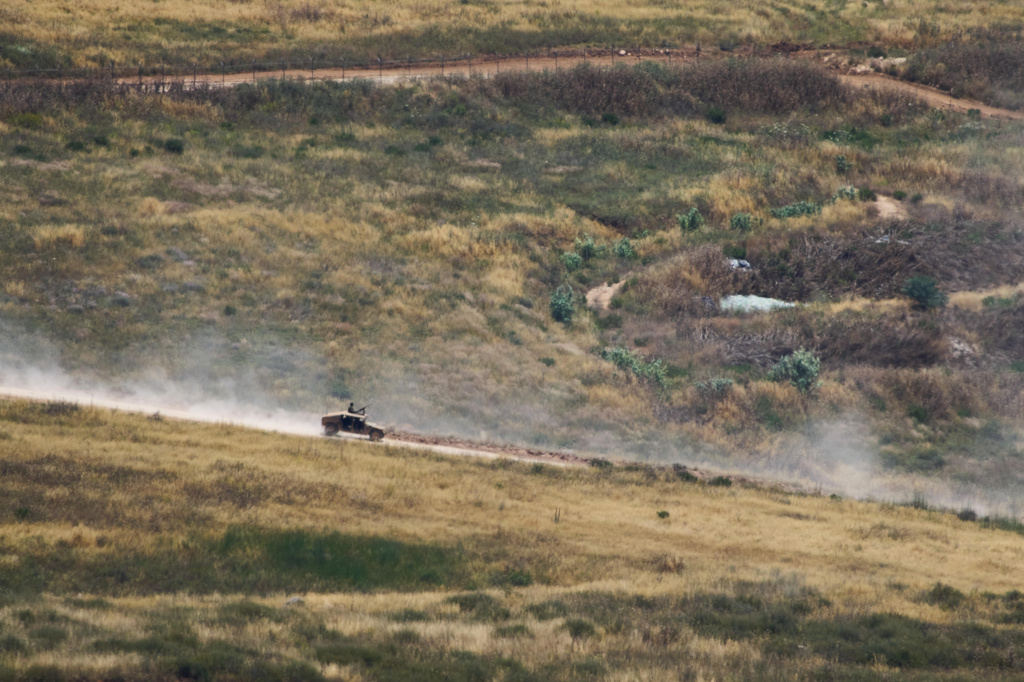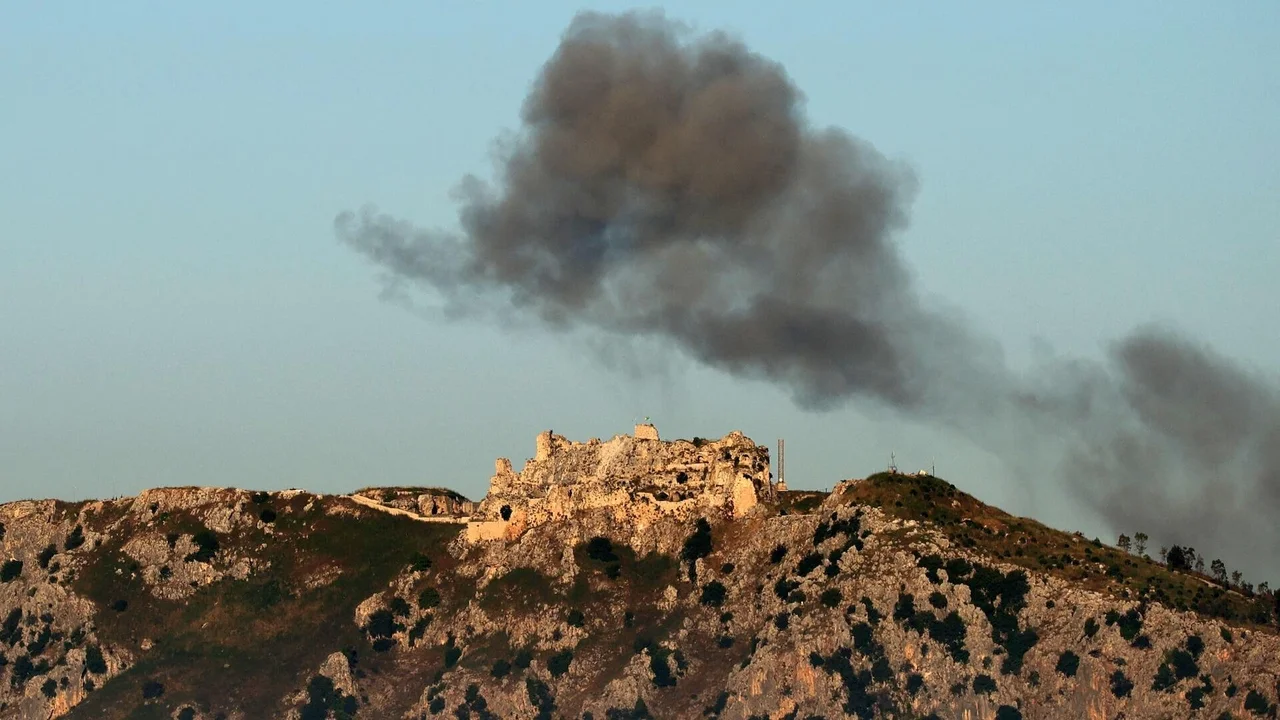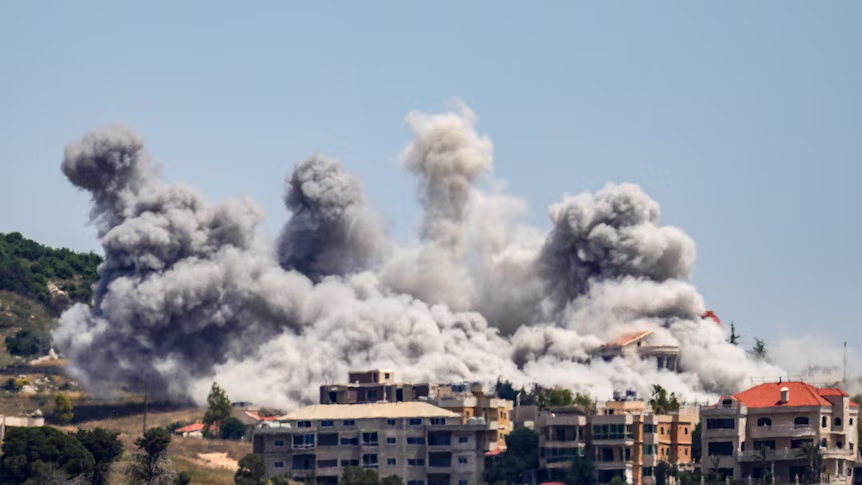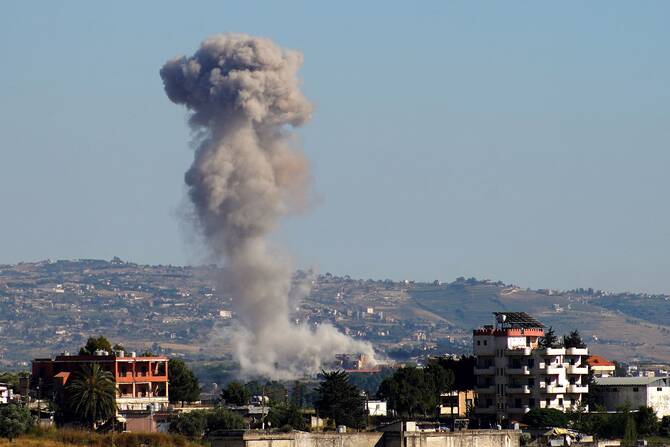
Humanitarian organization Action For Humanity has welcomed reports of a ceasefire agreement in Lebanon, following United States-brokered talks between Israel and the Lebanese government. The latest declared ceasefire came about through U.S. Brokered talks held between Israel and Lebanon’s government. The declared truce comes after a period of intense fighting that saw Israeli strikes kill at least four people in Lebanon. Reports also indicate the conflict resulted in the deaths of 27 Israeli soldiers and three civilians. The ceasefire aims to halt hostilities that have impacted civilian populations in the region.
Humanitarian Needs Persist
The UK-based charity Action For Humanity stated on Thursday that any agreement should provide genuine protection for civilians, allow humanitarian agencies unrestricted access to affected communities, and create conditions for displaced families to return home. Thousands of homes and key pieces of civilian infrastructure have been damaged or destroyed across the country. Action For Humanity reported that humanitarian needs remained significant across the country, particularly among families living in temporary shelters. The humanitarian needs remained significant, particularly among families living in temporary shelters, showing the urgency of sustained aid efforts.
The organization, also known as AFH, said it continued to provide food assistance and community support programs in Lebanon. Action For Humanity assisted more than 12,600 people during Ramadan and distributed over 12,500 hot meals. These efforts provided critical support to vulnerable populations during a period of heightened need. A sustained ceasefire could allow humanitarian organizations to expand operations and support longer-term recovery efforts, moving beyond immediate relief to address systemic challenges. Rebuilding communities would require continued international assistance, according to the charity, to restore essential services and infrastructure.
Action For Humanity also called on governments to support efforts aimed at securing a lasting end to hostilities and ensuring compliance with international law. Lebanon has faced repeated cycles of conflict and economic hardship in recent years, exacerbating the humanitarian situation. The organization noted that previous ceasefire arrangements had failed to prevent continued violence and civilian suffering, noting the need for a more strong and enforceable agreement this time. The charity emphasized that genuine peace requires more than just a pause in fighting; it demands a commitment to protecting civilians and facilitating humanitarian access.
Ceasefire Terms and Opposition
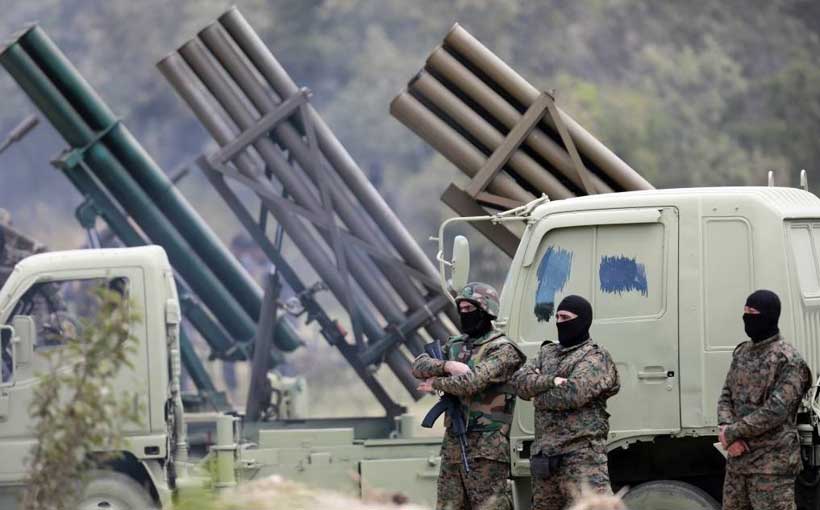
Hezbollah leader Naim Kassem rejected the latest ceasefire agreement reached between Israel and the Lebanese government, stating, "What we are concerned about is an end to the aggression, ceasefire and Israel’s withdrawal." Kassem also stressed that Hezbollah demands a complete Israeli withdrawal from Lebanon and explicitly said, "We did not make any commitment to any party to stop resisting as long as there is occupation." The agreement itself, however, calls for Hezbollah fighters to leave southern Lebanon. It also stipulates that Lebanon’s armed forces should assume control of security zones in Lebanon, from which militants would be banned. Hezbollah has maintained it will only adhere to a ceasefire if Israel halts its attacks and begins withdrawing from the country. This stance shows the deep divisions and challenges in implementing a lasting peace.
The new agreement has been described by Lebanese President Joseph Aoun as "the last chance to enter a final and full ceasefire." The terms of the agreement state that Hezbollah “is not just an enemy of Israel and an enemy of America, but that it is an enemy of Lebanon” and calls for its dismantling. This strong language reflects the international community's concerns about Hezbollah's role in the region and its impact on Lebanese sovereignty. A top Iranian general reiterated Tehran’s demand for a full ceasefire in Lebanon, calling for Israel to pull troops back to their positions before the wider war began. The ongoing fighting threatens efforts to end the Iran war and jeopardizes attempts to reopen the Strait of Hormuz, a critical maritime passage. Before the conflict, approximately a fifth of the world’s oil and gas transited through the Strait of Hormuz, noting its strategic global importance. The continued disruption poses significant risks to international energy markets.
Escalating Conflict and Displacement
The conflict has displaced more than 1.3 million people, representing approximately 20 percent of Lebanon’s population. Over 1.2 million people have been displaced, creating a massive humanitarian crisis within the country. Reports indicate that Israeli troops have seized around a fifth of Lebanon since Hezbollah initiated rocket and drone attacks. Israeli forces have taken control of large swaths of southern Lebanon, further contributing to the displacement crisis and altering the geopolitical landscape of the border region. The extent of the territorial control by Israeli forces has raised concerns about long-term stability and the potential for further escalations.
The fighting has also resulted in casualties among international personnel and civilians. A U.N. Peacekeeper, identified as Serbian, was killed, and two others were wounded when a mortar struck their location near Marjayoun. A Serbian peacekeeper was killed and two others wounded when a mortar struck their location near Marjayoun, an incident that drew international condemnation and noted the dangers faced by peacekeepers. Separately, a drone strike killed a motorcyclist and wounded four people in the village of Maaroub, according to reports. Airstrikes on the village of Sohmor also killed three people and wounded others, adding to the civilian toll of the prolonged conflict. These incidents show the indiscriminate nature of the violence and its devastating impact on non-combatants.
Hezbollah resumed its rocket fire days after Israel and the United States reportedly launched a surprise attack on Iran on February 28. This escalation demonstrated the interconnectedness of regional conflicts and the potential for rapid retaliation. In a separate incident, a strike on a commercial airport in Kuwait on Wednesday killed an Indian national and wounded more than 60 people, reports indicated. This particular event further illustrated the broad and unpredictable reach of the conflict, affecting areas beyond the immediate battlegrounds and impacting international workers. The cumulative effect of these events has been a significant destabilization of the region, with broad consequences for both local populations and international relations.