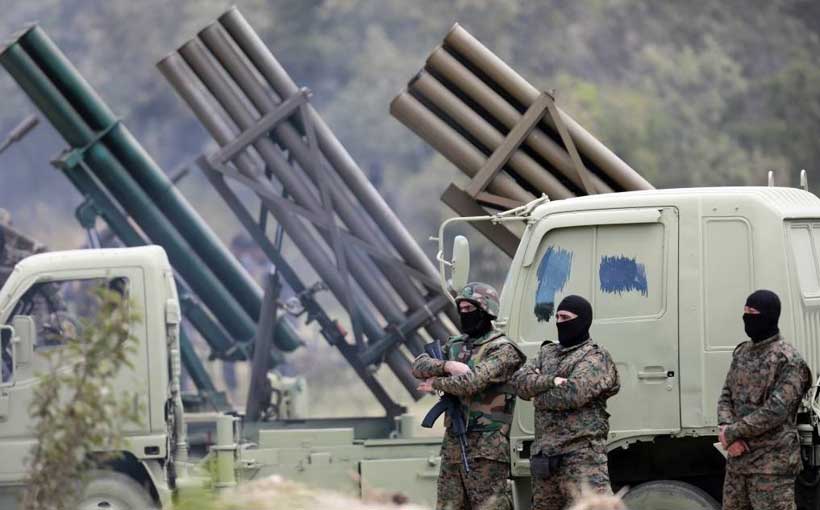
Hezbollah has rejected a U.S.-brokered ceasefire agreement negotiated between Israel and the Lebanese government, complicating ongoing regional peace efforts. The proposed agreement, which followed a fourth round of US-mediated talks in Washington, stipulated that Hezbollah operatives would cease attacking Israel and be evacuated from an area between the Israeli border and the Litani river, approximately 30 kilometers (19 miles) to the north. This specific provision required Hezbollah to stop attacking Israel, a key demand from the Israeli side. Reports indicated the ceasefire involved the creation of "pilot" security zones inside Lebanon, specifically designed to exclude non-state actors like Hezbollah. The US would help guide the establishment of these pilot zones, where the Lebanese Armed Forces would assume exclusive control, effectively banning Hezbollah operatives from these designated areas. Representatives from Israel and Lebanon are scheduled to meet again on June 22 for further discussions, showing the ongoing diplomatic efforts despite the current setback.
Hezbollah's Stance and Rationale
Hezbollah leader Naim Qassem stated that negotiations had been "futile" and "humiliating" for Lebanon, asserting they were "rejected categorically by broad segments of the Lebanese people." Qassem's strong remarks highlight the group's firm opposition to the proposed terms, particularly the requirement for their withdrawal from southern Lebanon. The exclusion of Hezbollah from the ceasefire talks is seen by some observers as exposing a critical weakness in the diplomatic process, given the group's undeniable status as the most influential military actor in southern Lebanon. This exclusion meant that a central player in the conflict was not directly at the negotiating table, potentially undermining the legitimacy and enforceability of any agreement.
Hezbollah is considered a key pillar of Iran's regional deterrence strategy, a factor that profoundly complicates efforts to de-escalate tensions and achieve a lasting peace. Its deep ties to Tehran mean that any agreement impacting Hezbollah has broader regional implications. Israel, for its part, aims to prevent Hezbollah from rebuilding military capabilities near its northern border, a core security concern driving its actions in the region. The desire to neutralize this threat is a primary motivation for Israel's engagement in these ceasefire talks.
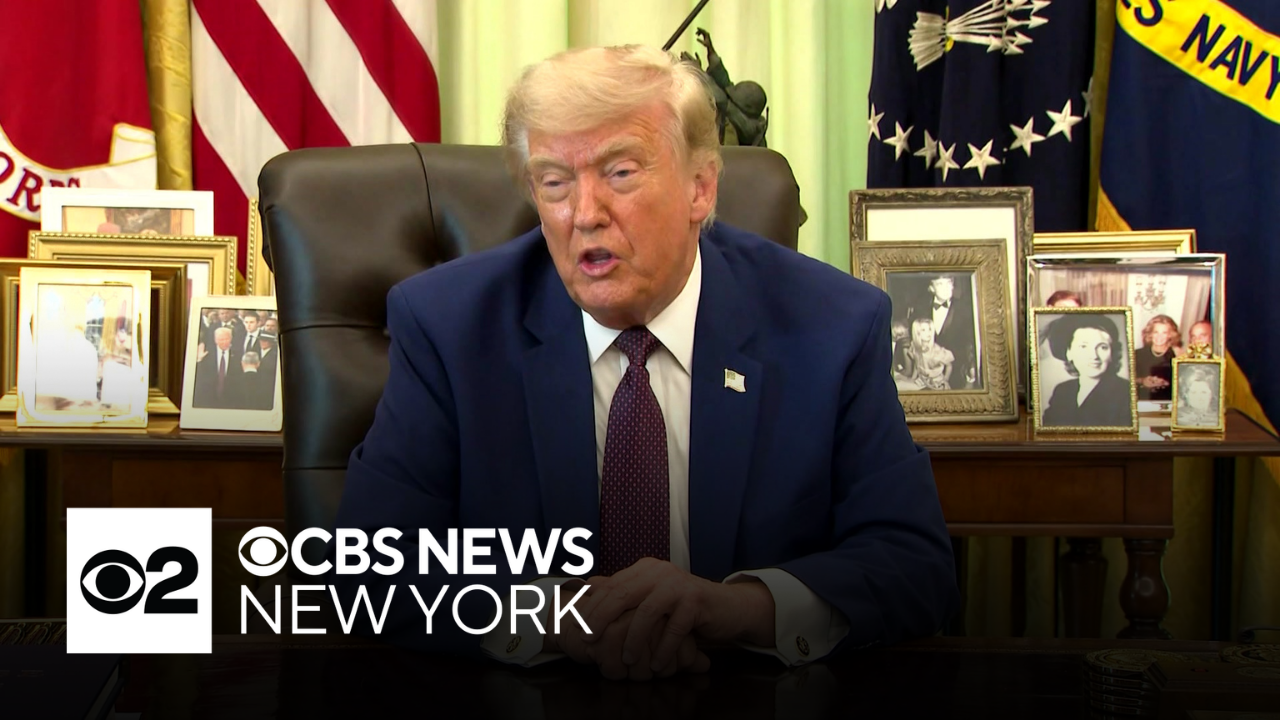
Despite the rejection, former U.S. President Donald Trump indicated he had engaged with both Hezbollah and Israeli Prime Minister Benjamin Netanyahu regarding the situation. Trump said he believed "you're going to see things happen over there," adding, "It would be really nice if Lebanon could have some peace. Lebanon's been under attack for so many years and always like an underdog, and it would be really nice if it could end." Trump's comments suggested ongoing, albeit indirect, communication channels between the parties involved, hinting at a potential for future breakthroughs.
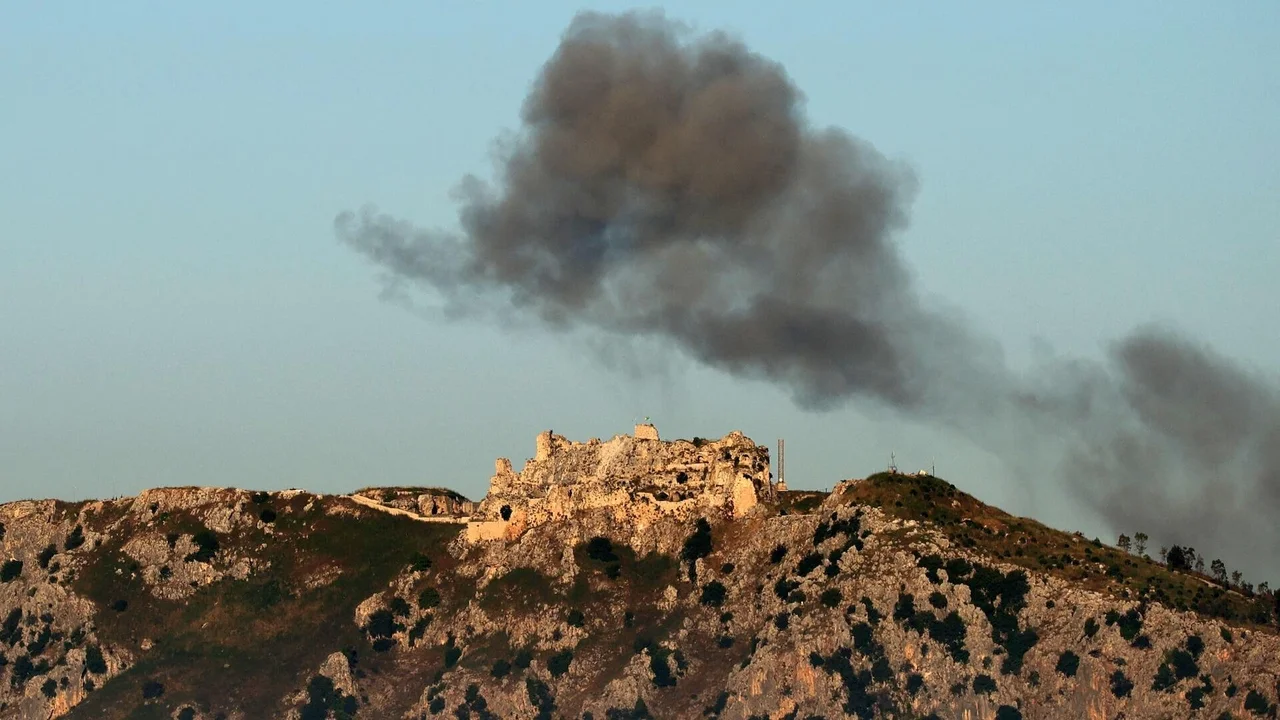
Earlier, Hezbollah announced it had targeted Israeli troops and military vehicles, demonstrating its continued operational presence and capability. The group claimed responsibility for attacks using drones and rockets on Thursday in the Lebanese town of Qantara and the area of Beaufort Castle. This activity reflects the ongoing hostilities, suggesting that the immediate outlook points towards a continuation of low-intensity conflict rather than a full peace settlement in the region. This assessment is shared by many observers who note the deep-seated nature of the conflict.
Broader Regional and Diplomatic Implications
The broader regional and diplomatic implications of Hezbollah's rejection of the proposed ceasefire are significant, impacting various international actors and regional dynamics. Iran has indicated that progress in nuclear and sanctions negotiations is contingent on an end to Israeli military operations against its regional allies, including Hezbollah. This linkage shows the interconnectedness of regional conflicts with broader international diplomatic efforts. The United States is attempting to balance its steadfast support for Israel with diplomatic efforts to prevent a prolonged regional war, while also working to stabilize global energy markets, which are highly sensitive to Middle Eastern instability. For its part, the Lebanese Government faces the complex and formidable task of asserting state authority across its territory, particularly in the south, while simultaneously managing internal divisions and striving to avoid a wider, more devastating conflict. The fragility of Lebanon's political landscape makes this a particularly delicate balancing act.
Gulf States have expressed profound concerns regarding potential disruptions to critical trade routes, particularly those passing through the Red Sea and Suez Canal, as well as the stability of energy exports and overall regional stability. Any escalation of conflict could have severe economic repercussions for these nations. The International Community, including the United Nations and the International Atomic Energy Agency, is intensely focused on preventing further escalation and preserving existing diplomatic channels, which are key for de-escalation and potential future negotiations. Should violence continue, Tehran may leverage the situation to increase pressure on Washington during ongoing negotiations concerning sanctions and nuclear issues, using the conflict as a bargaining chip. Conversely, a successful ceasefire in Lebanon could serve as a vital confidence-building measure for broader U.S.-Iran talks, potentially paving the way for progress on other contentious issues. Domestic political pressure within the United States to lower energy prices and avoid a prolonged conflict in the Middle East may further encourage Washington to pursue a compromise with Tehran, noting the complex interplay of domestic and international factors.
However, regional stability, according to observers, cannot be achieved through isolated ceasefires alone without addressing the underlying competition for influence between Iran, Israel, and the United States. This fundamental geopolitical struggle often fuels proxy conflicts and prevents lasting peace. In the context of ongoing hostilities, the Israeli military accused Hezbollah of firing mortars that landed inside a United Nations position, directly endangering international peacekeepers. The Israeli military also announced on Thursday that one of its soldiers, Capt Eitan Shmuel Lemberg, had been killed in southern Lebanon, showing the immediate human cost of the continuing conflict and the direct involvement of Israeli forces.
Escalating Violence and Human Cost
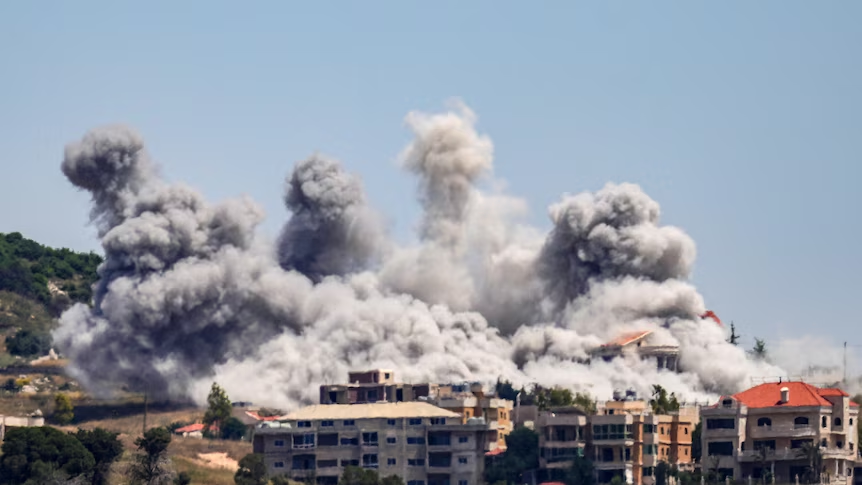
The state-run National News Agency (NNA) reported that five individuals were killed in air strikes on the Bekaa Valley town of Sohmor on Thursday. Separately, the Lebanese health ministry indicated that at least eight people died and 15 others were injured on Thursday in strikes targeting Sohmor, Masaken, and Arab Al-Jalil, noting the widespread impact of the aerial bombardments. Lebanese media also reported multiple Israeli strikes across southern Lebanon on Thursday, indicating a broad and sustained campaign. Another person was killed when an Israeli aircraft targeted a motorcycle in the town of Maaroub, near the city of Tyre, illustrating the precision and lethality of some of these attacks.
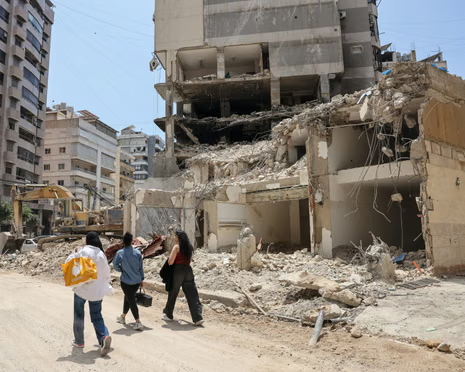
The human toll of the conflict continues to mount. The Lebanese health ministry stated that at least 3,526 people have been killed in Lebanon since the war began. Beyond the fatalities, more than one million individuals have registered themselves as displaced within Lebanon, forced to flee their homes due to the violence. Across the border, Israel reported that 26 of its soldiers and four Israeli civilians have been killed on both sides of the border during the conflict, demonstrating the reciprocal nature of the casualties.
The United Nations peacekeeping force in Lebanon (Unifil) confirmed that one of its peacekeepers died of wounds sustained when mortar shells struck his position near Marjayoun late on Wednesday. This incident shows the extreme danger faced by international personnel attempting to monitor and mitigate the conflict. Serbia's defence ministry identified the peacekeeper as Senior Sergeant Milovan Jovanovic, bringing a specific name to the tragic loss. The Israeli military, in response, accused Hezbollah of firing the mortars that landed inside the UN position, further complicating the already tense situation and raising questions about accountability. The ongoing violence and the rejection of the ceasefire proposal indicate a challenging path ahead for regional stability and peace.