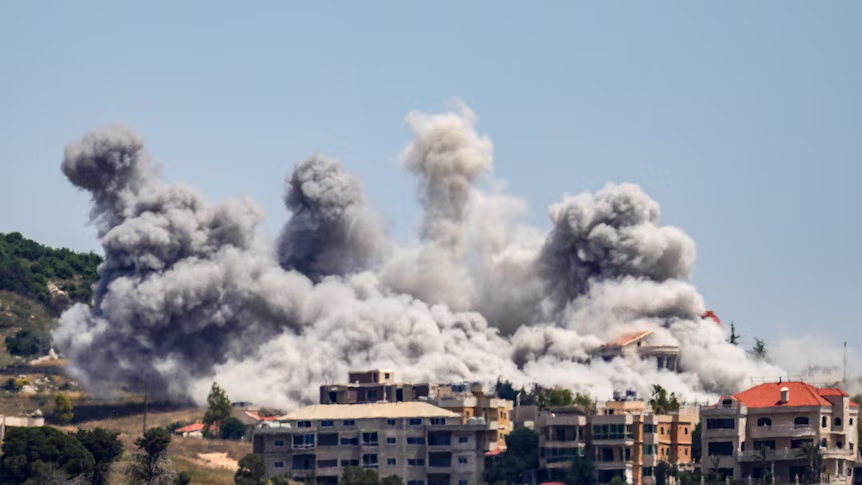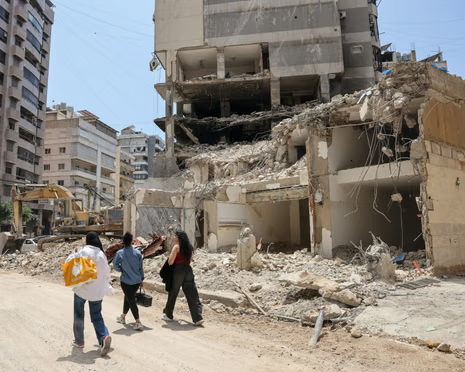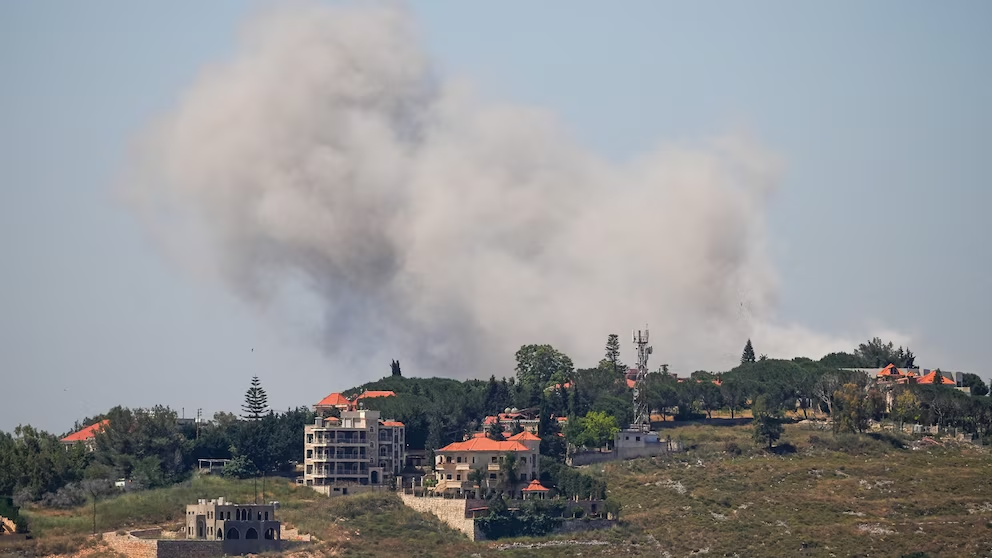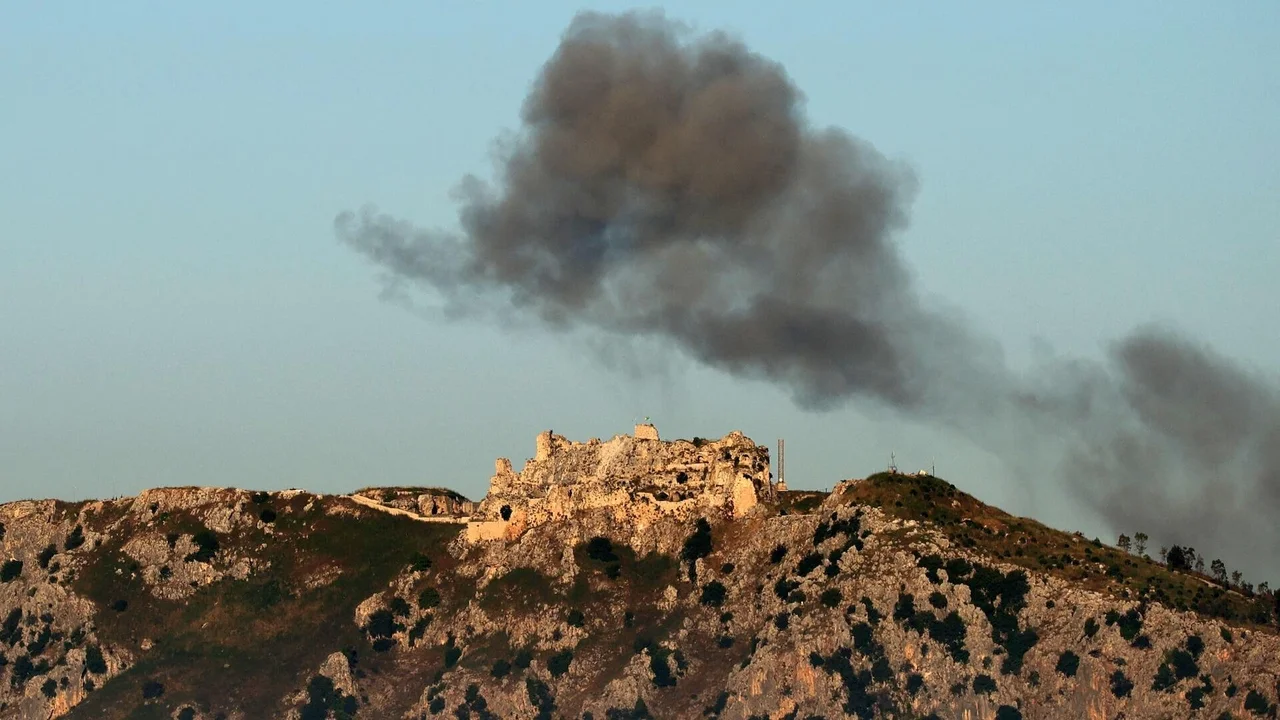
Israel and Lebanon have agreed to a renewed ceasefire, according to reports. This significant development follows a period of continued tensions between the two nations, which included a continued offensive by Israel against the Iran-backed Hezbollah militant group. Reports indicated these tensions also involved recent Hezbollah rocket and drone fire into northern Israel, showing the volatile security situation along the border. The agreement marks a critical effort to de-escalate hostilities and prevent further conflict in the region.
Deal Terms and Mediation
The renewed ceasefire agreement between Israel and Lebanon is contingent on a complete cessation of fire by Hezbollah and the evacuation of all Hezbollah operatives from areas south of the Litani River, according to reports. This key condition aims to establish a more secure buffer zone along the border. Under the terms of the agreement, the Lebanese army is expected to assume full control of these security zones, thereby asserting state authority over areas previously influenced by the militant group.
The United States mediated the talks that led to this agreement, which took place at the State Department in Washington D.C. U.S. Officials played a key role in bringing the parties to the negotiating table and facilitating the terms of the ceasefire. During these discussions, U.S. Officials stated that Hezbollah is considered an enemy of both Israel and the United States, further describing the group as a destabilizing force within Lebanon. This strong stance from the U.S. Shows the international community's concerns regarding Hezbollah's activities and its impact on regional stability. The mediation effort notes the persistent diplomatic engagement required to manage the complex security dynamics between Israel and Lebanon.
Escalation and U.S. Role
The renewed ceasefire follows a continued offensive by Israel against the Iran-backed Hezbollah militant group, as mentioned earlier. This period of intensified military activity saw Israeli plans for strikes in Beirut's Dahiyeh district reportedly halted due to intervention from the United States. This intervention demonstrates the U.S.'s active role in preventing wider escalations. According to reports, U.S. President Donald Trump supported understandings that any future Hezbollah attacks on Israeli cities would allow for Israeli strikes in Beirut. This understanding served as a deterrent and a framework for managing potential retaliation.
The U.S. Has played a significant role in mediating and shaping understandings between the parties, aiming to de-escalate tensions and prevent broader conflict. The intervention notes the delicate balance of power and the international community's efforts to manage the volatile security situation in the region. The U.S. Diplomatic efforts were key in establishing a pathway for de-escalation and setting conditions for a more stable environment, even amidst ongoing hostilities and deep-seated mistrust.
Future Talks and Outlook
The parties involved are expected to resume political and security talks during the week of June 22, according to reports. This upcoming round of discussions aims to build upon the recently agreed-upon ceasefire and address ongoing security concerns. These future talks will likely delve into more permanent arrangements for border security and the implementation of the ceasefire terms, particularly regarding Hezbollah's presence south of the Litani River. The resumption of talks signals a continued effort to stabilize the situation along the Israel-Lebanon border and seek long-term solutions. Further diplomatic engagement is anticipated as mediators work to solidify the understanding between the nations and pave the way for a more enduring peace. The success of these future discussions will be critical in maintaining the fragile stability achieved through the current ceasefire agreement.