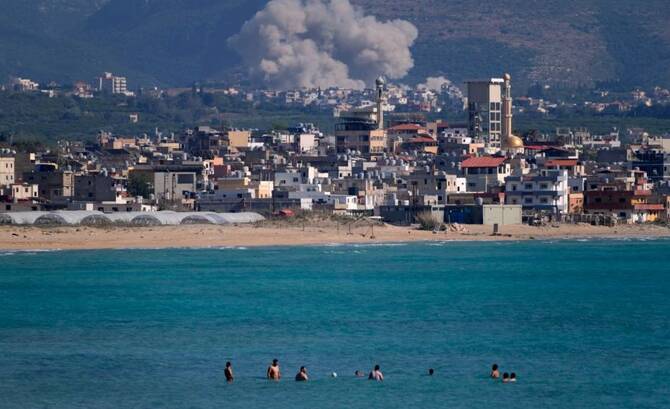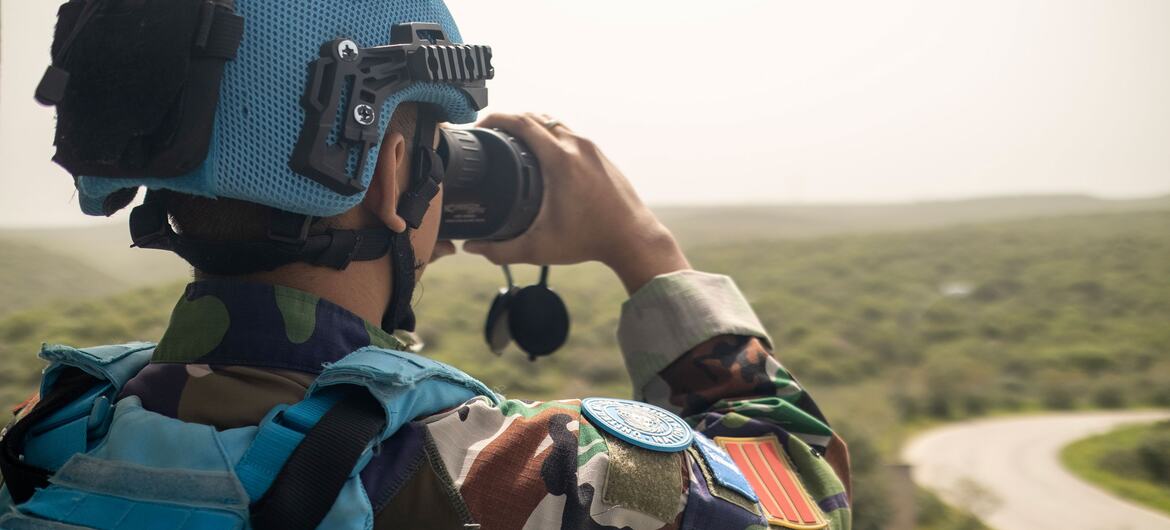
A United Nations peacekeeper died early Thursday following a mortar attack on his position near Marjayoun in southern Lebanon. The peacekeeper was a Serbian national and received emergency medical care after his base came under attack. He was subsequently helicoptered to a Beirut hospital, where he later succumbed to his injuries. The tragic incident marks a somber moment for the international peacekeeping mission in the region. An investigation is currently underway to ascertain the exact circumstances that led to the incident, according to officials. This inquiry aims to shed light on the events surrounding the mortar fire that claimed the peacekeeper's life.
Escalating Regional Violence
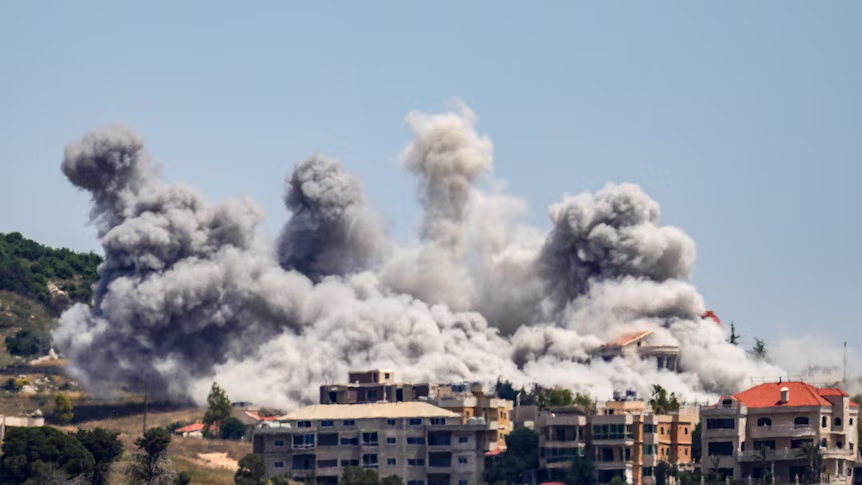
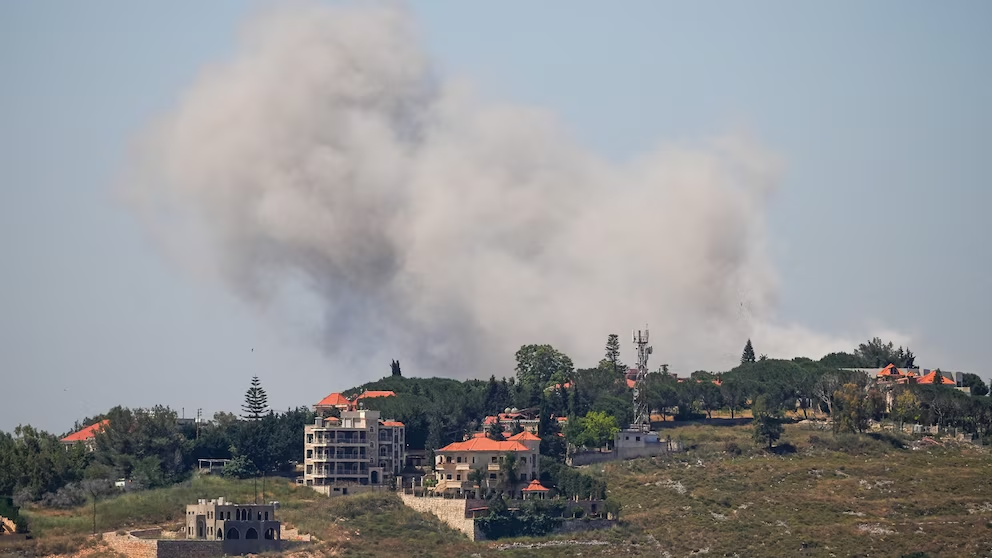
The violence comes amid intensifying exchanges of fire between the Israeli military in southern Lebanon and Hezbollah fighters. These skirmishes erupted on March 2, when Hezbollah fighters launched projectiles into northern Israel. This occurred shortly after an Israeli-US bombing campaign targeting Iran began at the end of February, marking a significant escalation in regional tensions. The mortar attack that killed the UN peacekeeper took place hours before a US-announced ceasefire renewal agreement between Lebanon and Israel was set to take effect on Wednesday. The timing of the attack shows the fragile security situation in the border area, even as diplomatic efforts were underway.
The latest truce deal reportedly involves the creation of “pilot zones” in southern Lebanon. In these zones, Lebanon’s army is intended to take control, aiming to de-escalate tensions along the volatile border region. The agreement seeks to establish a mechanism for sustained calm after weeks of heightened military activity. Despite these efforts, the deadly mortar attack notes the persistent dangers faced by both civilians and international personnel in the area. The ongoing exchanges of fire have created a highly unpredictable environment, making the implementation of any ceasefire agreement particularly challenging. The incident serves as a stark reminder of the urgent need for a lasting resolution to the conflict.
UNIFIL's Concerns and Response
Two other peacekeepers sustained injuries during the incident and are currently receiving medical treatment at a UNIFIL facility. Their conditions are being closely monitored, and they are receiving the best possible care. The peacekeeping mission, UNIFIL, stated that "Deliberate attacks on peacekeepers are grave violations of international humanitarian law and of Security Council Resolution 1701, and may amount to war crimes." This strong condemnation reflects the severity with which the international community views assaults on peacekeepers. UNIFIL also noted an increasingly high number of trajectories and impacts across south Lebanon, indicating a widespread and dangerous pattern of military activity. The mission's observations point to a significant increase in the use of various munitions, posing a direct threat to both its personnel and the local population.
The mission expressed its sorrow regarding the loss, stating, "We extend our deepest condolences to the family, friends, and colleagues of the peacekeeper who lost his life in the service of peace. Our thoughts also go out for the full and speedy recovery of the injured peacekeepers." This statement conveyed the profound grief and solidarity within the peacekeeping community. The organization reiterated its commitment to its mandate despite the escalating dangers. UNIFIL's mandate involves monitoring the cessation of hostilities, accompanying and supporting the Lebanese Armed Forces, and ensuring humanitarian access. Despite the significant risks, the mission remains dedicated to fulfilling these critical responsibilities in a highly volatile operational environment. The continued presence of UNIFIL is seen as key for stability and for preventing further escalation in the border region.
Humanitarian Impact and Displacement
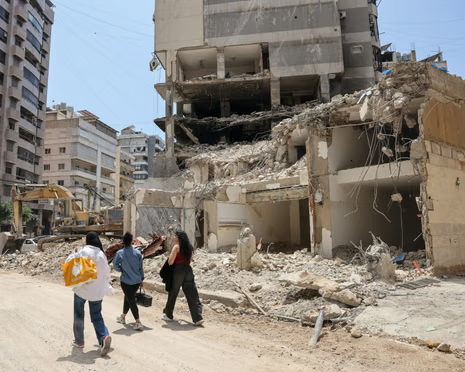
The escalating violence has displaced more than one million people across Lebanon. This mass displacement represents a severe humanitarian crisis, placing immense strain on resources and infrastructure throughout the country. In Beirut, an estimated 200,000 individuals were uprooted from the southern suburbs. This widespread displacement in the capital followed an evacuation order issued by the Israeli Defense Forces on June 1, instructing residents to leave the area. The order prompted a rapid and large-scale movement of people, many of whom sought refuge with relatives or in temporary shelters. The forced displacement of such a large number of civilians shows the devastating human cost of the ongoing conflict and border tensions.
The humanitarian challenges extend beyond immediate shelter needs, encompassing access to food, water, medical care, and education for the displaced populations. The sheer scale of the displacement has overwhelmed local aid organizations and government services, necessitating increased international support. The situation notes the urgent need for a stable and lasting peace to allow these communities to return home and rebuild their lives. The constant threat of further escalation exacerbates the humanitarian situation, making long-term planning and recovery efforts extremely difficult. The international community continues to monitor the humanitarian situation closely, advocating for the protection of civilians and the provision of essential aid.