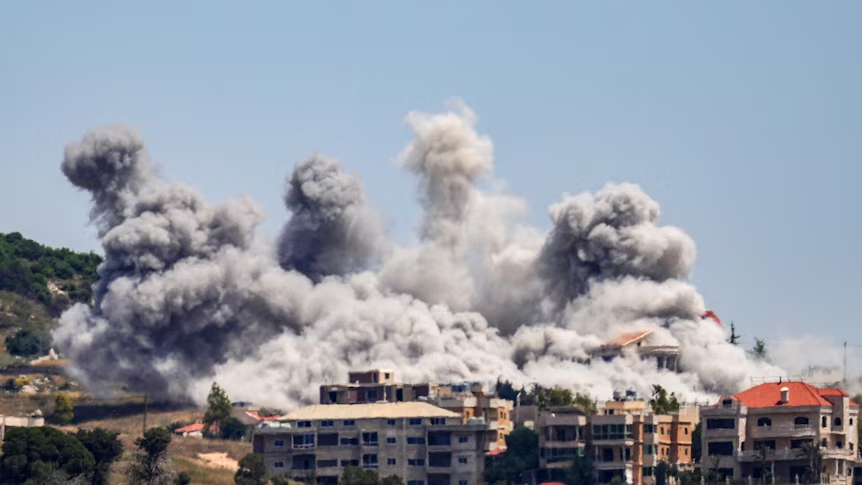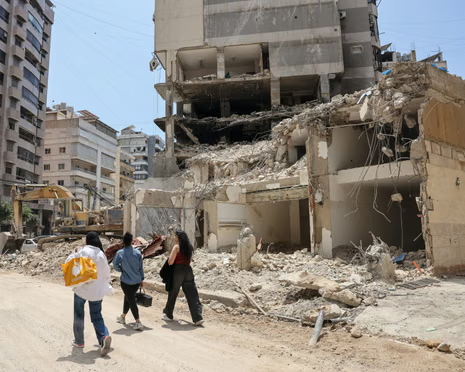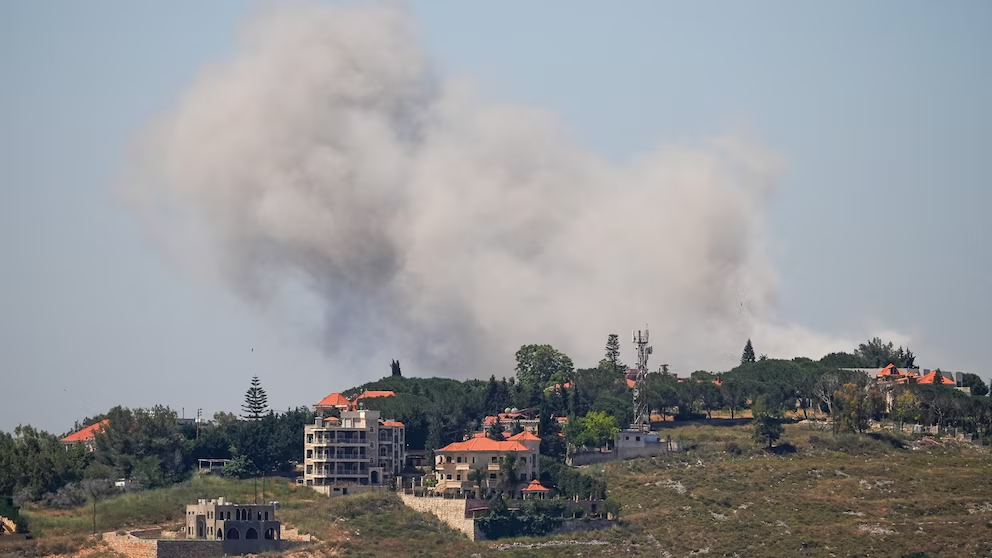
Fighting continued in southern Lebanon through Wednesday night and into Thursday morning, despite an agreement on a ceasefire between Israeli and Lebanese leaders announced by the State Department on Wednesday. This ongoing conflict persisted even as the diplomatic efforts aimed to de-escalate the situation. The agreement is contingent on a "complete cessation" of Hezbollah fire and the evacuation of all its forces from the South Litani Sector, a critical condition for its implementation. Amidst these hostilities, a United Nations peacekeeper was killed, and two others were injured and are undergoing treatment at a UNIFIL base, according to reports. The United Nations Interim Force in Lebanon (UNIFIL) stated, "UNIFIL has launched an investigation to ascertain the exact circumstances that led to this tragic incident," adding, "The violence must end." This incident shows the precariousness of the situation on the ground, even as diplomatic channels are engaged.
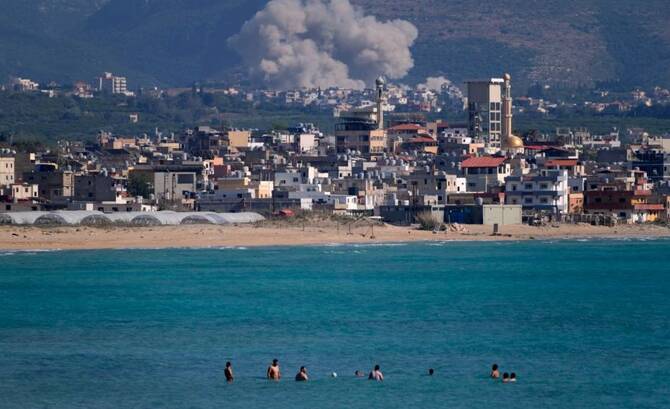
Lebanon's National News Agency (NNA) reported that three people were injured when a car was attacked while traveling in the south of the country, detailing the direct impact of the conflict on civilians. NNA also reported an Israeli airstrike on a town in the southern Tyre district, indicating continued offensive operations. Hezbollah, for its part, claimed overnight attacks on "gatherings of Israeli enemy soldiers" in multiple locations in the south of the country, demonstrating its continued engagement in hostilities. These reports from both sides highlight the persistent nature of the conflict despite ongoing ceasefire discussions.
Ceasefire Agreement Details and Diplomatic Maneuvers
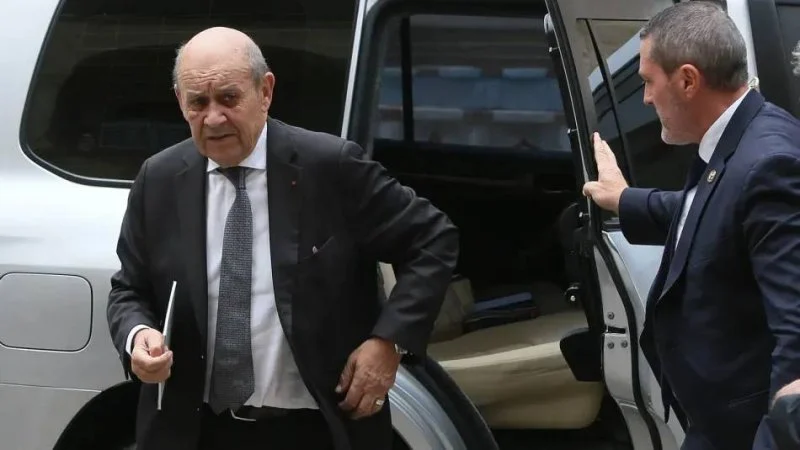
The U.S. State Department announced Friday evening that the ceasefire in Lebanon would be extended by 45 days, providing a temporary window for further diplomatic efforts. Israeli Foreign Minister Israel Katz described the agreement, brokered between Israeli and Lebanese leaders in Washington, as "a ceasefire for the removal of Hezbollah terrorists from all areas south of the Litani and the creation of a demilitarized zone, the IDF continuing its fire and activity in the area." This statement outlined Israel's key objectives and conditions for the ceasefire. President Donald Trump later announced an open-ended extension of the ceasefire and the continuation of a U.S. Blockade until negotiations are concluded, signaling a prolonged diplomatic and economic strategy. The fact that Israeli citizens learned about this ceasefire extension from the United States rather than from Israel’s own political leadership notes the role of external mediation in this conflict.
Further diplomatic efforts are scheduled, with the State Department expected to host additional talks on Monday, June 2, and Tuesday, June 3, indicating a sustained commitment to finding a resolution. Concurrently, a "security track" involving military delegations from both countries is set to open at the Pentagon on Thursday, May 29, suggesting a multi-faceted approach to de-escalation. Amid these developments, Lebanese news outlet Al-Mayadeen reported that Hezbollah would determine its position regarding the ceasefire "based on the reality on the ground," emphasizing the group's pragmatic approach to any agreement. Separately, Avichay Adraee issued fresh evacuation warnings for residents of southern Lebanon, indicating that military operations might continue despite diplomatic overtures.
Continued Hostilities and Casualties
A United Nations Interim Force in Lebanon (UNIFIL) peacekeeper died Thursday morning after sustaining injuries in a mortar attack Wednesday night near Marjayoun in southeastern Lebanon, according to reports. This tragic incident shows the dangers faced by international forces attempting to maintain peace in the region. Two other peacekeepers were injured in the attack and are undergoing treatment at a UNIFIL base, further illustrating the human cost of the ongoing conflict. The Israel Defense Forces (IDF) Arabic-language spokesperson, Avichay Adraee, informed southern Lebanese residents on Thursday via a post to X that "The fighting in southern Lebanon continues as the Israel Defense Forces continue to target Hezbollah facilities and infrastructure located in your villages and nearby." This statement confirmed the IDF's continued operational presence and objectives. Adraee also issued fresh evacuation warnings for residents of southern Lebanon, advising them to seek safety as hostilities persist.
Sirens sounded in several communities in the western Galilee, including Nahariya, around 6 p.m. On Friday, following drone infiltrations from Lebanon. One drone caused a blaze in agricultural fields near Rosh Hanikra, demonstrating the direct impact of these incursions. Approximately an hour later, around 7 p.m. On Friday, additional sirens were activated in and around Kiryat Shmona due to fears of further drone infiltrations, with impacts later identified near Metula and Kiryat Shmona. Israeli strikes in southern Lebanon have continued amid these events, indicating a cycle of retaliatory actions. Over the past 24 hours, Hezbollah has also launched drones and mortar shells at Israeli forces, further contributing to the ongoing hostilities.
Staff Sgt. Negev Dagan was killed Thursday in southern Lebanon after a mortar shell hit troops near the Litani River, according to reports, adding to the growing casualty count. The military stated that Hezbollah attempted to shoot down an Israel Air Force (IAF) aircraft using a small surface-to-air missile, but the attempt was unsuccessful, noting the advanced weaponry being deployed in the conflict. The Israeli Air Force (IAF) intercepted Hezbollah explosive drones launched toward areas where IDF forces are operating in southern Lebanon, showcasing Israel's defensive capabilities. The IDF Arabic-language spokesperson warned residents Friday evening to evacuate two buildings in the city of Tyre, signaling potential future strikes. Reports indicate that since the Israeli strike in Beirut last Wednesday, which resulted in the death of Hezbollah’s Radwan Force commander, the IDF has avoided striking near the Lebanese capital due to the declared ceasefire between Israel and Lebanon, suggesting a degree of adherence to the agreement in certain areas.
Political and Diplomatic Responses
Israeli Defense Minister Israel Katz stated on Thursday that Israeli attacks on Hezbollah would continue in southern Lebanon, adding that displaced Lebanese residents would not be permitted to return, despite the ceasefire agreement announced on Wednesday. This position indicates a firm stance on security priorities over humanitarian concerns. Katz further asserted that the Israel Defense Forces (IDF) maintains "freedom of action," including in Beirut, suggesting a broad interpretation of its operational mandate. He specified that the IDF would remain in southern Lebanon, "including in the Beaufort area and without the return of the population," outlining a clear territorial objective.
A command source in Hezbollah, quoted by Qatar’s Al-Araby channel, stated that Hezbollah's position regarding any agreement to strengthen the ceasefire with Israel would be examined "based on the facts," reiterating their conditional approach. Lebanese outlet Al-Mayadeen reported that Hezbollah rejects direct negotiations in Washington and claimed that Hezbollah’s right to resist the “occupation” of southern Lebanon is not open for negotiation. This notes a fundamental disagreement on the terms of engagement and the legitimacy of Israel's presence. Hezbollah continues attacks on northern Israel and IDF troops, with Al-Mayadeen previously indicating the group would determine its stance on the ceasefire "based on the reality on the ground," emphasizing the importance of tangible outcomes.
Initial U.S.-Iran talks held in Pakistan in April failed to reach a peace deal, despite the announcement of a two-week ceasefire at that time, demonstrating the challenges of broader regional diplomacy. Israeli citizens learned about the current ceasefire extension from the United States rather than from Israel’s own political leadership, which could suggest a disconnect between the government and its public regarding diplomatic efforts.
Iranian Statements and Leadership
The House of Representatives adopted a resolution on Wednesday to curb President Donald Trump’s Iran war powers, passing the measure by a 215-208 vote. This legislative action reflects domestic concerns about the scope of military engagement. President Donald Trump had announced "major combat operations" against Iran on February 28, which included massive joint U.S.-Israeli strikes targeting military, government, and infrastructure sites, marking a significant escalation in regional tensions.
Iranian state television broadcast the reading of a new statement on Thursday, purportedly written by Iranian Supreme Leader Mojtaba Khamenei. This public address by a key figure in Iran's leadership could signal shifts in policy or strategy. Mojtaba Khamenei was appointed supreme leader in March, succeeding his father, Ayatollah Ali Khamenei. Ayatollah Ali Khamenei was killed in the opening hours of the U.S.-Israeli war with Iran, an event that profoundly reshaped the political landscape in the region and led to the succession of Mojtaba Khamenei.