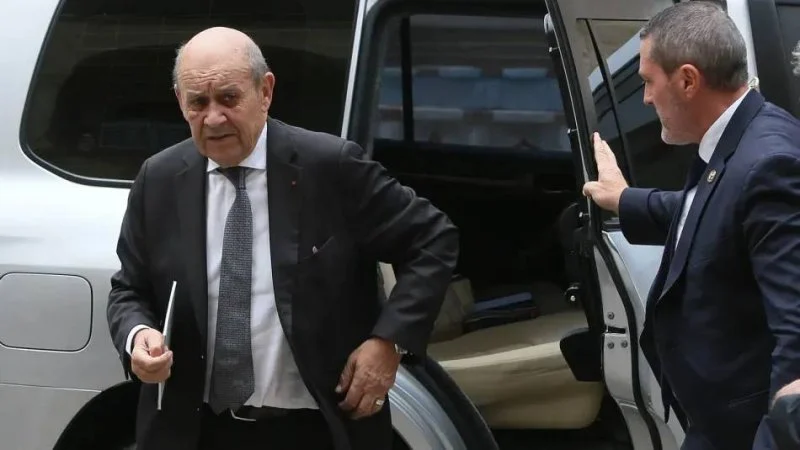
A third round of direct talks between Israel and Lebanon began Thursday in Washington, days before a truce, which had reduced but not halted fighting between Israel and Hezbollah, was set to expire. Despite a U.S.-brokered ceasefire on April 17, Israel and the Iranian-backed militant group Hezbollah have continued to exchange fire across their border. French presidential envoy Jean-Yves Le Drian is arriving in Beirut today, Wednesday, June 3, 2026, and will commence meetings with Lebanese officials and political leaders tomorrow, Thursday, June 4, 2026. This visit by Le Drian marks a significant diplomatic effort to engage with key figures in Lebanon as regional and international powers intensify their involvement in the ongoing crisis.
Sources indicate the United States is leading the negotiations and shaping the expected settlement, with Washington almost entirely controlling the Lebanese file related to the border and post-war arrangements. This extensive U.S. Involvement shows the critical role Washington is playing in mediating the complex relationship between the two nations. Reports also suggest Paris is attempting to secure a political presence in any settlement being prepared, indicating a broader European interest in the region's stability. Israel and Lebanon have been officially in a state of war since Israel's creation in 1948, a historical context that frames the current delicate negotiations.
US-Led Negotiations Progress
Lebanese officials are hoping the two-day negotiations will yield a new ceasefire deal and pave the way for tackling issues such as Israeli withdrawal from southern Lebanon and Hezbollah disarmament. A U.S. State Department official described the full day of discussions on Thursday as “productive and positive,” adding that the U.S. Looks forward to day two on Friday. Hezbollah is not part of the direct talks between Israel and Lebanon, having been vocally opposed to Lebanon engaging in direct negotiations with Israel. This opposition notes the internal political complexities within Lebanon regarding engagement with its southern neighbor.
The U.S.-brokered ceasefire was initially a 10-day truce, which was subsequently extended for another three weeks. This extension provided a temporary reduction in hostilities, though fighting did not cease entirely. U.S. Secretary of State Marco Rubio attended the first Israel-Lebanon meetings in Washington in April, signaling the high-level commitment from the United States. The current round of talks represents a step toward more serious negotiations, with higher-level envoys from Lebanon and Israel taking part, reflecting the urgency and gravity of the situation.
Lebanon’s envoy heading up Thursday’s talks is Simon Karam, an attorney and former Lebanese ambassador to the U.S. His experience in international diplomacy is seen as key for navigating the intricate discussions. On the Israeli side, Deputy National Security Adviser Yossi Draznin was set to attend, indicating the strategic importance Israel places on these negotiations. Israeli officials have focused on disarming Hezbollah and described the negotiations as a precursor to a potential normalization of diplomatic relations. This objective outlines Israel's long-term vision for the border region. Lebanese officials, however, have stated they are seeking a security agreement or armistice that would stop short of normalization, emphasizing their immediate priority of securing peace and stability without full diplomatic recognition.
Regional Diplomacy and French Role
Regional diplomacy around the Lebanon-Israel negotiations has intensified, with Prince Faisal bin Farhan expected to visit Lebanon alongside the new Saudi ambassador, Walid Al-Bukhari. This anticipated visit shows Saudi Arabia's growing involvement in regional stability efforts. This visit coincides with an increase in Egyptian and Qatari diplomatic activity in recent weeks, further illustrating the concerted regional push for a resolution. Reports indicate the United States is working to marginalize France's diplomatic role, potentially due to France's stance on the conflict with Iran. This suggests a geopolitical competition for influence in shaping the future of the region. Saudi Arabia, Egypt, and Qatar are reportedly supporting U.S. Efforts behind the scenes, assisting in bridging viewpoints, providing communication channels, and overcoming political obstacles, forming a coalition aimed at facilitating the peace process.
The current period is characterized as a political and diplomatic race to define the shape of the final settlement and identify the key players sponsoring it. This intense diplomatic activity reflects the high stakes involved in achieving a lasting peace. Meanwhile, President Donald Trump has publicly called for a meeting between Lebanese President Joseph Aoun and Israeli Prime Minister Benjamin Netanyahu, signaling a desire for direct high-level engagement. Lebanon's government is seeking a complete ceasefire first, followed by negotiations for the withdrawal of Israeli forces, prioritizing an end to hostilities and territorial integrity. The issue of Hezbollah’s weapons, according to Lebanese officials, would be addressed politically within Lebanon after a ceasefire and withdrawal are secured, indicating a phased approach to disarmament.
Lebanon is relying heavily on the U.S. Administration to provide leverage in its negotiations with Israel. Lebanese officials believe that President Trump is "sincere" in his desire to help Lebanon, fostering hope for a favorable outcome. When Trump and President Aoun spoke recently, Trump did not pressure Aoun to meet or speak with Netanyahu, showing an understanding of Lebanon's internal political sensitivities. Aoun conveyed to Trump that if he were to go to Washington and shake hands with Netanyahu, and the talks subsequently failed, it could lead to internal repercussions in Lebanon and discredit Trump. Despite Aoun's concerns, Trump responded, "I like that," suggesting an appreciation for Aoun's frankness and a continued commitment to the process.
Escalating Violence and Human Cost
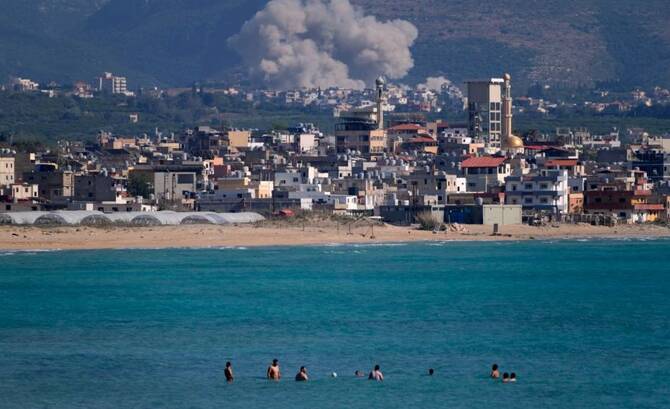
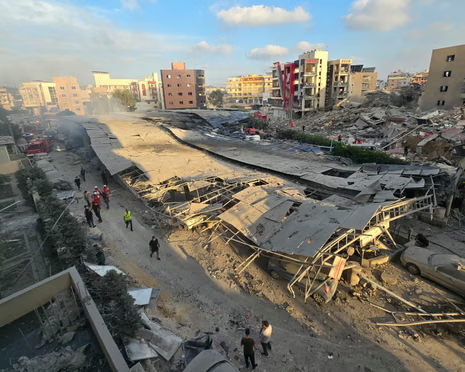
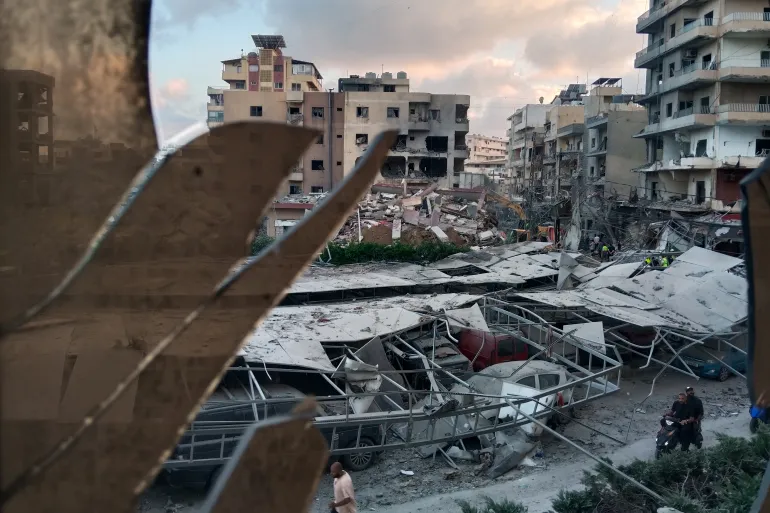
Hours after Thursday’s talks opened in Washington, a Hezbollah drone exploded inside Israel, injuring three civilians, two of them severely, according to reports. This incident marked the first time civilians had been injured by Hezbollah projectiles since the ceasefire began, showing the fragility of the truce and the continued threat of violence. On Wednesday, Israel struck seven vehicles in Lebanon, killing 12 people, including a woman and her two children. Later strikes in southern Lebanon killed another 10 individuals, among them six children, noting the devastating human cost of the ongoing conflict. This reciprocal violence complicates diplomatic efforts and emphasizes the urgent need for a durable resolution.
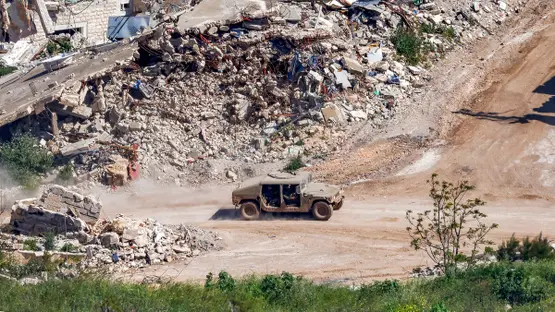
Lebanon’s Health Ministry reported that since the war began on March 2, 2,896 people have been killed, with approximately 400 fatalities in Lebanon occurring after the nominal ceasefire was implemented. This grim statistic reveals the continued loss of life even during periods of reduced fighting. Reports indicated that 8,824 people have been wounded in Lebanon, placing immense strain on the country's healthcare infrastructure. On the Israeli side, 18 Israeli soldiers, two Israeli civilians inside Israel, and a defense contractor working in southern Lebanon have been killed, demonstrating the impact of the conflict on both sides of the border. Six U.N. Peacekeeping forces in southern Lebanon have also been killed, noting the dangers faced by international observers attempting to maintain peace.
Lebanese President Joseph Aoun told U.S. President Donald Trump that if the two countries could reach a security deal, he would travel to the White House to "inaugurate" it. President Trump responded by saying, "I like that," indicating his encouragement for such a high-level commitment to peace. Officials said that if Israel agreed to a ceasefire and withdrew from territory it is occupying in southern Lebanon, Hezbollah would agree to an arrangement to hand over its weapons to the Lebanese army. This proposed plan outlines a potential pathway to de-escalation and disengagement. Under this proposed plan, Lebanon could consider allowing individual Hezbollah fighters to join the Lebanese army if they met eligibility requirements, offering a mechanism for reintegration and a reduction of independent armed groups. Israeli Ambassador to the U.S. Yechiel Leiter stated that Israel aims "to negotiate for full peace as if Hezbollah does not exist — borders, embassies, visas, tourism, everything." Leiter believes it is possible to reach a full peace agreement within a few months, conditioned on the success of dismantling Hezbollah, setting an ambitious timeline for a full resolution.