Hezbollah claimed several attacks late Monday on Israeli targets in south Lebanon, even as U.S. President Donald Trump stated that Israel and Hezbollah had agreed to de-escalate fighting. President Trump reportedly indicated the Iran-backed group agreed that "all shooting will stop" and that Israel would not attack them, and they would not attack Israel. U.S. President Donald Trump said Monday that Israel and Hezbollah have agreed to dial back fighting, with Trump stating the Iran-backed group had agreed that "all shooting will stop" and that Israel will not attack them, and they will not attack Israel. These statements from the U.S. President came amidst a complex and rapidly evolving situation on the ground, with conflicting reports emerging from various parties involved.
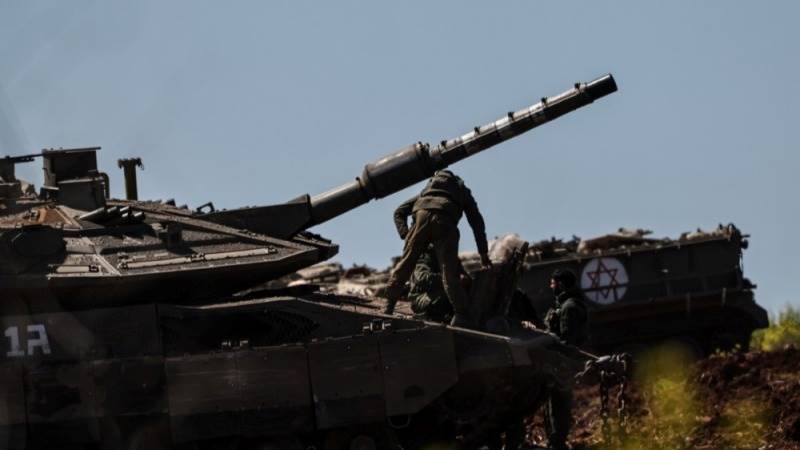
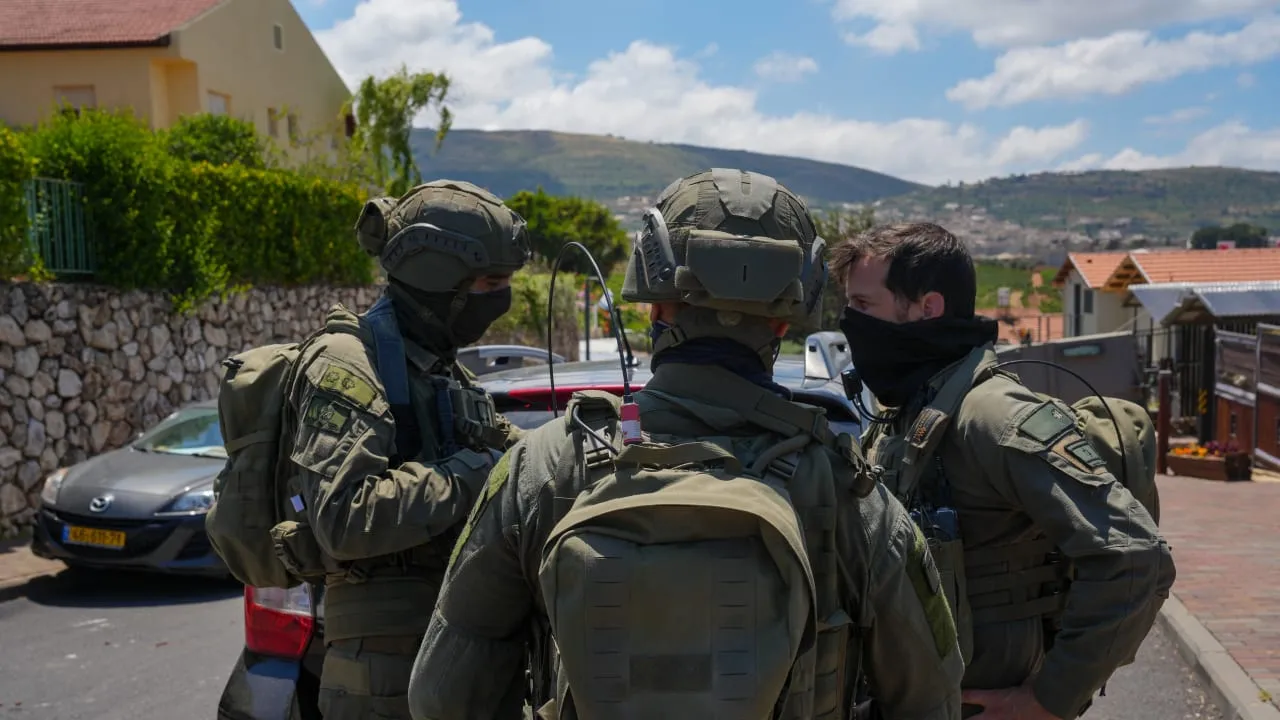
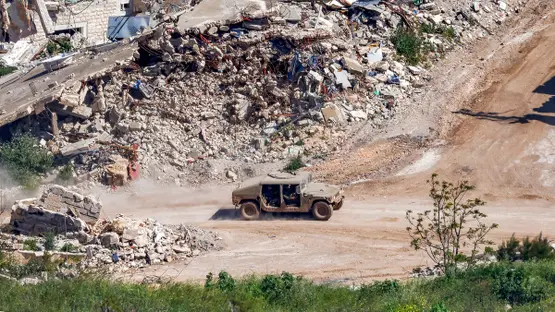
Despite reported agreements, Hezbollah fighters targeted Israeli troops and two Israeli tanks in Hadatha with an attack drone, alongside "barrages of rockets and artillery shelling." The Israeli military confirmed its air force intercepted two projectiles launched from Lebanon toward Israeli territory. Israeli forces also intercepted a suspicious aerial target in the area where Israeli soldiers operate in southern Lebanon. A soldier was killed in southern Lebanon overnight in a drone attack attributed to Hezbollah. The Israeli military said its air force had intercepted two projectiles launched from Lebanon toward Israeli territory, as well as a suspicious aerial target in the area where Israeli soldiers operate in southern Lebanon, and that a soldier was killed in southern Lebanon overnight in a drone attack by Hezbollah. These incidents highlight the persistent friction and active engagement occurring despite diplomatic overtures.
Conflicting Declarations on Fighting
U.S. President Donald Trump indicated that Israeli troops who were "on their way" to Beirut had "already been turned back," and affirmed there would be no Israeli forces "going to Beirut." Trump said there would be no Israeli troops “going to Beirut” and that those on their way "have already been turned back.” Israeli Prime Minister Benjamin Netanyahu confirmed his conversation with Trump but stated that he informed the U.S. President Israel would strike targets in Beirut, Lebanon's capital, if Hezbollah's attacks did not cease. Netanyahu confirmed the conversation but said he told Trump that Israel would strike targets in Beirut, Lebanon's capital, if Hezbollah’s attacks do not stop. Netanyahu further added that the Israeli military would continue "to operate as planned" in southern Lebanon. The Israeli military will continue “to operate as planned” in southern Lebanon, Netanyahu added, showing Israel's commitment to its military objectives in the region.
A statement issued by the Lebanese Embassy to the U.S. Indicated that Lebanese authorities had secured Hezbollah's approval for a proposal by U.S. Secretary of State Marco Rubio. This proposal stipulated that Israel would not strike Beirut's southern suburbs, and Hezbollah would refrain from attacking northern Israel. Lebanese authorities secured Hezbollah’s approval of a proposal by U.S. Secretary of State Marco Rubio that Israel would not strike Beirut's southern suburbs, and Hezbollah would not attack northern Israel, according to a statement issued by the Lebanese Embassy to the U.S. However, a joint statement from Netanyahu and Israeli Defense Minister Israel Katz asserted that orders for military operations followed what they termed repeated violations of the ceasefire by Hezbollah and "attacks against our cities and citizens." A joint statement by Netanyahu and Israeli Defense Minister Israel Katz said the orders followed what they called repeated violations of the ceasefire by Hezbollah and “attacks against our cities and citizens.” This divergence in statements from key actors illustrates the deep mistrust and differing interpretations of events that continue to plague efforts toward a lasting peace.
Meanwhile, Lebanese parliament chief Nabih Berri issued a statement Sunday guaranteeing the militant group's "full, full and immediate commitment to a ceasefire," but questioned, "But who will force Israel to stop its aggression?" Lebanese parliament chief Nabih Berri said in a statement Sunday that he could guarantee the militant group’s “full, full and immediate commitment to a ceasefire.” Lebanese President Joseph Aoun stated on Monday that his government continues efforts to end "the suffering of the Lebanese in general and the southerners in particular," and to make the region "safer." Lebanese President Joseph Aoun said Monday that his government continues work to end “the suffering of the Lebanese in general and the southerners in particular.” These remarks from Lebanese officials highlight their commitment to de-escalation while simultaneously expressing concerns about Israeli actions.
U.S. Ambassador Mike Waltz commented that a de-escalation and peace would come quickly "if Hezbollah immediately ceases its attacks, as apparently it’s promised, and the government of Lebanon asserts its fully sovereignty, rebuilds, and brings its people home." U.S. Ambassador Mike Waltz said a deescalation and peace will come quickly “if Hezbollah immediately ceases its attacks, as apparently it’s promised, and the government of Lebanon asserts its fully sovereignty, rebuilds, and brings its people home.” Lebanon's U.N. Ambassador Ahmad Arafa commended the Trump administration for its "constructive efforts aimed at giving diplomacy a chance" and praised Trump's latest push. The international community, through these statements, continues to emphasize the importance of immediate cessation of hostilities and the reassertion of state authority.
Escalation and Retaliation
The attacks indicated an attack time of after 11:00 pm (2000 GMT). Israeli forces recently made their deepest incursion into Lebanon in more than a quarter century, according to reports. The two sides have been under a ceasefire since mid-April, but Hezbollah resumed attacks after Israeli strikes in Lebanon that Israel characterized as self-defense. This resumption of hostilities has intensified concerns about the broader stability of the region and the efficacy of previous ceasefire arrangements.
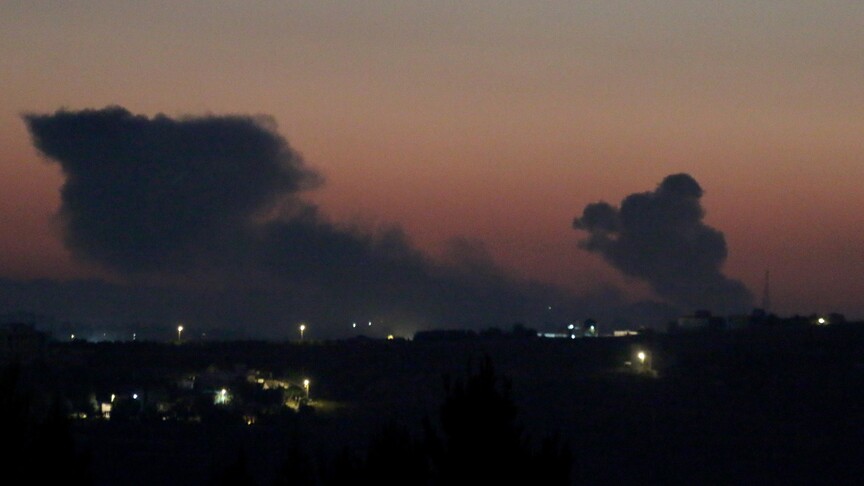
Moments after U.S. President Donald Trump's message regarding a de-escalation, Israel detected missile launches from Lebanon and warned Israelis in part of northern Israel to take cover. In response, Israel's government ordered strikes on the southern suburbs of Beirut as Hezbollah fired rockets at northern Israel, including the outskirts of the coastal city of Haifa. Moments after Trump’s message, Israel detected missile launches from Lebanon and warned Israelis in part of northern Israel to take cover, and Israel’s government ordered strikes on the southern suburbs of Beirut as Hezbollah fired rockets at northern Israel, including the outskirts of the coastal city of Haifa. The Israeli military's Arabic spokesman later posted on X that residents should leave the suburbs, adding that if Hezbollah continues attacking Israeli communities, Israel would launch attacks on the Beirut area of Dahiyeh, where the group enjoys wide support. This rapid sequence of events shows the volatile nature of the conflict, where diplomatic statements are quickly followed by military actions.
Following Monday's warning, large numbers of people were seen fleeing Dahiyeh, jamming roads leading out of the area. After Monday's warning, large numbers of people were seen fleeing Dahiyeh, jamming roads leading out of the area. This mass displacement notes the immediate humanitarian impact of the escalating tensions and the fear among civilian populations. Reports indicated that Israeli airstrikes overnight on southern Lebanon left six people dead, including a Syrian citizen in a village near the city of Nabatiyeh, according to the state-run National News Agency. An airstrike Monday afternoon in the port city of Tyre caused heavy damage to the Jabal Amel Hospital, the Health Ministry said. The destruction of civilian infrastructure and loss of life continue to be tragic consequences of the ongoing conflict, further complicating humanitarian efforts.
Hezbollah stated early Monday that it attacked Israeli troops in Zawtar al-Sharqieh, just north of the Litani River, and struck what they identified as Israeli military infrastructure in Tiberius, a few dozen miles south of the border. Hezbollah said early Monday that it attacked Israeli troops in Zawtar al-Sharqieh, just north of the Litani River, and struck what they said was Israeli military infrastructure in Tiberius, a few dozen miles south of the border. Beirut has been mostly spared from airstrikes since the ceasefire went into effect, apart from two targeted attacks on the city's southern suburbs in May. The recent escalation signals a significant shift in the operational dynamics in the region, intensifying concerns about broader conflict. This series of events marks a renewed period of direct confrontation despite diplomatic efforts to secure a lasting cessation of hostilities. The exchange of fire and the subsequent civilian displacement show the fragile nature of the current situation and the urgent need for effective de-escalation mechanisms.
International and Diplomatic Context
Talks between Israel and Lebanon are scheduled for Tuesday and Wednesday in Washington, with Lebanese negotiators aiming to broaden the scope of areas not targeted by attacks as they pursue a full ceasefire. These discussions, which commenced in April in Washington, marked the first direct engagement between the two nations in over three decades, given their lack of formal diplomatic relations. The Israel-Lebanon talks that began in April in Washington were the first in more than three decades between the countries, which have no formal diplomatic relations. This diplomatic channel, despite the ongoing hostilities, represents a key effort to find a pathway to resolution.
Internationally, Saudi Arabia condemned Israel’s attacks on Lebanon, stating it "categorically rejects" Israel’s movements into the Mediterranean country. Saudi Arabia condemned Israel’s attacks on Lebanon, saying it “categorically rejects” Israel’s movement into the small Mediterranean nation. At the United Nations, Assistant Secretary-General Martha Pobee addressed an emergency meeting of the Security Council, asserting that "Israel’s push into Lebanon violates Lebanon’s territorial integrity and the 2006 council resolution requiring Israel to withdraw to south of the U.N.-drawn border with Lebanon." Pobee also accused Hezbollah of violating the same resolution, which mandates the militant group's disarmament. She also accused Hezbollah of violating the resolution that requires the militant group to disarm. These international condemnations and calls for adherence to UN resolutions highlight the widespread concern over the current trajectory of the conflict and the potential for regional destabilization.
The latest round of fighting between Israel and Hezbollah has resulted in significant casualties and displacement. In Lebanon, 3,433 people have been killed, and over 1 million individuals have been displaced. On the Israeli side, at least 26 soldiers and a defense contractor have been killed in or near southern Lebanon, according to Prime Minister Benjamin Netanyahu’s office. According to Netanyahu’s office, at least 26 Israeli soldiers and a defense contractor have been killed in or near southern Lebanon. Additionally, two civilians have been killed in northern Israel. Two civilians have also been killed in northern Israel. These casualty figures show the severe human cost of the ongoing conflict and the imperative for all parties to commit to a genuine and lasting cessation of hostilities. The displacement of such a large number of people in Lebanon also presents a significant humanitarian challenge, requiring immediate attention and resources from the international community.