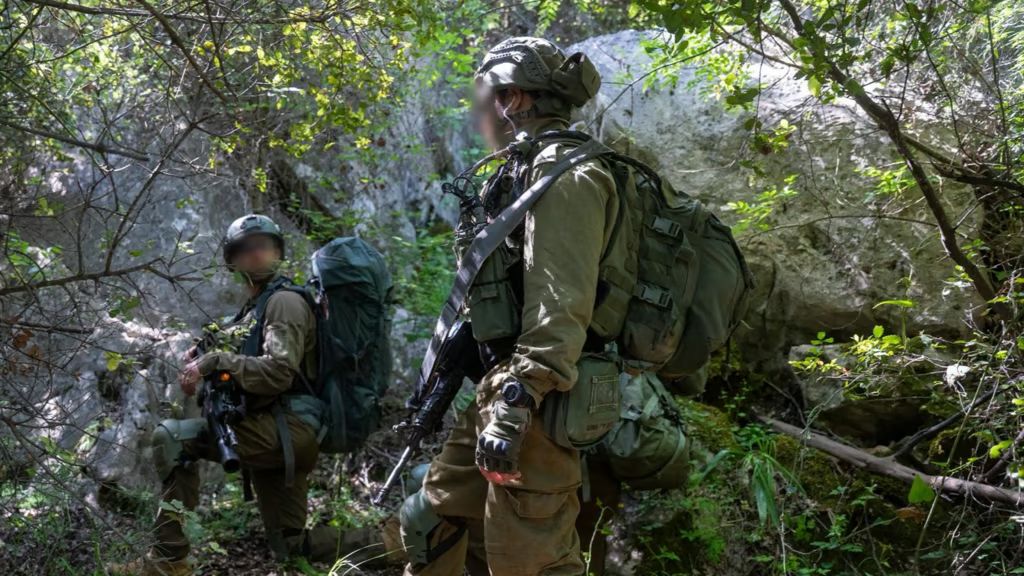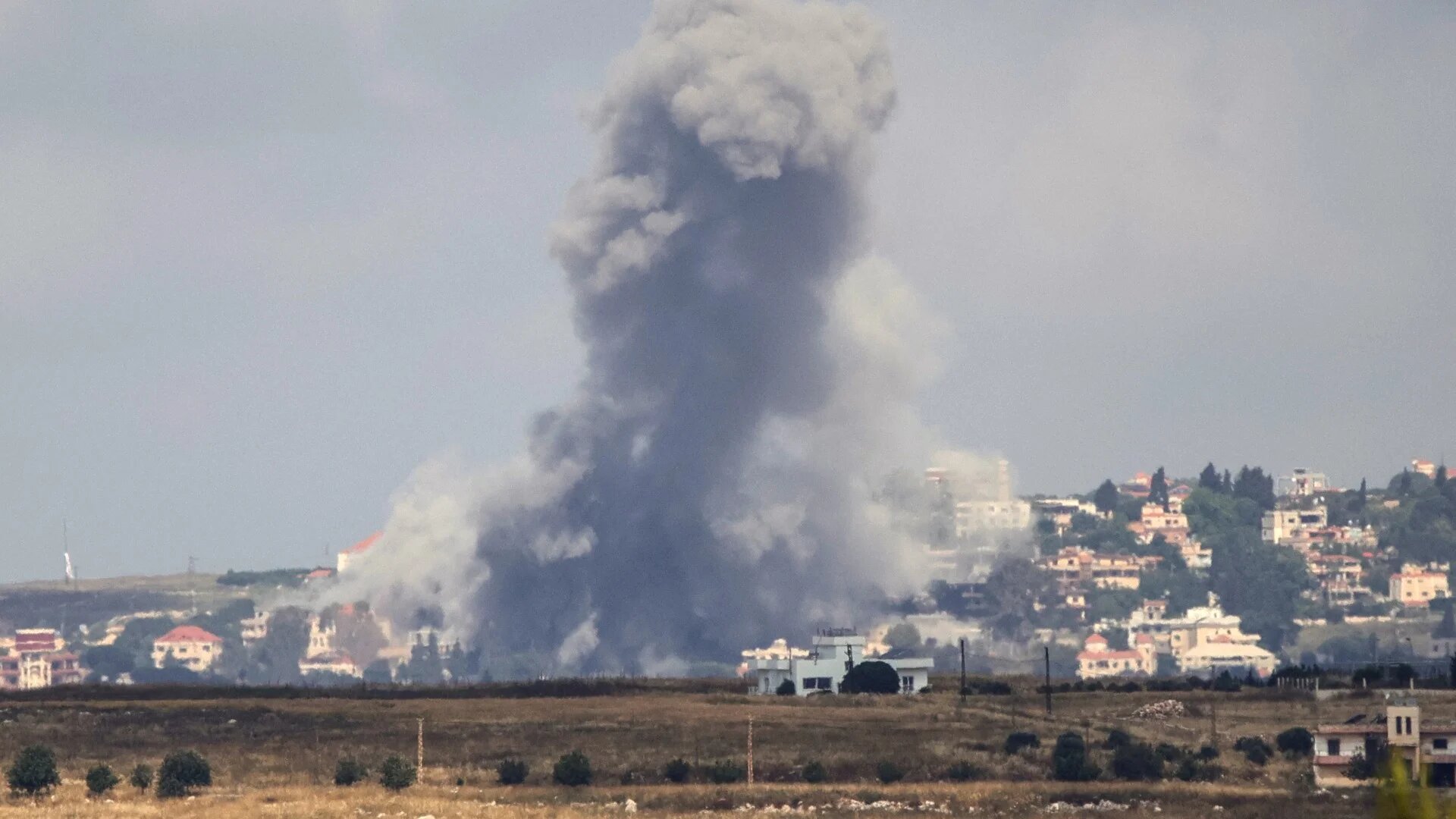
An Israel Defense Forces (IDF) soldier was killed and three others sustained injuries in a suicide drone attack that occurred in southern Lebanon, further noting the volatile security situation along the border. The incident has contributed to heightened tensions in the region, drawing international attention to the escalating conflict. Amidst ongoing hostilities, Prime Minister Benjamin Netanyahu stated that approximately 700 Hezbollah terrorists had been eliminated over the past month alone, a figure showing the intensity and scale of the recent confrontations between Israeli forces and the Lebanese militant group. This significant number points to a sustained and aggressive operational tempo by the IDF in its engagements with Hezbollah. The Prime Minister's remarks, delivered amidst a period of increased military activity, emphasize the Israeli government's commitment to addressing the threat posed by Hezbollah.
Hezbollah Attacks Intensify
Staff Sergeant Adam Tzarfati, 20, a soldier in the Maglan Unit of the Commando Brigade, was killed early Monday after a Hezbollah suicide drone struck a position in southern Lebanon. The soldier, from Rosh Haayin, died in the attack that also left one other soldier severely wounded and two others lightly injured. The severity of the casualties, with one soldier in critical condition, shows the dangerous nature of these drone attacks. This particular incident marks a continued and concerning escalation in hostilities along the border, with Hezbollah increasingly employing advanced weaponry such as suicide drones. The use of such tactics by Hezbollah represents a significant challenge to Israeli forces operating in the area.
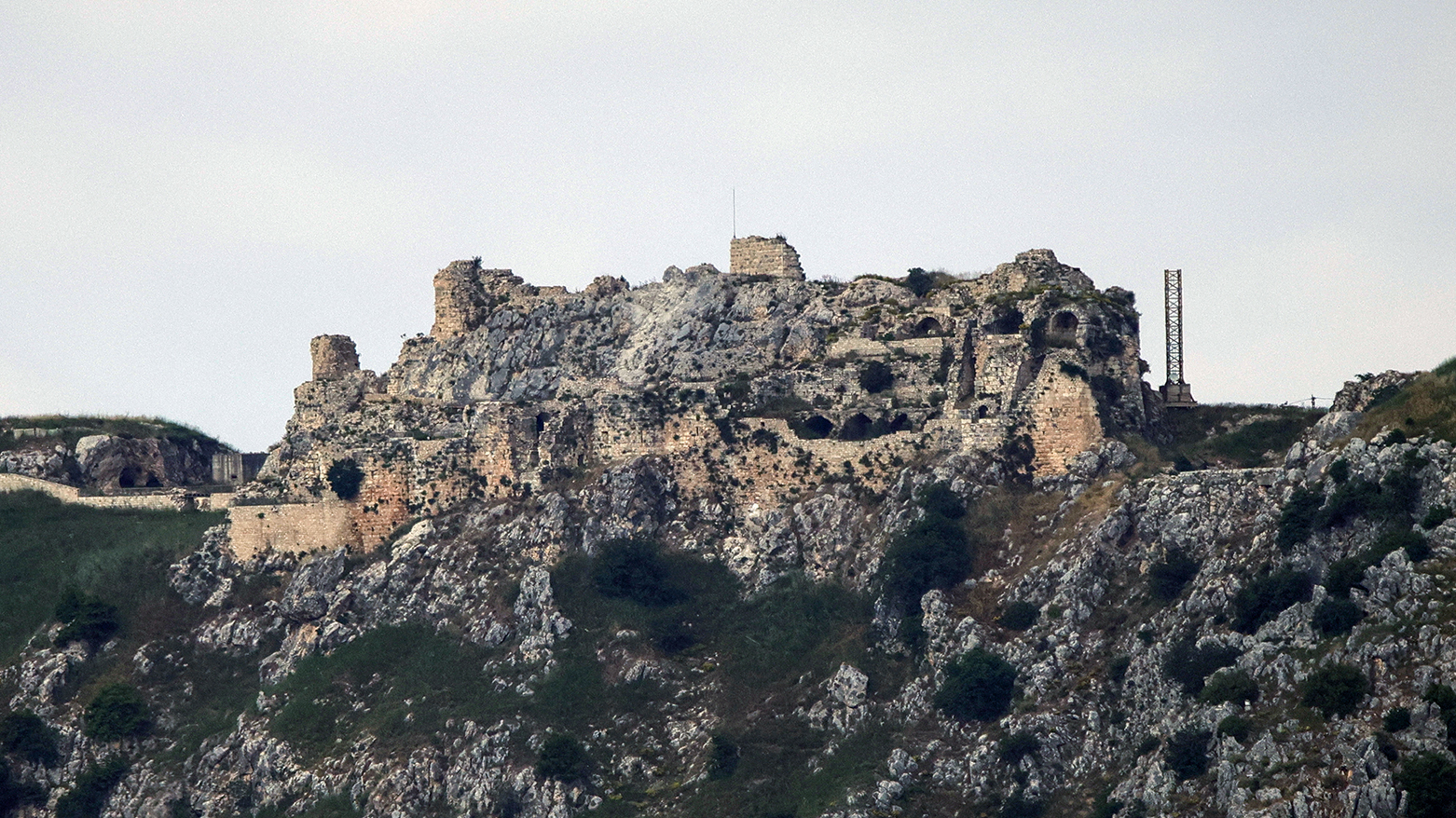
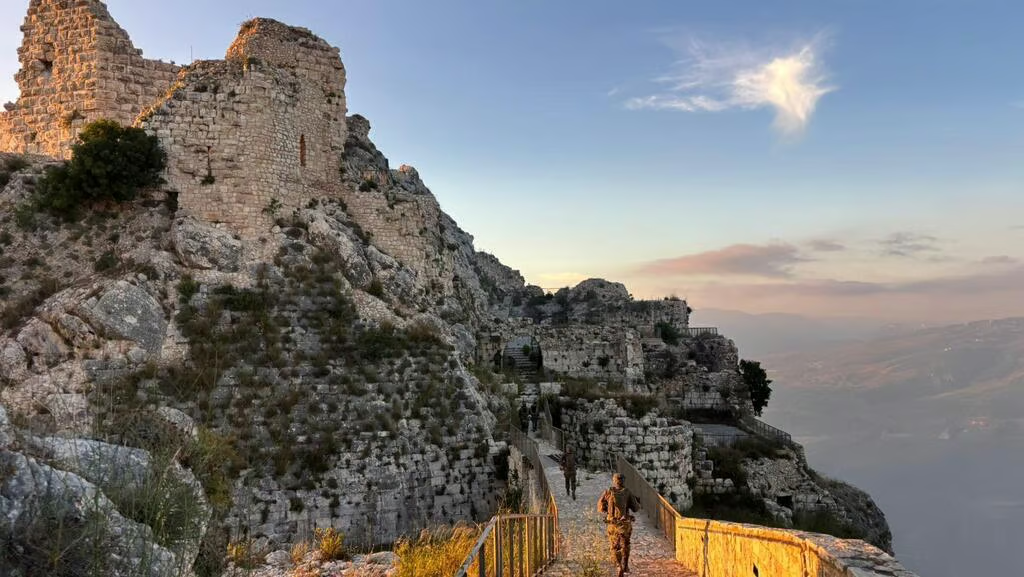
In a related development, Israel Defense Forces (IDF) have crossed the Litani River and captured Beaufort Ridge. This strategic action marks the first time Israeli forces have advanced into this area in 44 years, signaling a notable shift in the scope of operations. Prime Minister Benjamin Netanyahu confirmed the capture of Beaufort Ridge on Sunday night, acknowledging the significant operational move and its implications for regional security. The advance beyond the Litani River represents a substantial expansion of IDF operations in southern Lebanon, moving into territory that has historically been a stronghold for Hezbollah. This territorial gain by the IDF is seen as a direct response to the ongoing aggression from Hezbollah and is intended to degrade the group's operational capabilities. Prime Minister Netanyahu further instructed the Israel Defense Forces to deepen and expand its control over territory previously held by Hezbollah, indicating a long-term strategy to establish a more secure buffer zone and dismantle the militant group's infrastructure in the south.
US Stance on Regional Conflict
Hezbollah launched a rocket strike on Tiberias, marking the first time the city had been targeted since the ceasefire began, demonstrating the group's willingness to strike deeper into Israeli territory. This attack on a civilian population center far from the immediate border area signals a dangerous widening of the conflict. The United States carried out strikes on Saturday and Sunday in response to Iran shooting down a U.S. MQ-1 drone operating over international waters, an act the U.S. Condemned as a violation of international law. Meanwhile, Iran intends to apply its own revisions to the draft text in upcoming talks with Washington concerning Donald Trump's proposed amendments to the Memorandum of Understanding, indicating ongoing diplomatic friction between the two nations. Secretary of State Marco Rubio engaged in separate discussions with Lebanese President Joseph Aoun and Prime Minister Benjamin Netanyahu on Monday, reflecting the urgent need for diplomatic intervention to de-escalate the burgeoning crisis. These high-level discussions highlight the Biden administration's active role in attempting to mediate the conflict and prevent a wider regional conflagration. Secretary Rubio's engagement with both Lebanese and Israeli leaders shows the complex and multi-faceted nature of the diplomatic efforts required.
Broader Regional Context
The United States proposed a sequence for de-escalation in Lebanon, suggesting that Hezbollah cease all attacks, Israel refrain from escalating operations toward Beirut, and a gradual ceasefire then be established. This proposal aims to create a pathway out of the current cycle of violence by establishing clear steps for both sides. A US official stated, "The United States does not expect Israel to absorb ongoing attacks on its civilians by a terrorist organization," firmly reiterating American support for Israel's right to self-defense. The official added, "Hezbollah is following Tehran's lead. It clearly has no interest in the welfare of the Lebanese people. Iran wants to prolong the conflict in Lebanon so it can claim credit for 'saving the day,'" directly implicating Iran in orchestrating and prolonging the regional instability. Lebanese Parliament Speaker Nabih Berri's response to the US proposal was described by a US official as "evasive and disappointing," suggesting a lack of constructive engagement from certain Lebanese political factions. This response indicates the challenges faced by international mediators in securing a concrete commitment to de-escalation from all parties involved.
Concurrently, US Central Command confirmed it conducted self-defense strikes over the weekend on Iranian radar and command and control sites located at Goruk, Iran, and Qeshm Island. These strikes were a direct response to Iranian aggression and were aimed at degrading Iran's ability to threaten international shipping and air traffic. American fighter aircraft involved in these operations successfully destroyed Iranian air defenses, a ground control station, and two one-way attack drones, demonstrating the precision and effectiveness of the U.S. Military's response. In the broader regional security landscape, the Kuwaiti Army's General Staff confirmed on Monday that its air defenses are actively intercepting hostile missile and drone attacks, revealing the widespread nature of aerial threats across the Gulf region. This ongoing defensive action by Kuwait shows the widespread nature of the missile and drone threat emanating from various non-state actors and state-backed militias in the Middle East. Meanwhile, Prime Minister Benjamin Netanyahu instructed the Israel Defense Forces to deepen and expand its control over territory previously held by Hezbollah, signaling a clear intent to establish a more strong and permanent security presence in southern Lebanon. This directive from the Prime Minister reflects Israel's determination to fundamentally alter the security landscape along its northern border.