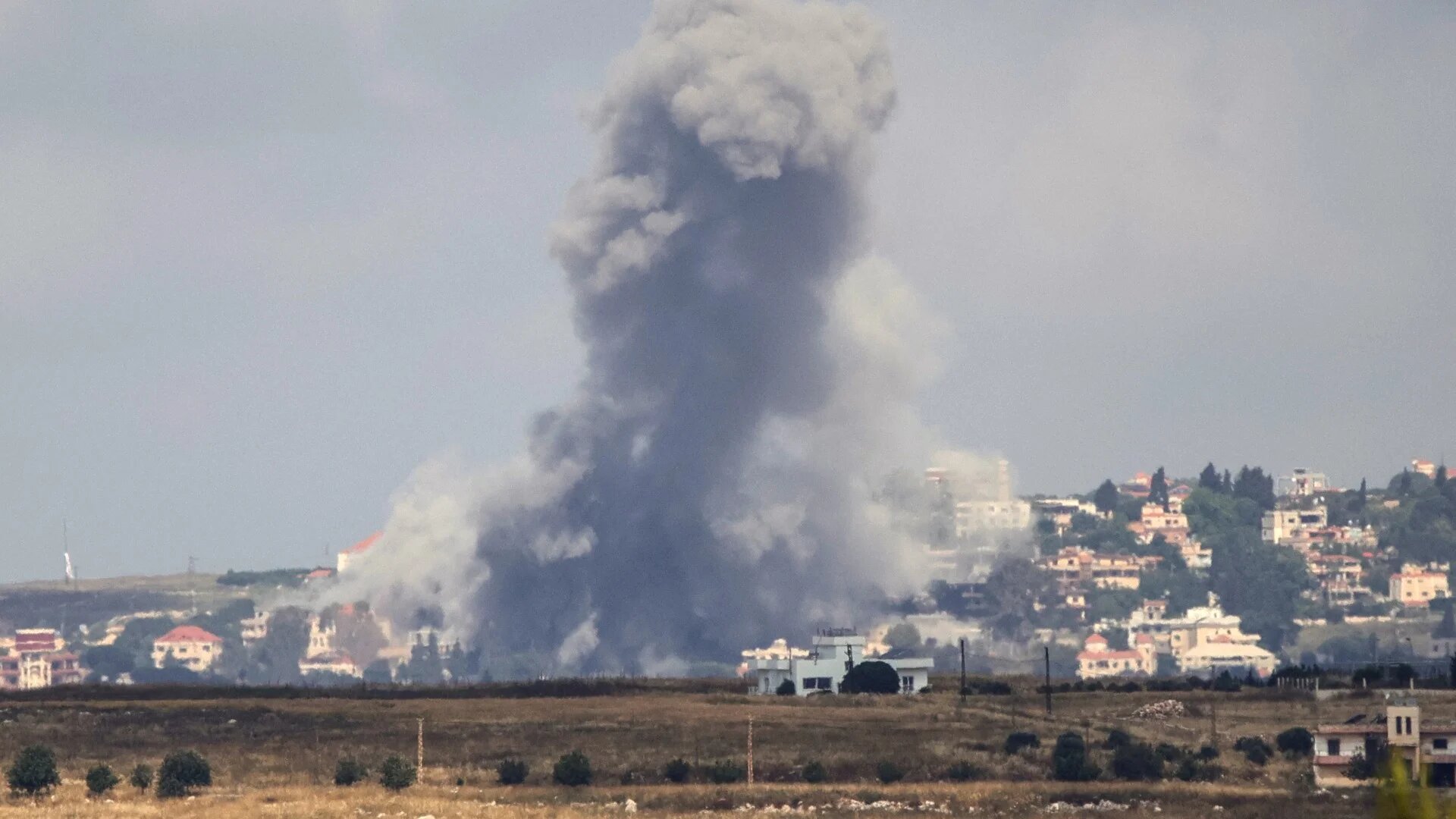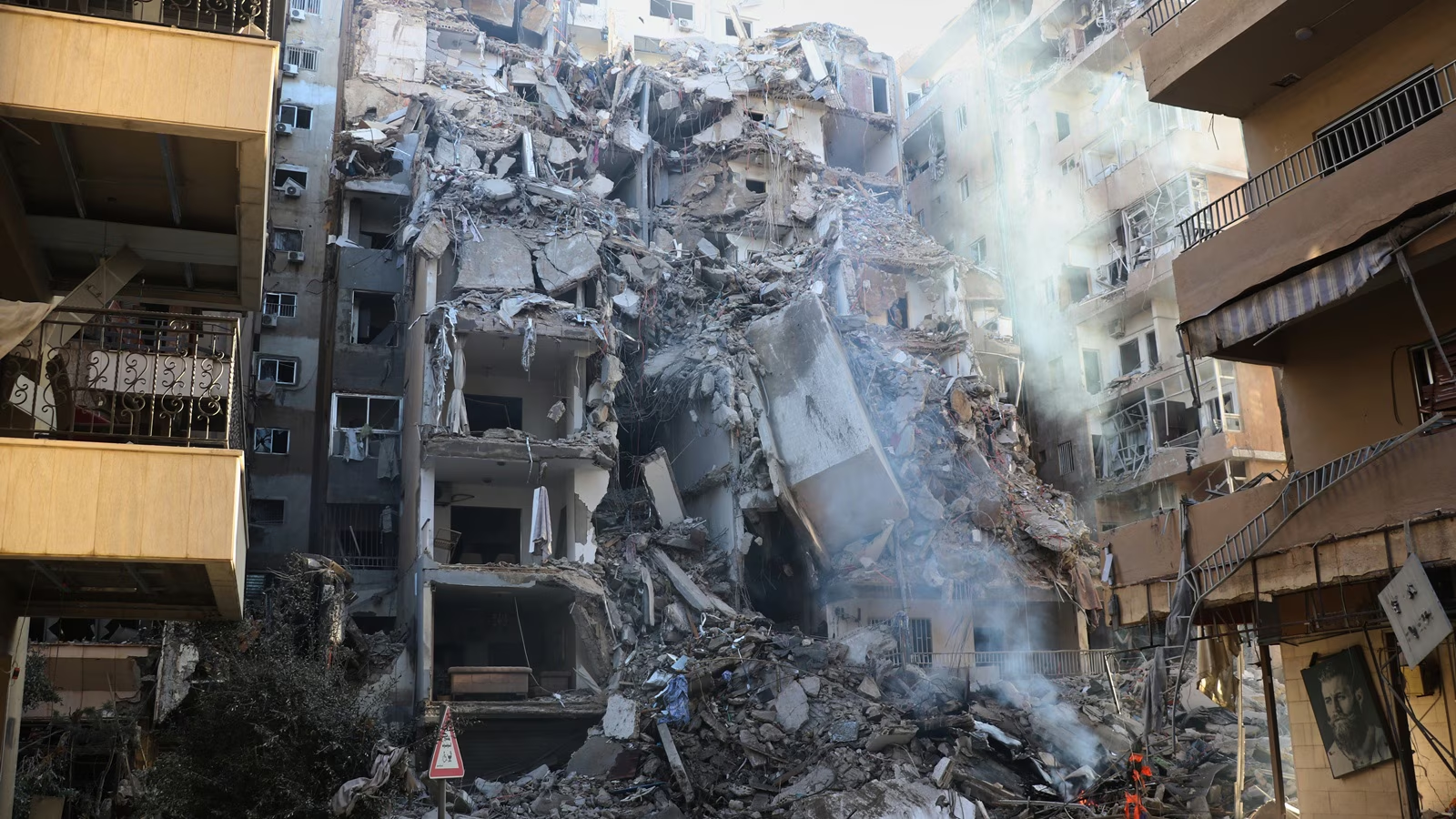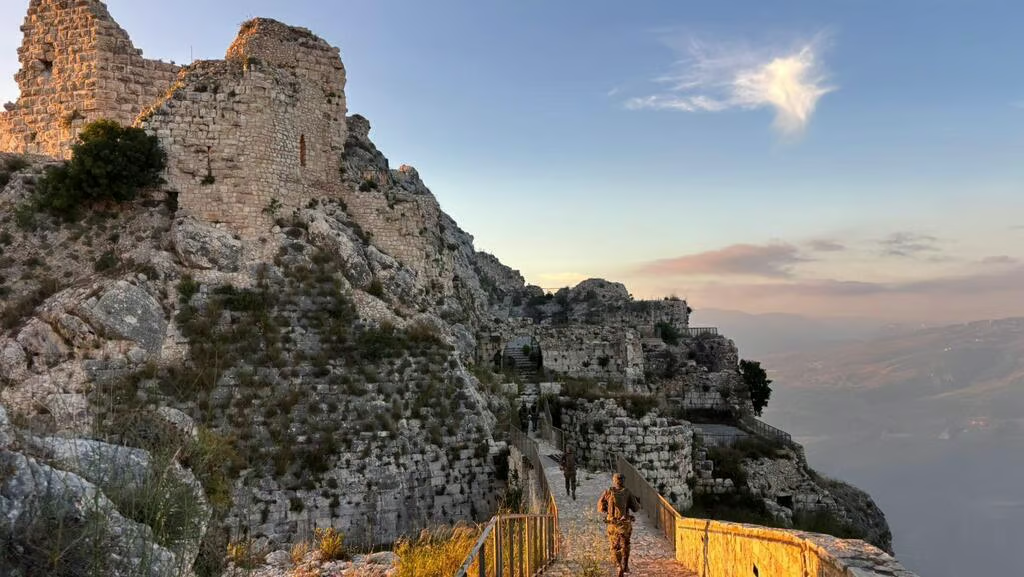
The Israel Defense Forces (IDF) announced Sunday that its forces had successfully captured Beaufort Castle in southern Lebanon. This strategic capture marks a significant development, occurring 26 years after Israel's previous withdrawal from Lebanon. The ancient Crusader-era fortress is notably situated on a high ridge, offering a commanding view near the bend of the Litani River. The operation was aimed at removing what the military described as a direct threat to the Galilee Panhandle and the community of Metula in northern Israel.
Broader Ground Maneuver
The capture of Beaufort Castle was part of a broader ground maneuver involving large ground forces. Several days prior to the announcement, elements from the Golani Brigade, the 7th Brigade, the Givati Brigade, the Fire Brigade, and the Multidimensional Unit crossed the Litani River. The IDF stated that these forces were actively working to secure control of both the Beaufort ridge and the Saluki area. During their advance, the military confirmed that its troops were simultaneously striking Hezbollah targets and systematically destroying infrastructure that had been constructed in the area under Iranian guidance.
The entire operation received explicit approval from the chief of staff, showing its strategic importance. It was meticulously prepared, preceded by organized battle procedures, extensive preparatory fire, and full operational groundwork led by Northern Command. Before ground forces made their entry, the Air Force conducted extensive and coordinated strikes on identified Hezbollah targets. These aerial bombardments were effectively supported by sustained artillery and tank fire, softening enemy positions and clearing the path for ground troops. The IDF further specified that its forces are currently operating near Nabatieh, a location the military has identified as a significant Hezbollah power center within southern Lebanon. The military's presence in this area is intended to disrupt Hezbollah's operational capabilities and infrastructure.
Historical Significance of Beaufort
Beaufort Castle holds a complex and often contested history in the context of regional conflicts. Before the First Lebanon War, the fortress served as a stronghold for Palestine Liberation Organization (PLO) fighters. From this elevated position, PLO combatants frequently launched mortars and Katyusha rockets, targeting communities within the Galilee region of northern Israel. This historical use of the castle notes its enduring strategic value due to its commanding topographical advantage.
At the onset of Operation Peace for Galilee in 1982, capturing the ancient fortress emerged as one of the IDF’s initial and most symbolic objectives. The battle for Beaufort in 1982 was fierce and costly. During the capture of the fortress, six Golani troops and commanders tragically lost their lives. Among those killed were the unit commander, Maj. Goni Hernik, and Lt. Avikam Sharf, whose sacrifices became a poignant part of the IDF's collective memory.
Following the IDF's withdrawal to the security zone in 1985, Beaufort transitioned into an isolated forward outpost. This position was continuously manned by Israeli troops for approximately 15 years, serving as a critical observation and defense point on the northern frontier. The previous Israeli presence at Beaufort ultimately concluded on the night of May 23-24, 2000, coinciding with the broader IDF withdrawal from southern Lebanon. During this strategic withdrawal, Israeli troops evacuated the outpost under strict secrecy to maintain operational security. In a move designed to prevent Hezbollah from gaining a symbolic victory image at the site, Israeli forces subsequently blew up the military compound that had been constructed around the ancient fortress itself.
Strategic Importance and Threat
The current operation sought to eliminate what the military characterized as an immediate and direct threat to the Galilee Panhandle and the community of Metula. The IDF stated unequivocally that its forces were deployed specifically to counter this perceived danger, which emanates from Hezbollah's activities in the area.
The Beaufort area, located geographically north of the Litani River, is considered by the IDF to be a critical Hezbollah zone. This assessment stems directly from its uniquely commanding position, which offers strategic oversight of significant portions of southern Lebanon and, crucially, the Israeli border region. The control of this high ground allows for observation, intelligence gathering, and the potential for launching attacks, making its capture a key objective in the ongoing military operations. The IDF views this area as essential for maintaining security along its northern border and neutralizing threats posed by Hezbollah's entrenched presence.