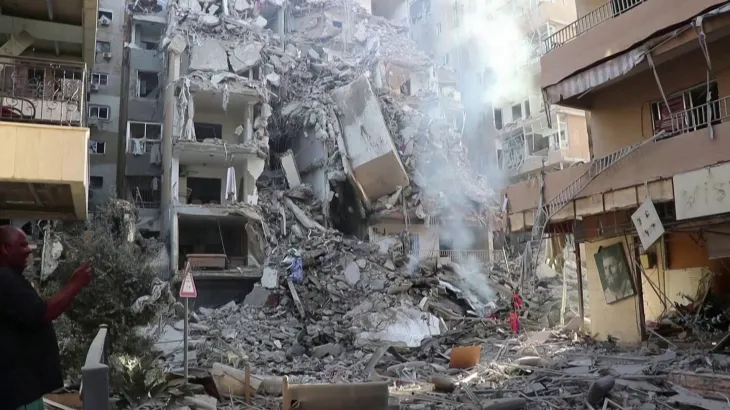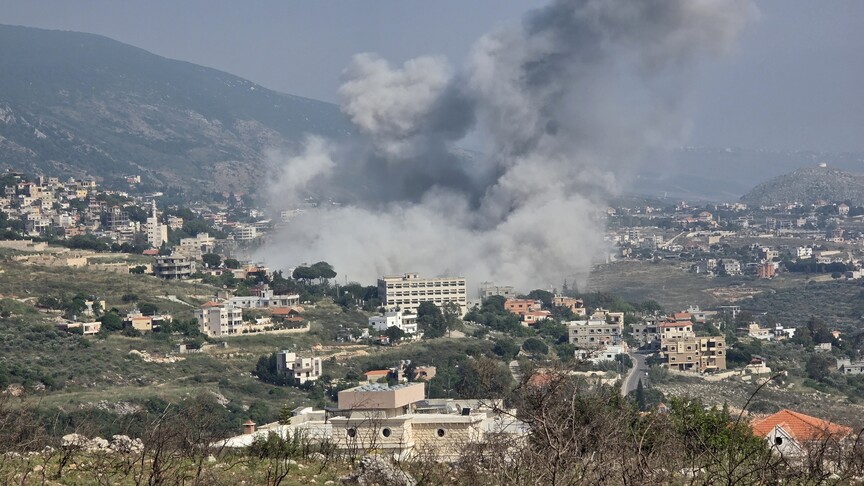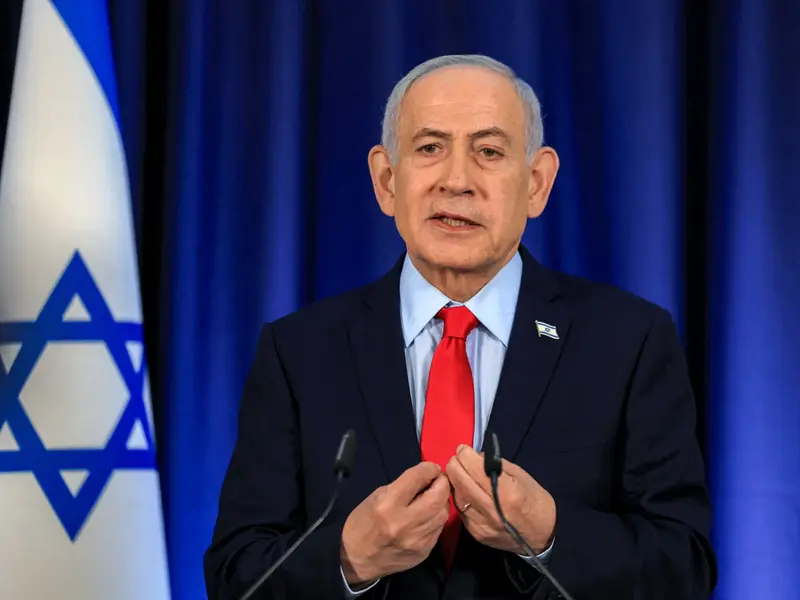
Israeli Prime Minister Benjamin Netanyahu announced on Friday that Israeli forces had advanced deep into Lebanon, crossing a key river. "Our forces have crossed the Litani, they have moved up to the commanding terrain," Netanyahu stated, indicating significant operational movements. The Prime Minister added that the objective was "hitting Hezbollah head on." This latest development comes despite an April 17 truce that has reportedly never been observed, suggesting ongoing military activity in the region, which has been engulfed in a wider war since February.
Israeli Forces Deepen Lebanon Incursion
Israeli Prime Minister Benjamin Netanyahu stated that Israeli forces have advanced deeper into Lebanon, establishing positions on what he described as commanding terrain. This move signifies a further incursion into Lebanese territory. Netanyahu's announcement on Friday confirmed that Israeli forces had crossed a key river deep inside Lebanon. He explicitly stated that the forces had pushed deeper into the country, asserting their presence in strategically important areas. The Prime Minister's declaration that Israel was "hitting Hezbollah head on" shows the direct military confrontation. Both Israel and Hezbollah have accused each other of violating the ceasefire agreement that was established in April. The accusations highlight persistent tensions and ongoing military engagements despite diplomatic efforts to de-escalate the situation. The mutual recriminations suggest a breakdown in adherence to the truce, with each side claiming the other initiated breaches. This continued military activity complicates international efforts to secure a lasting cessation of hostilities in the region, as both parties maintain their operations are defensive responses to the other's actions. The wider conflict that has engulfed the region originally began in February, setting the stage for the current hostilities and the subsequent, largely unobserved, truce.
Diplomatic Efforts for Truce
Israeli and Lebanese military officials recently convened for rare direct talks in Washington, marking a significant diplomatic engagement. The discussions, described as "productive" by Elbridge Colby, the Pentagon's second-in-command, aimed to address ongoing tensions. These military talks are expected to inform broader State Department-led diplomatic initiatives, indicating a layered approach to conflict resolution. A fourth round of talks between the two nations is anticipated next week in Washington, showing continued efforts to find a resolution. President Joseph Aoun of Lebanon, in a call with US Secretary of State Marco Rubio, stressed "the need to exert all efforts to reach a ceasefire." This emphasis from the Lebanese President notes the urgency felt by Beirut in securing a cessation of hostilities. The fact that these military talks would inform the State Department-led efforts suggests a coordinated strategy between military and diplomatic channels to address the complex situation. Iran, a regional power, has insisted that Lebanon be included in any agreement with the United States intended to end the wider conflict that began in February and has since engulfed the region. This demand from Iran adds another layer of complexity to the diplomatic landscape, linking the current Israel-Lebanon tensions to broader regional dynamics and the ongoing wider war.
Conflicting Accounts of Ceasefire
A truce intended to halt fighting between Israel and Hezbollah officially took effect on April 17. However, the operational reality on the ground has been subject to conflicting accounts. Israeli Prime Minister Benjamin Netanyahu stated that his country's forces were actively "hitting Hezbollah head on." This assertion by Netanyahu contrasts with the declared truce, suggesting continued military action despite the formal agreement. The Prime Minister's comment indicates an ongoing offensive posture by Israel against the Lebanese-based group. Such statements show the challenges in maintaining a ceasefire when military objectives are publicly articulated. The discrepancy between the official truce date and the Prime Minister's remarks notes the complex and often contradictory nature of the conflict's status. Observers note that the effectiveness of the April 17 truce has been consistently questioned by both sides since its inception. Both Israel and Hezbollah have explicitly accused each other of violating the April ceasefire, further eroding any remaining adherence to the agreement. The claim that the April 17 truce has never been observed provides key context to the Prime Minister's recent statements and the ongoing military activities in the region. This continuous cycle of accusations and military actions shows the fragility of diplomatic efforts and the persistent challenges in achieving a lasting peace in the volatile region.