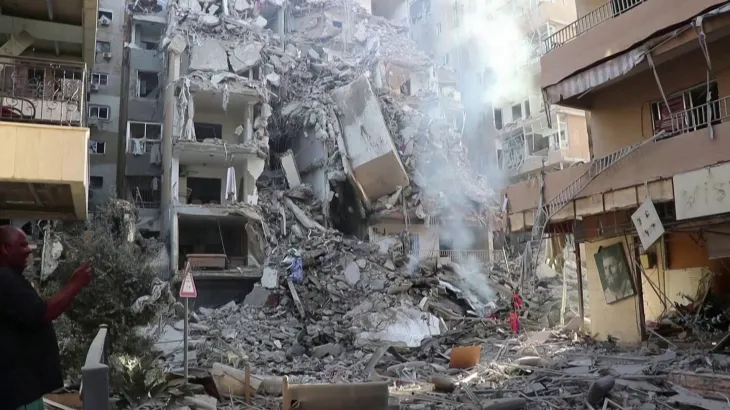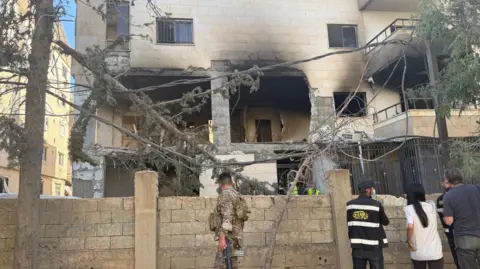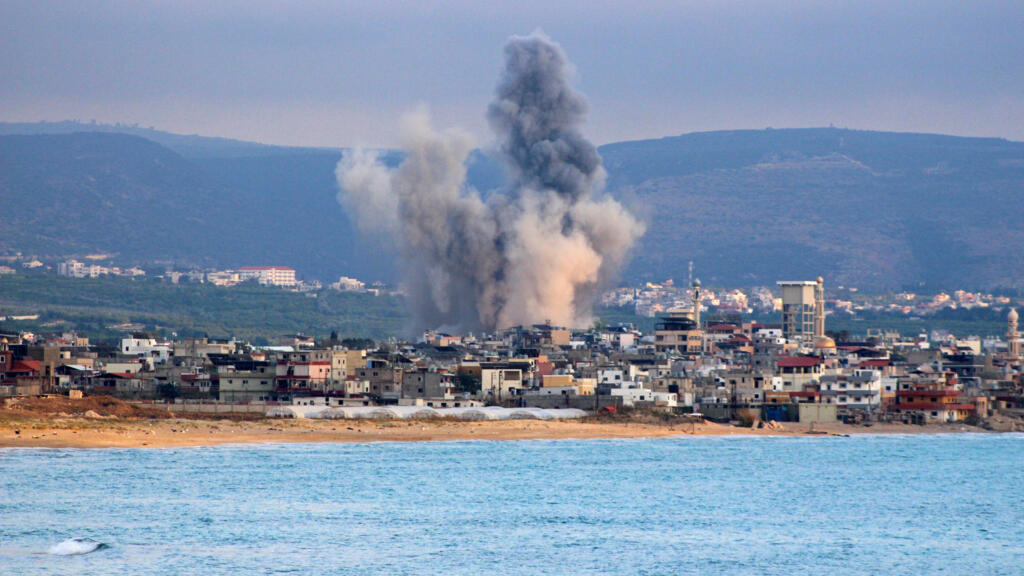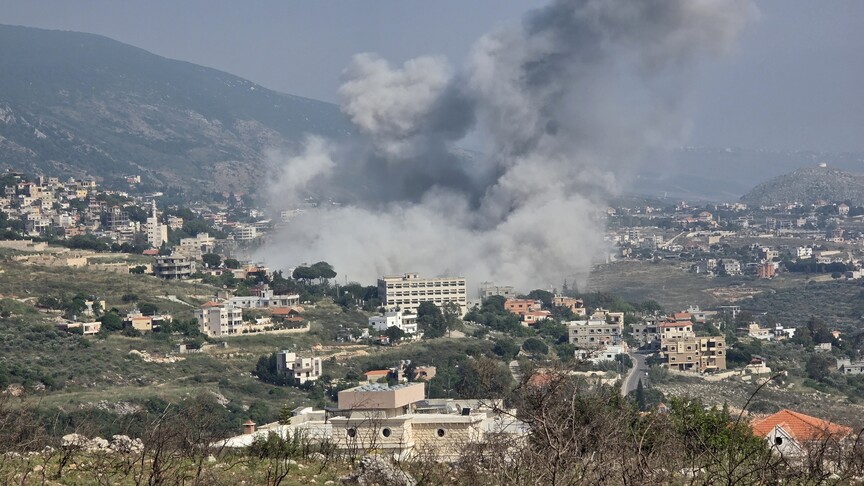
Lebanese Prime Minister Nawaf Salam stated that ongoing Israeli attacks on the southern cities of Tyre and Nabatieh, including the destruction of historic landmarks and threats against residents, constitute "collective punishment" condemned under international law. Salam asserted, "Nothing can justify the continued attacks targeting the regions of Tyre and Nabatieh and the destruction of their historic landmarks, nor the ongoing threats against our peaceful residents there, nor the repeated calls for them to leave their homes and livelihoods." He added, "This is our national duty and our unwavering right that we will not compromise under any circumstances." This strong condemnation shows the Lebanese government's stance on the military actions impacting its southern territories and their inhabitants.
Escalating Attacks and Cultural Loss
Lebanese Culture Minister Ghassan Salam has engaged with his international counterparts and various international organizations to safeguard archaeological sites in southern Lebanon. His outreach specifically aims to protect historical locations in Tyre and Beaufort Castle. This initiative follows concerns over the impact of ongoing hostilities on the region's cultural heritage. The minister's efforts highlight the significant threat posed to invaluable historical assets, prompting a concerted international appeal for their preservation. The cultural minister's proactive communication with counterparts around the world and international organizations seeks to mobilize global support for the protection of these vulnerable sites.
Violating Ceasefire Agreements
The Israeli attacks form part of continued violations of a ceasefire agreement that initially came into effect on April 17. The agreement aimed to halt hostilities in the region, providing a framework for de-escalation and stability. This ceasefire was subsequently extended, remaining in force until early July. The ongoing military actions therefore represent a clear breach of these established arrangements, raising significant concerns about regional stability and the effectiveness of diplomatic efforts. The continuation of attacks despite the agreed-upon ceasefire periods indicates a disregard for international agreements and exacerbates tensions in an already volatile area. The initial agreement on April 17 was seen as a key step towards reducing violence, and its subsequent extension until early July showed the international community's desire for sustained peace.
International Protection and Calls for Action
Lebanese Foreign Minister Youssef Raggi has called for an immediate halt to what he described as Israeli attacks on the historic city of Tyre. Raggi's statement comes amidst concerns over the safety of cultural heritage sites in the region, emphasizing the urgency of protecting these irreplaceable landmarks. Several archaeological sites located within Tyre and Beaufort Castle benefit from enhanced protection status under the United Nations Educational, Scientific and Cultural Organization (UNESCO). This special designation acknowledges their outstanding universal value and the imperative to shield them from conflict. The international recognition shows the significance of these locations, which are considered key to global cultural heritage. The call for an immediate cessation of hostilities aims to safeguard these protected areas and prevent further damage to their historical structures, which hold immense historical and cultural significance not only for Lebanon but for humanity as a whole. The Foreign Minister's plea for an immediate halt reflects the gravity of the situation and the potential for irreversible loss if the attacks continue.
Demands for Withdrawal and Peace
Prime Minister Nawaf Salam stated the recent developments reinforce Lebanon’s commitment to an "immediate ceasefire, full Israeli withdrawal from our country, and extending state authority over all Lebanese territory." Salam's remarks highlight the nation's ongoing demands for stability and sovereignty in the face of continued hostilities. This full demand outlines the Lebanese government's vision for lasting peace and security, emphasizing the necessity of a complete cessation of military actions and the full restoration of national control over its borders and land. The Prime Minister's firm declaration shows Lebanon's unwavering resolve to protect its sovereignty and ensure the safety of its citizens.