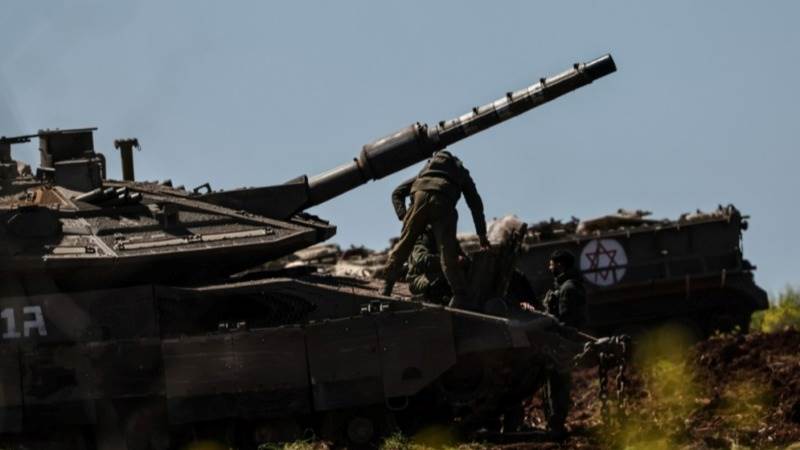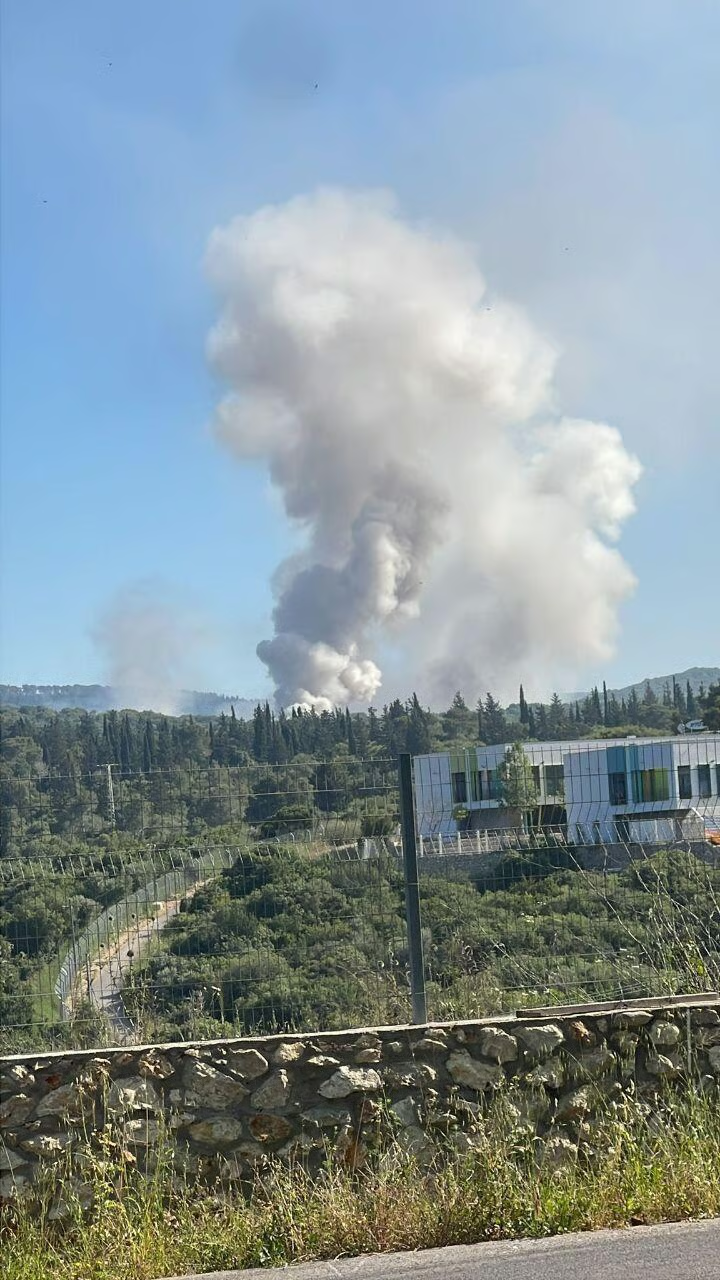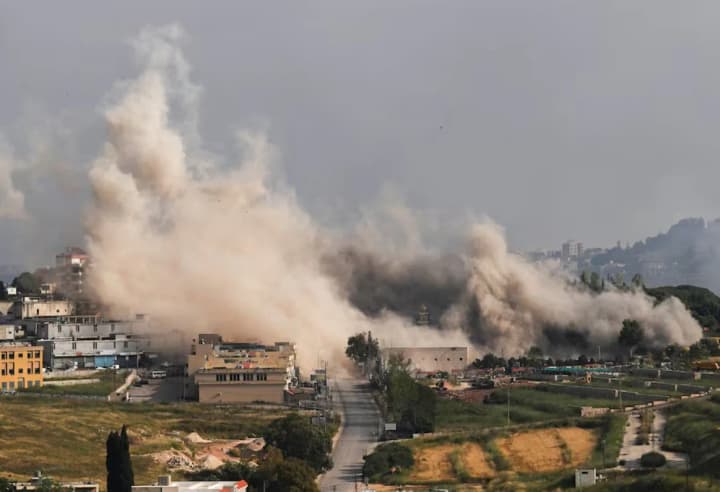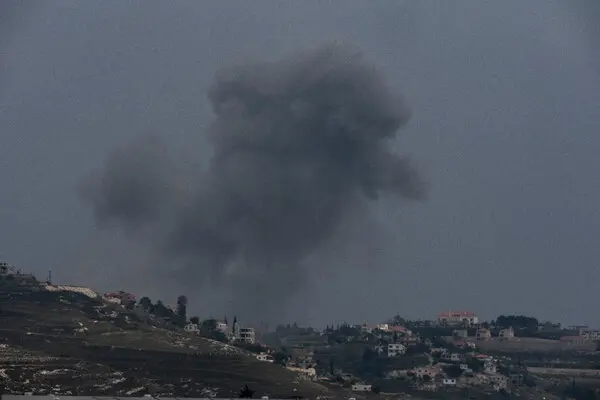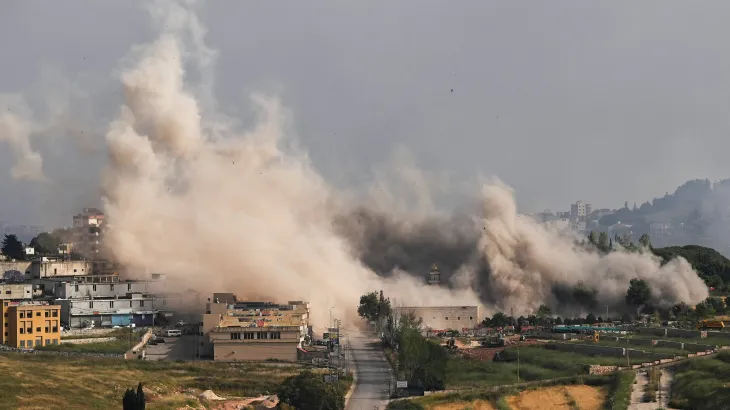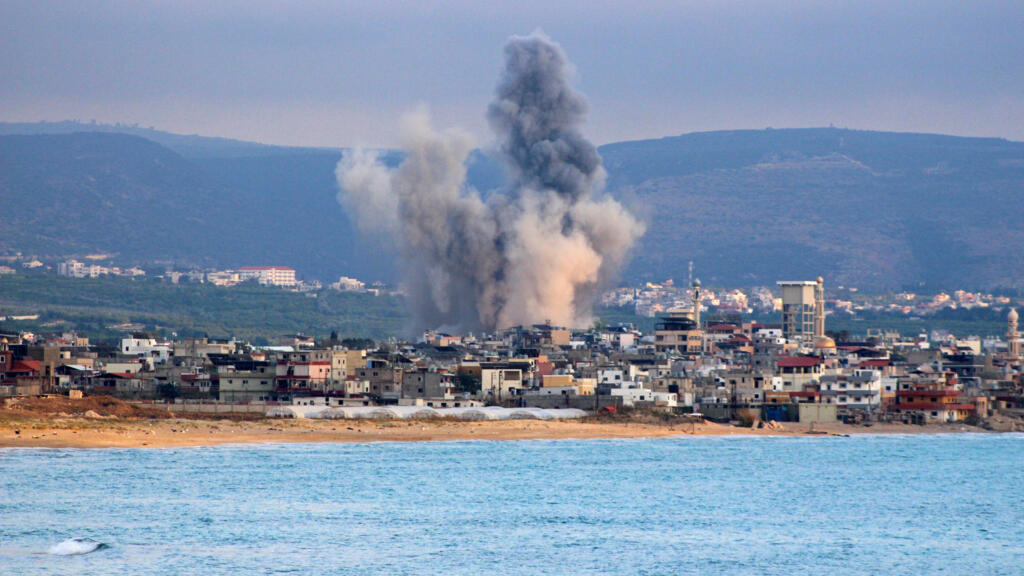
The Israeli military announced on Thursday it had initiated new strikes targeting Hezbollah infrastructure near the southern Lebanese city of Tyre. These new strikes, confirmed by the military, focused on specific Hezbollah targets in the vicinity. This development included a fresh evacuation order issued early Thursday for residents in parts of Tyre, with Israel urging civilians to leave ahead of planned attacks against the Iran-backed group. The Israeli military issued this fresh directive to residents of specific sections of Tyre in the early hours of Thursday, emphasizing the urgency of the situation. This sweeping warning marked the first such declaration since a ceasefire agreement on April 17. The unprecedented nature of this warning shows the heightened tensions and the perceived shift in military strategy. Meanwhile, Hezbollah stated its fighters "clashed with the enemy forces at point-blank range" in response to the Israeli actions. The group's immediate response notes the direct engagement occurring on the ground.
Escalating Strikes and Warnings
Lebanon's state-run National News Agency (NNA) reported two sets of Israeli strikes on the city of Tyre and an area to its east on Thursday morning. These reports from the NNA detailed the specific locations and timing of the Israeli military operations. The Israeli military had previously issued evacuation warnings for residents in the southern city of Nabatieh, extensive areas within Tyre, and their surrounding localities. These earlier warnings provided an initial indication of Israel's intent to broaden its operations in southern Lebanon. The NNA also reported a series of strikes targeting Nabatieh city on Wednesday, which resulted in "huge destruction" in residential areas there. The scale of the damage in Nabatieh shows the intensity of the ongoing military actions and their impact on civilian infrastructure. These incidents followed an escalation of strikes in recent days, particularly noted in the West Bekaa town of Mashghara. The increased frequency and geographical spread of these strikes point to a significant intensification of hostilities across various fronts. Israel this week made a public vow to intensify its operations in Lebanon, concurrently stating its intention to expand ground operations in the country. This public declaration signals a deliberate and strategic shift in Israel's military approach, moving beyond aerial assaults to potentially include more extensive ground engagements. The stated goal is to target Hezbollah infrastructure and capabilities within Lebanese territory.
Hezbollah and Military Operations
The Zahrani River area, which encompasses Tyre, is approximately 40 kilometres (25 miles) from the border, according to reports. This geographical detail notes the depth of the Israeli military's operational reach into Lebanese territory, well beyond the immediate border region. Hezbollah stated its fighters "clashed with the enemy forces at point-blank range" in the town of Zawtar al-Sharqiyah. This specific claim by Hezbollah indicates direct and close-quarters combat with Israeli forces, suggesting a significant level of engagement. The group also reported that its fighters engaged Israel's forces beyond an Israeli-declared "yellow line" in the south of Lebanon. This "yellow line" extends roughly 10 kilometres deep into Lebanese territory, representing a significant incursion from the perspective of Lebanese sovereignty. Operating beyond this demarcation indicates Hezbollah's willingness and capability to confront Israeli forces in areas Israel has designated as critical.
An Israeli military official announced on Tuesday that soldiers had commenced operations outside this "yellow line." This statement from the Israeli side corroborates Hezbollah's claims of engagements beyond the designated zone, confirming the expansion of ground operations. The "yellow line" itself is a strategic boundary, and operations beyond it signify a new phase in the conflict. Hezbollah also claimed responsibility for three drone attacks targeting Israeli positions near the shared border between the two countries in northern Israel. These drone attacks represent a persistent threat from Hezbollah's arsenal, aimed at Israeli military installations. Israel's military confirmed that several explosive drones fell within its territory following these claims. However, the Israeli military reported no injuries from these drone incidents. While the drones did not cause casualties, their successful deployment into Israeli territory shows the ongoing cross-border hostilities. These incidents contribute to the overall picture of escalating military exchanges.
Humanitarian Impact and Toll
Lebanon's health ministry reported on Wednesday that the overall death toll since the war began on March 2 had reached 3,269. This full figure, provided by the health ministry, reflects the cumulative human cost of the conflict over an extended period. The ministry's figures indicated an increase of 56 deaths compared to the previous day's tally. This daily increase in fatalities notes the continuous and severe impact of the hostilities on the civilian population and combatants alike. These casualties reflect the ongoing conflict's impact on the country. The grim statistics show the severe humanitarian crisis unfolding in Lebanon.
Separately, Lebanon's army announced on Wednesday that one of its soldiers was killed in an Israeli strike in south Lebanon. This incident adds to the growing number of fatalities documented by Lebanese authorities amidst intensified military operations in the region. The loss of a soldier from the Lebanese army further illustrates the direct involvement and casualties suffered by state forces in the escalating conflict. The health ministry continues to monitor and report on the human cost of the conflict, with daily updates reflecting the latest casualties. The consistent reporting by the health ministry provides key data on the devastating impact of the hostilities on human lives.
Diplomatic Efforts Underway
Israel declared all areas south of Lebanon's Zahrani River as "combat zones" on Wednesday. This declaration by Israel effectively designates a significant portion of southern Lebanon as an active battleground, signaling a potential for expanded military operations. This declaration comes as diplomatic efforts are anticipated to address the ongoing hostilities. The timing of such a declaration, amidst calls for diplomacy, notes the complex and often contradictory nature of the current situation.
Talks between Lebanese and Israeli military delegations are expected to take place on Friday at the Pentagon. These key discussions are aimed at de-escalating the conflict and finding pathways towards a resolution. A delegation comprising six Lebanese officers, headed by the army's director of operations Georges Rizkallah, will participate in these discussions. The composition and leadership of the Lebanese delegation show the military-level engagement in these diplomatic efforts. The upcoming meeting represents a key opportunity for de-escalation efforts. The international community is closely watching these talks, hoping for a breakthrough that could alleviate the escalating violence.
A new round of direct negotiations aimed at ending the hostilities is also scheduled to commence next week. These upcoming talks show a push for diplomatic solutions amid escalating military operations in southern Lebanon. The dual track of military escalation and diplomatic engagement reflects the urgent need to find a lasting solution to the conflict. These negotiations are seen as vital to preventing further bloodshed and stabilizing the volatile region. The international community continues to press for a cessation of hostilities and a return to a more stable security environment. The complexity of the situation demands sustained diplomatic engagement from all parties involved, alongside international mediation, to navigate the current crisis. The hope remains that these diplomatic channels can ultimately lead to a more sustainable peace, despite the ongoing military actions.