Israeli strikes killed at least 31 people, including four children, in Lebanon on Tuesday, according to Lebanon’s health ministry. The attacks, which saw Israel intensify its operations against Hezbollah, show an intensifying conflict between the two entities. The escalation of hostilities has prompted concerns in the region regarding broader stability and the potential for wider regional engagement. These recent military actions mark a significant and concerning uptick in the long-standing tensions between Israel and the Iran-backed militant group.
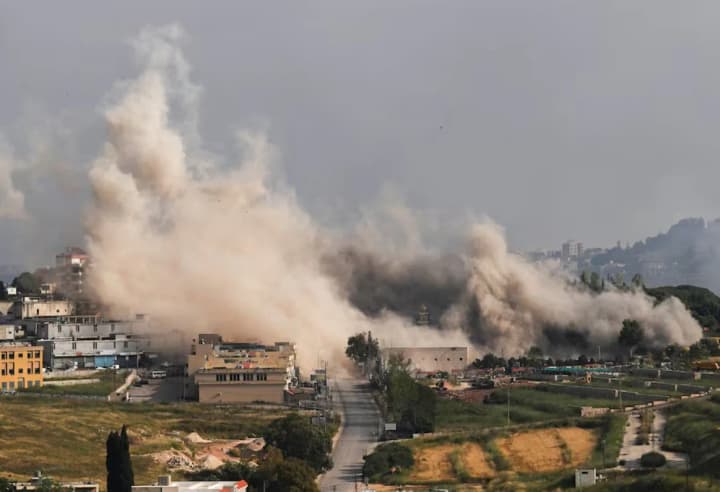
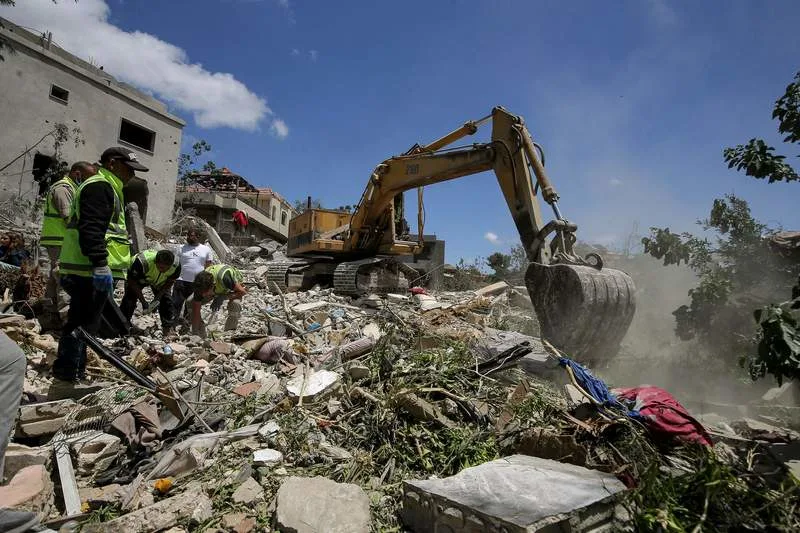
The Lebanese Health Ministry reported that the fatalities occurred following Israeli military actions across various locations in southern Lebanon. These strikes included targets in Nabatieh and Baysarieh, among other communities. The intensification of Israeli attacks against Hezbollah marks a significant uptick in the ongoing cross-border exchanges that have characterized the volatile frontier. Military activity has been reported along the entire length of the border with Lebanon, with both sides engaging in aerial and ground-based operations. The conflict between Israel and Hezbollah has intensified, leading to a rising casualty count and increased regional tensions, drawing international attention to the precarious security situation. The affected areas included southern Lebanon, where several towns and villages have experienced significant infrastructure damage and displacement of residents, further exacerbating humanitarian concerns.
Lebanon Under Fire
New Israeli attacks commenced a day after strikes killed at least 31 people in Lebanon, signaling a continued and aggressive posture from the Israeli military. This recent round of bombardments follows previous military actions in which Israeli forces targeted locations including the strategic city of Nabatieh and the coastal town of Baysarieh. This recent activity marks a continued intensification of hostilities between Israel and Hezbollah, contributing to rising casualty figures and heightened regional tensions that threaten to destabilize the broader Middle East. The affected areas, particularly in southern Lebanon, have experienced significant damage to residential buildings, agricultural land, and critical infrastructure, impacting the daily lives of thousands of civilians.
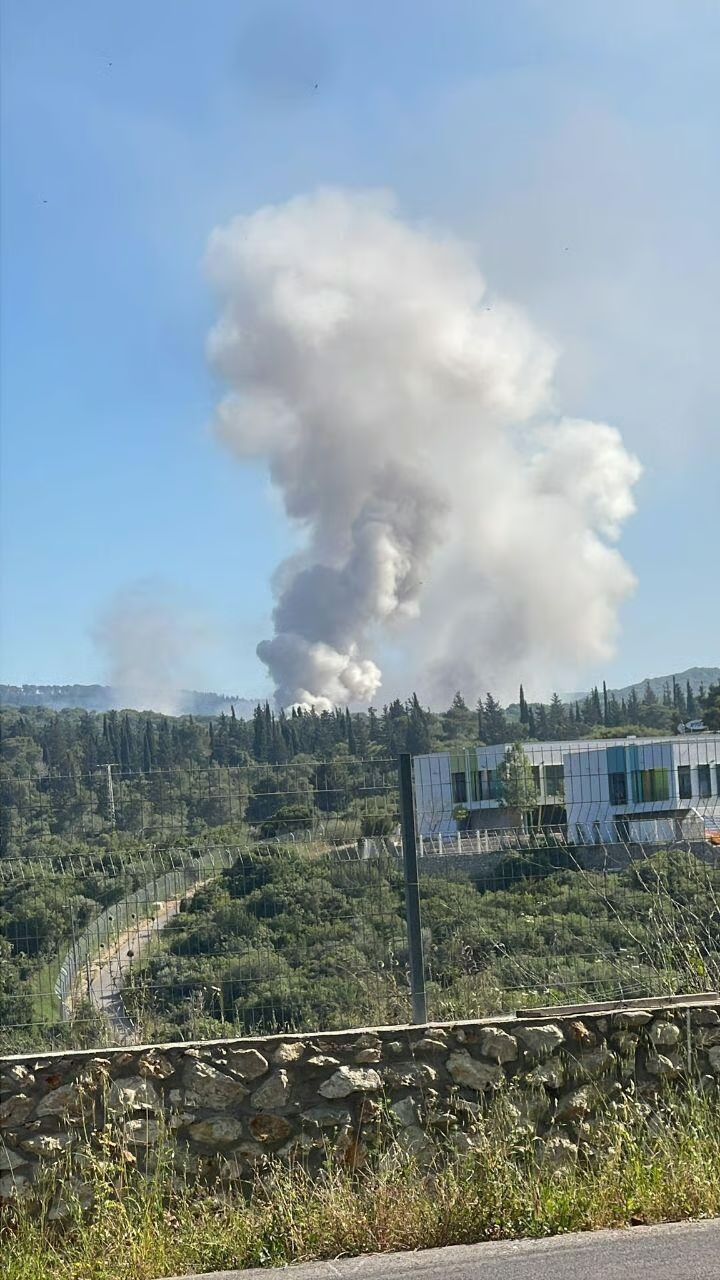
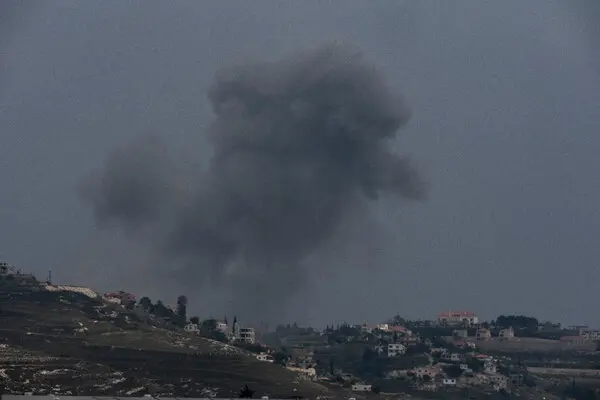
Journalists from The New York Times reported hearing explosions in the southern Lebanese town of Baysarieh, an area that has become a focal point of recent military engagements. The sky filled with smoke as warplanes circled overhead, a stark visual representation of the ongoing conflict, following a night of heavy bombardment in the area. These events occurred amidst ongoing cross-border exchanges, which have seen both sides launching rockets, missiles, and conducting aerial operations, creating a cycle of retaliation and escalation. The constant threat of strikes has left residents in a state of perpetual alert, with many seeking shelter or evacuating their homes.
Additionally, Israel issued evacuation warnings for the entire city of Nabatieh, indicating a potential widening of military operations in the region and a clear directive for civilians to leave. This warning suggests an increased risk to civilian populations in areas already impacted by the conflict, prompting fears of a larger-scale ground offensive or more extensive aerial campaigns. Such warnings often precede intensified military actions, placing immense pressure on the local population and humanitarian organizations. The city of Nabatieh, a significant urban center in southern Lebanon, has a substantial population, and its evacuation would represent a major displacement event.
Hezbollah stated its fighters engaged in close-range combat with Israeli forces in Zawtar al-Sharqiyah, a town situated approximately six miles from the Israeli border, placing the conflict in close proximity to the frontier. This direct engagement notes the ground dimension of the conflict, moving beyond aerial bombardments and missile exchanges. The reported engagement indicates direct ground confrontations in addition to aerial bombardments, suggesting a more entrenched and complex battle environment than previously reported. The proximity of Zawtar al-Sharqiyah to the border shows the immediate threat to Israeli communities and the direct nature of the clashes.
Meanwhile, in Washington, President Trump is expected to host a meeting of his entire cabinet at the White House on Wednesday. The meeting comes as geopolitical developments, including the intensifying conflict between Israel and Hezbollah, continue to unfold globally, requiring high-level discussions and strategic planning. The White House meeting is likely to address the multifaceted challenges posed by the escalating tensions in the Middle East, including potential diplomatic interventions and security assessments. The discussions are anticipated to cover the implications of the regional instability on U.S. Foreign policy and national security interests.
U.S.-Iran Tensions Flare
The United States and Iran escalated hostilities on Tuesday, with the United States attacking Iranian boats and launch sites early that day, marking a significant increase in direct confrontation. This escalation followed reports of provocative actions by Iranian forces in the critical Strait of Hormuz. Two American officials stated that Iran had deployed mine-laying boats in the Strait of Hormuz and flown attack drones near U.S. Ships, actions perceived as direct threats to international shipping and U.S. Naval assets. These activities ratcheted up tensions in one of the world's most vital shipping lanes, prompting a swift and forceful response from the U.S. Military. In response, Iran’s Islamic Revolutionary Guards Corps vowed a 'decisive reciprocal response' to any cease-fire violations, signaling their readiness to retaliate against perceived aggressions. The supreme leader, Mojtaba Khamenei, further amplified these warnings, suggesting that Iran could renew strikes on U.S. Military installations in the Persian Gulf, raising concerns about a broader military engagement in the region.
Separately, South Korea reported on Wednesday that an explosion on a ship operated by HMM in the Strait of Hormuz was likely caused by an Iranian anti-ship missile, adding another layer of complexity to the volatile situation. The blast left a gash approximately 16 feet wide and 23 feet deep in the ship’s hull, indicating a powerful and precise strike. Investigators concluded that the weapon responsible was most likely a Noor-series anti-ship missile of Iranian origin, based on forensic evidence and trajectory analysis. This finding directly implicated Iran in an attack on commercial shipping, a serious breach of international maritime law. Iran’s ambassador to South Korea denied involvement in the incident, maintaining the Islamic Republic's stance of non-aggression against commercial vessels, despite the investigative findings. The incident shows the dangers faced by international shipping in the Strait of Hormuz, a critical choke point for global oil supplies.
Oil prices retreated on Wednesday as the temporary cease-fire between Iran and the United States appeared to hold, providing a brief respite from market volatility. The price of Brent crude was down more than 2 percent to around $95 a barrel for August delivery, reflecting a cautious optimism among traders about the de-escalation of immediate threats. West Texas Intermediate crude also fell about 2 percent, reaching approximately $92 a barrel for July delivery, indicating a similar market reaction to the perceived easing of tensions. This dip in prices suggests that while the geopolitical situation remains fragile, the immediate threat of a full-scale conflict that could disrupt oil supplies has momentarily receded. However, analysts remain wary, recognizing that the situation could quickly change given the history of volatility in the region.
Iran's Internet Blackout Ends
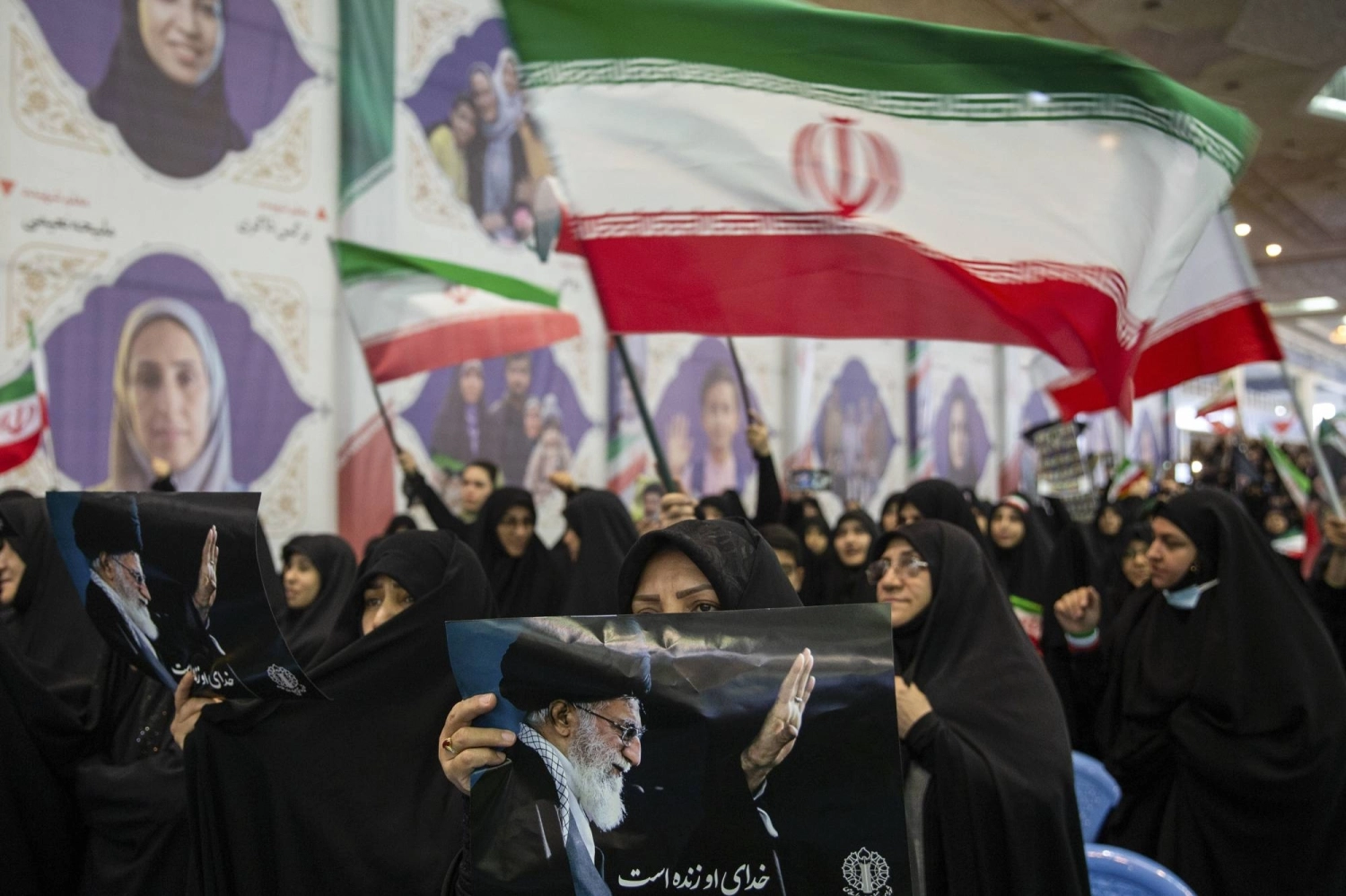
Iran has begun restoring internet access, lifting a blackout imposed after the war began, bringing a measure of relief to its citizens. NetBlocks, a monitoring group, stated its data showed a "partial restoration to internet connectivity" in Iran after 88 days, marking a significant development for the country's digital landscape. The monitoring group called the event "the longest nationwide internet shutdown in modern history," noting the unprecedented scale and duration of the disruption. For 88 days, most Iranians were unable to communicate with family or friends online, severing vital connections and limiting access to information from both within and outside the country. This prolonged isolation had profound social and psychological impacts on the population.
Iran’s authorities justified the shutdown on national security grounds after the United States and Israel began their war with the country on February 28, citing the need to prevent the spread of misinformation and coordinate security responses. A population of roughly 90 million was plunged into a near-total communication and information blackout during this period, severely impacting daily life, commerce, and access to essential services. The economic impact on businesses was estimated at up to $80 million a day, crippling various sectors from e-commerce to small local enterprises that rely on digital communication. This massive financial toll further exacerbated the challenges faced by the Iranian economy, already strained by international sanctions and internal issues.
This shutdown marked the third such incident in a year, indicating a pattern of using internet blackouts as a tool for control during times of crisis. The first internet shutdown took hold for weeks after Israel, briefly joined by U.S. Forces, began a 12-day war on Iran last June, demonstrating an earlier precedent for such measures. A second shutdown was imposed in January, amidst the eruption of nationwide anti-government protests, suggesting that internet restrictions are also employed to quell internal dissent and prevent the organization of demonstrations. The recurring nature of these shutdowns shows the government's willingness to control information flow during periods of both external conflict and internal unrest, raising significant concerns about digital rights and freedom of expression within Iran.
Broader Conflict Context
Israeli forces announced they killed Mohammed Odeh, the leader of Hamas’s military wing, in an airstrike conducted in northern Gaza on Tuesday. This targeted killing represents a significant blow to the leadership structure of Hamas and illustrates Israel's continued focus on dismantling the militant group's operational capabilities. Mohammed Odeh and his predecessor, Izz al-Din al-Haddad, represent the most senior Hamas officials to have been killed by Israel since a cease-fire was implemented last fall, indicating a clear shift in Israeli military strategy towards high-value targets. The targeting of these high-ranking figures indicates a significant escalation in ongoing military operations within the region, even amidst broader efforts to maintain a fragile cease-fire. This action is likely to provoke strong reactions from Hamas and other militant groups, potentially leading to further cycles of violence in the Gaza Strip and surrounding areas. The precision of the strike also notes Israel's intelligence gathering capabilities and its determination to neutralize perceived threats.