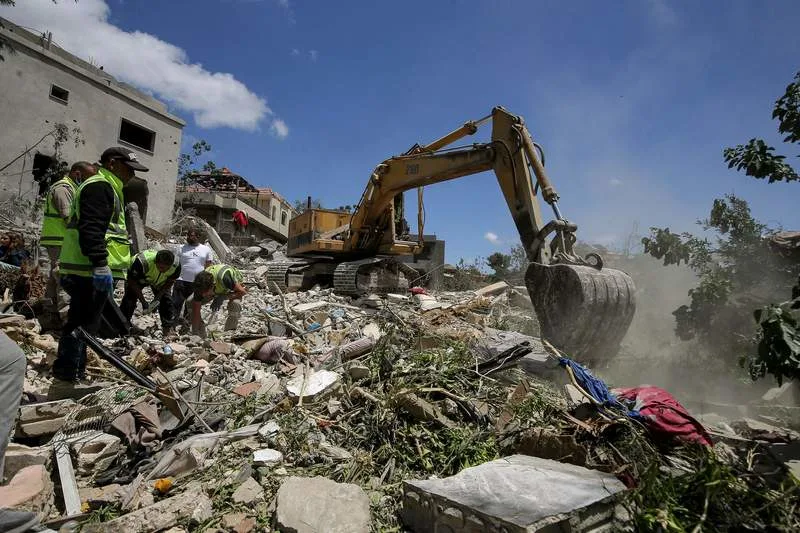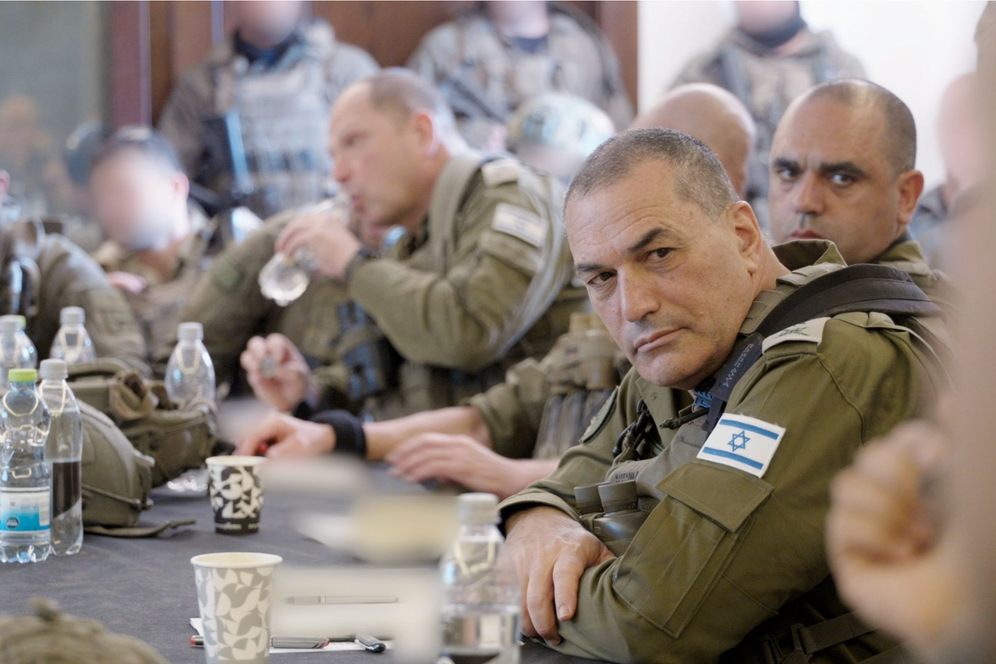
U.S. And Israeli jets conducted strikes against Iranian vessels in the Strait of Hormuz and other targets on Monday, May 26, 2026, while Hezbollah drone attacks landed in Israeli territory, leading to the interception of a rocket by the Israeli air force. These military actions occurred amidst claims that an interim pact could help end a war that has resulted in thousands of deaths across the Middle East, primarily in Iran and Lebanon. The targets included Iranian vessels located near Larak Island within the Strait of Hormuz. The simultaneous operations by the U.S. And Israel, alongside Hezbollah's activities, mark a significant escalation in regional tensions. The reported interim pact, if achieved, aims to de-escalate the ongoing conflict that has deeply affected Iran and Lebanon, among other nations in the Middle East. The U.S. And Israeli jets specifically struck Iranian vessels in the Strait of Hormuz and other targets on Monday, May 26, 2026, initiating a new phase in the protracted regional conflict. Concurrently, Hezbollah drone attacks landed in Israeli territory, further exacerbating the volatile security situation. The Israeli air force responded swiftly, leading to the interception of a rocket, noting the constant state of alert in the region. The military actions by both sides unfolded amidst ongoing claims that an interim pact could help bring an end to a war that has already claimed thousands of lives across the Middle East, with Iran and Lebanon bearing the brunt of the casualties. The specific targets of the U.S. And Israeli operations included Iranian vessels situated near Larak Island within the strategically vital Strait of Hormuz. This convergence of military actions from the U.S. And Israel, coupled with Hezbollah's continued activities, shows a significant and concerning escalation in regional tensions. The proposed interim pact, if successfully negotiated and implemented, is intended to de-escalate the enduring conflict that has had profound and devastating impacts on Iran and Lebanon, as well as several other nations throughout the Middle East.
Military Actions Detailed
Several Iranian personnel died in the attack south of Larak Island in the Strait of Hormuz, according to a report from Iran’s state-run Nour News. American forces struck missile launch sites within Iran and boats attempting to deploy mines, U.S. Central Command stated. According to Iran’s state-run Nour News, the attack south of Larak Island in the Strait of Hormuz resulted in the deaths of several Iranian personnel, marking a tragic outcome of the escalating hostilities. The U.S. Central Command confirmed that American forces specifically targeted missile launch sites located within Iran, signaling a direct engagement with Iranian military infrastructure. Additionally, U.S. Forces also struck boats that were reportedly attempting to deploy mines, an action aimed at preventing potential disruptions to maritime navigation in the critical waterway.
U.S. Central Command spokesman Capt. Tim Hawkins claimed the strikes were defensive actions. The operations were intended "to protect our troops from threats posed by Iranian forces," Captain Hawkins said. Captain Tim Hawkins, a spokesman for U.S. Central Command, explicitly stated that the strikes carried out by American forces were undertaken as defensive actions. He further elaborated that these military operations were specifically intended "to protect our troops from threats posed by Iranian forces," emphasizing the perceived necessity of the actions from the U.S. Perspective.
The Strait of Hormuz has remained largely closed since the United States and Israel conducted an attack on Iran in late February 2026. Since an April truce, Israel and Hezbollah have maintained an exchange of lower-level fire. The Strait of Hormuz, a key global chokepoint for oil shipments, has been nearly closed to maritime traffic since the United States and Israel launched an attack on Iran in late February 2026, severely impacting international trade and energy markets. Despite an April truce that aimed to reduce hostilities, Israel and Hezbollah have continued to engage in an exchange of lower-level fire, indicating the fragility of any attempts at de-escalation and the persistent underlying tensions between the two adversaries.
Peace Talks and Diplomatic Maneuvers
U.S. President Donald Trump stated that negotiations with Tehran regarding an interim deal were progressing, describing them as "proceeding nicely." U.S. Secretary of State Marco Rubio also commented on the ongoing discussions, indicating that talks with Iran could extend over several days. Secretary Rubio emphasized that "Trump would either agree to a good deal or make no deal at all." Regarding Iran's nuclear program, President Trump stated that Iran’s enriched uranium would either be handed over to the U.S. Or destroyed within Iran. U.S. President Donald Trump, in a public statement, affirmed that negotiations with Tehran concerning a potential interim deal were moving forward, characterizing the progress as "proceeding nicely." Adding to this, U.S. Secretary of State Marco Rubio provided further insight into the diplomatic efforts, suggesting that the talks with Iran could potentially span several days, showing the complexity and delicate nature of the discussions. Secretary Rubio reiterated President Trump's firm stance, stating unequivocally that "Trump would either agree to a good deal or make no deal at all," indicating a strong commitment to securing terms favorable to the United States. Pertaining to the contentious issue of Iran's nuclear program, President Trump issued a clear demand: Iran’s enriched uranium, a critical component for nuclear weapons, would either be handed over to the U.S. Or destroyed within Iran, signaling a non-negotiable condition for any future agreement.
However, the emerging accord has drawn criticism from some U.S. Lawmakers. Republican Sen. Lindsey Graham argued that the potential deal concedes too much to Tehran. Axios reported that a draft of a potential agreement between the U.S. And Iran includes language aimed at ending the war between Israel and Hezbollah. A major sticking point in the talks remains the U.S. Demand that Iran cease uranium enrichment and surrender its highly enriched uranium. Despite the apparent progress, the emerging accord has already faced significant pushback from certain U.S. Lawmakers. Republican Sen. Lindsey Graham, a prominent voice in foreign policy discussions, vocally argued that the potential deal under consideration concedes an excessive amount to Tehran, raising concerns about its implications for U.S. Interests and regional stability. Further details emerged from a report by Axios, which indicated that a draft of a potential agreement between the U.S. And Iran contains specific language designed to bring an end to the protracted conflict between Israel and Hezbollah, suggesting a broader scope for the proposed pact. Nevertheless, a major and persistent sticking point in the ongoing talks continues to be the unwavering U.S. Demand that Iran completely cease its uranium enrichment activities and surrender its existing stockpiles of highly enriched uranium, a condition Iran has historically resisted.
Tehran, for its part, is seeking guarantees from China before agreeing to a deal and prefers that any uranium be transferred to China. Both the U.S. And Iran still need to finalize the details of an extended ceasefire. These details include ensuring free passage for ships in the Strait of Hormuz and the unfreezing of billions of dollars of Iranian funds. Additionally, Iran has softened its stance on charging transit tolls for vessels passing through the Strait, suggesting that ships would instead pay for "navigation services." Tehran, demonstrating its strategic approach to the negotiations, is actively seeking strong guarantees from China before committing to any deal, indicating a desire for broader international backing and security. Iran has expressed a clear preference for any enriched uranium to be transferred to China, rather than the U.S. As part of a potential agreement. Both the U.S. And Iran face the complex task of finalizing the intricate details of an extended ceasefire, which goes beyond mere cessation of hostilities. These key details encompass ensuring unimpeded and free passage for all ships traversing the Strait of Hormuz, a vital international shipping lane. Another significant component involves the unfreezing of billions of dollars of Iranian funds, which have been held in international accounts due to sanctions, a key financial incentive for Tehran. In a notable shift, Iran has also softened its previous stance on charging transit tolls for vessels passing through the Strait, now suggesting that ships would instead be required to pay for "navigation services," a potentially less contentious approach to revenue generation from the waterway.
Regional Fallout and Economic Impact
The recent attack triggered an energy shock and a wave of global inflation. Following the incident, Brent crude oil rose approximately 2% to nearly $98 a barrel after an earlier slump of more than 7% on Monday. Regional diplomatic efforts are also underway, with Saudi Arabia and Qatar reiterating that they will not normalize ties with Israel without progress toward Palestinian statehood. The recent attack had immediate and broad consequences, triggering an acute energy shock that reverberated across global markets and contributing to a widespread wave of global inflation. In the immediate aftermath of the incident, the price of Brent crude oil, a key international benchmark, surged by approximately 2%, reaching nearly $98 a barrel. This increase followed an earlier, significant slump of more than 7% that had occurred on Monday, illustrating the extreme volatility and sensitivity of oil markets to geopolitical events in the Middle East. Alongside the economic repercussions, regional diplomatic efforts have intensified, with key players like Saudi Arabia and Qatar reiterating their firm position that they will not normalize ties with Israel unless substantial progress is made toward the establishment of Palestinian statehood, tying regional peace to the resolution of the Israeli-Palestinian conflict.
In a related development, an Iranian delegation led by Parliament Speaker Mohammad Bagher Ghalibaf traveled to Doha for consultations with senior Qatari officials. The delegation included Iranian central bank governor Abdolnaser Hemmati, who was expected to discuss the release of frozen Iranian funds. Pakistan’s army chief Asim Munir is also headed to Doha. In a significant diplomatic maneuver, an Iranian delegation, spearheaded by Parliament Speaker Mohammad Bagher Ghalibaf, embarked on a journey to Doha for high-level consultations with senior Qatari officials. This delegation was notably comprised of key financial figures, including Iranian central bank governor Abdolnaser Hemmati, whose presence showed the economic priorities of the visit. Governor Hemmati was specifically expected to engage in discussions regarding the critical issue of the release of frozen Iranian funds, a matter of substantial importance for Iran's economy. Further noting Doha's growing role as a regional diplomatic hub, Pakistan’s army chief Asim Munir is also scheduled to travel to the Qatari capital, indicating broader regional security discussions are likely underway.
Political Ramifications and Sticking Points
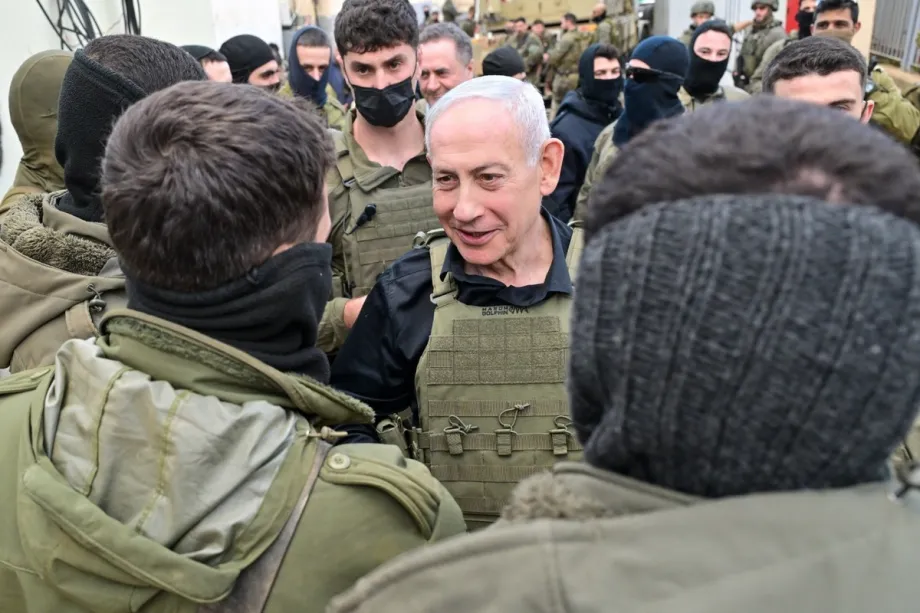
Prime Minister Benjamin Netanyahu stated that Israel would intensify its attacks on Iran-backed Hezbollah after conducting strikes in southern Lebanon. Iran has demanded an end to hostilities against Hezbollah in Lebanon as a condition for any peace agreement with the United States. Following these developments, U.S. President Donald Trump, in a post on Truth Social, urged Saudi Arabia, Qatar, and other nations to join the Abraham Accords and recognize Israel. The ongoing conflict has also reportedly increased domestic pressure on President Trump ahead of Congressional elections scheduled for November. Prime Minister Benjamin Netanyahu of Israel made a resolute statement, declaring that Israel would intensify its attacks on Iran-backed Hezbollah. This declaration came after Israeli forces conducted strikes in southern Lebanon, signaling a heightened military posture against the group. In response to the escalating situation and as a key condition for any potential peace agreement with the United States, Iran has unequivocally demanded an immediate end to all hostilities against Hezbollah in Lebanon. Following these significant developments and the complex interplay of regional diplomacy and conflict, U.S. President Donald Trump took to Truth Social, his social media platform, to issue a direct appeal. In his post, he urged Saudi Arabia, Qatar, and other nations in the region to join the Abraham Accords and formally recognize Israel, aiming to expand the normalization agreements. The persistent and escalating nature of the ongoing conflict has also reportedly led to increased domestic pressure on President Trump within the United States, particularly as the country approaches the Congressional elections scheduled for November, where foreign policy and national security issues often play a significant role.