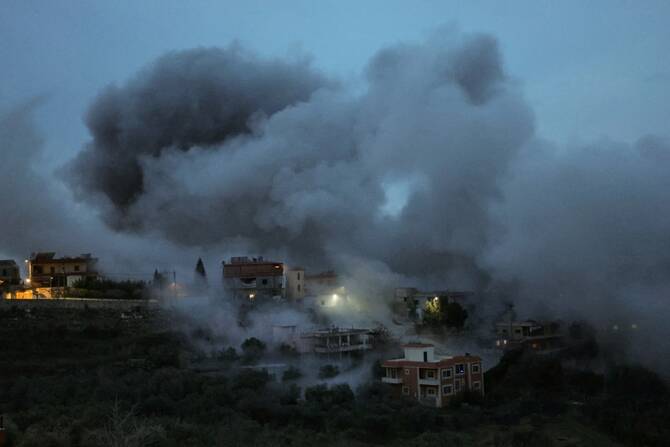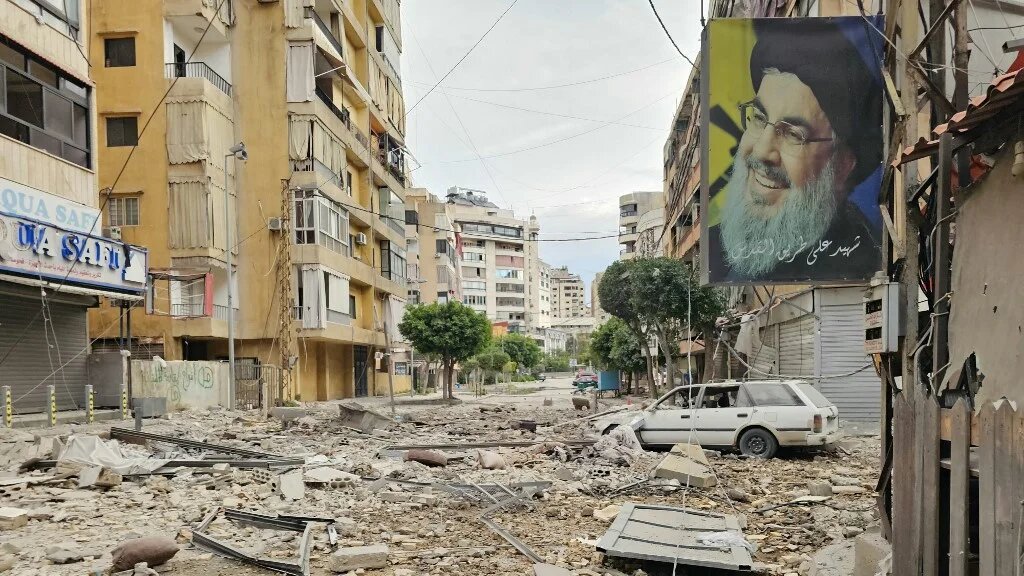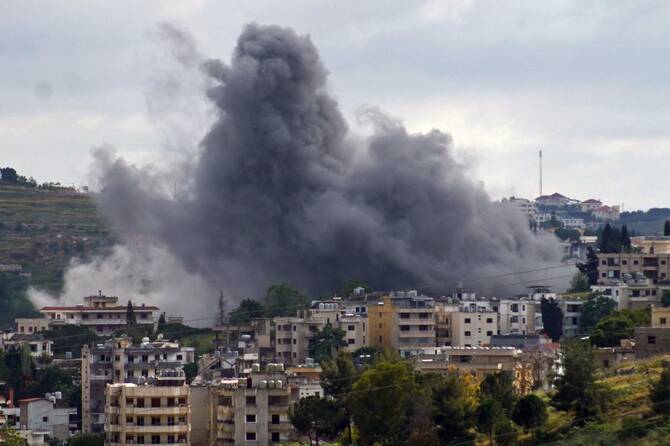
Senior Israeli officials on Monday called for a significant escalation of strikes in Lebanon, including potential attacks on buildings in Beirut. The demands follow a series of explosive drone attacks targeting Israeli Defense Forces (IDF) soldiers and civilian homes. On Monday, a drone struck the roof of an Israeli home for the first time, marking a concerning development in the ongoing cross-border hostilities. Earlier, an explosive drone strike in southern Lebanon killed IDF Sergeant Nehoray Leizer and severely wounded another IDF soldier. The calls for escalation come in direct response to these recent incidents, which officials describe as a sharp increase in the threat posed by unmanned aerial vehicles.
Calls for Beirut Strikes
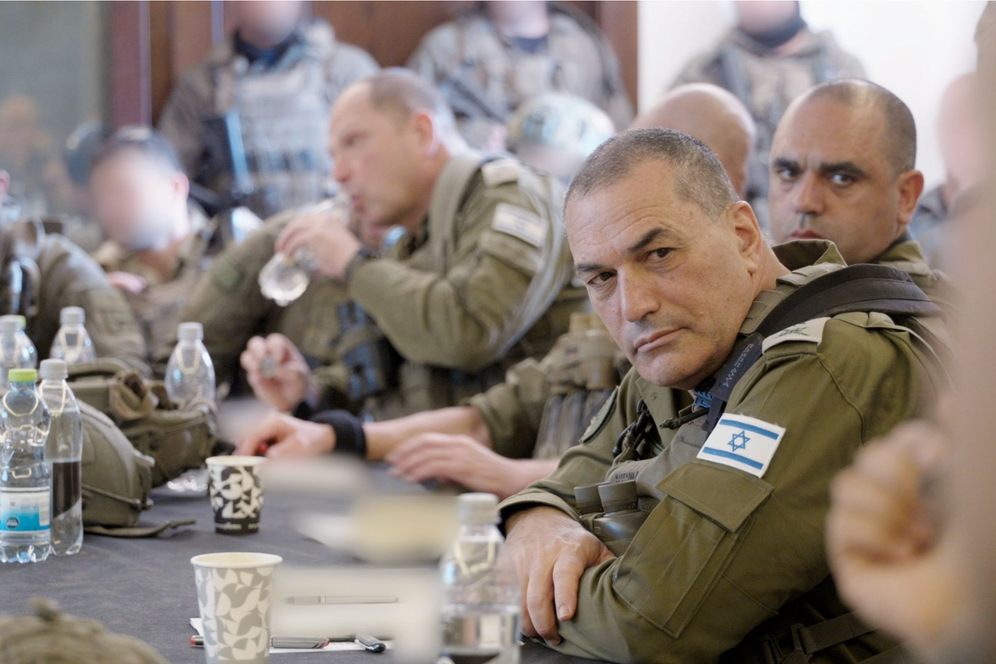
Israeli Finance Minister Bezalel Smotrich advocated for aggressive countermeasures, stating, "The truth is that we will not defeat the drones through defense, but through attack." Smotrich asserted that for every explosive drone, "ten buildings in Beirut should fall." He further argued that "a strategic threat is not answered only with protection, but by changing the rules and the equation," emphasizing that Israel cannot "spread nets over the entire State of Israel, nor cover it with automatic machine guns." Smotrich added, "We cannot protect ourselves to death" and stressed that "Exacting a deterrent and disproportionate price from the enemy must be part of the effort to defend our fighters." This stance shows a shift towards offensive strategies rather than purely defensive ones in confronting drone threats. Separately, IDF Chief of Staff Lt. Gen. Eyal Zamir reportedly told a cabinet meeting that buildings in Beirut should be struck in response to drone attacks on Israeli soldiers, indicating broad support for such measures within the security establishment. The proposed escalation includes attacks on buildings in Beirut, directly linking the response to the nature of the recent drone assaults.
Broader Escalation Demands
National Security Minister Itamar Ben-Gvir called for a full return to war in Lebanon, advocating for a more aggressive stance. Mr. Ben-Gvir suggested specific actions, including cutting off electricity to Lebanon as part of this broader conflict. He also proposed the occupation of Zahrani as a strategic measure, aiming to establish a stronger military presence. These demands from the National Security Minister align with calls from other Israeli officials for a significant escalation in response to recent drone attacks, reflecting a growing sentiment for a decisive military response. The calls from senior Israeli officials on Monday for a sharp escalation of strikes in Lebanon highlight the gravity with which these drone attacks are being perceived.
Drone Threat and Defense Budget
Finance Minister Bezalel Smotrich has approved a budget of roughly two billion shekels for counter-drone technology, even as he advocates for aggressive offensive measures. This substantial investment demonstrates the recognition of the immediate need for improved defenses against unmanned aerial systems. Despite this allocation for defensive capabilities, Smotrich stated, "The truth is that we will not defeat the drones through defense, but through attack." He emphasized that "A strategic threat is not answered only with protection, but by changing the rules and the equation." Smotrich argued for a disproportionate response, asserting that "For every explosive drone, ten buildings in Beirut should fall," and that "Exacting a deterrent and disproportionate price from the enemy must be part of the effort to defend our fighters." He added, "We cannot spread nets over the entire State of Israel, nor cover it with automatic machine guns. We cannot protect ourselves to death," illustrating the perceived limitations of purely defensive strategies against the evolving drone threat.