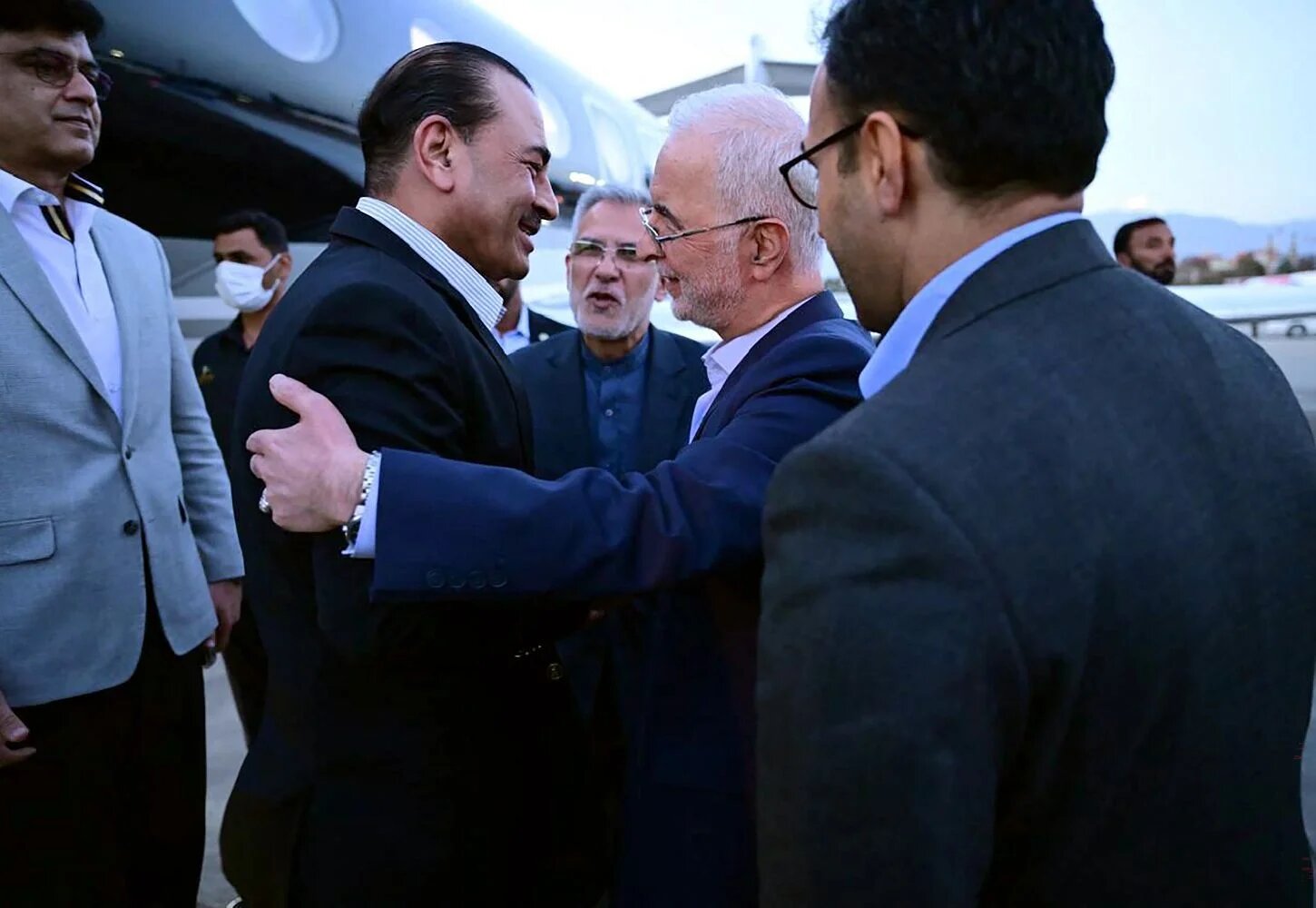
US-brokered talks between Lebanon and Israel took place in Washington earlier this month, marking a significant, albeit contentious, development in the long-standing regional conflict. These discussions coincided with a "cessation of hostilities" that reportedly began on April 16, a period which the State Department specifically referred to as a "cessation of hostilities." This framing of the situation by the State Department has drawn scrutiny, particularly given the events that have unfolded concurrently with these diplomatic efforts. This development comes as the article was published on May 25, 2026, framing the discussions within the ongoing regional situation and the persistent tensions between the two nations. The very nature of these US-brokered talks, held in the American capital, shows the deep international involvement in attempting to mediate the complex relationship between Lebanon and Israel.
The Illusion of Peace
The State Department announced on May 15 that a "cessation of hostilities" would be extended for 45 days, further prolonging the period of supposed calm. This extension, like the initial period, was characterized by the State Department as a "cessation of hostilities," a term that suggests a significant de-escalation of conflict. However, reports indicate that the underlying formula for these discussions subordinates any actual ceasefire to two interconnected requirements, raising questions about the genuine prospects for peace. The first of these requirements is a gradual Israeli withdrawal, a process that could potentially extend over a period of up to two years, indicating a prolonged and phased disengagement rather than an immediate cessation of occupation. The second, and perhaps more contentious, requirement is the establishment of a full enforcement mechanism involving Lebanese, Israeli, and American parties, aimed specifically at disarming Hezbollah. These stringent conditions frame the ongoing negotiations and the proposed extension of the "cessation of hostilities," suggesting that true peace is contingent upon significant concessions and structural changes, particularly concerning non-state actors in Lebanon. The complexity of these demands notes the deep-seated issues that these talks seek to address, or perhaps, exploit.
Redefining Resistance and Treason
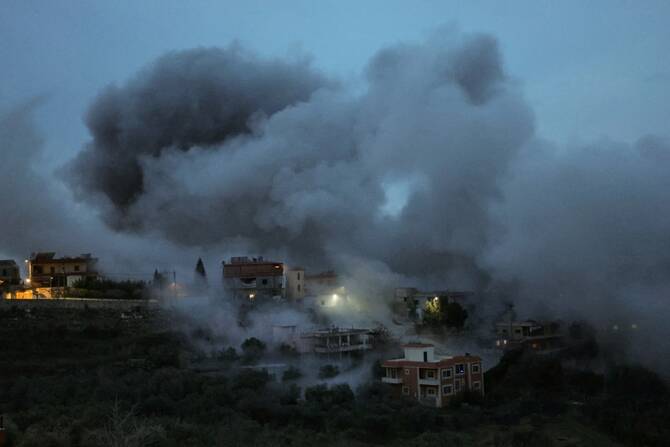
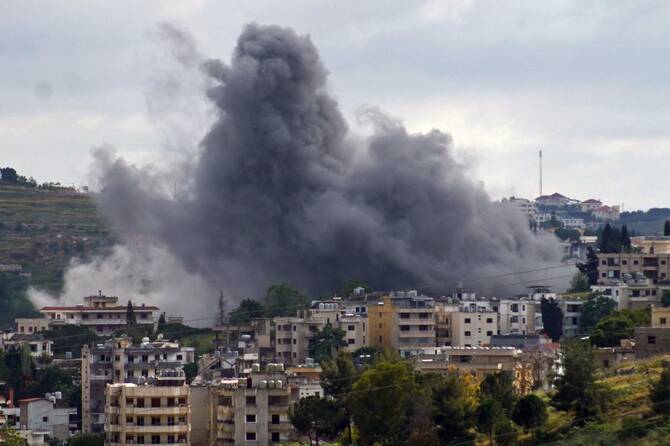
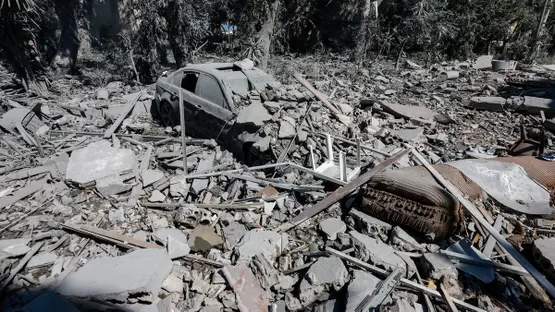
Immediately following the May 15 announcement of a cessation of hostilities – a period meant to signify a reduction in violence – Israeli strikes killed at least three dozen people and wounded more than 200 others. These devastating actions occurred precisely as discussions were underway regarding a potential extension of the ceasefire, casting a shadow of doubt over the sincerity and effectiveness of the declared "cessation of hostilities." The timing and scale of these strikes raise serious questions about the nature of the peace being brokered and whether the term "cessation of hostilities" accurately reflects the reality on the ground. Such incidents, occurring amidst diplomatic efforts, can undermine public trust and fuel skepticism regarding the ultimate objectives of the negotiations. Recent polling data provides key insight into the internal dynamics within Lebanon, indicating that the "resistance community," which broadly represents Hezbollah's social base, constitutes a core bloc of approximately 93 percent of the Shia population in Lebanon. This significant demographic support for the resistance movement suggests that any attempt to disarm Hezbollah through external pressure or internal mechanisms, as stipulated in the proposed enforcement mechanism, would likely face formidable opposition and could exacerbate internal divisions, making the path to a genuine and lasting peace even more precarious.
Broader Implications and Internal Division
The ongoing process divides negotiations between Israel and Lebanon into two distinct tracks: a political track and a security track. This bifurcated approach aims to address different facets of the conflict separately, yet their interconnectedness remains undeniable. The political discussions are slated to recommence on June 2, focusing on diplomatic resolutions and broader agreements. Concurrently, a security track is scheduled to launch at the Pentagon on May 29, indicating a direct and significant role for the United States in the military and security aspects of the resolution. This framework reportedly includes provisions for establishing a new Lebanese army brigade, a move that could significantly alter the balance of power within Lebanon and potentially challenge existing security structures. The United States is expected to fund, equip, and train this brigade, demonstrating a deep commitment to its formation and operational readiness. Washington will also participate in the selection of its officers and personnel, ensuring a degree of influence over the brigade's leadership and operational philosophy. This structure outlines a dual approach to the negotiations, addressing both political and security dimensions separately while integrating significant US involvement in the proposed Lebanese military reform, which some critics argue could be perceived as an imposition of external will rather than a genuine internal reform. The implications of such a heavily influenced military formation for Lebanese sovereignty and internal stability are profound, suggesting a complex interplay of international interests and national aspirations.