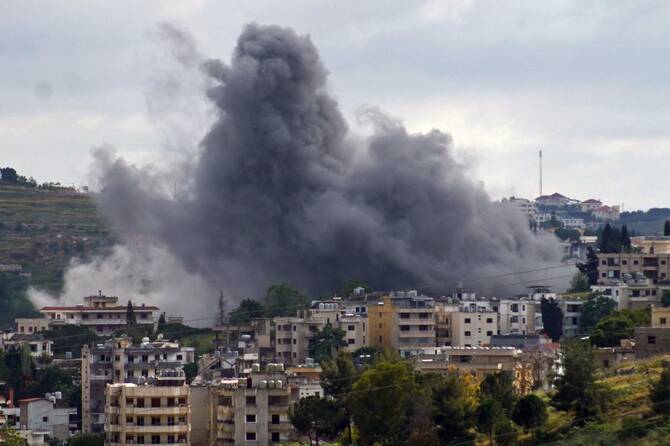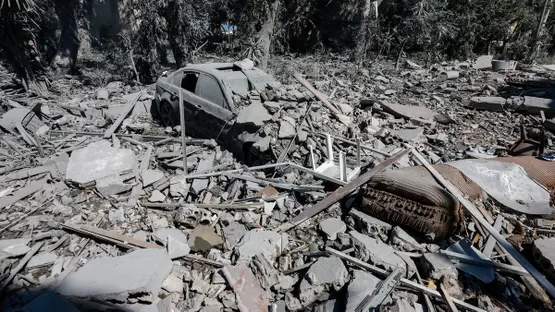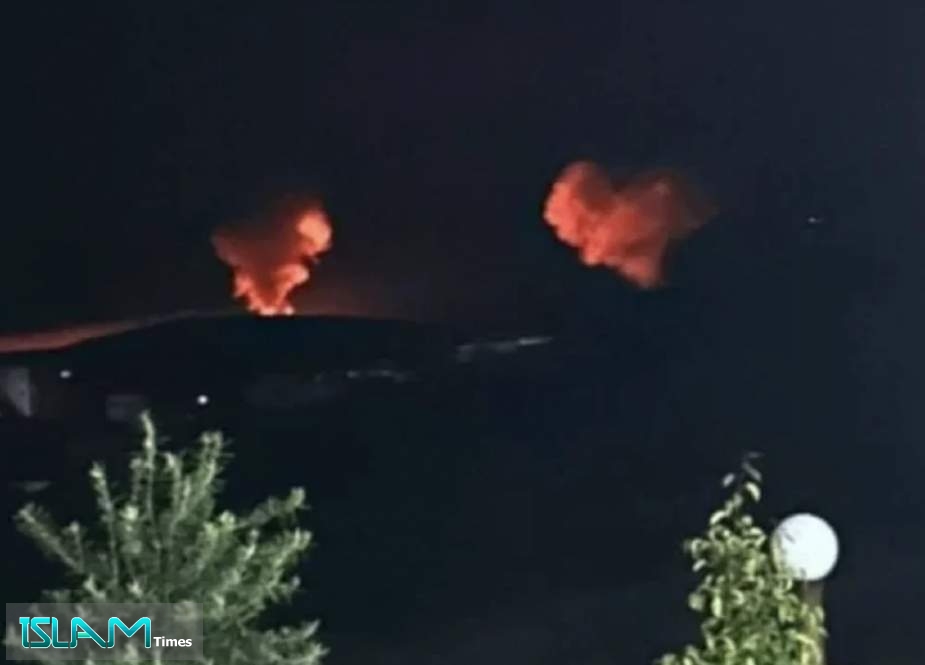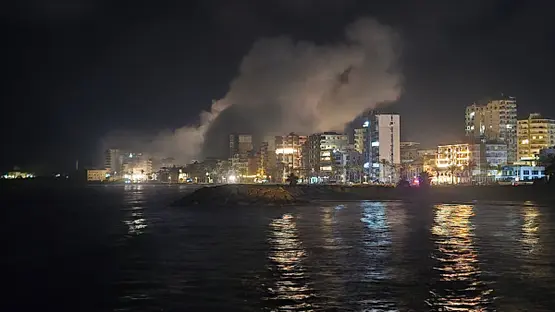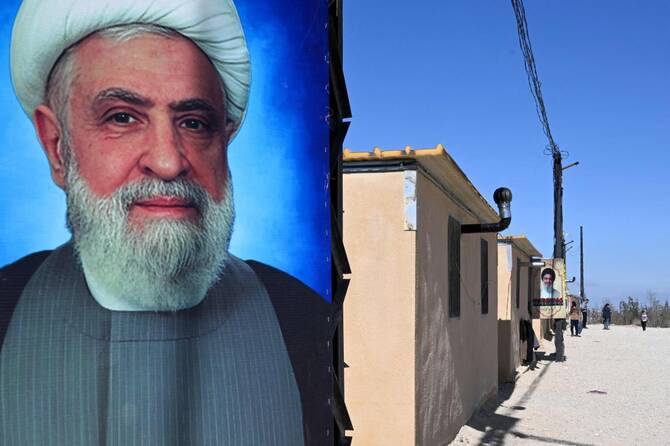
Hezbollah chief Naim Qassem expressed hope on Sunday for a potential agreement between Iran, his group's backer, and the United States, which he believes would include an end to hostilities involving Lebanon. Qassem stated, "God willing, this agreement will be finalized and there are signs of its completion, and accordingly that we too will be among those included in this agreement — an agreement of a full cessation of hostilities." His remarks indicate an expectation that any broader deal between Tehran and Washington would encompass the ongoing tensions affecting the region, specifically Lebanon. This statement from the Hezbollah chief shows the significance of a potential diplomatic breakthrough between two major international actors, noting the regional implications of such an accord.
Details of Potential Agreement
Naim Qassem, Hezbollah's chief, expressed optimism regarding a potential agreement. He stated, "God willing, this agreement will be finalized and there are signs of its completion, and accordingly that we too will be among those included in this agreement — an agreement of a full cessation of hostilities." Qassem's comments suggest an expectation that any broader diplomatic move between Tehran and Washington would extend to Lebanon, aiming to halt ongoing conflicts. The leader of the Iranian-backed group articulated a clear desire for Lebanon to be explicitly included in the terms of any such Iran-US agreement, ensuring its security interests are addressed.
Iran's Tasnim news agency provided further insight into the potential framework of such a deal. The agency reported that "a memorandum of understanding (MOU) would first be announced, stressing an end to fighting on all fronts, including in Lebanon." This indicates that preliminary steps would involve a formal declaration of intent to cease hostilities across various theaters of conflict, with Lebanon explicitly mentioned as a beneficiary of this cessation. The report from Tasnim news agency suggests a structured approach to de-escalation, beginning with a formal commitment to halt military engagements. This approach would lay the groundwork for a more full resolution, addressing the multifaceted nature of regional tensions.
Regional Context and Concerns
Naim Qassem expressed hope that Lebanon would be part of the terms of any potential Iran-US agreement. His remarks show a desire for a broader diplomatic resolution that would encompass the ongoing security situation affecting the country. Hezbollah, a significant political and military force in Lebanon, has close ties to Iran, making any potential understanding between Tehran and Washington directly relevant to its operations and the stability of the Lebanese border region. Qassem's statement suggests an anticipation that de-escalation measures affecting Lebanon would be an integral component of any such international accord. The inclusion of Lebanon in a full agreement would aim to address the cessation of hostilities that have impacted the nation, indicating a move towards regional stability through diplomatic channels. The Hezbollah chief’s public expression of hope reflects the deep entanglement of Lebanon's security with the broader geopolitical dynamics between Iran and the United States. Such an agreement could significantly alter the operational landscape for Hezbollah and potentially lead to a period of reduced tensions along Lebanon's borders.
Israeli Stance on Threats
Israeli Prime Minister Benjamin Netanyahu previously stated that US President Donald Trump had reaffirmed his support for Israel’s right to defend itself against threats. Netanyahu specified that these threats included those emanating from Hezbollah. This position shows Israel's long-held policy of self-defense in the face of perceived dangers from regional actors. The statement notes a consistent alignment between Israeli and US leadership regarding Israel's security imperatives. Netanyahu's remarks indicate that Israel maintains its prerogative to act against groups like Hezbollah, irrespective of broader diplomatic efforts concerning Iran. The reaffirmation from the US President signals continued backing for Israel's strategic security posture in the region. This stance from Israel provides a key counterpoint to the hopes expressed by Hezbollah, indicating the complex security landscape that any Iran-US agreement would need to navigate.