Israel conducted new airstrikes in Lebanon on Saturday, May 23, 2026, following earlier raids that reportedly killed 10 people. The renewed Israeli military activity comes after it stated early on Friday, May 22, 2026, that it had killed two individuals near the border. The Israeli military further stated these individuals were struck and eliminated in an aerial strike. This recent surge in hostilities marks a significant escalation in the ongoing regional conflict, raising concerns about stability in the border areas. The strikes on Saturday followed a day of intense operations on Friday, which saw a considerable loss of life, particularly among emergency responders.
Friday's Deadly Raids
Lebanon’s health ministry reported that Israeli strikes on Friday, May 22, 2026, resulted in the deaths of 10 people, among them six rescuers and a child. The ministry specifically stated that "six people were martyred" in one of the incidents, showing the severe impact on civilian and humanitarian personnel. These casualties highlight the dangerous conditions faced by those attempting to provide aid and assistance in conflict zones. The Israeli military, for its part, reported identifying two armed individuals moving suspiciously hundreds of meters from Israeli territory in southern Lebanon. These individuals were subsequently targeted in an aerial strike, according to the military’s statement. The Israeli military's early morning announcement on Friday, May 22, 2026, confirmed that it had killed two people close to the border, setting the stage for the retaliatory actions that followed later that day.
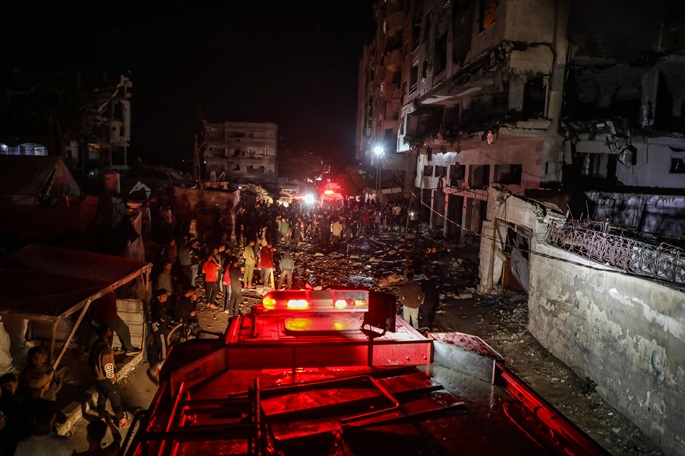
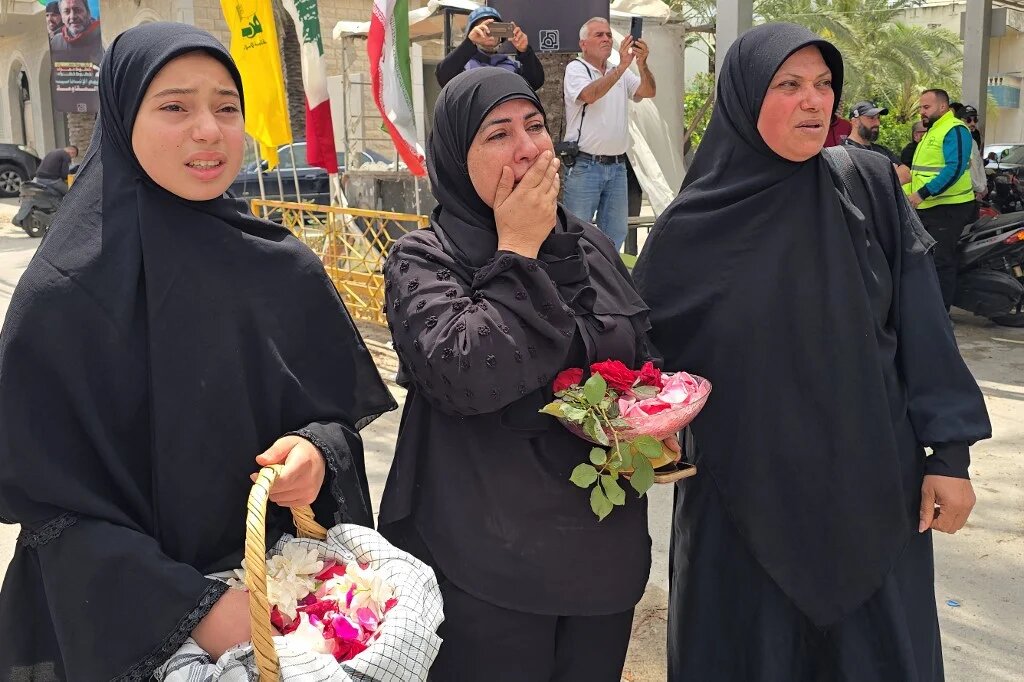
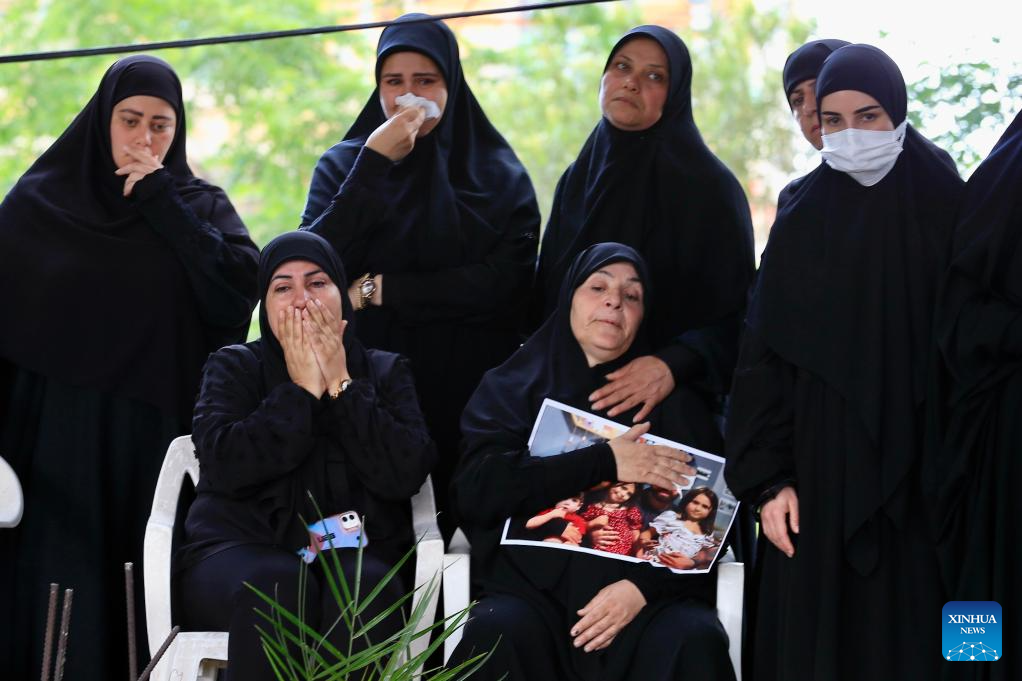
Six individuals were killed in a strike on Deir Qanun al-Nahr village, located near Tyre. Among the deceased were two rescuers affiliated with the Risala Scouts association and a Syrian girl. This incident contributed to the overall casualty count reported by the Lebanese authorities, drawing international attention to the humanitarian consequences of the conflict. The Risala Scouts association, a prominent local organization, mourned the loss of its members, emphasizing the non-combatant role they played. The death of a Syrian girl further showed the vulnerability of civilians, including refugees, caught in the crossfire. The strike on Deir Qanun al-Nahr village, a residential area, prompted widespread condemnation and calls for de-escalation from various international bodies.
Earlier on Friday, a separate strike in the southern town of Hanaway killed four rescuers. These individuals were members of the Hezbollah-linked Islamic Health Committee. The targeting of medical and rescue personnel, regardless of their affiliation, is a contentious issue in armed conflicts and often draws scrutiny from human rights organizations. The Islamic Health Committee plays a key role in providing medical services in areas where public infrastructure may be limited or damaged by conflict. The series of airstrikes on Friday followed reports of renewed violence in the region, with Israel stating it had killed two individuals near the border earlier that day, indicating a cycle of action and reaction. The escalating nature of these events suggests a breakdown in mechanisms designed to prevent wider conflict.
Saturday's Escalation and Warnings
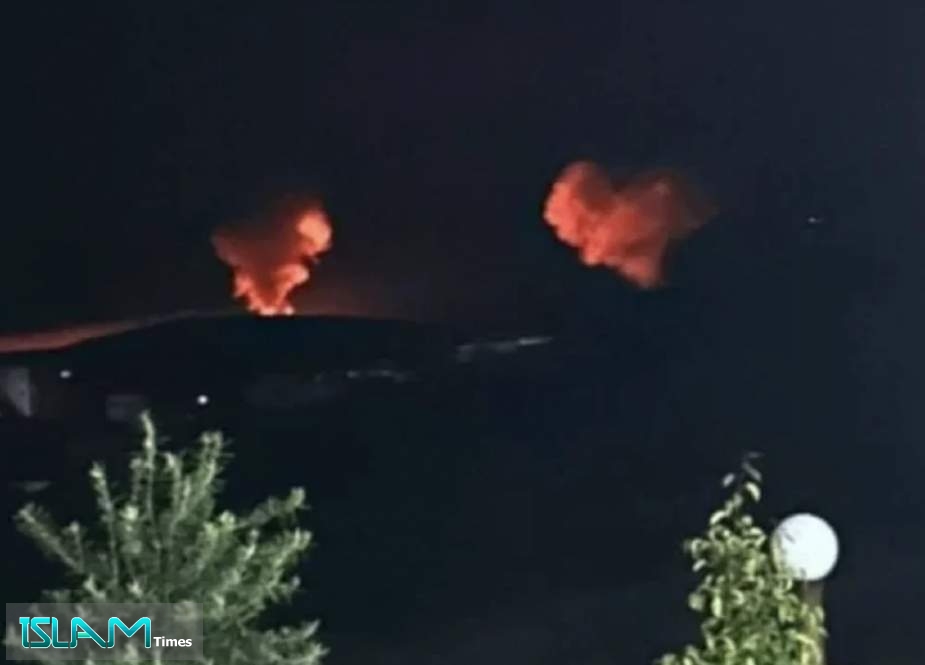
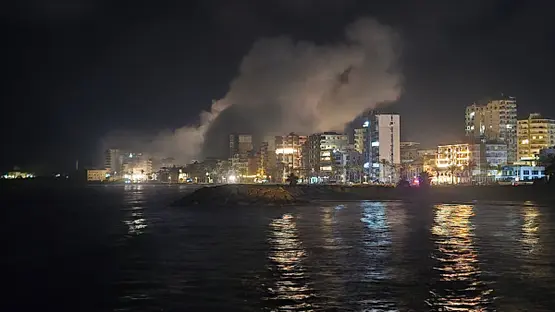
The state-run National News Agency reported five Israeli airstrikes shortly before midnight on Saturday in the mountainous Nabi Sreij area, located on the outskirts of Brital. The area of Brital had not experienced attacks since an April 17 ceasefire agreement with Hezbollah, making these strikes particularly notable and a potential indicator of a shift in the conflict's geographical scope. The previous ceasefire had brought a period of relative calm to Brital, a respite now shattered by the renewed military action. An AFP correspondent in Tyre reported hearing two distinct blasts on Saturday, noting that one building on the outskirts of the city was struck, followed by another strike inside Tyre itself. This direct targeting of an urban center like Tyre, a major southern Lebanese city, represents a significant intensification of the conflict. The sound of explosions reverberating through the city created an atmosphere of fear and uncertainty among its residents.
Following these events, civil defense rescuers and municipality police initiated efforts to evacuate residents from various neighborhoods within Tyre. The immediate response from local authorities and emergency services was critical in ensuring the safety of the civilian population. The sight of civil defense vehicles and police personnel moving through the streets, guiding residents to safer locations, became a stark reminder of the volatile situation. These evacuations were a precautionary measure, reflecting the heightened risk to civilians in areas under attack. The concerted efforts of these local bodies showed the community's resilience in the face of ongoing threats.
Israel’s military issued two evacuation warnings through its Arabic-language spokesman, Avichay Adraee, on Saturday. These warnings, disseminated through official channels, are typically intended to minimize civilian casualties by advising residents to leave specific areas deemed to be at risk of military operations. One of these evacuation warnings was specifically directed at residents of the Lebanese village of Burj Rahal. The explicit naming of Burj Rahal indicates a focused military intent on that particular locality. Additionally, residents of two particular areas within the city of Tyre were also instructed to leave their homes, further emphasizing the immediate danger to urban populations. The issuance of these warnings suggests that further military actions in these locations were anticipated by the Israeli forces, contributing to the atmosphere of apprehension in southern Lebanon.
Broader Conflict Context
Lebanon’s health ministry reported that Israeli attacks have killed at least 3,111 people since the wider regional conflict began. This grim statistic shows the devastating human cost of the prolonged hostilities, affecting thousands of families and communities across the country. The cumulative death toll reflects not only direct casualties from airstrikes and shelling but also the broader impact on healthcare infrastructure and access to essential services. Israel’s military, for its part, reported the death of 22 personnel during the fighting. This figure represents the losses sustained by Israeli forces in the ongoing exchanges, noting the dangers faced by military personnel on both sides of the conflict. The ministry’s earlier statement noted that "six people were martyred" in one incident, reflecting the ongoing toll and the specific targeting of rescuers, which has drawn particular concern from humanitarian organizations.
Since April 17, Israel has launched strikes, carried out demolitions, and issued evacuation orders in south Lebanon, specifically targeting Hezbollah. These actions are part of a broader strategy aimed at degrading Hezbollah's capabilities and infrastructure in the region. The demolitions of structures and the forced displacement of residents have significant humanitarian and social consequences, disrupting daily life and exacerbating existing vulnerabilities. Despite these actions, Hezbollah stated it targeted Israeli troops and positions inside Lebanon and in northern Israel near the border. Hezbollah has continued its attacks in recent days, demonstrating its resolve and capacity to respond to Israeli military operations. The exchange of fire across the border has become a regular feature of this conflict, with both sides claiming to respond to aggressions from the other.
A ceasefire was extended for 45 days last week following a third round of direct talks between Lebanese and Israeli representatives in Washington. This agreement aimed to de-escalate tensions and provide a window for diplomatic solutions, offering a glimmer of hope for a more sustained period of calm. However, recent events indicate continued military activity in the region, suggesting that the ceasefire remains fragile and susceptible to breaches. The renewed airstrikes and casualty reports show the challenges in maintaining any cessation of hostilities, particularly when underlying tensions and strategic objectives remain unresolved. The ongoing violence notes the urgent need for a more strong and enforceable peace mechanism to prevent further loss of life and regional destabilization. The international community continues to monitor the situation closely, urging all parties to exercise restraint and adhere to diplomatic agreements.