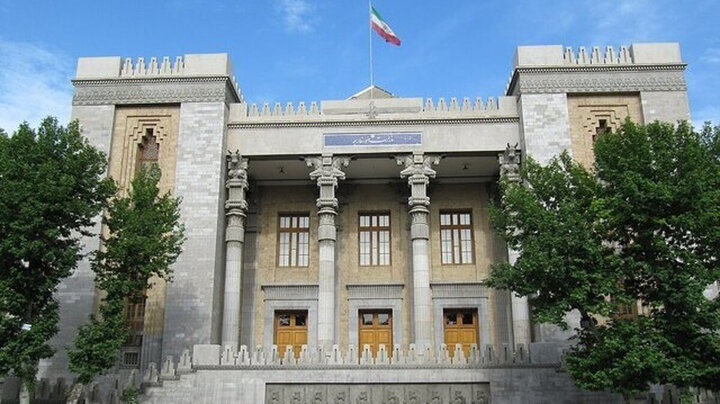
Iran's Foreign Ministry on Friday, May 22, 2026, condemned the US Treasury Department's designation of nine individuals in Lebanon. The ministry released a statement articulating its strong disapproval of these actions, which it views as a direct challenge to international norms. The ministry stated that these actions represent "another example of the US ruling administration’s rebellion and disregard for the indisputable principles of international law and the UN Charter, especially the fundamental principle of respecting the national sovereignty of states." This condemnation shows Iran's position that the US is overstepping its bounds and interfering in the internal affairs of sovereign nations.
The ministry further asserted that "These despicable actions are aimed at weakening Lebanon's national sovereignty and inciting sedition in the Lebanese society. They are a sign of the continued complicity of the US ruling administration with the aggressor and occupying Zionist regime in continuing military aggression and committing heinous crimes against Lebanon." This strong language notes Iran's perspective that the US sanctions are not merely economic measures but are politically motivated actions designed to destabilize Lebanon and serve broader geopolitical interests, particularly those aligned with Israel. The statement also implicitly links the sanctions to ongoing conflicts and aggression in the region.
US Justification for Sanctions
The US Treasury Department's sanctions extended to include Hezbollah representatives within the Lebanese parliament, alongside officials from the Amal movement. Additionally, several Lebanese military and security officials were also designated as targets under these new measures. The US administration has frequently cited concerns about corruption and the alleged role of certain Lebanese political and security figures in enabling or supporting groups deemed to be threats to regional stability. These designations reflect a broader strategy by the US to pressure entities it accuses of undermining Lebanese sovereignty and contributing to illicit financial activities. The targeted individuals and groups are often linked by the US to activities that Washington asserts destabilize the country's political and economic landscape, impacting governance and security.
The US Treasury Department emphasized that these measures are intended to counter what it describes as widespread corruption and illicit financial networks that contribute to instability in Lebanon. By targeting these specific individuals and groups, Washington aims to disrupt financial flows and political influence that it believes empower non-state actors and hinder Lebanon's ability to implement critical reforms. The full nature of the sanctions, encompassing figures from various political and security sectors, indicates a concerted effort by the US to address what it perceives as systemic issues within the Lebanese government and its institutions.
Iran's Strong Condemnation
Iran's Ambassador to Beirut, Mohammad Reza Sheibani, was among the individuals targeted by the US Treasury Department's latest sanctions. The designation includes the Iranian diplomat, who serves as Tehran's envoy to Lebanon. The US Treasury Department's action against the ambassador is part of a broader set of measures impacting Lebanese figures, but the inclusion of a high-ranking diplomat from another nation adds a layer of diplomatic tension. Iran views this move as a direct affront to its diplomatic presence and an escalation of US pressure tactics in the region.
The targeting of Ambassador Sheibani drew particular ire from Tehran, as it directly implicates an official representing the Iranian state. This specific designation shows the US's expansive approach to sanctions, which now extends to diplomatic personnel perceived to be facilitating or supporting sanctioned entities. Iran's Foreign Ministry's condemnation explicitly linked the ambassador's designation to the broader alleged US agenda of "inciting sedition" and undermining Lebanon's national sovereignty, framing it as an attack on diplomatic norms and international law.
Broader Context in Lebanon
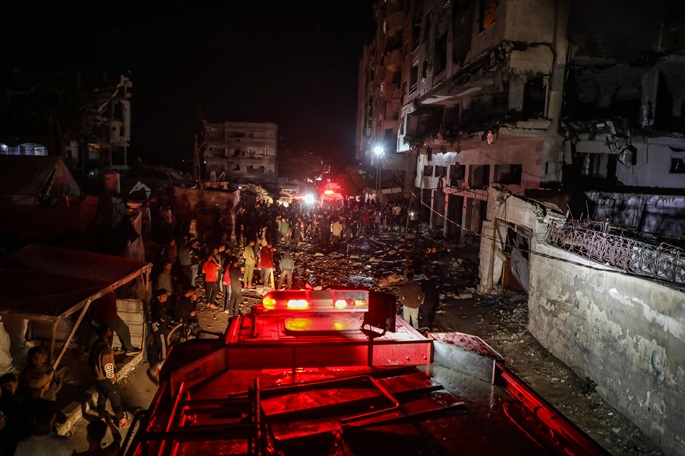
The US claimed the sanctioned individuals were enabling Hezbollah to "undermine Lebanon's sovereignty." This move comes as the region experienced a temporary ceasefire, which was first announced on April 17 and subsequently extended until May 17. The ceasefire, intended to bring a period of calm, was a significant development in the volatile regional landscape. However, despite the ceasefire agreement, the Israeli military has continued daily airstrikes in Lebanon. These ongoing operations have led to widespread demolition of homes in dozens of villages across the country, causing significant humanitarian concerns and further destabilizing the already fragile nation.
The continuation of military actions amidst a declared ceasefire notes the persistent challenges to achieving lasting peace and stability in the region. The broader instability in Lebanon, exacerbated by both internal political struggles and external pressures, has been a recurring point of concern for international observers. The US sanctions, coupled with ongoing military activities, contribute to an environment of heightened tension and uncertainty for the Lebanese population and the wider Middle East.