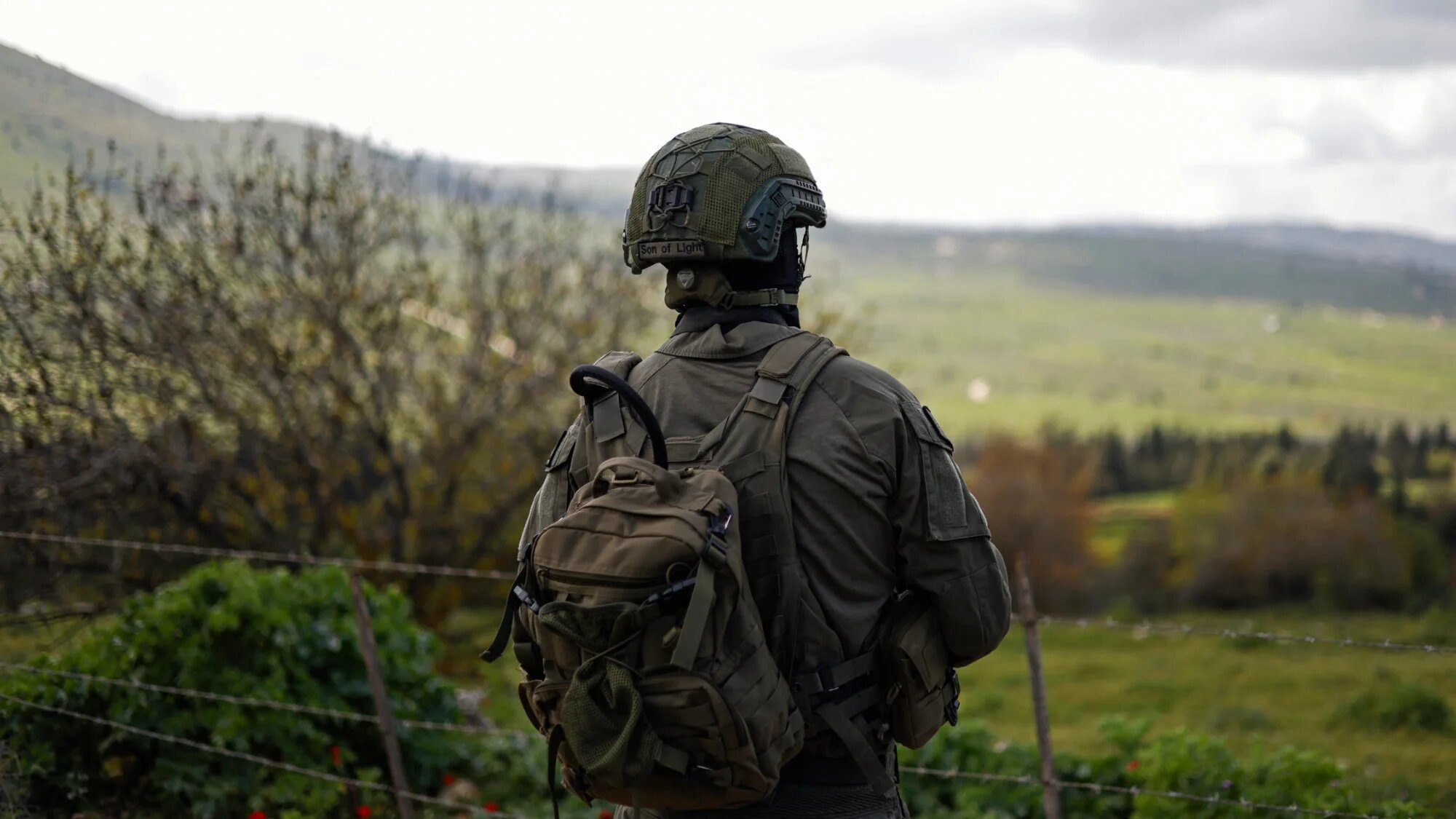
Israeli soldiers operating in southern Lebanon have been accused of engaging in widespread looting and destruction, according to testimonies published by the Israeli newspaper Haaretz on Wednesday. The reports indicate that goods were taken from Lebanese villages and transferred into Israel as part of what was described as an unofficial mission. Accounts detail troops looting various items from private homes, including rugs, armchairs, motorbikes, and heaters. Additionally, shops in these areas were reportedly stripped of expensive goods, suggesting a systematic approach to the appropriation of property. These detailed allegations paint a picture of significant material loss for Lebanese residents in the affected areas.
The testimonies gathered by Haaretz provide specific examples of the types of items targeted by soldiers. From the personal effects within private residences to valuable merchandise in commercial establishments, the scope of the alleged looting appears extensive. The transfer of these goods across the border into Israel as an "unofficial mission" suggests a degree of organization or at least tacit acceptance of these activities within military operations. This practice raises serious questions about command responsibility and the ethical conduct of forces engaged in conflict zones. The accounts from witnesses and reservists contribute to a growing body of evidence detailing these alleged transgressions.
Escalating Reports of Looting and Official Response
Mounting reports of large-scale looting by Israeli soldiers have emerged since fighting escalated between Israel and Hezbollah in March, following the joint Israeli-US war on Iran. The intensified conflict appears to have coincided with an increase in these alleged incidents of theft and destruction. Last month, Haaretz reported that Israeli troops had looted sofas, televisions, and motorbikes from homes in southern Lebanon, with army commanders largely appearing to disregard the actions. This earlier report showed a concerning pattern where such activities were not only occurring but seemingly overlooked by those in positions of authority. The repeated nature of these reports from various sources indicates a persistent problem.
Earlier this month, Israeli news outlet Ynet further reported that military leaders were struggling to manage the scale of the looting incidents. This acknowledgment from within Israeli media suggests that the issue is not isolated but rather a widespread phenomenon that poses a significant challenge to military discipline and oversight. The inability of military leaders to effectively curb these activities points to a deeper systemic problem within the operational framework. The sheer volume of reported incidents has made it difficult for commanders to address each case individually, leading to a broader struggle for control.
In response to the growing concerns, broadcaster Channel 14 reported that Israeli army chief of staff Eyal Zamir asked commanders operating in Lebanon to sign a letter committing to preventing looting. This directive from a high-ranking official notes the seriousness with which the military leadership is, at least publicly, attempting to address the issue. Zamir stated, "the phenomenon of looting, if it exists, is disgraceful and could stain the entire (military). If such incidents occurred, we will investigate them. I am not willing for us to become an army of looters." His strong words reflect an awareness of the potential damage to the military's reputation and integrity. The request for a signed commitment from commanders indicates an effort to formalize accountability and ensure that orders regarding ethical conduct are taken seriously across all ranks.
Euro-Med Human Rights Monitor stated that reports from Lebanon pointed to "a clear pattern of theft during Israeli military operations." The organization elaborated that Israeli forces had been "raiding houses, rummaging through belongings, and looting residents’ money and personal effects," adding that the practice appeared to have become "an effective policy of the state and the army." This assertion by Euro-Med Human Rights Monitor suggests that the alleged looting is not merely individual acts of indiscipline but potentially a more systematic issue, raising concerns about its institutional nature. The consistent nature of these reports across different locations and timeframes strengthens the argument for a discernible pattern of behavior.
In January, similar reports emerged when Israeli forces were said to have seized approximately 250 goats from Syrian territory, subsequently transferring them to Israeli settlement outposts in the occupied West Bank. This incident, occurring prior to the escalation in Lebanon, provides further context to the allegations of appropriation of property by Israeli forces in various operational areas. The seizure of livestock, a vital asset for many communities, and its transfer to settlements, shows the broad spectrum of items allegedly targeted and the diverse locations where such incidents are reported. These repeated occurrences across different conflict zones suggest a troubling continuity in the conduct of military operations.
Commanders' Indifference and Justifications Amidst Historical Context
According to one reservist, no soldier faced punishment for engaging in looting activities. This lack of accountability, as reported by the reservist, further supports the claims of military leaders' indifference or struggle to manage the situation. The absence of consequences for such actions could inadvertently foster an environment where looting is perceived as permissible or at least not strictly prohibited. This reservist stated, "There was no reason other than revenge" for such actions, offering a potential psychological motivation behind some of the acts of destruction and theft. This perspective suggests that emotional responses, rather than strategic military objectives, might be driving some of the alleged misconduct.
Israeli historian Adam Raz commented on the historical context of these incidents, stating that "looting was part of every Israeli war." Raz added that "what’s new is the total indifference" shown towards these activities. This historical perspective from an Israeli academic suggests that while looting might have been a recurring feature of past conflicts, the current lack of official concern or active intervention marks a significant shift. The "total indifference" described by Raz implies a breakdown in command responsibility or a deliberate turning of a blind eye to actions that would typically be considered violations of military conduct and international law. This historical framing provides a critical lens through which to understand the current allegations, suggesting that while the acts themselves might not be unprecedented, the official response or lack thereof is.
A significant portion of the demolition work observed in southern Lebanon has reportedly been carried out by private contractors. These contractors include individuals identified as "extreme settlers," alongside Bedouin and Druze workers. The involvement of private contractors in demolition activities adds another layer of complexity to the operations in southern Lebanon. The presence of "extreme settlers" among these contractors raises questions about their motivations and potential agendas beyond purely military objectives. This practice also blurs the lines of accountability, as actions carried out by private entities might be harder to regulate or attribute directly to military command, yet they contribute to the overall destruction in the region. The use of diverse groups of workers, including Bedouin and Druze, further illustrates the varied composition of these contracted teams.
Since the latest assault began in March, Israeli forces have killed at least 3,020 people, according to the Lebanese health ministry. This figure includes 824 deaths recorded since the ceasefire that began on April 17. These grim statistics show the severe human cost of the ongoing conflict in southern Lebanon, noting the devastating impact on civilian lives. The continued fatalities even after a declared ceasefire point to persistent hostilities and a precarious security situation. The number of casualties serves as a stark reminder of the intensity of the military operations and their tragic consequences for the population.
Broader Context, Human Cost, and Displacement
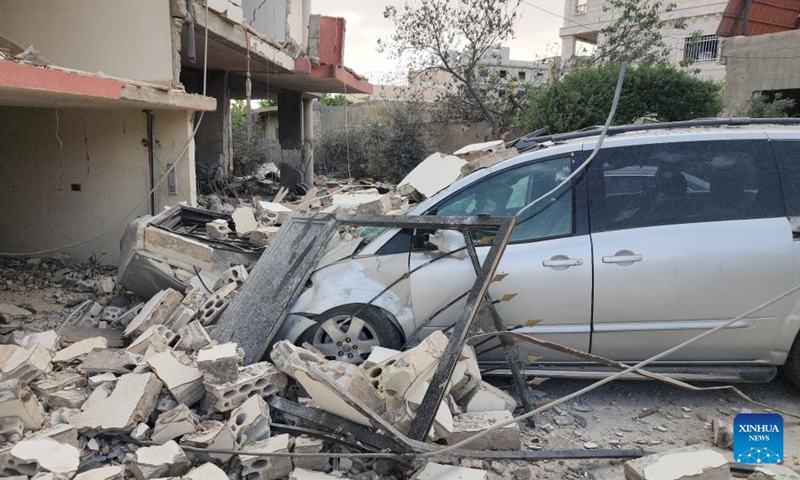
Another reservist recounted to Haaretz that the primary objective of the military's operations in southern Lebanon was the destruction of homes. This statement challenges conventional military justifications, suggesting that demolition was not merely a byproduct of combat but a central aim. Accounts suggest that homes, schools, and clinics were destroyed in the region without any stated military justification. The targeting of civilian infrastructure like homes, schools, and clinics, particularly in the absence of clear military necessity, constitutes a grave concern under international humanitarian law. The destruction of such essential facilities has long-term implications for the affected communities, impacting their ability to recover and rebuild.
Euro-Med Human Rights Monitor reported that it had also documented incidents of looting in Gaza and the occupied West Bank, in addition to those in southern Lebanon. This broader documentation by the human rights organization indicates that the alleged pattern of theft and appropriation of property by Israeli forces is not confined to a single operational theatre. The consistent reporting of similar incidents across different Palestinian and Lebanese territories suggests a systemic issue that extends beyond specific campaigns or geographical regions. This wider scope of documented incidents reinforces the claims of a "clear pattern of theft during Israeli military operations" as articulated by Euro-Med Human Rights Monitor.
Hezbollah has reportedly killed at least 21 soldiers since March, with eight of these deaths occurring since April 17. Most of the casualties were invading troops stationed inside Lebanon. These figures represent the losses sustained by Israeli forces during the conflict, providing a counter-narrative to the focus on Lebanese casualties. The fact that most of these soldiers were "invading troops stationed inside Lebanon" clarifies the nature of the ground operations and the risks faced by the Israeli military. The continued casualties even after the ceasefire date highlight the ongoing dangers and the persistent nature of the engagements between Israeli forces and Hezbollah.
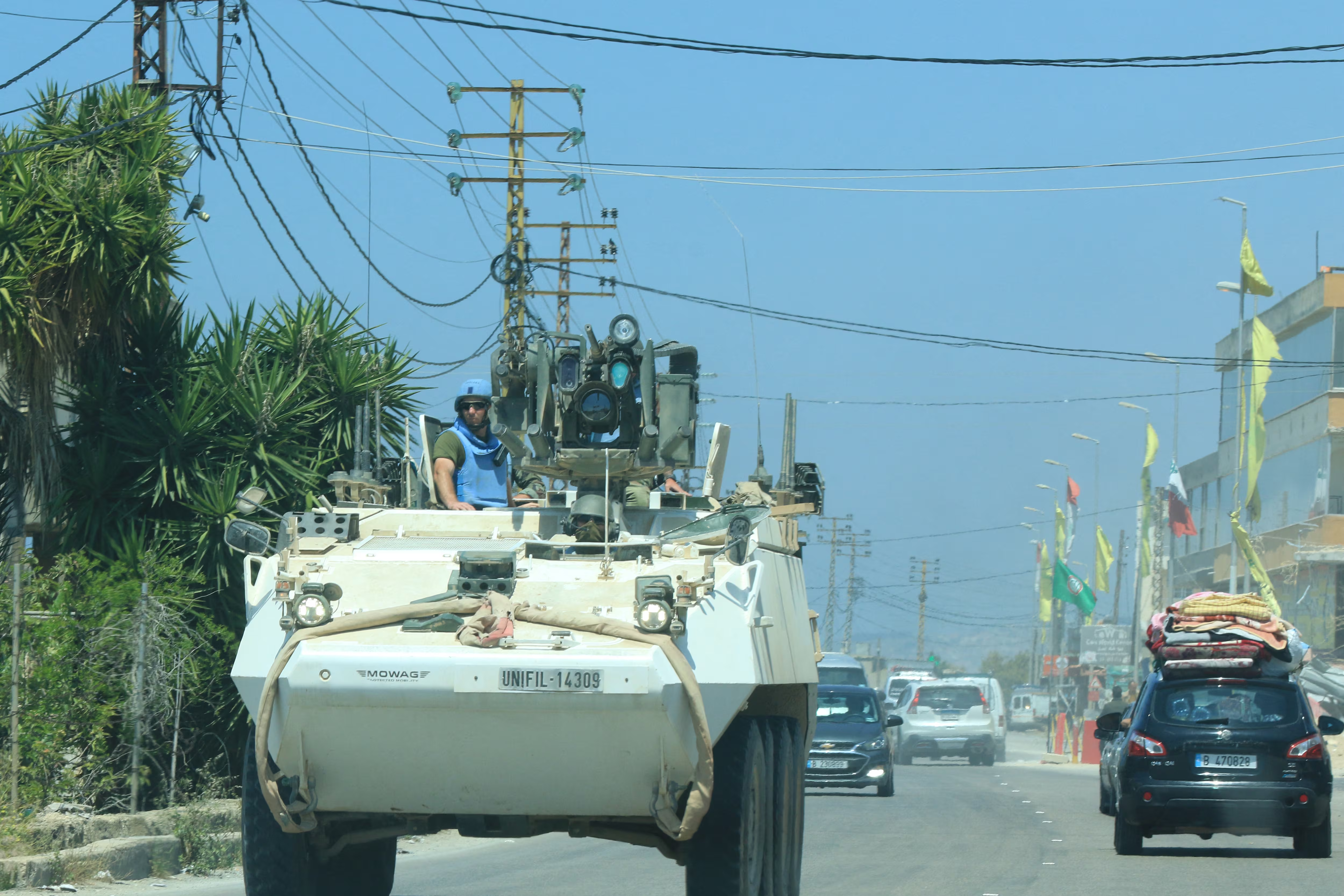
According to the United Nations Office for the Coordination of Humanitarian Affairs (Ocha), approximately 100,000 Lebanese residents have fled their homes in recent days. This displacement is attributed to fears of Israeli strikes in the area. The massive displacement of civilians shows the profound humanitarian crisis unfolding in southern Lebanon. The fear of military operations, including potential Israeli strikes, has forced a significant portion of the population to abandon their homes and seek safety elsewhere. This large-scale movement of people places immense strain on humanitarian resources and notes the devastating impact of the conflict on the civilian population, creating an urgent need for protection and assistance. The ongoing violence and the resulting displacement contribute to a severe deterioration of living conditions for thousands of families.