Lebanon's parliament officially delayed a scheduled parliamentary amnesty vote, a decision that followed intense public and political pressure. Parliament Speaker Nabih Berri specifically postponed a plenary session intended for May 20, where the controversial amnesty law was slated for discussion and a potential vote. The postponement was a direct consequence of widespread protests and significant public outcry over the proposed amnesty law, which critics vehemently argued disproportionately excluded certain Islamist detainees and convicts. The decision by Speaker Berri came amidst significant debate and sectarian incitement surrounding the draft legislation, noting deep divisions within the country regarding justice and reconciliation. The parliamentary amnesty vote had been anticipated as a key step towards addressing long-standing issues of detention and justice, but its delay shows the complexities and sensitivities involved in such legislative efforts in Lebanon.
Protests Erupt Over Law's Exclusions
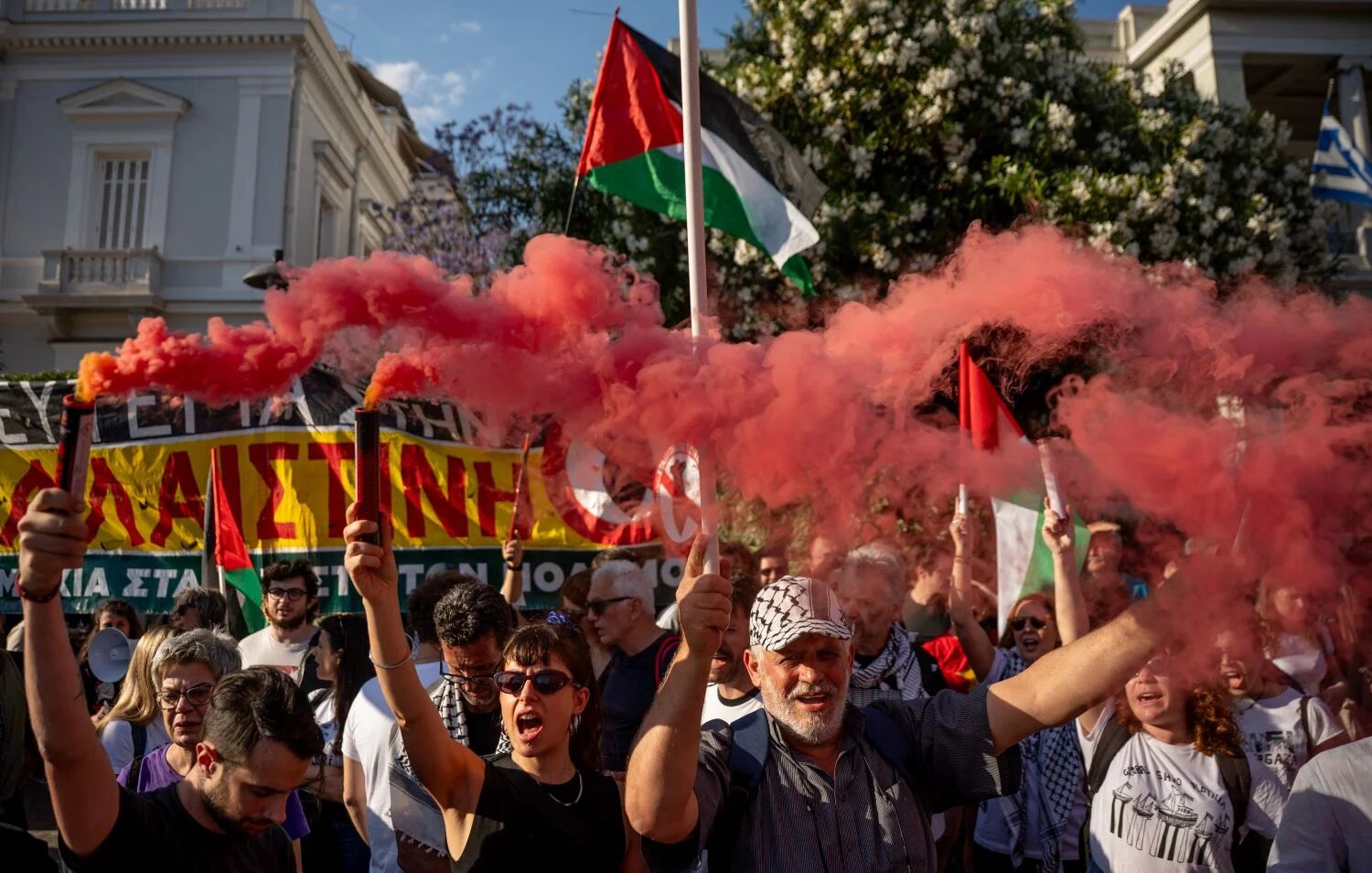
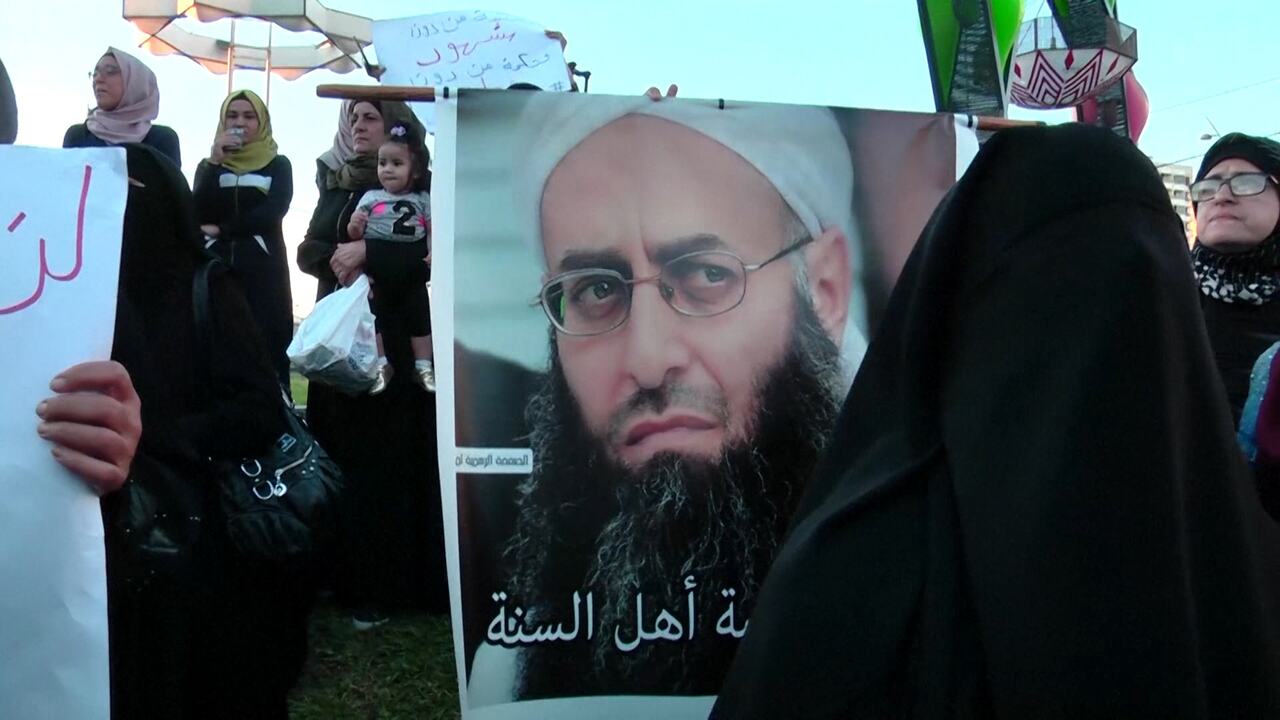
Protests erupted across various regions of Lebanon, specifically targeting the exclusions affecting Islamist detainees and convicts within the framework of the proposed amnesty law. Islamist detainees themselves, from within Lebanese prisons, rejected these exceptions, articulating their belief that such stipulations would severely limit their actual benefit from the legislation. This internal rejection from those most directly impacted by the law added significant weight to the public demonstrations. The protests were not merely vocal but also involved direct action, including the burning of tyres and the closure of key roads, particularly in the northern regions of the country and the Beka'a region. These actions showed the mounting public discontent and the determination of protesters to make their voices heard.
Islamist detainees in Lebanese prisons issued a collective statement warning against the draft law, describing it starkly as "a trap to entrench injustice." This powerful statement showed their profound concern that the draft legislation, in its current form, would not provide full or equitable relief to all those it purported to address. Protesters on the ground echoed this sentiment forcefully, demanding a truly full amnesty that would cover all detainees and convicts without any exceptions. Their calls for an inclusive amnesty noted a desire for universal justice, rather than a selective application of clemency.
Among the specific cases noted by protesters as a focal point of their grievances was that of Sheikh Ahmad al-Assir. Sheikh al-Assir, who was sentenced to death by the military court, was explicitly excluded from the proposed amnesty, a decision that further fueled the demonstrations. Activists and supporters of a broader amnesty vigorously argued for a wider and more equitable application of the law, contending that such high-profile exclusions undermined the very spirit of a general amnesty. The widespread rejection of the draft law's limitations, particularly concerning these specific exclusions, ultimately contributed significantly to the postponement of the parliamentary vote, demonstrating the power of public and detainee advocacy in shaping legislative outcomes.
Details of the Proposed Amnesty Law
After intensive deliberations, parliamentary joint committees reached a consensual formula for the proposed general amnesty law on May 19. Deputy Parliament Speaker Elias Bou Saab publicly stated that a formula acceptable to the overwhelming majority in parliament had been achieved, signaling a significant step forward in the legislative process. Bou Saab expressed confidence in the outcome, asserting, "We reached a formula acceptable to the overwhelming majority in parliament, and the required number of MPs' votes exists to pass the amnesty law according to what we agreed upon in the joint committees." This statement indicated that despite the public outcry, a consensus had been forged among lawmakers on the core elements of the bill.
Among the key amendments adopted within this consensual formula were significant adjustments to prison terms for certain serious crimes. For crimes carrying the death penalty, the proposed law sets the maximum prison term at 28 years. This would translate to approximately 21 effective prison years, according to the intricate calculations and formulas devised by the joint committees. Similarly, for individuals facing life sentences with hard labour, the amendments establish a revised term of 17 prison years, offering a pathway to release for those who have served substantial time. The legislative proposal also meticulously preserved the fundamental right of families of army martyrs not to waive their personal rights before the civil judiciary. This key provision allows these families to pursue justice independently of the amnesty, ensuring that their quest for accountability for the loss of their loved ones is not curtailed by the general clemency.
The amendments further included a general reduction in penalties, specifically to one-third of their original duration, for certain offenses not falling under the most severe categories. This broad reduction aimed to provide relief for a wider range of convicts and detainees. A clear cutoff date was also established for the amnesty's applicability: it would apply to crimes committed before March 1, 2026, setting a precise temporal boundary for eligibility under the new provisions. This date provides clarity and defines the scope of the amnesty's reach.
However, the proposed law outlined several significant and highly contested exceptions, which were central to the public outcry. Intentional or premeditated murder against both civilians and military personnel remained explicitly excluded from the amnesty provisions, meaning individuals convicted of such heinous crimes would not benefit from the clemency. Crimes referred to the Judicial Council, which typically handles cases of national security importance or those involving high-profile political figures and sensitive matters, were also explicitly excluded from the amnesty. This exclusion shows the state's determination to maintain a firm stance on matters deemed critical to national security and political stability.
Additionally, the draft law specifically excluded felony drug crimes, particularly in cases involving repeat offences or multiple previous rulings or prosecutions. This exception was designed to prevent career criminals or those with a documented history of serious drug-related convictions from benefiting from the amnesty, reflecting a policy stance against habitual offenders in drug trafficking. Crimes of treason, espionage, and illegal ties with Israel were also among the categories specifically exempted from the proposed general amnesty. These exclusions reflect the country's profound national security concerns and its long-standing posture regarding relations with Israel, a state with which Lebanon remains technically at war. These full exclusions have been a significant point of contention among various groups, contributing substantially to the broader and often heated debate surrounding the proposed legislation.
Broader Context and Legal Nuances
The issue of Lebanese deportees to Israel has also emerged as a particularly contentious point within the broader amnesty debate, adding another layer of complexity to the legislative process. Maronite Patriarch Bechara Boutros al-Rahi, a prominent religious leader, specifically called for the amnesty law to address the situation of these Lebanese individuals, many of whom fled to Israel following the Israeli withdrawal from South Lebanon in 2000. In an attempt to integrate this long-standing concern, the proposed legislation adopted provisions from Law 194, which was originally issued in 2011 and specifically pertains to the status and treatment of these deportees. This inclusion signals a recognition of the humanitarian and political dimensions of their situation.
Beyond the specific issue of the deportees, the draft law included other important exceptions that reflect broader governmental priorities and anti-corruption efforts. Crimes involving assault on public property and public funds remained explicitly excluded from the amnesty provisions, emphasizing the state's commitment to protecting national assets and resources. Similarly, crimes stipulated in anti-corruption and illicit enrichment laws were also not covered by the proposed general amnesty. This deliberate exclusion reflects a governmental stance against financial misconduct and a commitment to combating corruption, ensuring that those who defraud the state or enrich themselves illicitly do not escape justice through a general pardon. These exclusions aim to reinforce accountability in public service and financial dealings.
The proposal also contained a key provision aimed at addressing the widespread problem of prolonged pre-trial detentions, a significant issue within Lebanon's justice system. This clause specifically requires the release of detainees who have spent up to 14 years in prison without final rulings being issued against them. Lawyer Haitham Azzo commented on this particular aspect, stating, "The proposal requires the release of detainees who have spent up to 14 years in prison without final rulings being issued against them, constituting an exceptional treatment for a highly complex legal situation that has long raised issues regarding guarantees of personal freedom." This clause notes a critical legal nuance within the amnesty, seeking to resolve cases of extended detention without conviction, thereby upholding the principles of due process and personal liberty. This provision attempts to rectify a systemic issue where individuals can be held for exceptionally long periods without their cases being definitively resolved, offering a measure of relief for those caught in judicial limbo. The inclusion of such a clause shows the multifaceted nature of the amnesty law, which seeks to balance various demands for justice, reform, and reconciliation in a deeply divided society.